Fish Schools May Form by Copying One Neighbour at a Time

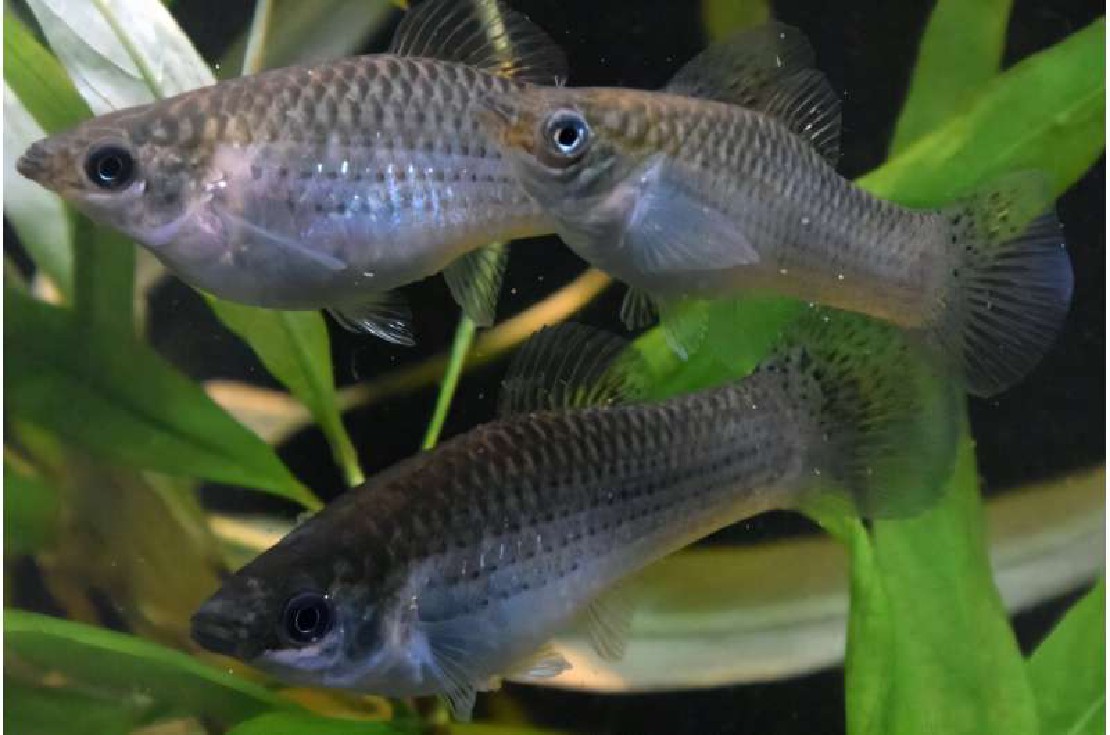
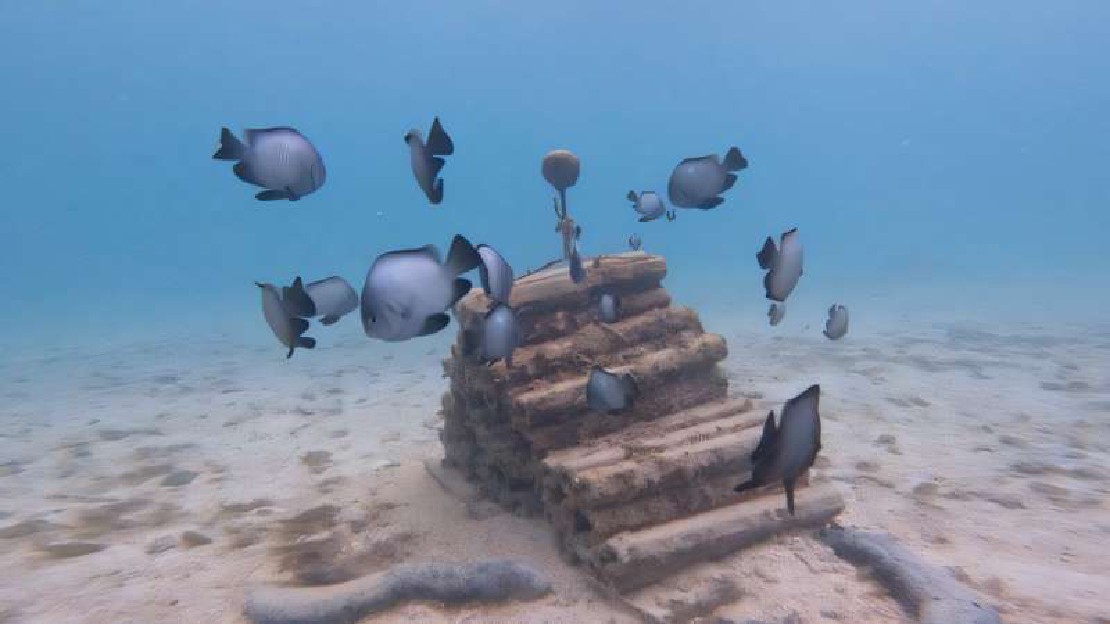
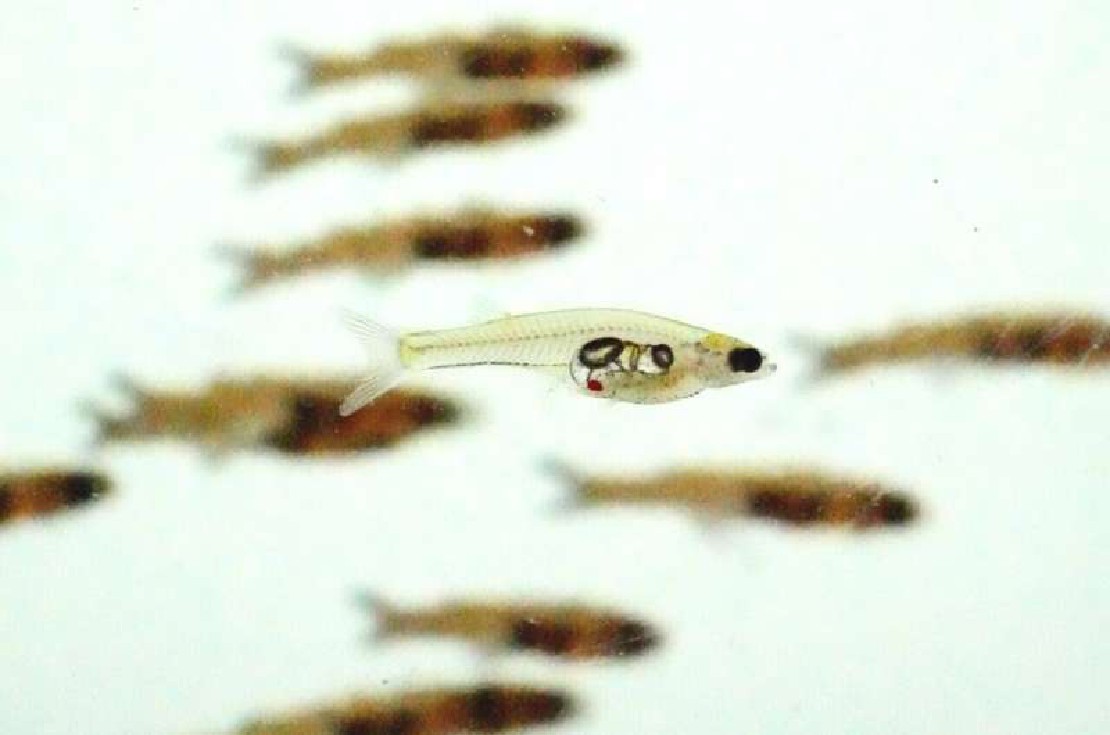
Glassfish appear to coordinate by copying one nearby neighbour at discrete moments rather than averaging the movements of the whole local group.
Read more
Glassfish appear to coordinate by copying one nearby neighbour at discrete moments rather than averaging the movements of the whole local group.
Read more
Researchers have identified 13 branched-chain fatty acids in cat urine whose relative proportions differ among individuals yet remain comparatively stable within the same cat.
Read more
Researchers studying Bengalese finches found that learned birdsong develops statistical structure resembling properties of human language. Young birds segment continuous song into recurring chunks by tracking how predictably syllables follow one another, while frequently used chunks become disproportionately common and short.
Read more
Bees and flowering plants share one of nature’s most elegant and essential symbiotic relationships. This relationship goes beyond the visible interactions of bees landing on flowers and emerging covered in pollen.
Read more
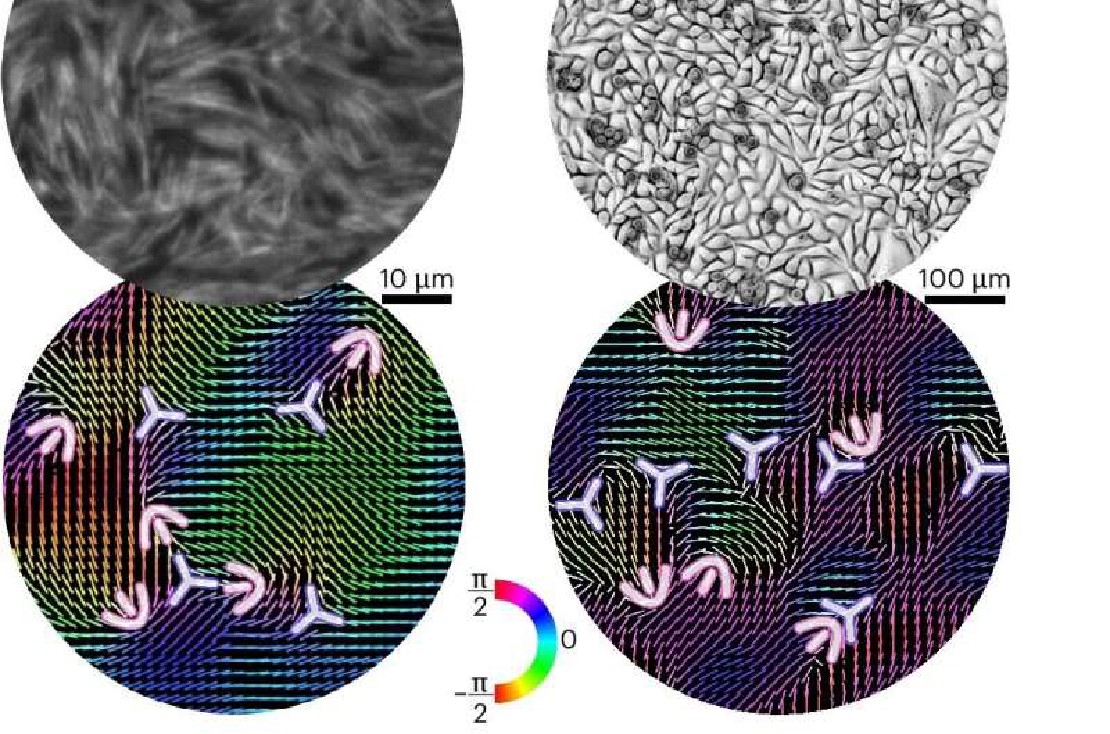
Cells don’t always behave as individuals. In sheets of epithelial cells — the tightly connected cells that line and cover much of the body — researchers have observed waves of contraction and expansion spreading through the group, a little like the stop-start compression that travels backwards through a traffic jam.
Read more
A model grounded in observations of ant colonies suggests that synchronized bursts of activity can begin with a single active worker.
Read more
A mathematical model of the dawn chorus shows how synchronized singing can emerge without central coordination. Each simulated bird has its own threshold for beginning to sing, determined by increasing ambient light and the amount of nearby birdsong it hears.
Read more
Male sperm whales produce exceptionally powerful slow clicks that may remain detectable across roughly 70 kilometres of deep ocean while maintaining remarkably precise intervals of five to ten seconds.
Read more
Longhorn crazy ants cooperatively transporting awkward loads through mazes reveal a striking scaling effect: larger teams solve geometrically difficult problems much more effectively than smaller ones, even when the physical burden per ant is held constant.
Read more
A comparative study across arthropods finds that sperm cooperation is far more widespread and evolutionarily recurrent than previously assumed. In many insects, spiders, crustaceans and related animals, sperm bind into coordinated groups or use sperm-associated material to form organised structures.
Read more