All living things emit a faint glow. Could this light be useful?

Ultra-weak ‘biophotons’ might be used to diagnose disease, or could even represent a new signalling mechanism in cells. https://www.nature.com/articles/d41586-026-02311-z
Read more
Ultra-weak ‘biophotons’ might be used to diagnose disease, or could even represent a new signalling mechanism in cells. https://www.nature.com/articles/d41586-026-02311-z
Read more
Long before a distant herd comes into view, an elephant likely already knows it is coming, thanks to silent messages sent through the ground.
Read more
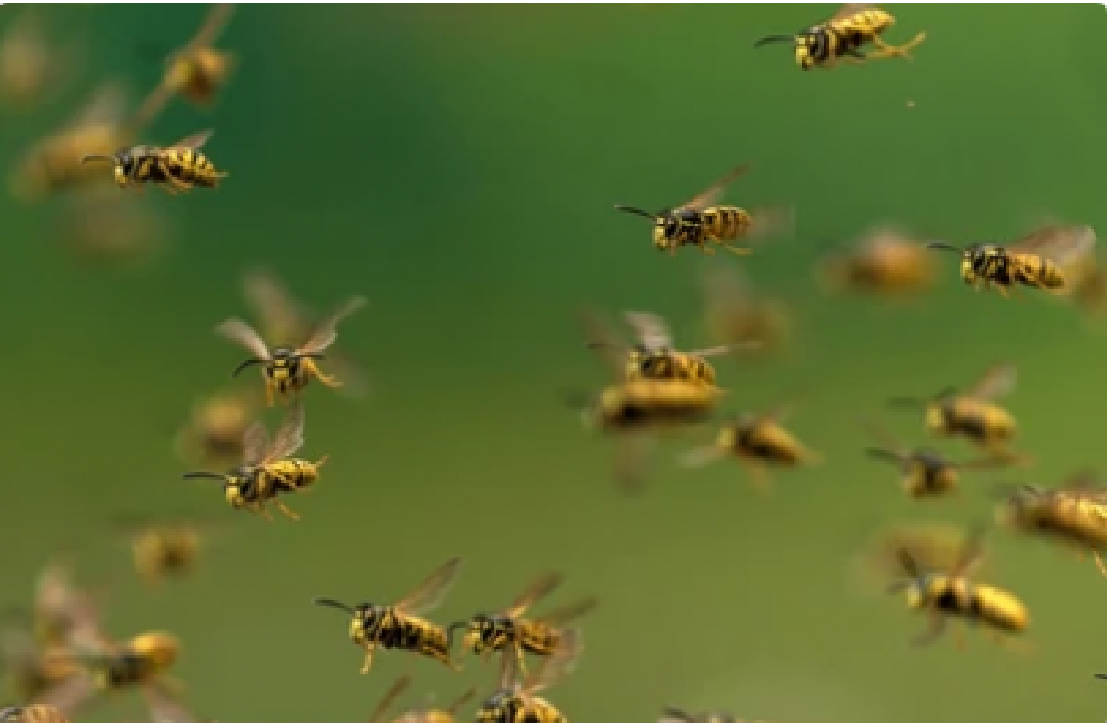
Female Megalopta sweat bees must choose whether to remain as helpers in their mother’s nest or leave to reproduce independently.
Read more
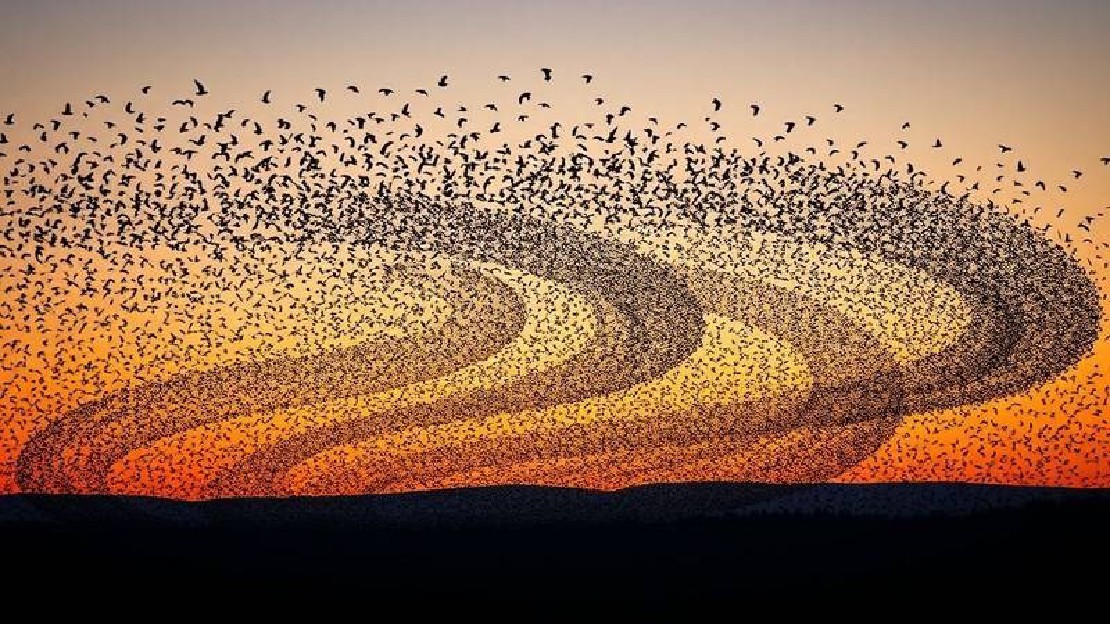
A minimal wake-vortex model explains how a bird following behind and to the side of another can reduce the mechanical power needed for flight by about 11 percent.
Read more
Kagoshima University researchers identified methyl benzoate as an airborne plant-defence signal whose release rises around dusk. Plants receiving the compound activate defence-related genes through NPR1, a central regulator of plant immunity, using a response pattern distinct from the better-known signal methyl salicylate.
Read more
Researchers selectively silenced neural circuits associated with the doublesex gene in older honeybee workers and caused them to resume queen-care duties normally performed by younger bees.
Read more
A new agent-based model suggests that Andean condors can reduce the energetic cost of long-distance flight by using the movements of other birds as continuously updated social information.
Read more
Wood ants maintaining their nests can move sticks cooperatively even when there is no shared destination or leader directing the task.
Read more
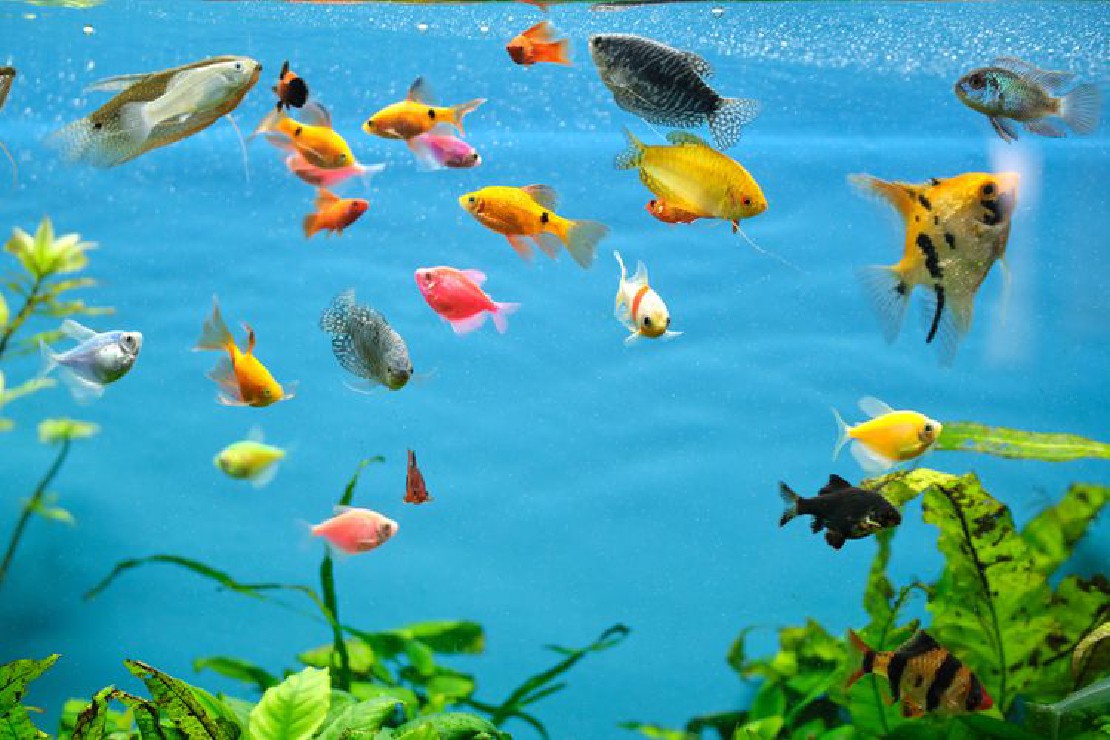
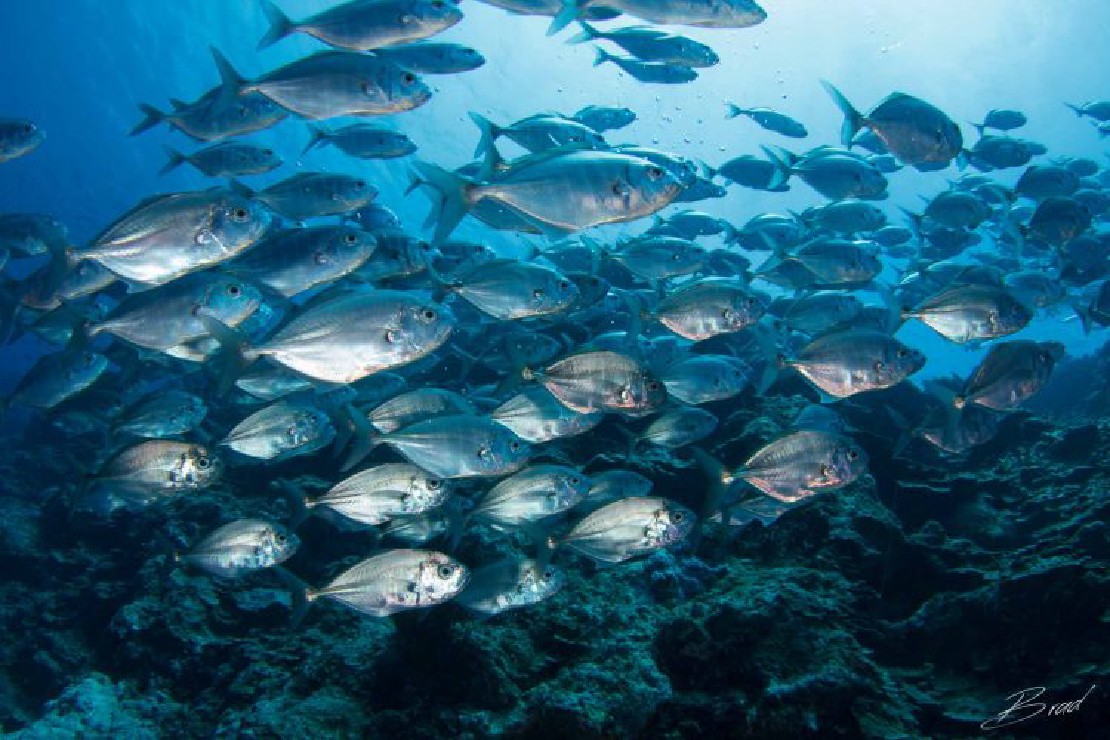
Rosy barbs and tiger barbs have markedly different individual swimming patterns, yet form cohesive mixed-species schools by matching speed through local interactions.
Read more
A honeybee-inspired study compares centrally directed organisations with decentralized groups whose members allocate work through local communication and differing behavioural thresholds.
Read more