Wood Ants Coordinate Heavy Work Through the Object They Are Moving
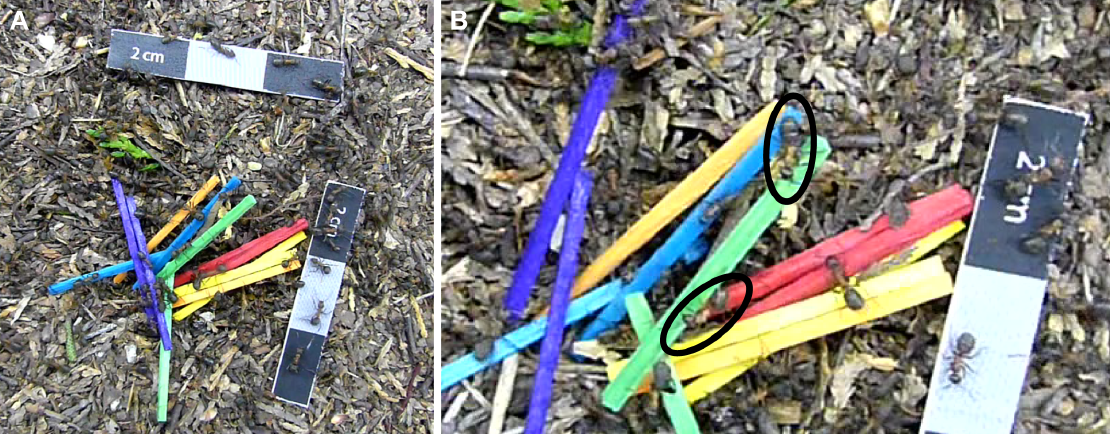
Wood ants maintaining their nests can move sticks cooperatively even when there is no shared destination or leader directing the task.
Read moreWood ants maintaining their nests can move sticks cooperatively even when there is no shared destination or leader directing the task.
Read more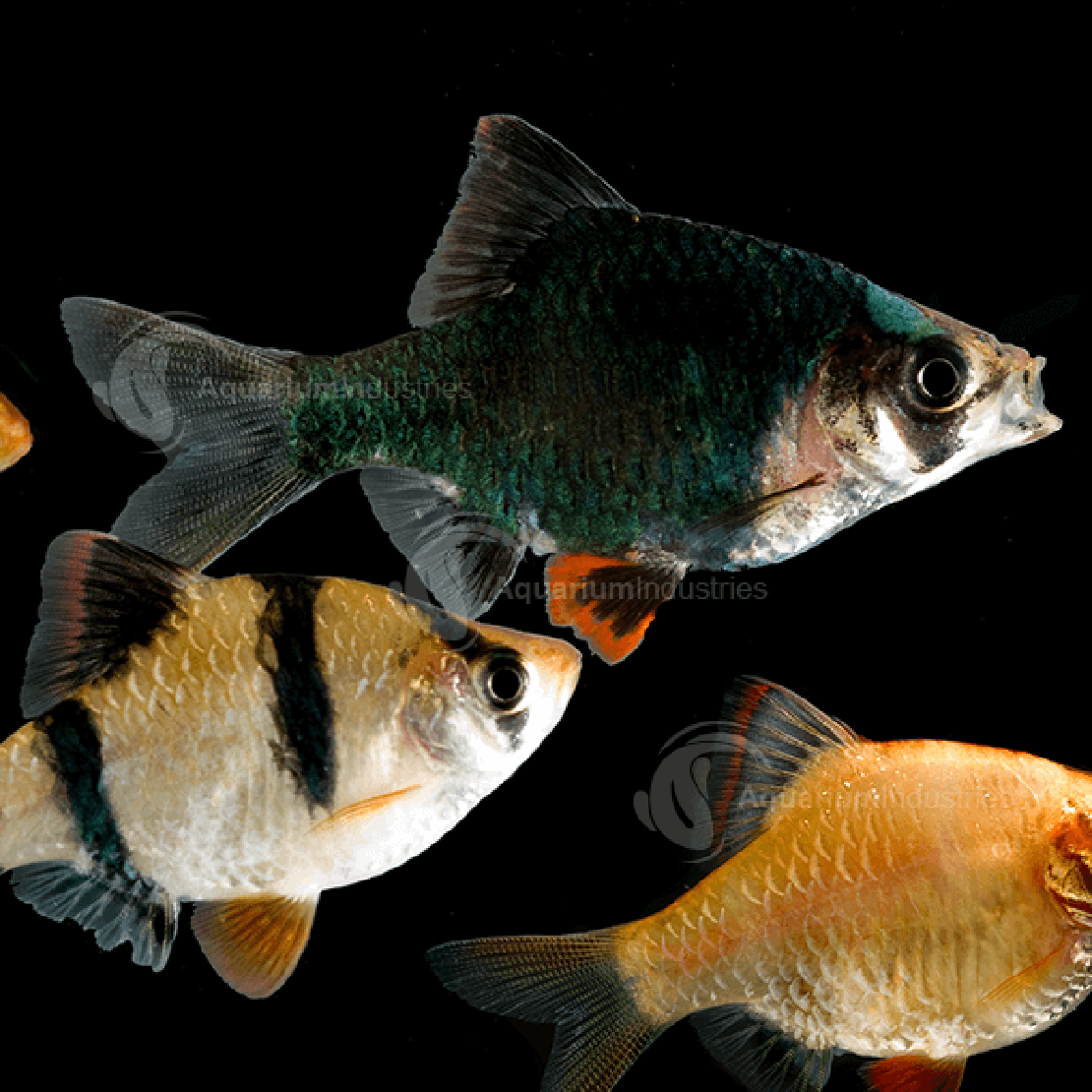
Rosy barbs and tiger barbs have markedly different individual swimming patterns, yet form cohesive mixed-species schools by matching speed through local interactions.
Read more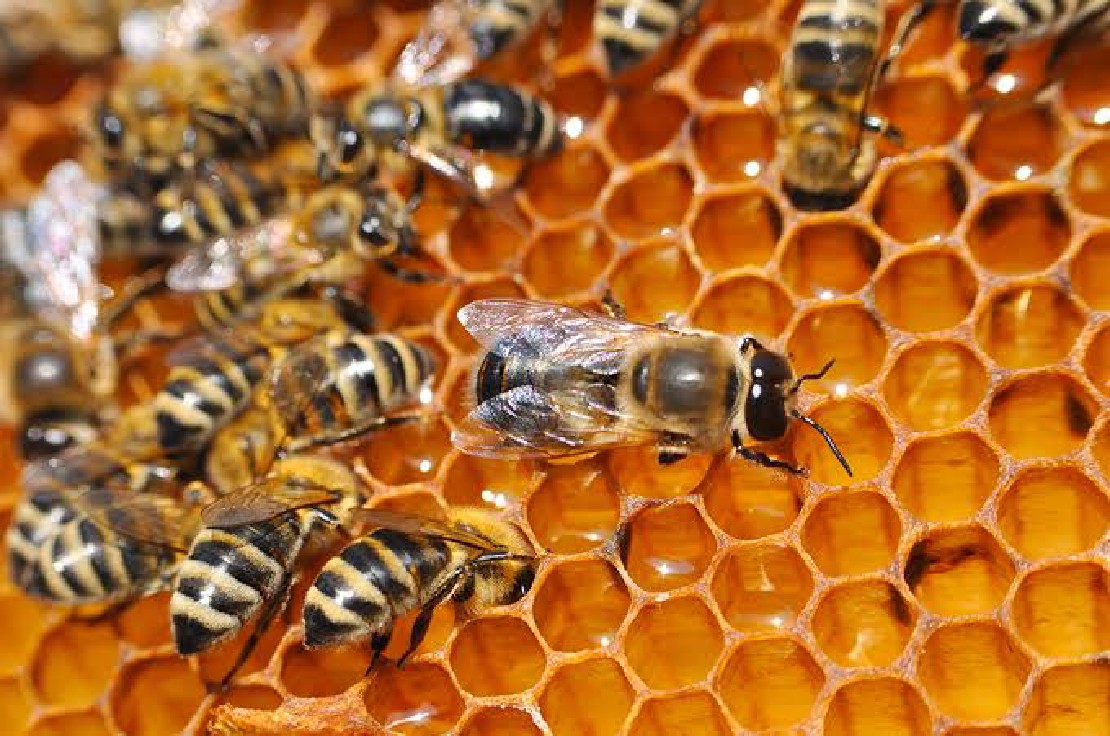
A honeybee-inspired study compares centrally directed organisations with decentralized groups whose members allocate work through local communication and differing behavioural thresholds.
Read more
A new preprint examines how pairs of homing pigeons establish leader and follower roles when navigating with unfamiliar partners. The work matters because it reveals how distributed groups can rapidly settle coordination roles without a central authority or an established social history.
Read more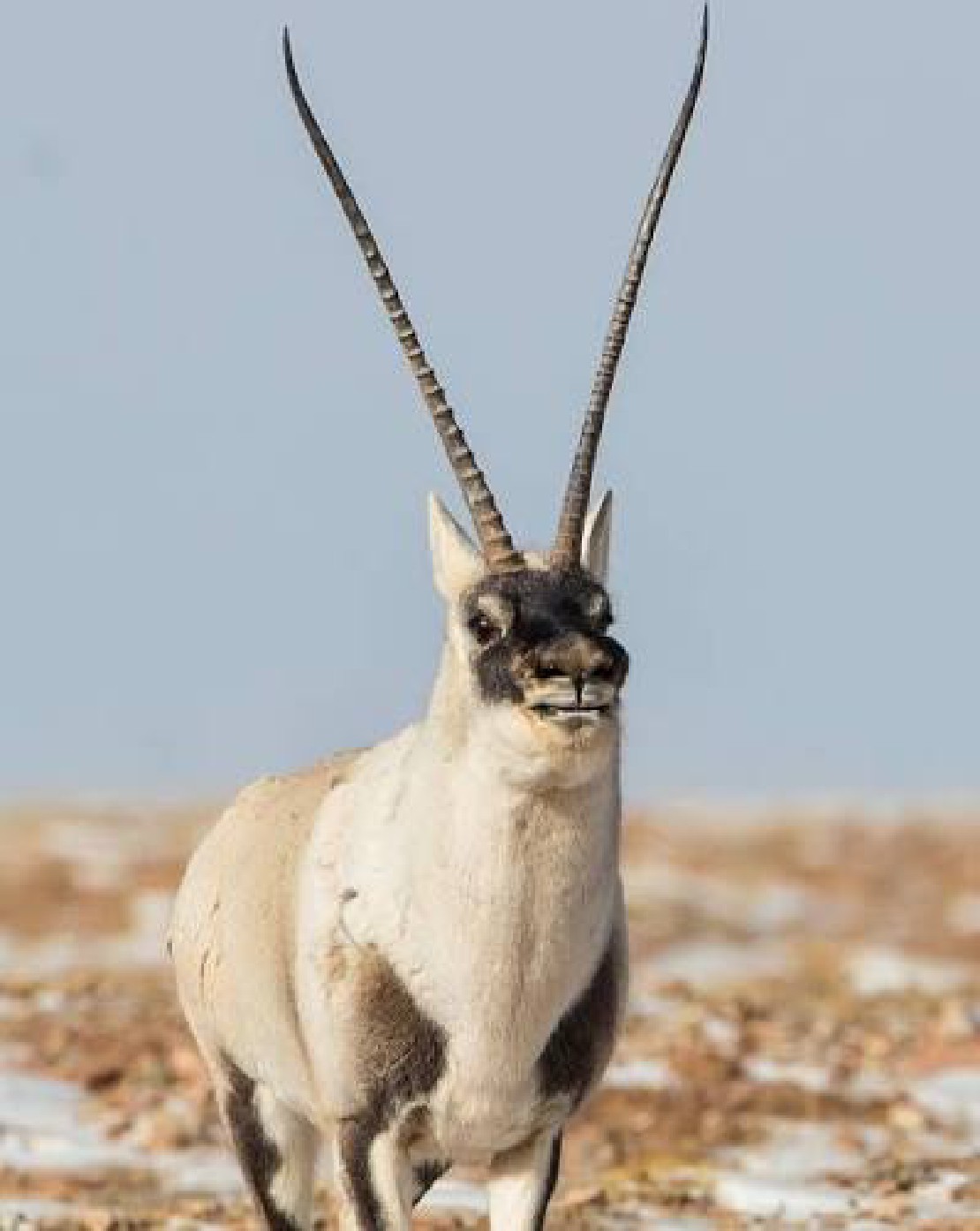
Research published in Behavioral Ecology and Sociobiology used drone footage and trajectory modelling to infer how Tibetan antelopes coordinate while moving.
Read more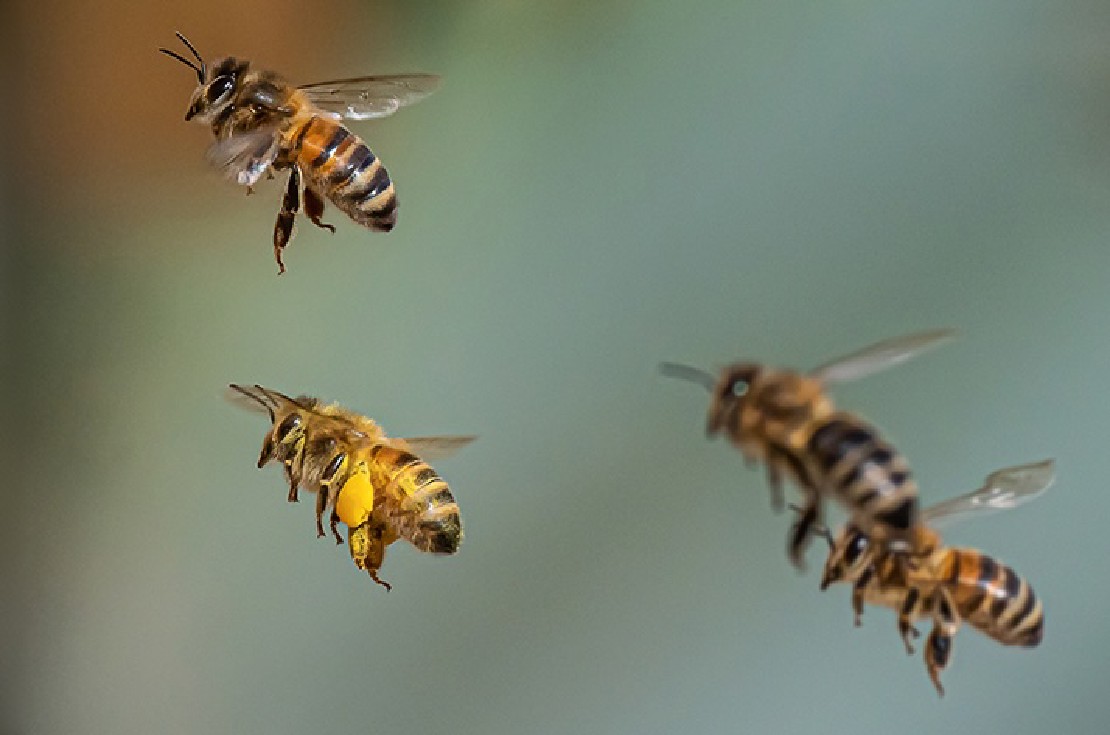
A mathematical study of leaderless collectives found that efficient groups need only a small number of persistent risk-takers to explore during poor conditions, while the majority wait for favourable signals.
Read more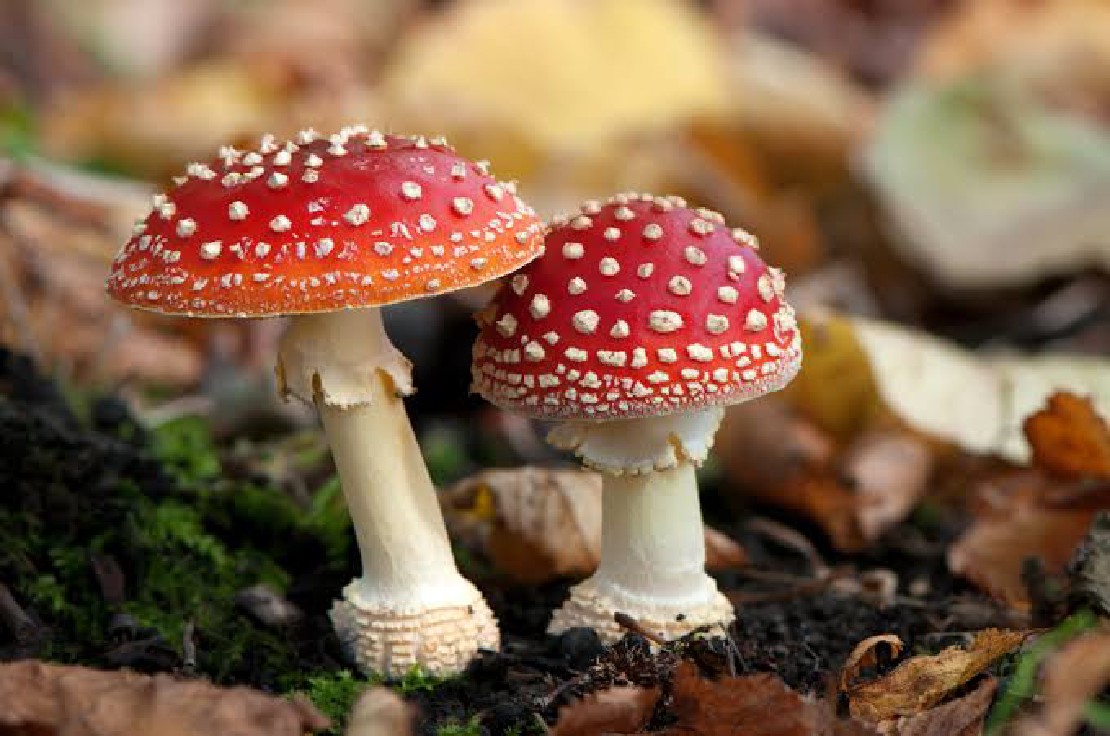
Research into the ectomycorrhizal fungus Laccaria bicolor found that cadmium exposure can trigger stress signals in parts of the fungal network that never directly encounter the metal.
Read more
Honeybee groups carry distinct chemical signatures used to distinguish nestmates from outsiders, but those signatures change when groups are brought together.
Read more
A Japanese boy noticed his butterflies seemed to recognise him. He spent two years design an experiment and proved that metamorphosis does not erase memories formed during the caterpillar stage.
Read more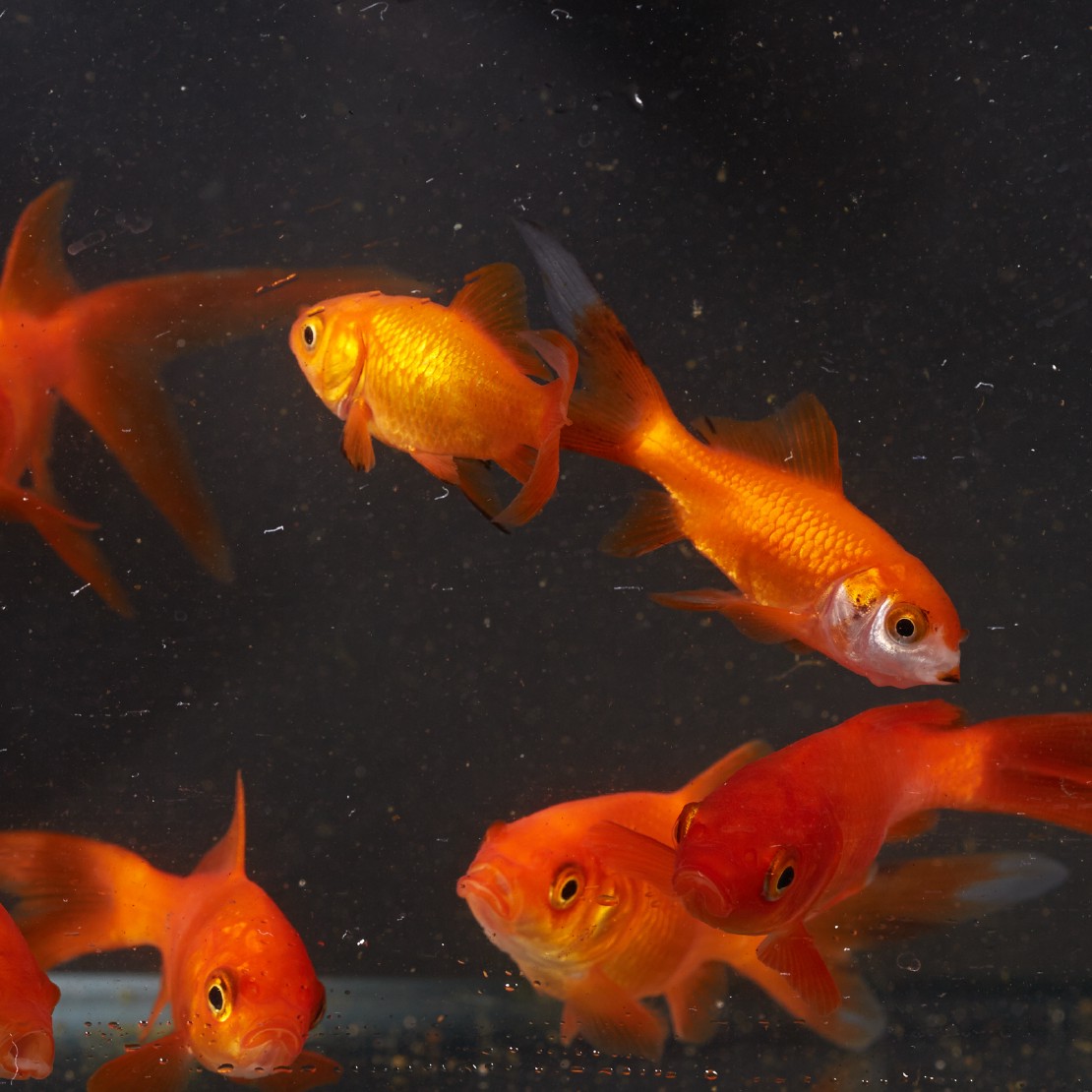
A new preprint examines how goldfish use two forms of social information—the number of fish in a shoal and how actively they are moving—when deciding which group to join.
Read more