Cellular Automata
In part one of this series, we looked at a simple example of cellular automata in the form of the Game of Life.
View seriesSoftware, Rewilded.
In part one of this series, we looked at a simple example of cellular automata in the form of the Game of Life. But these constructs existed before Conway in 1970. Software has been able to reproduce itself for decades. In 1988, the Morris worm spread autonomously through about 6,000 of the roughly 60,000 computers then connected to the Internet, causing widespread disruption.
27-Sep-2026
Read more
In part one of this series, we looked at a simple example of cellular automata in the form of the Game of Life.
View seriesPart 4: The dangling conversation In the previous article, we saw bacterial populations defend themselves collectively. Cyanobacteria formed protective flocs, while dying E.
View series(See the original demos announcement at the link). We have added more algorithms to the website to try out and tweak.
View series
A June workshop dedicated specifically to distributed collective intelligence, including bio-inspired approaches, decentralized trust systems, artificial life concepts, and collective behavior in smart systems.
13-Jun-2026
Read more
A notable June event from the Santa Fe Institute, co-sponsored by OpenAI and Google DeepMind, focused on intelligence across multiple organisational and social scales rather than intelligence as an individual phenomenon.
13-Jun-2026
Read more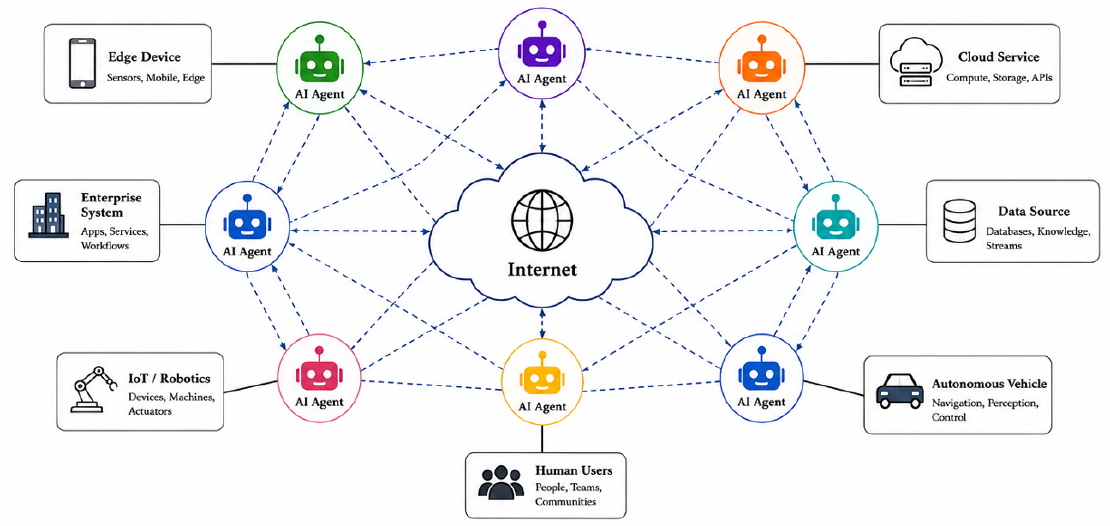
The paper proposes an “Internet of Agentic AI” in which autonomous agents discover each other, negotiate responsibilities, exchange context, coordinate workflows, and operate across organizational boundaries. The framing draws heavily from distributed systems, collective intelligence, and decentralized coordination.
12-Jun-2026
Read more
A great article to capture the principles we use at adaptive-emergent. Lessons forgotten in the cloud.
08-Jun-2026
Read more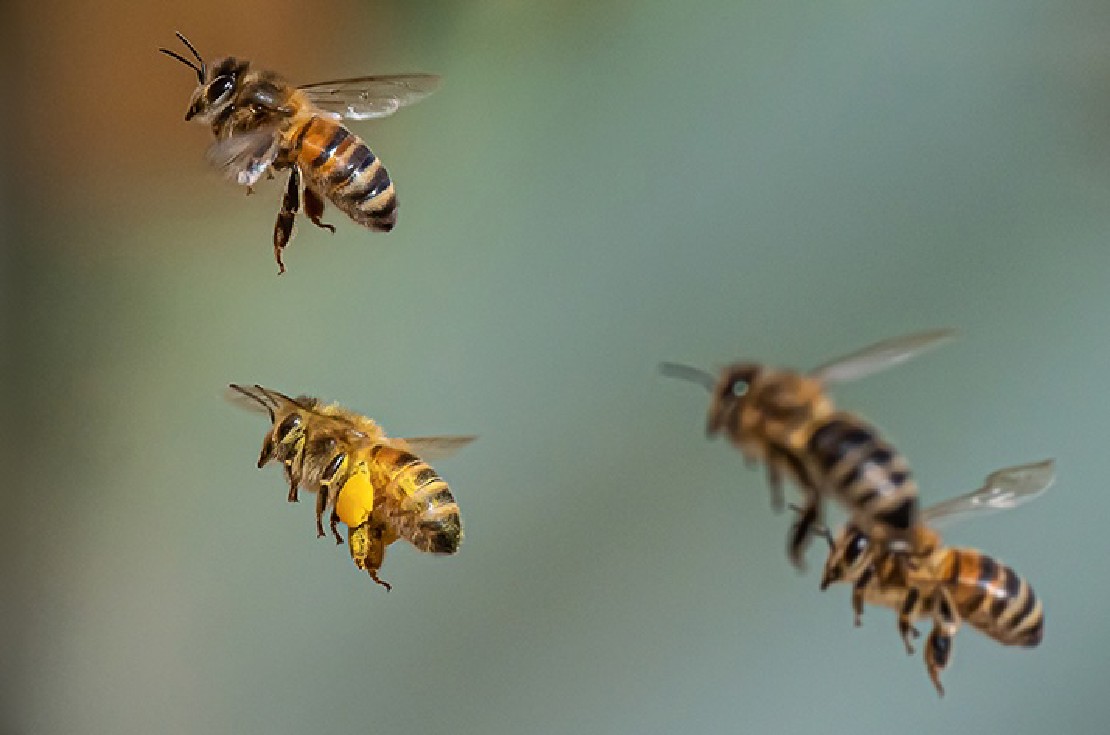
Bumblebees can use tools to solve a problem, according to experiments that demonstrate their remarkably advanced cognitive abilities.
07-Jun-2026
Read more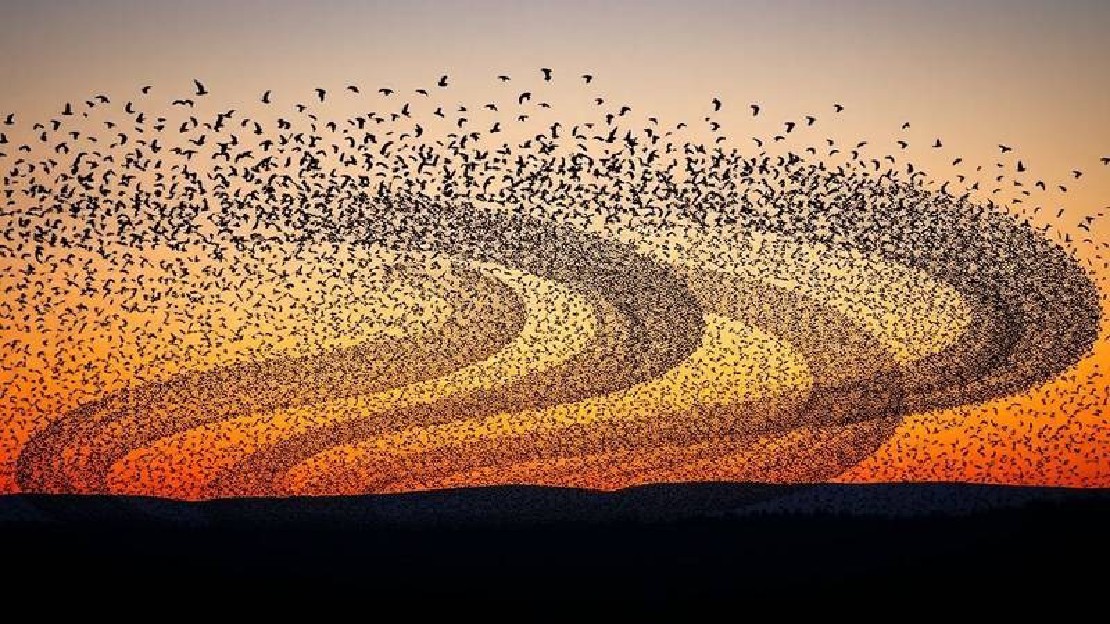
A recent market analysis projects rapid growth in swarm-intelligence technologies over the coming decade, driven by decentralized coordination requirements across IoT, autonomous systems, and distributed decision-making applications.
07-Jun-2026
Read more
SQUID-COMM introduces a communications architecture inspired by signalling, coordination, and self-organization mechanisms observed in colossal squid. The framework includes adaptive signalling, decentralized routing, synchronization, and congestion-management concepts.
06-Jun-2026
Read more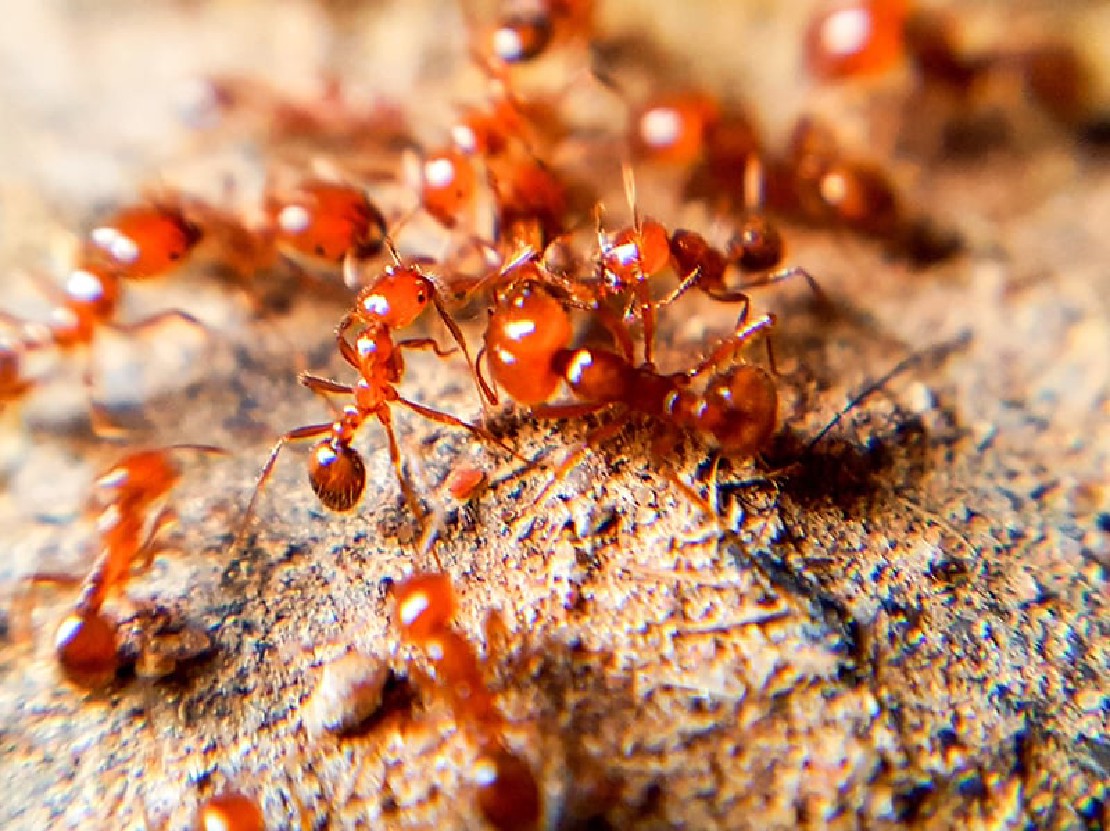
Researchers studying fire-ant collectives found evidence that large-scale ripples and movement waves emerge from simple local alignment between neighbouring ants. No central coordination is required for the collective patterns to appear.
31-May-2026
Read more
Lantern Pharma announced ZetaSwarm, a commercially available multi-agent scientific reasoning platform designed to run many specialised AI agents in parallel. The system is intended to support drug discovery and biomedical research workflows.
31-May-2026
Read more