Cellular Automata
In part one of this series, we looked at a simple example of cellular automata in the form of the Game of Life.
View seriesSoftware, Rewilded.
In part one of this series, we looked at a simple example of cellular automata in the form of the Game of Life. But these constructs existed before Conway in 1970. Software has been able to reproduce itself for decades. In 1988, the Morris worm spread autonomously through about 6,000 of the roughly 60,000 computers then connected to the Internet, causing widespread disruption.
27-Sep-2026
Read more
In part one of this series, we looked at a simple example of cellular automata in the form of the Game of Life.
View seriesPart 4: The dangling conversation In the previous article, we saw bacterial populations defend themselves collectively. Cyanobacteria formed protective flocs, while dying E.
View series(See the original demos announcement at the link). We have added more algorithms to the website to try out and tweak.
View series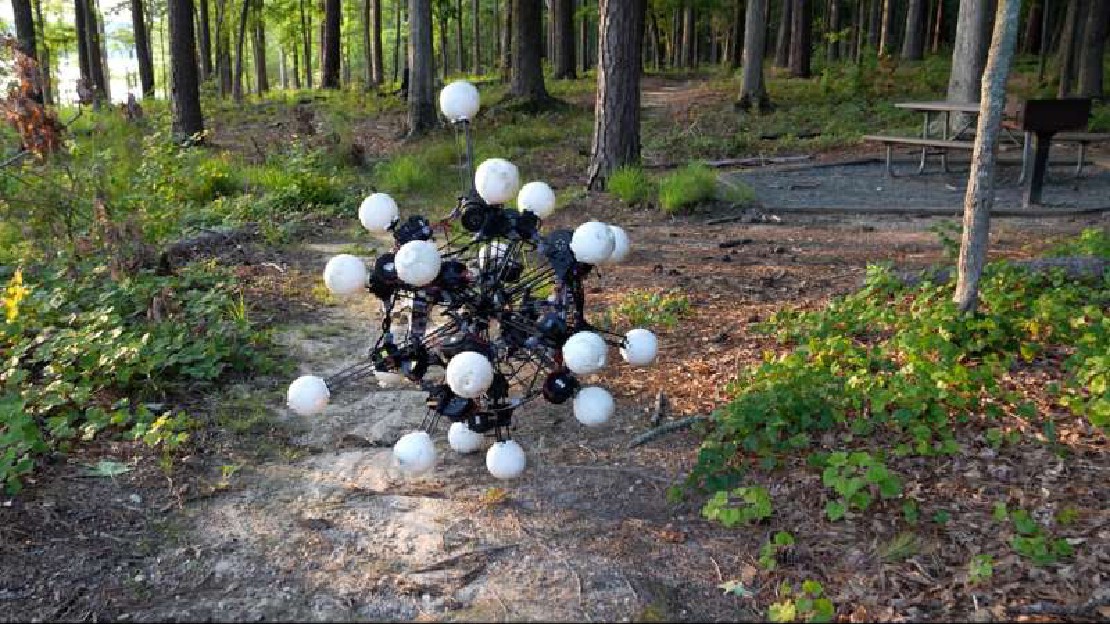
Duke University researchers have demonstrated Argus, a 20-legged robot whose sea-urchin-like body gives it near-uniform motion and perception in every direction.
29-May-2026
Read more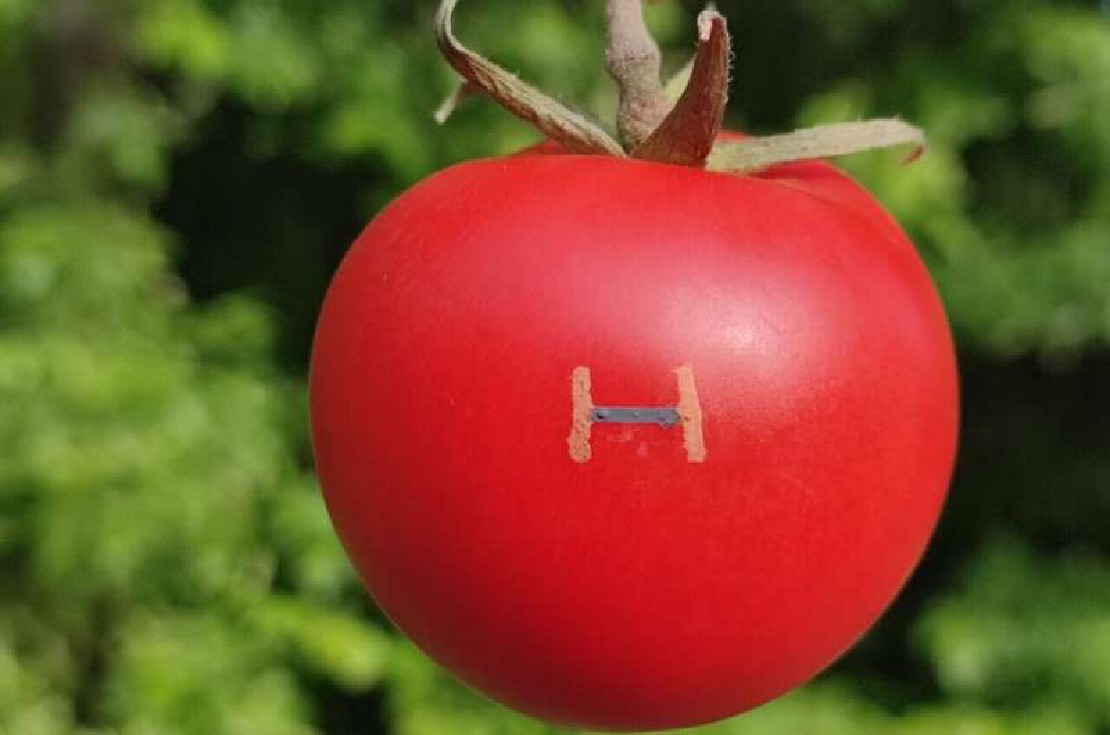
Researchers have developed printed magnetic sensors made from naturally sourced and lower-toxicity materials including iron, iron oxide, cellulose, and starch.
29-May-2026
Read more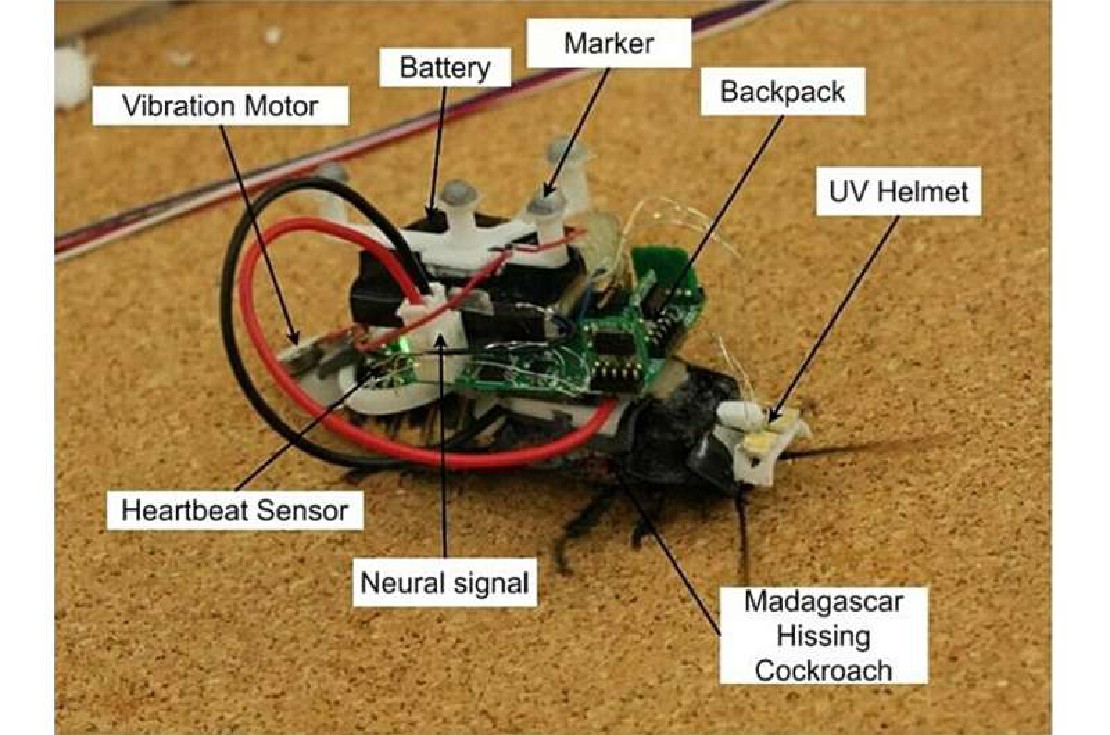
Researchers at the University of Osaka and collaborators have developed a cyborg insect system that reads heartbeat activity, neural signal features, and body movement from cockroaches.
29-May-2026
Read more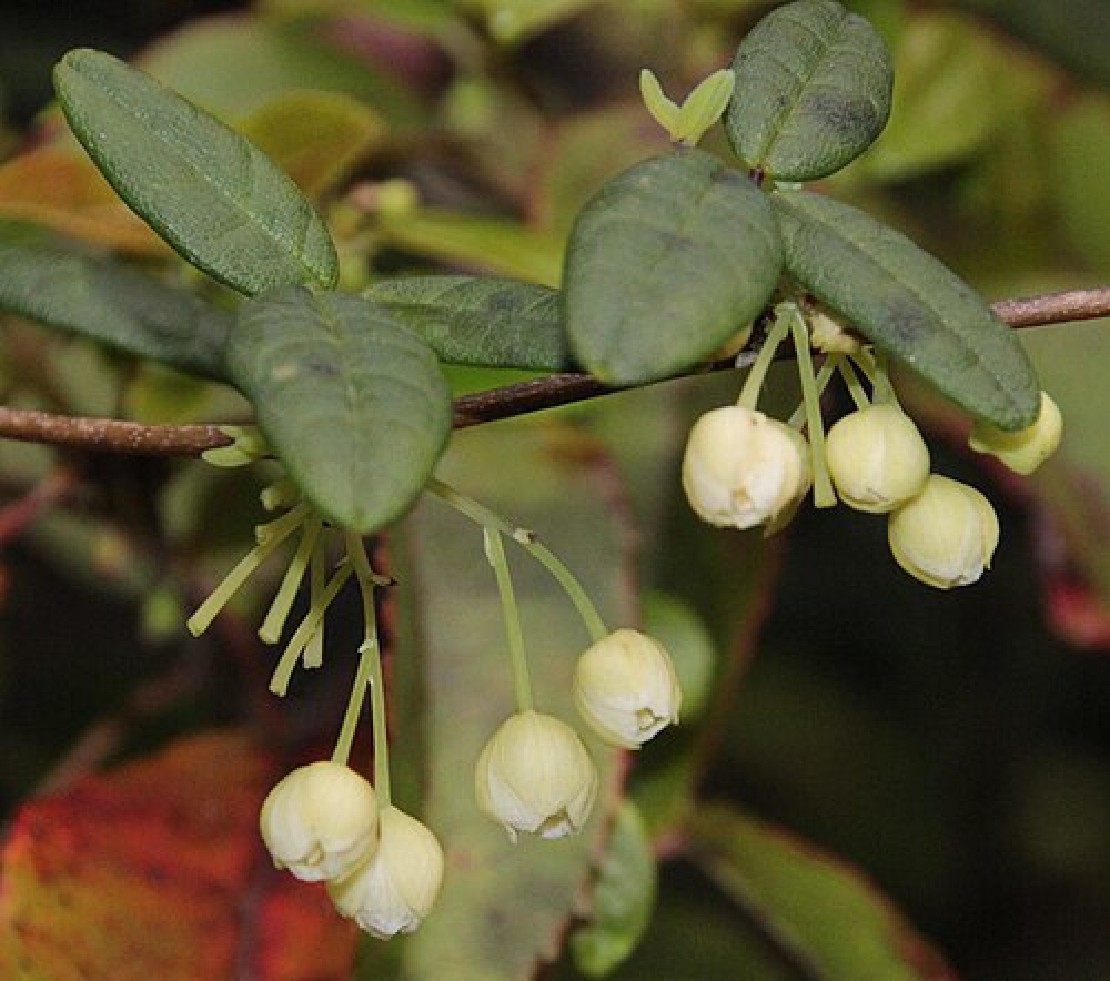
This is biomimicry by a plant, and it just shows that nothing humans create will come close to the rich and bizarre natural world.
23-May-2026
Read more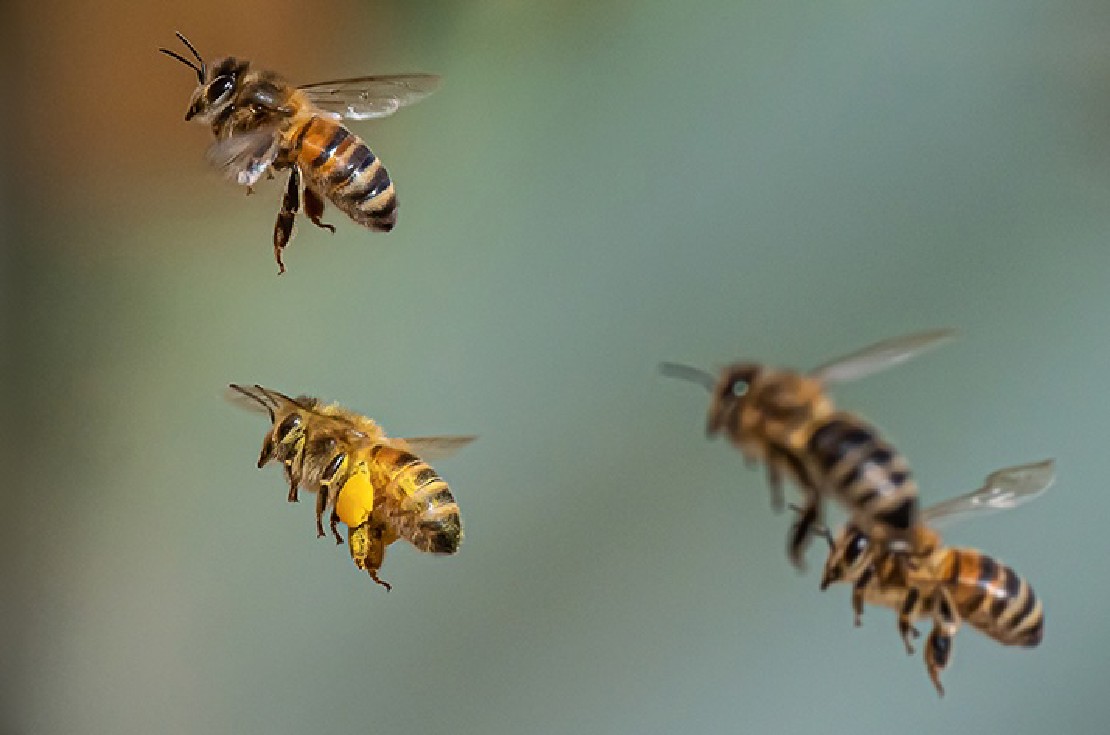
Researchers demonstrated a lightweight navigation system inspired by honeybee learning flights that allows small drones to return home using compact visual memories rather than large-scale mapping systems.
21-May-2026
Read more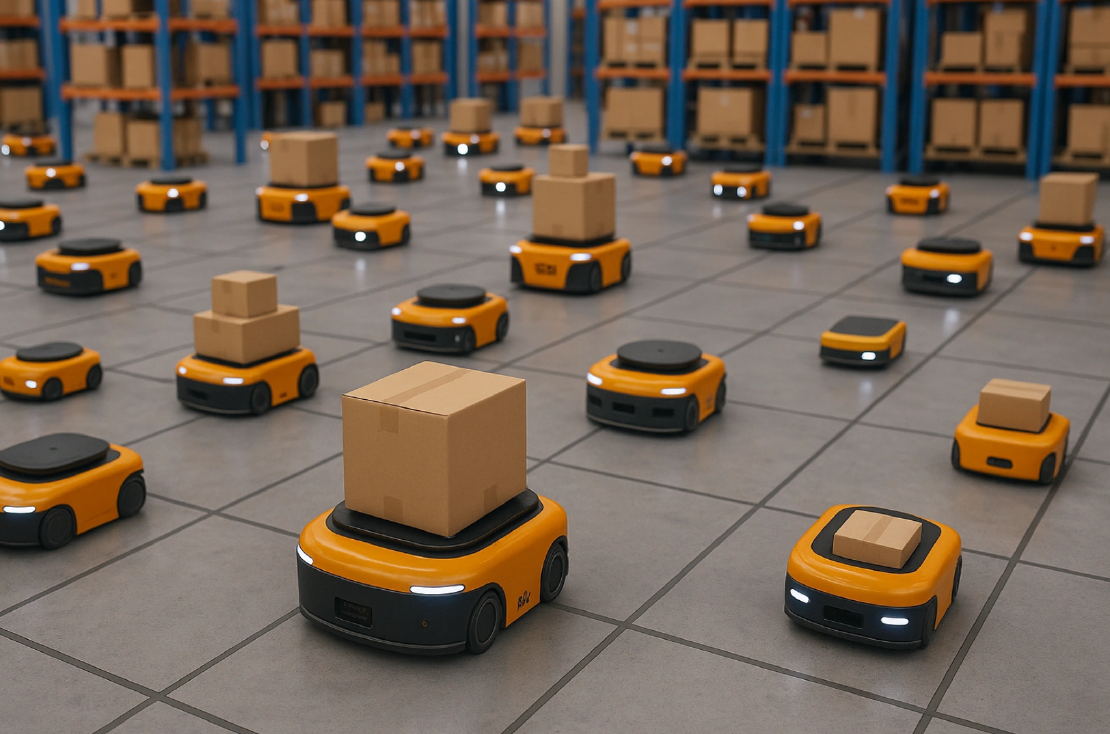
The system uses decentralized coordination and local signaling inspired by ant colony task allocation to distribute warehouse-picking workloads dynamically across autonomous robots.
19-May-2026
Read more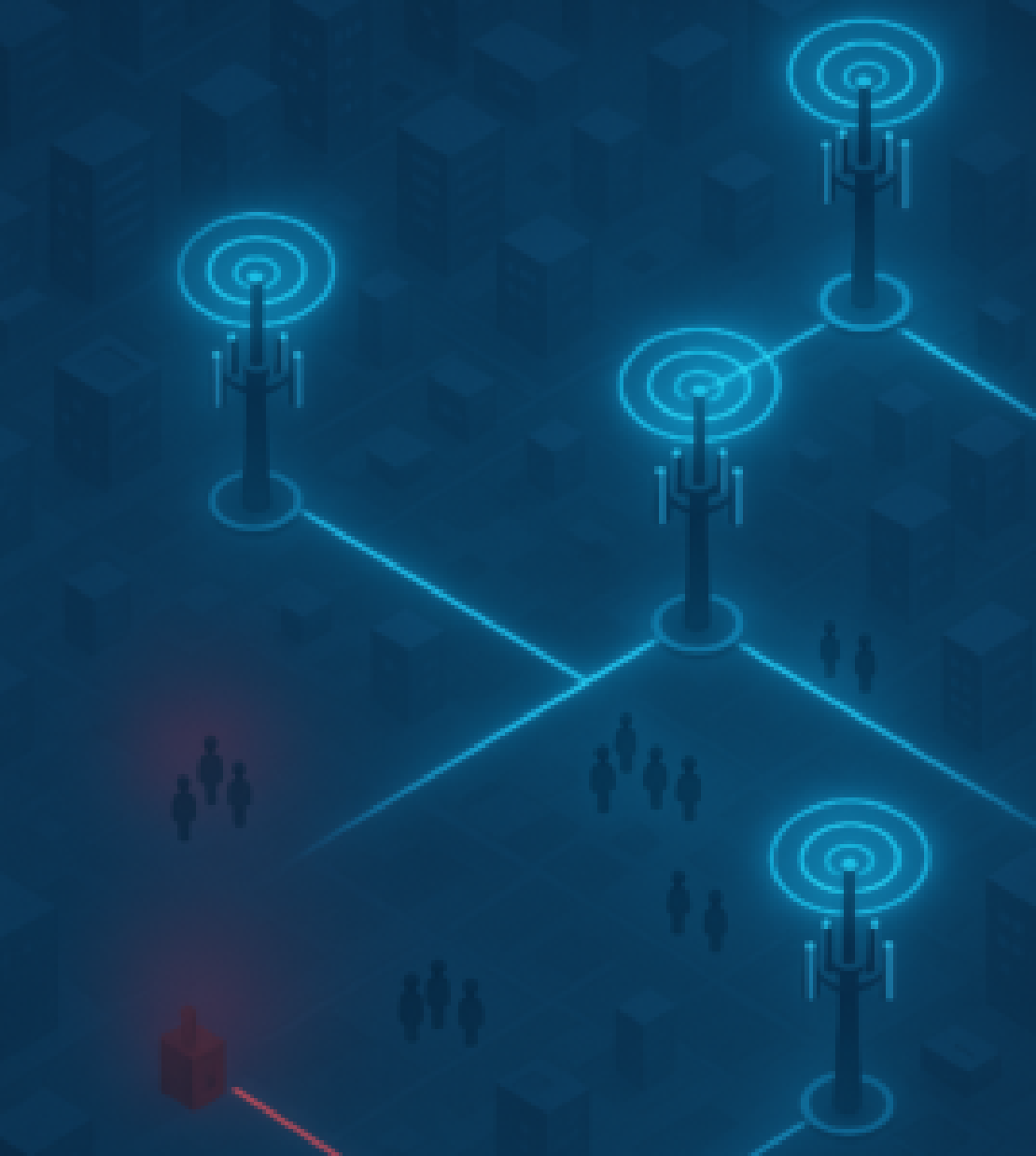
The consortium demonstrated distributed telecom routing methods based on pheromone-style path reinforcement and stigmergy.
19-May-2026
Read more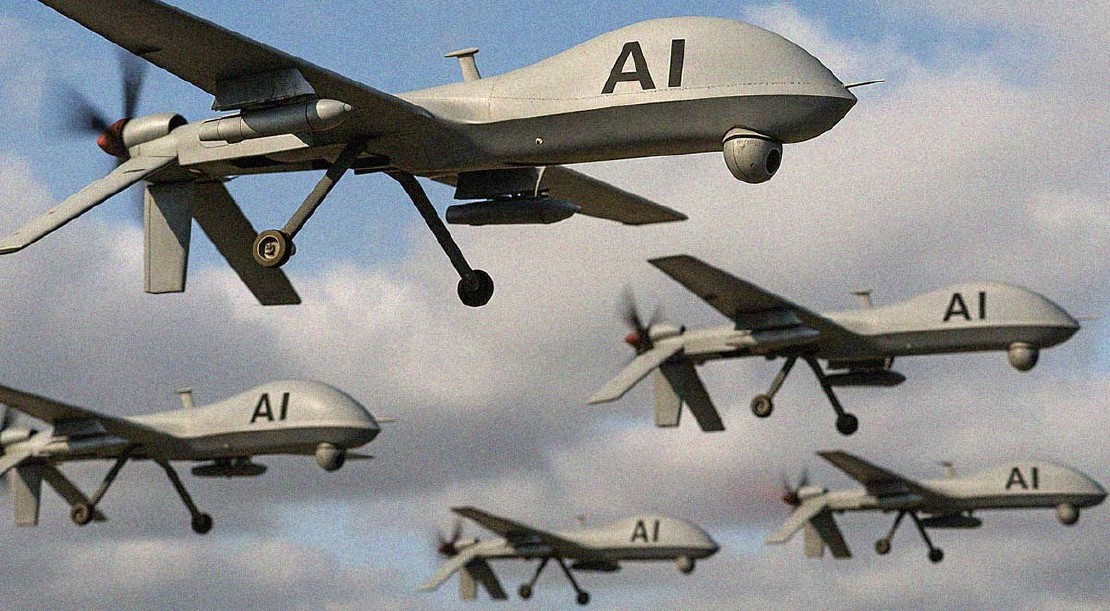
The advanced capabilities of AI-based navigation in military drones mean they will no longer require human training. They will rely on near-instantaneous sensor data from cameras, LiDAR, and radar to identify obstacles that will inform their future navigation, such as mountains, structures, and other aircraft.
19-May-2026
Read more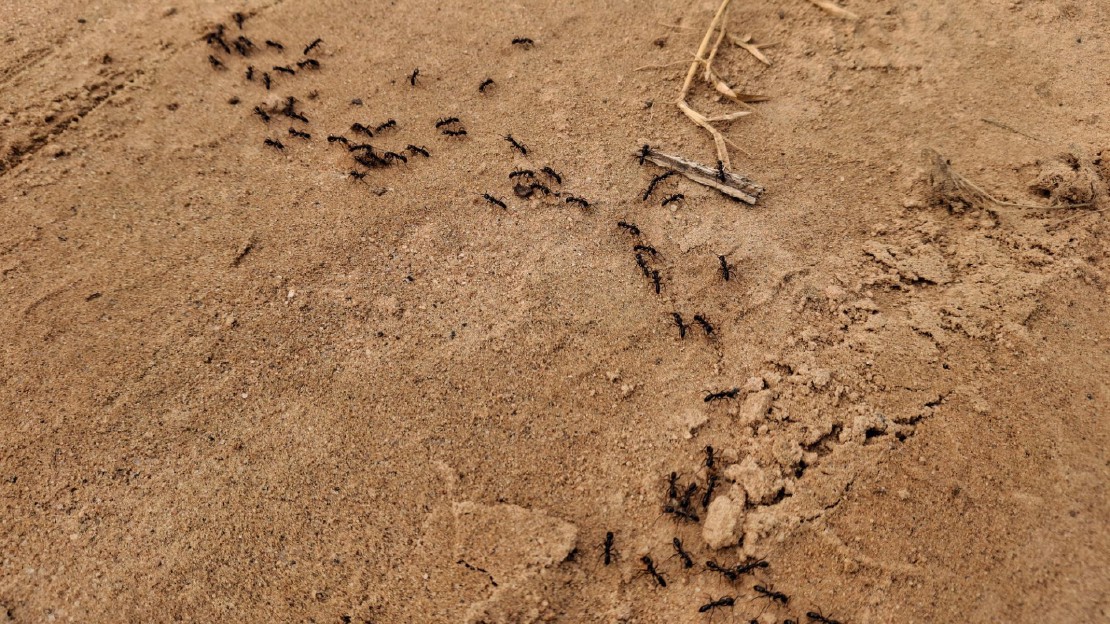
Bosch researchers developed a decentralized collaborative mapping system inspired by ant pheromone trails and swarm intelligence.
18-May-2026
Read more