Cellular Automata
In part one of this series, we looked at a simple example of cellular automata in the form of the Game of Life.
View seriesSoftware, Rewilded.
In part one of this series, we looked at a simple example of cellular automata in the form of the Game of Life. But these constructs existed before Conway in 1970. Software has been able to reproduce itself for decades. In 1988, the Morris worm spread autonomously through about 6,000 of the roughly 60,000 computers then connected to the Internet, causing widespread disruption.
27-Sep-2026
Read more
In part one of this series, we looked at a simple example of cellular automata in the form of the Game of Life.
View seriesPart 4: The dangling conversation In the previous article, we saw bacterial populations defend themselves collectively. Cyanobacteria formed protective flocs, while dying E.
View series(See the original demos announcement at the link). We have added more algorithms to the website to try out and tweak.
View series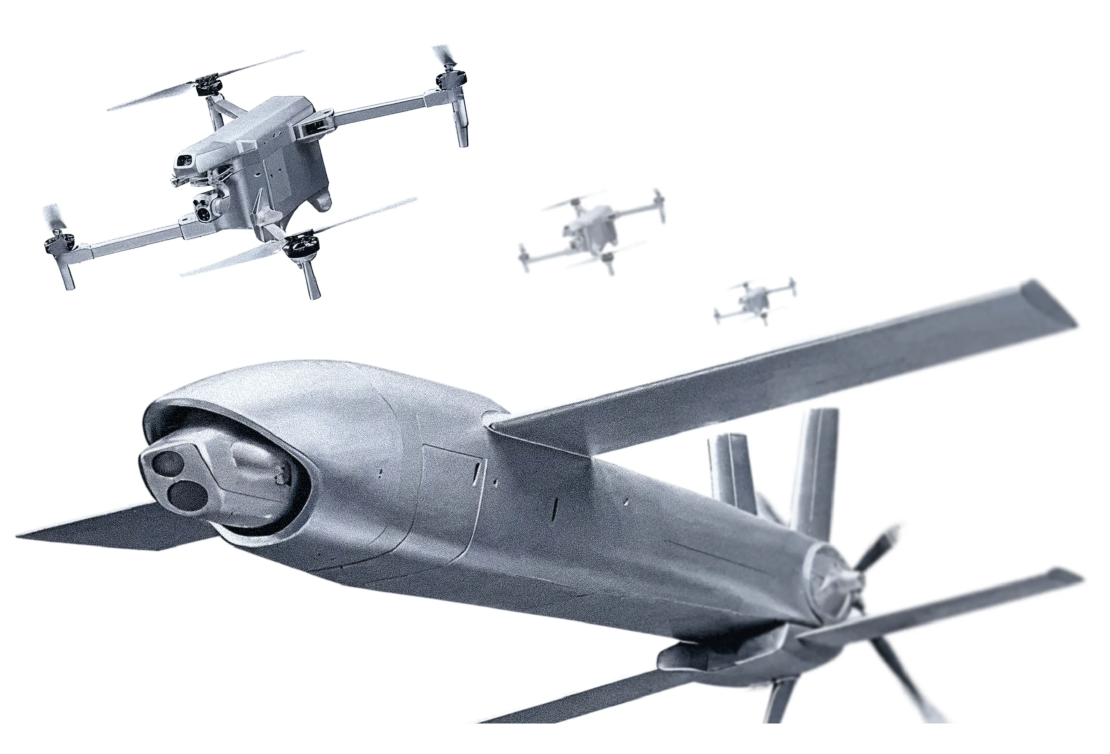
This UK defence programme targets software-defined swarms with both simulation and live-flight trials.
18-May-2026
Read more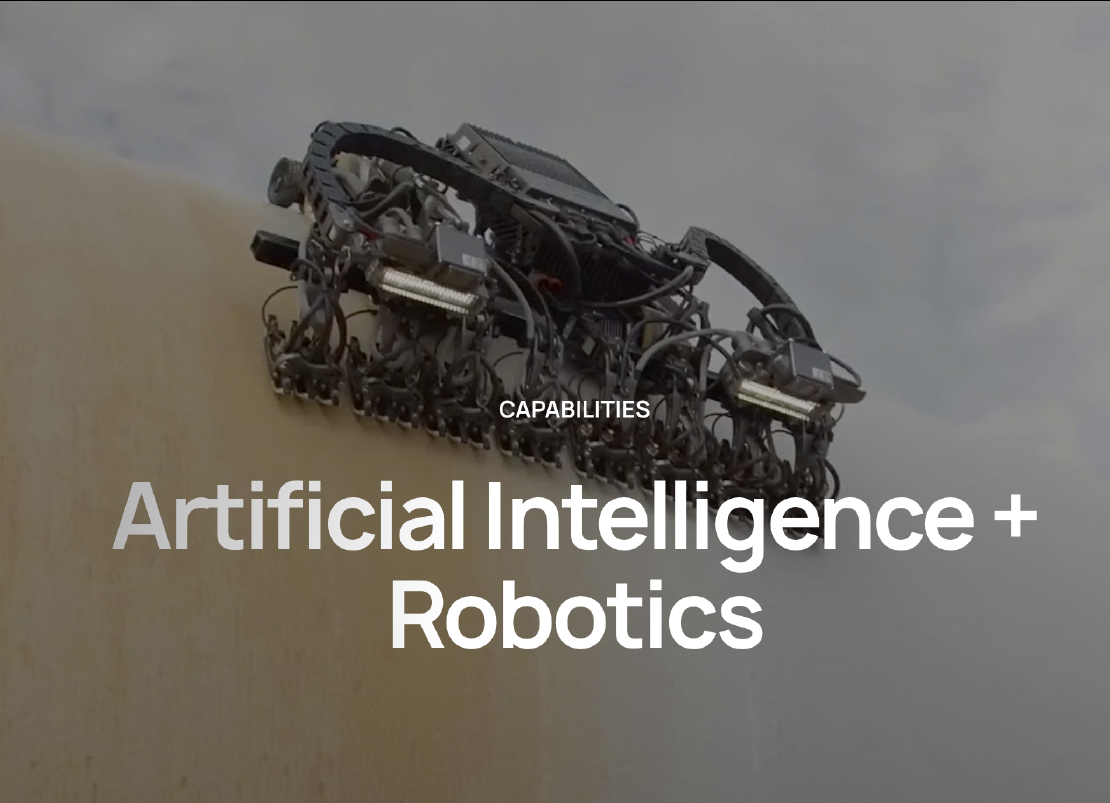
Gecko is interesting because it is not a humanoid-robotics hype company. It is a very applied “robots + sensors + asset data” company aimed at boring but valuable infrastructure problems: corrosion, wall thinning, cracking, maintenance scheduling, shutdown reduction, and safety. The robot is the data-gathering wedge; the defensible product may be the accumulated infrastructure data layer and decision platform.
13-May-2026
Read more
Researchers from SUPSI and ETH Zurich developed a firefly-inspired visible-light communication system for nano-drone swarms using LEDs and convolutional neural networks for message decoding. The system is designed to support lightweight coordination between very small drones where radio systems may be impractical.
13-May-2026
Read more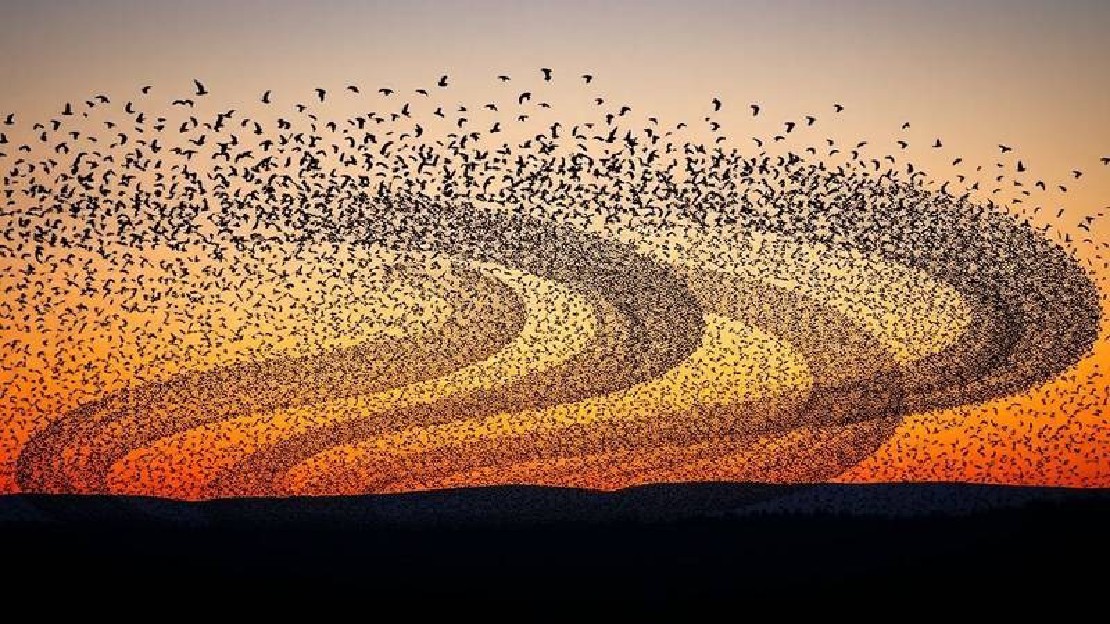
A new industry commentary argues that swarm robotics is transitioning from controlled demonstrations into real operational deployment across defence and industrial environments. The article points to increasing procurement activity and growing interest in resilient decentralized coordination architectures inspired by biological collectives.
11-May-2026
Read more
While the new AI companies have focussed on LLMs, Google has been spinning off projects from Demis Hassabis’ DeepMind, in AlphaGo, AlphaEvolve, and the Noble prize-winning AlphaFold. There are others, including DolphinGemma.
09-May-2026
Read more
Researchers at the University of Hong Kong demonstrated small snail-inspired modular robots that can physically attach to one another using suction-based coupling. Individually the robots move slowly and independently, but collectively they can form larger manipulators, climb obstacles, and reorganize into task-specific structures.
09-May-2026
Read more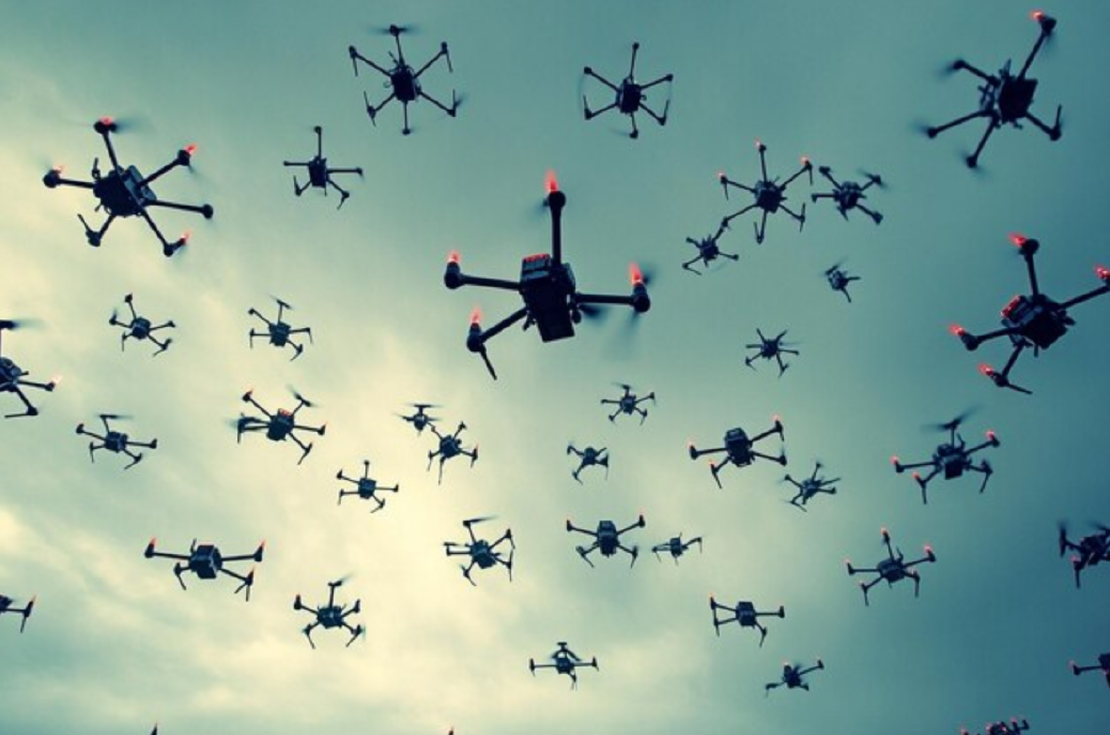
A recent patent landscape analysis highlights how biologically inspired swarm coordination methods are being displaced in some military and industrial drone systems by multi-agent reinforcement learning, while still influencing routing, resilience, and distributed control architectures. The report focuses on commercially defensible IP around heterogeneous autonomous swarms combining aerial drones, ground robots, and satellite systems.
09-May-2026
Read more