Cellular Automata
In part one of this series, we looked at a simple example of cellular automata in the form of the Game of Life.
View seriesSoftware, Rewilded.
In part one of this series, we looked at a simple example of cellular automata in the form of the Game of Life. But these constructs existed before Conway in 1970. Software has been able to reproduce itself for decades. In 1988, the Morris worm spread autonomously through about 6,000 of the roughly 60,000 computers then connected to the Internet, causing widespread disruption.
27-Sep-2026
Read more
In part one of this series, we looked at a simple example of cellular automata in the form of the Game of Life.
View seriesPart 4: The dangling conversation In the previous article, we saw bacterial populations defend themselves collectively. Cyanobacteria formed protective flocs, while dying E.
View series(See the original demos announcement at the link). We have added more algorithms to the website to try out and tweak.
View series
Interspecies communication networks about threats can shape animal communities, as many species produce alarm calls while eavesdropping on those of others, resulting in information flow crossing ecological niches and taxonomic boundaries. Some species contribute disproportionately to these networks by being particularly vigilant, accurate in predator detection, and consistent in alarm call production.
09-May-2026
Read more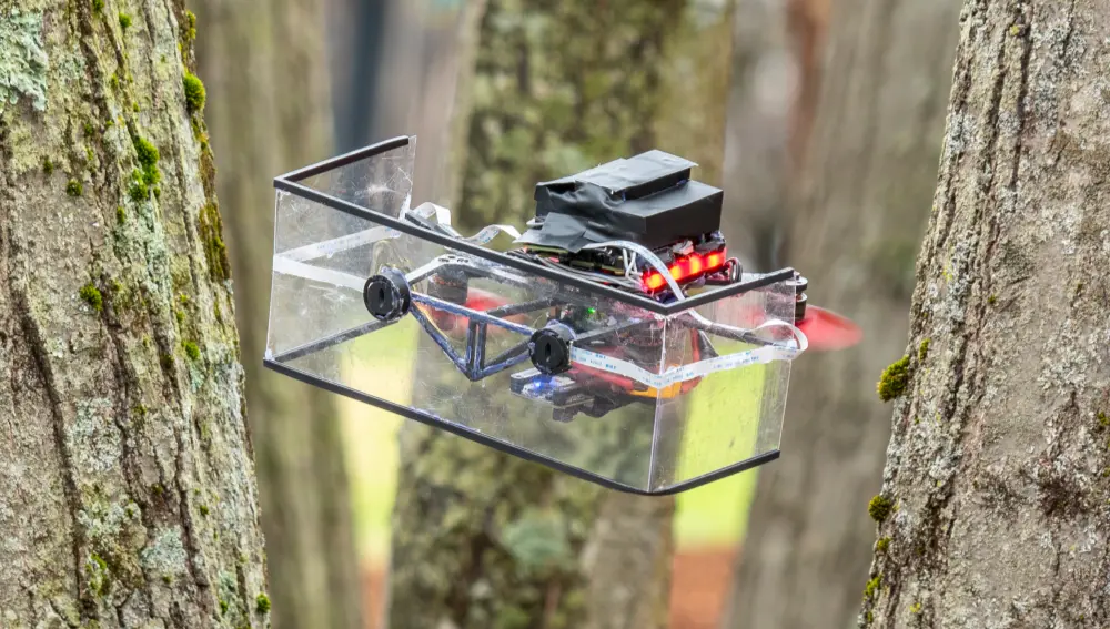
Worcester Polytechnic Institute researchers developed a bat-inspired sensing and navigation system that allows palm-sized drones to move through smoke, fog, and visually degraded environments using ultrasound and lightweight onboard AI. The approach mimics echolocation strategies used by bats rather than relying on heavy lidar or camera stacks.
09-May-2026
Read more
A drone coordination stack using stigmergy-inspired signaling enables distributed inspection coverage across large industrial assets. Each drone adapts locally to coverage gaps and environmental conditions without centralized orchestration.
08-May-2026
Read more
Robot swarms are beginning to shift from pre-programmed coordination toward AI-enabled collective autonomy, allowing groups of machines to adapt dynamically without centralized control. The approach mirrors biological swarm organization and collective decision-making.
07-May-2026
Read more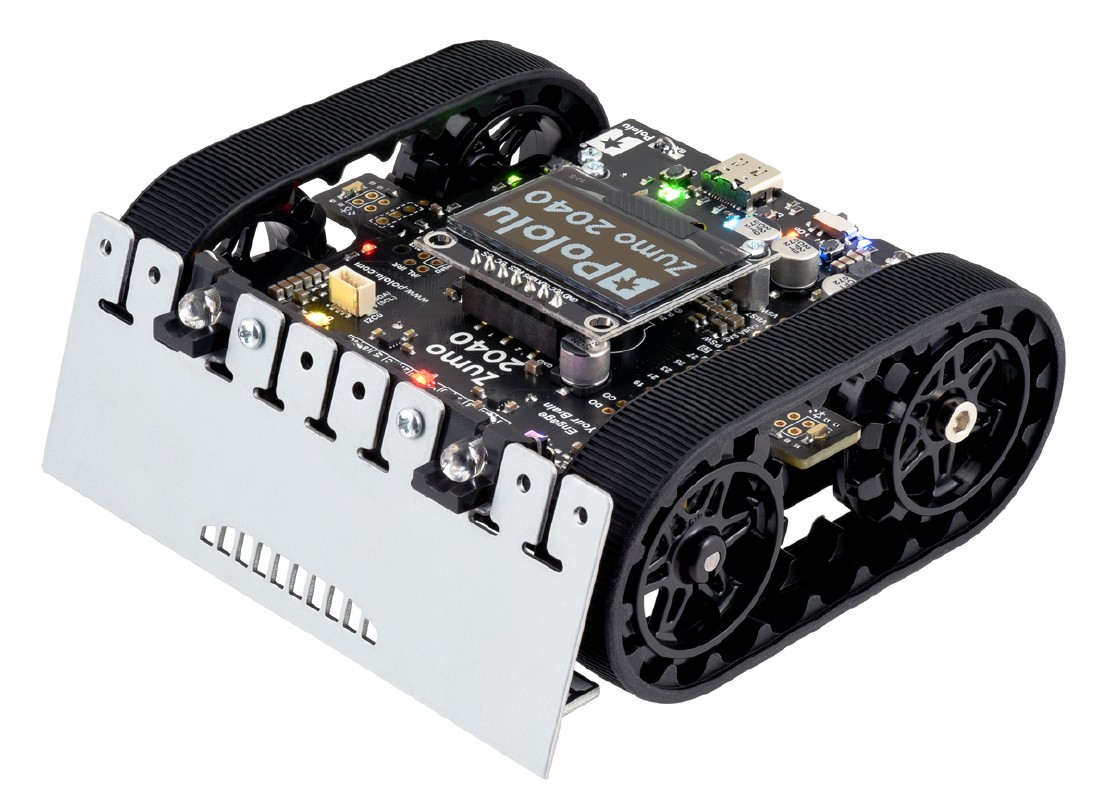
Researchers evaluated ant-inspired robotic coordination strategies for autonomous mining operations, including distributed task allocation and tandem partitioning approaches. The work focuses on improving efficiency and resilience in hazardous industrial environments. Three swarm robotic strategies are explored for mine automation: Baseline (immediate return), Ant (tandem partitioning) and Honeybee (memory-retrieval), implemented on the Pololu Zumo 2040 robot platform.
07-May-2026
Read more
The Biomimicry Institute has launched a new podcast exploring how biological strategies are translated into engineering and design applications. The series highlights practical pathways from natural systems to real-world technologies.
06-May-2026
Read more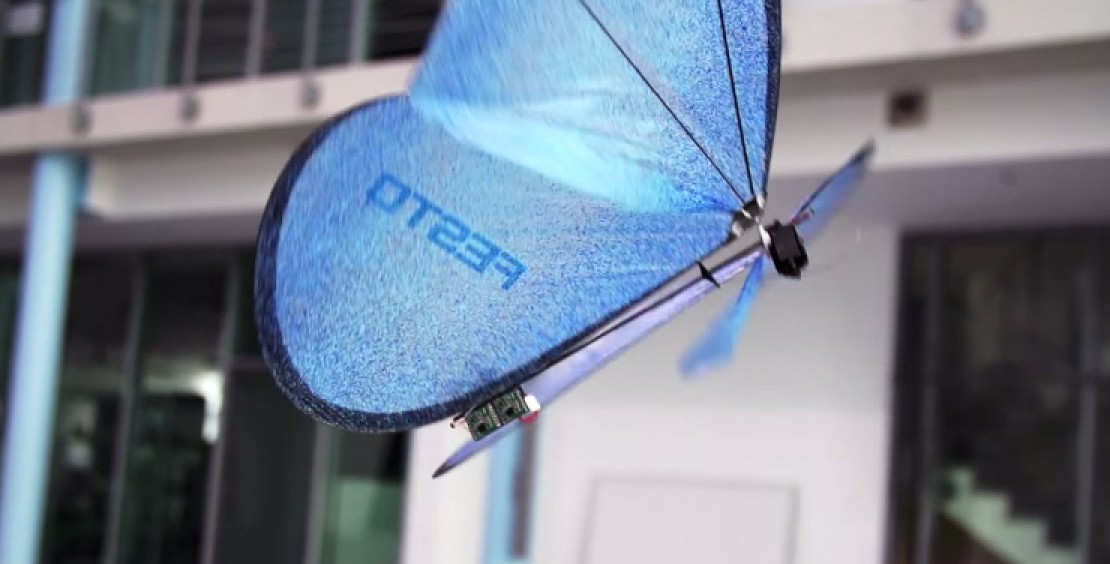
A lightweight butterfly-inspired robot achieves fully autonomous flapping-wing flight using bio-inspired control of wing motion and body dynamics. The system operates without tails or external stabilization.
04-May-2026
Read more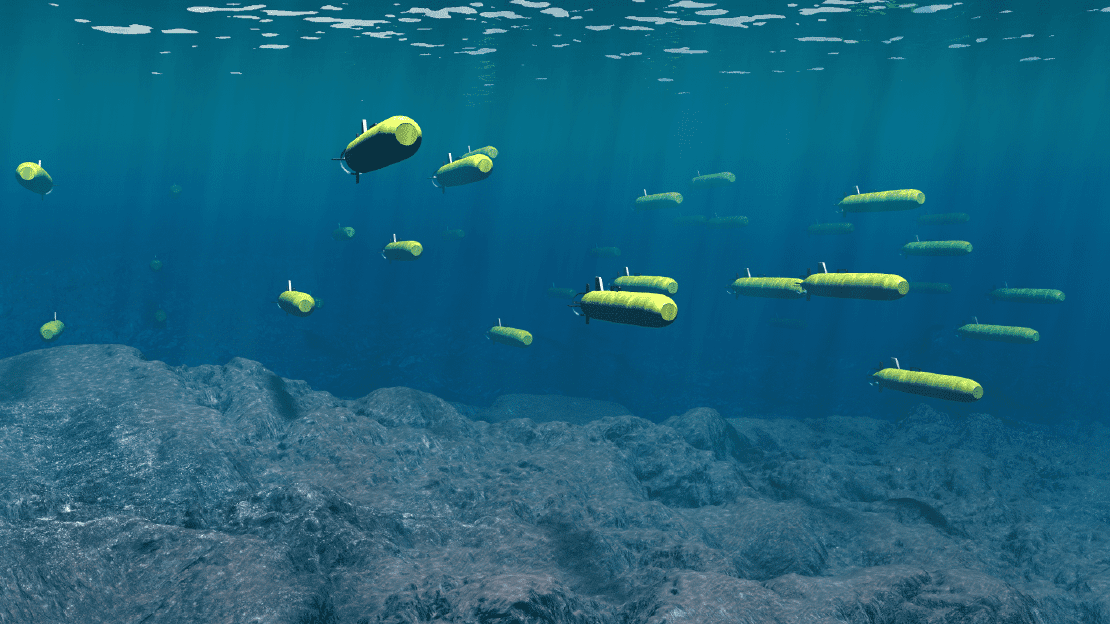
Recent patent analysis shows autonomous underwater systems rapidly evolving toward coordinated swarms and cross-domain teams combining aerial, surface, and underwater vehicles. These systems emphasize distributed sensing, communication, and adaptive task allocation.
03-May-2026
Read more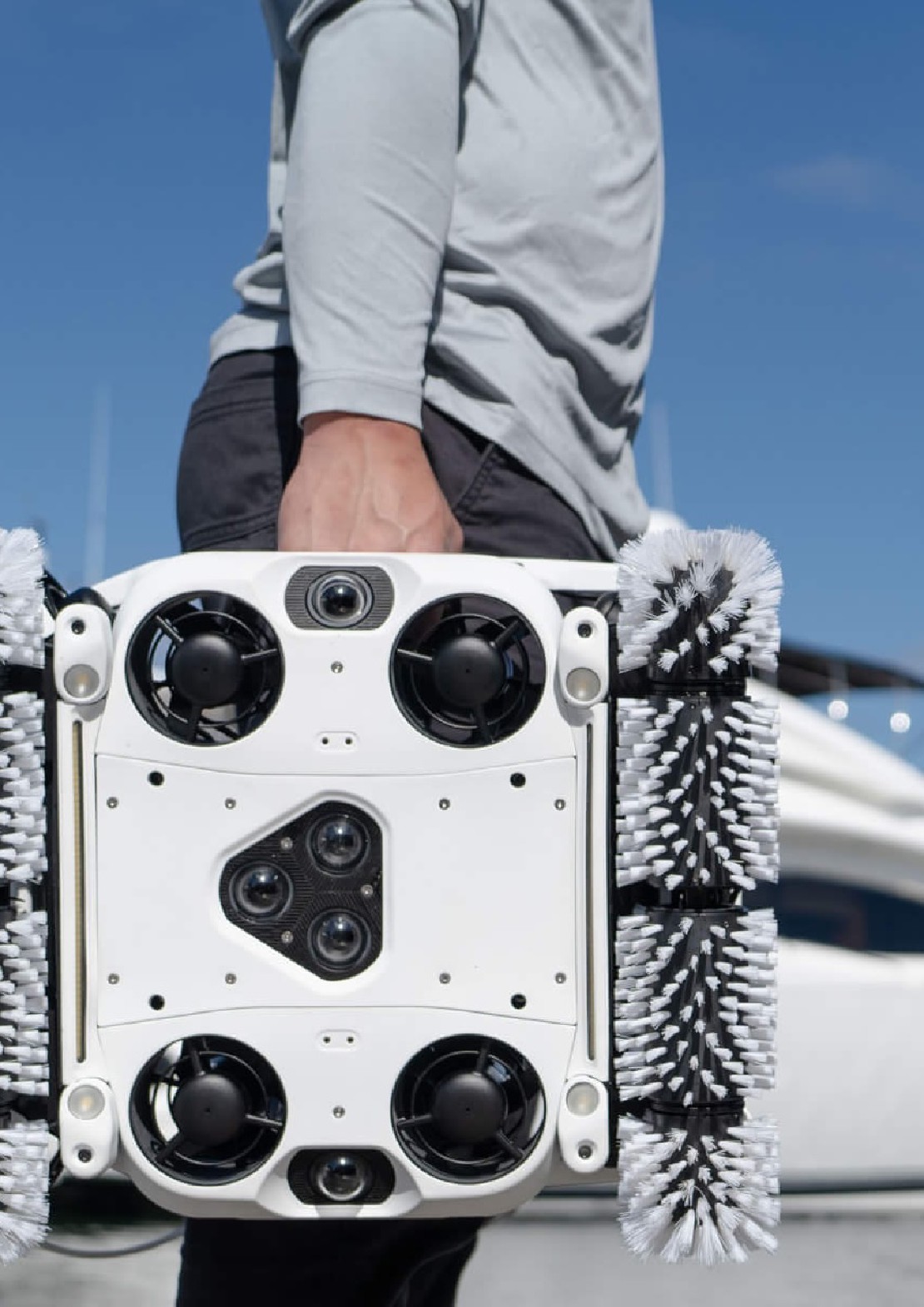
Hullbot’s autonomous in-water hull-cleaning system was recognised by Good Design Australia as a commercial and industrial product for 2025. The robot is designed for scheduled hull maintenance without drydocking, reducing biofouling-related drag while avoiding manual diver exposure and toxic anti-fouling practices.
26-Apr-2026
Read more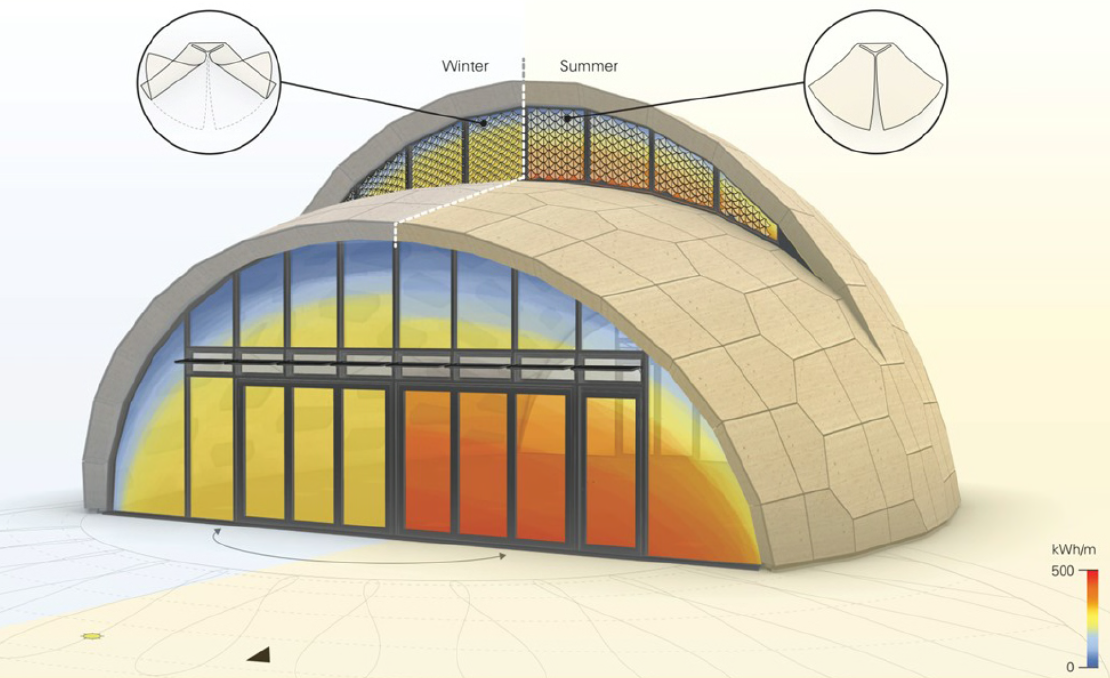
A Springer Nature Research Communities article describes a plant-inspired adaptive façade using hygromorphic, biobased 4D-printed materials that change shape in response to weather. Inspired by pine cone scales, the system was installed on the liv MatS Biomimetic Shell in Freiburg as an autonomous shading system that does not require electrical operating energy.
26-Apr-2026
Read more