Cellular Automata
In part one of this series, we looked at a simple example of cellular automata in the form of the Game of Life.
View seriesSoftware, Rewilded.
In part one of this series, we looked at a simple example of cellular automata in the form of the Game of Life. But these constructs existed before Conway in 1970. Software has been able to reproduce itself for decades. In 1988, the Morris worm spread autonomously through about 6,000 of the roughly 60,000 computers then connected to the Internet, causing widespread disruption.
27-Sep-2026
Read more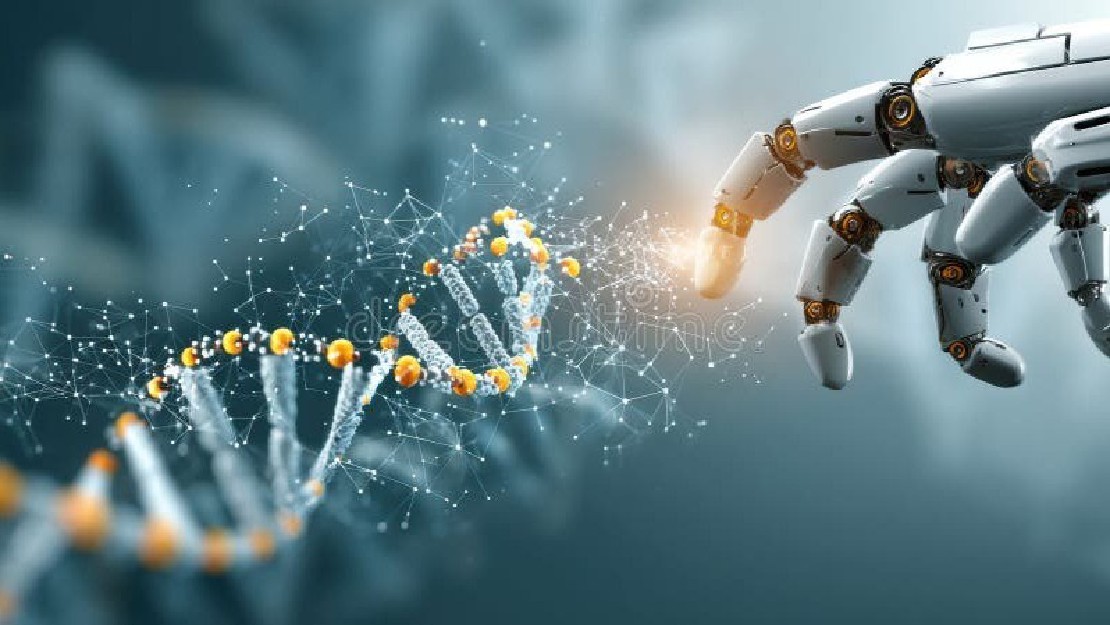
In part one of this series, we looked at a simple example of cellular automata in the form of the Game of Life.
View seriesPart 4: The dangling conversation In the previous article, we saw bacterial populations defend themselves collectively. Cyanobacteria formed protective flocs, while dying E.
View series(See the original demos announcement at the link). We have added more algorithms to the website to try out and tweak.
View series
Researchers built modular “SGbots” that communicate locally and collectively adjust their shape—blooming or retracting—to regulate sunlight in real-world window tests.
04-Apr-2026
Read more
Georgia Tech researchers developed swarms of simple robotic particles that coordinate and self-organize without electronics, software, or sensing, relying entirely on physical design and local interactions.
04-Apr-2026
Read more
By encoding interaction rules directly into physical structure, researchers showed that coordinated group behavior can emerge without digital control, sensors, or centralized systems.
04-Apr-2026
Read more
Researchers at Tufts University have developed a biomimetic coating that changes color when struck, revealing both the location and approximate strength of an impact without needing embedded electronics. Built using silk-protein shells, the material points to a practical new class of low-cost sensing surfaces for helmets, footwear, ropes, cables, vehicles, packaging, and other equipment.
03-Apr-2026
Read more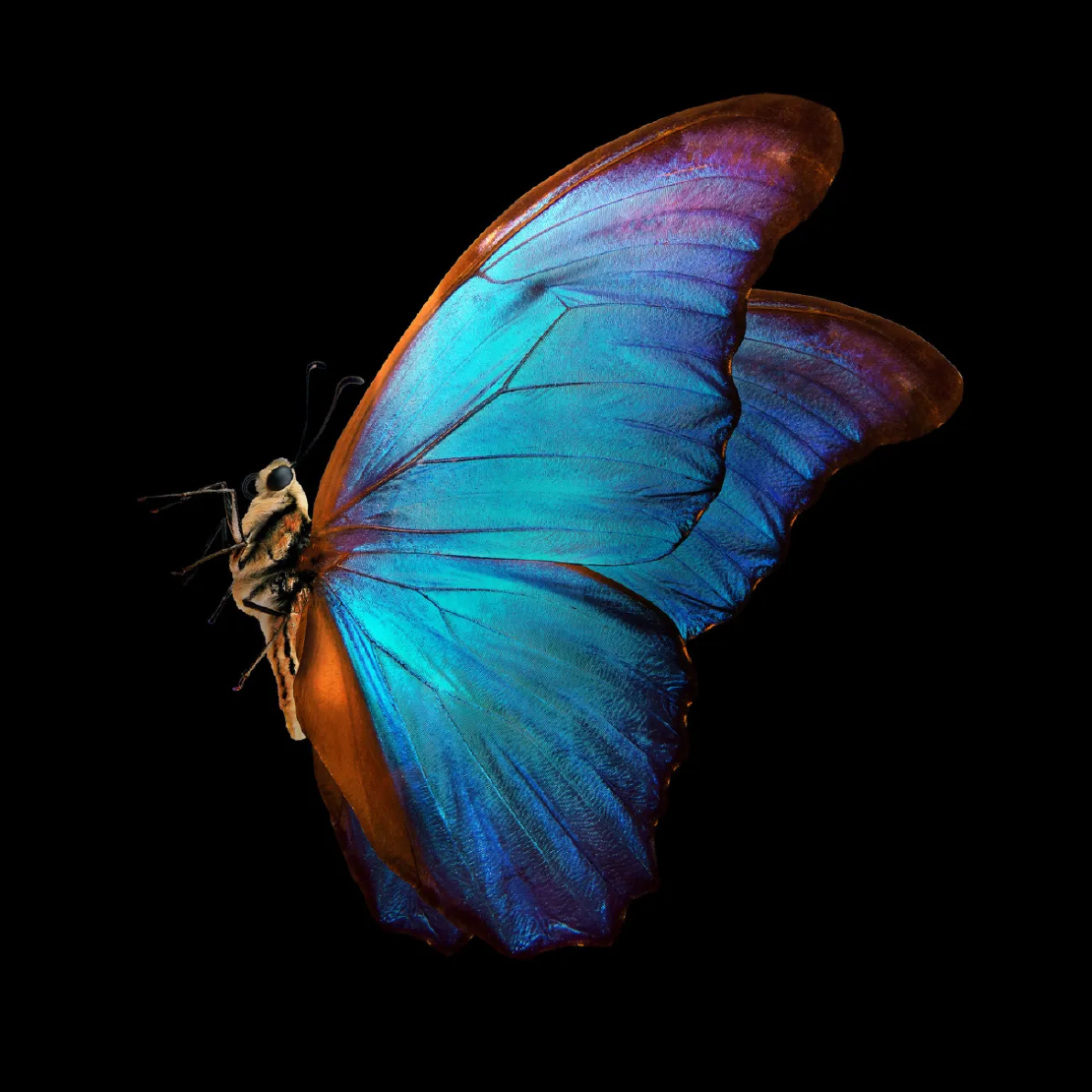
Sparxell is on a mission to revolutionise the world of industrial colourants. Its patented technology uses cellulose from wood pulp to create structural colour – the same principle that creates iridescent butterfly wings – eliminating petroleum-based chemicals, titanium dioxide and toxic heavy metals and minerals. The textile industry alone releases 1.5 million tonnes of toxic synthetic dyes into waterways annually.
03-Apr-2026
Read more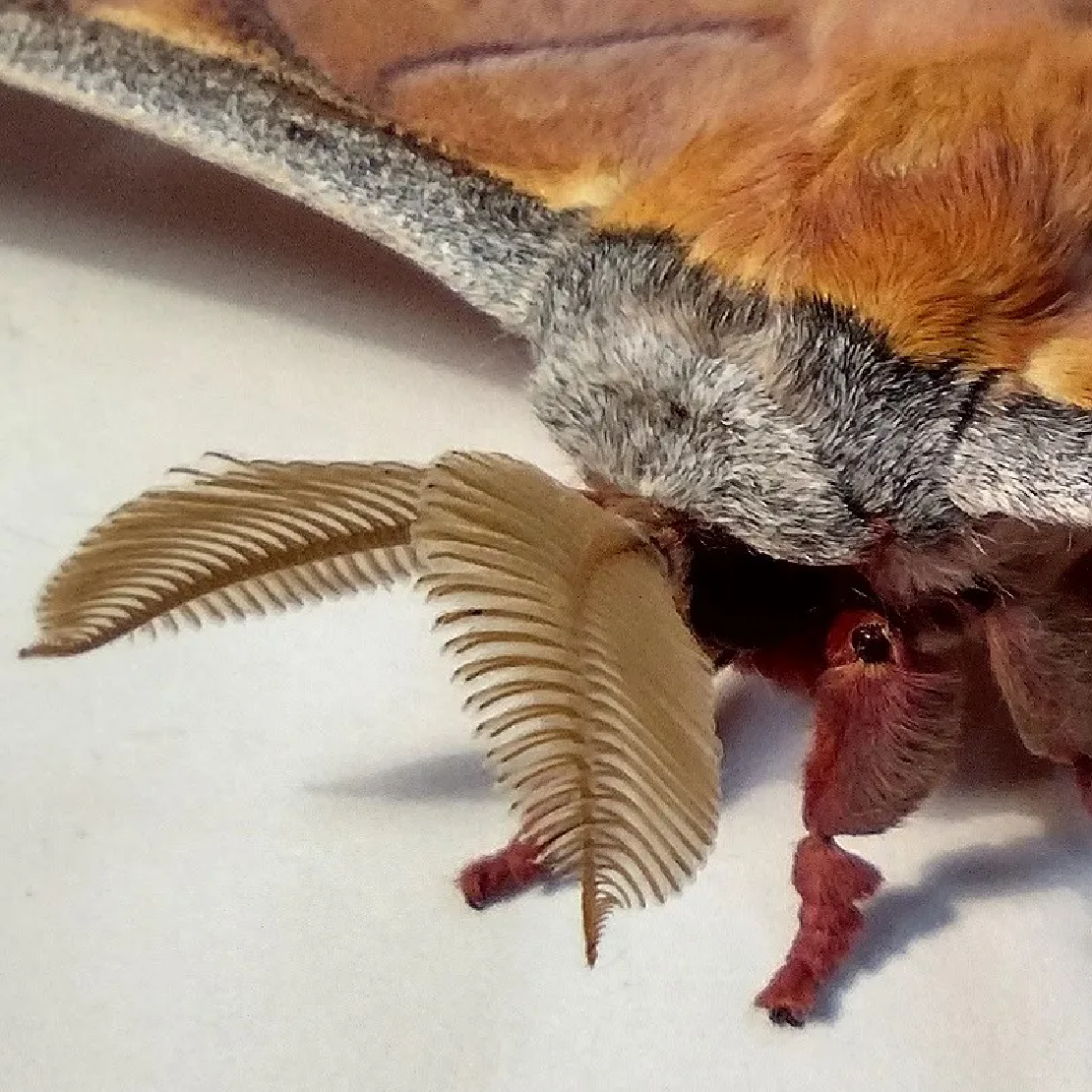
This moth-wing-inspired acoustic technology is a strong near-term applicability story because the biological idea is being turned into ultra-thin sound absorption for real interior environments. Wired reported that the work was expected to spin out as Attacus Acoustics in 2026, and the company is now presenting it as a commercial noise-control offering.
03-Apr-2026
Read more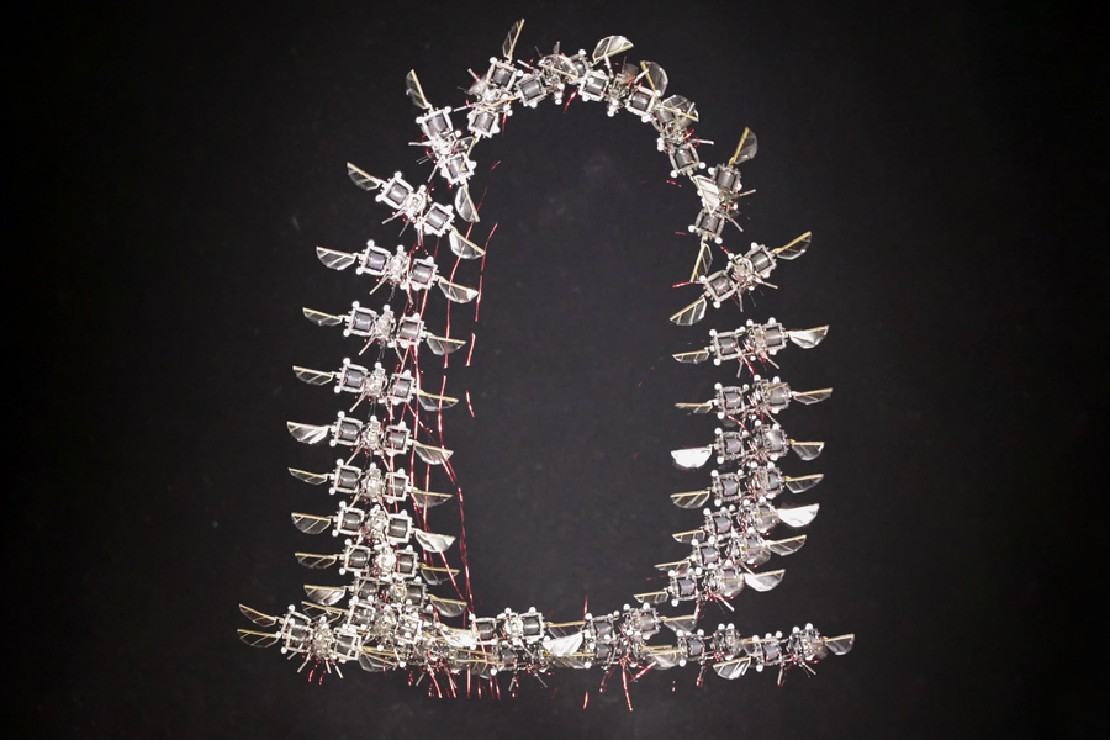
In the future, tiny flying robots could be deployed to aid in the search for survivors trapped beneath the rubble after a devastating earthquake. Like real insects, these robots could flit through tight spaces larger robots can’t reach, while simultaneously dodging stationary obstacles and pieces of falling rubble.
03-Apr-2026
Read more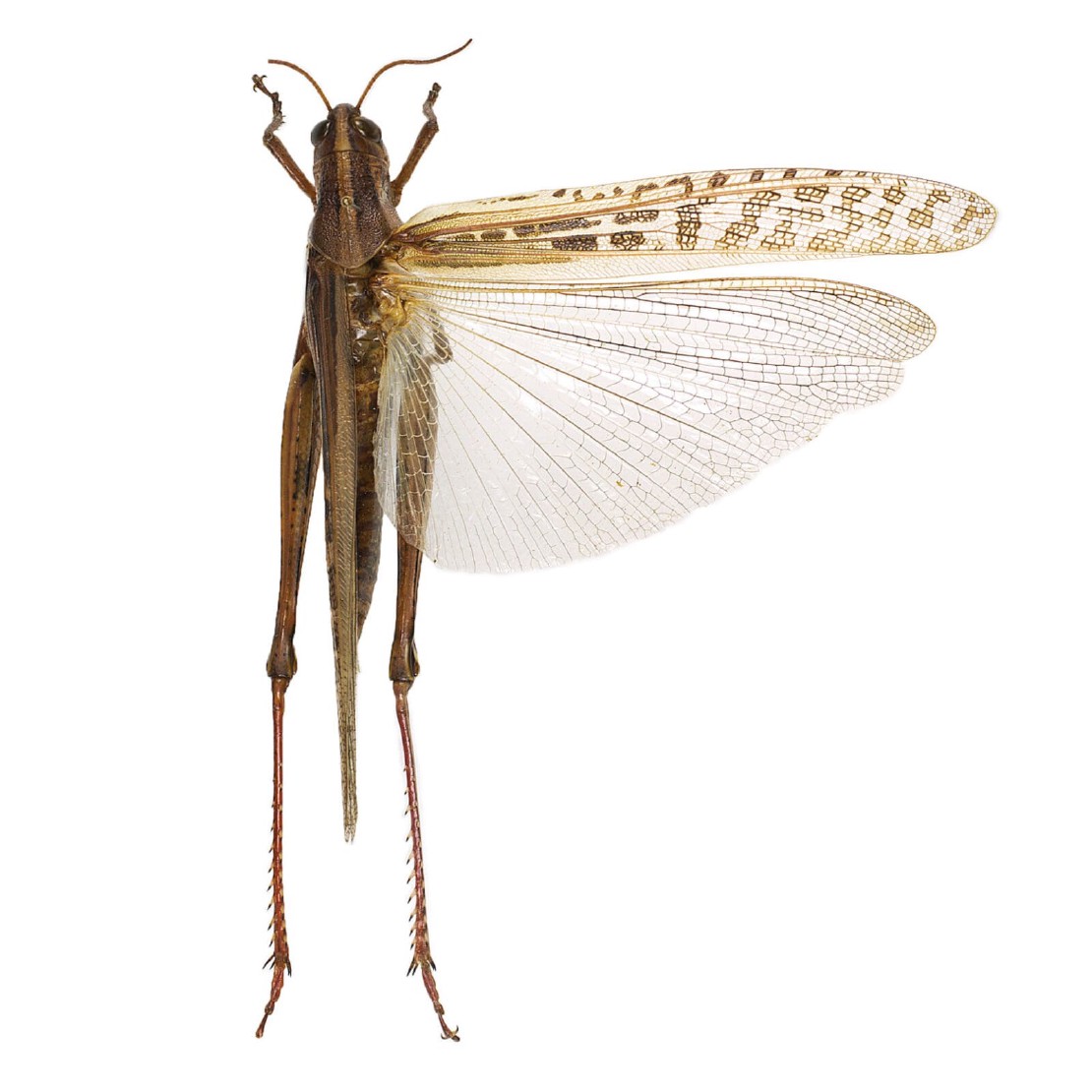
Grasshoppers may not spring to mind as paragons of graceful flight. But for a team of Princeton engineers, these gangly insects have inspired a new approach to robotic wings.
03-Apr-2026
Read more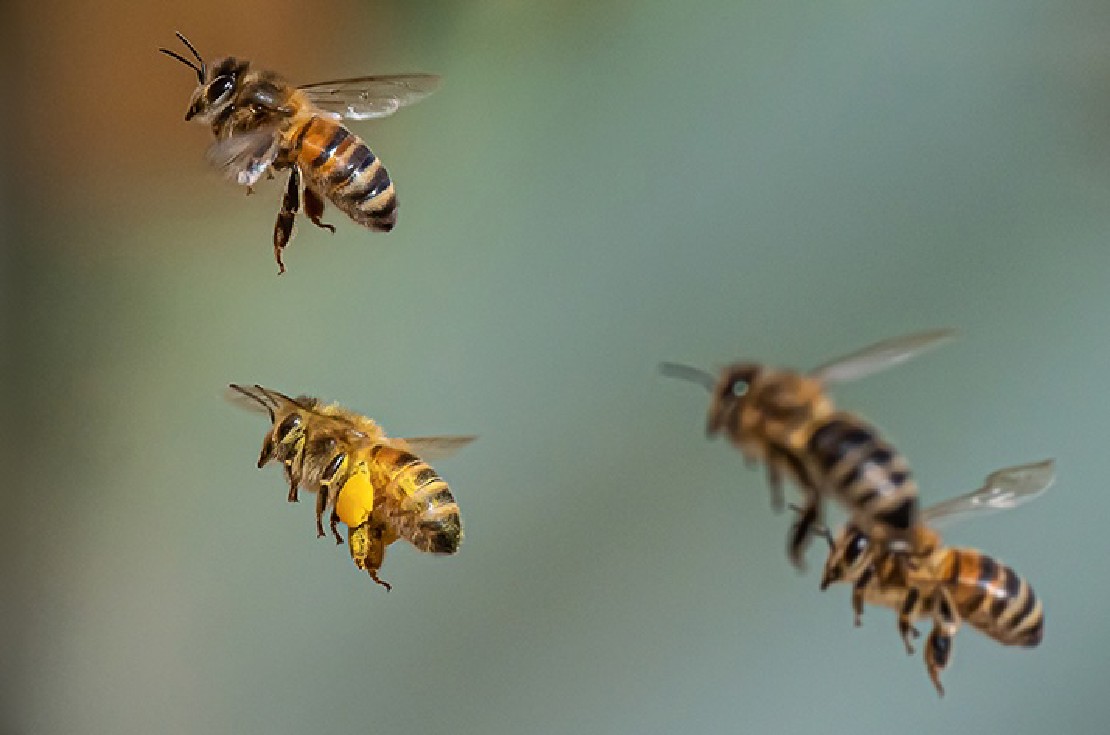
Bees navigate their surroundings with astonishing precision. Their brains are now inspiring the design of tiny, low-power chips that could one day guide miniature robots and sensors.
03-Apr-2026
Read more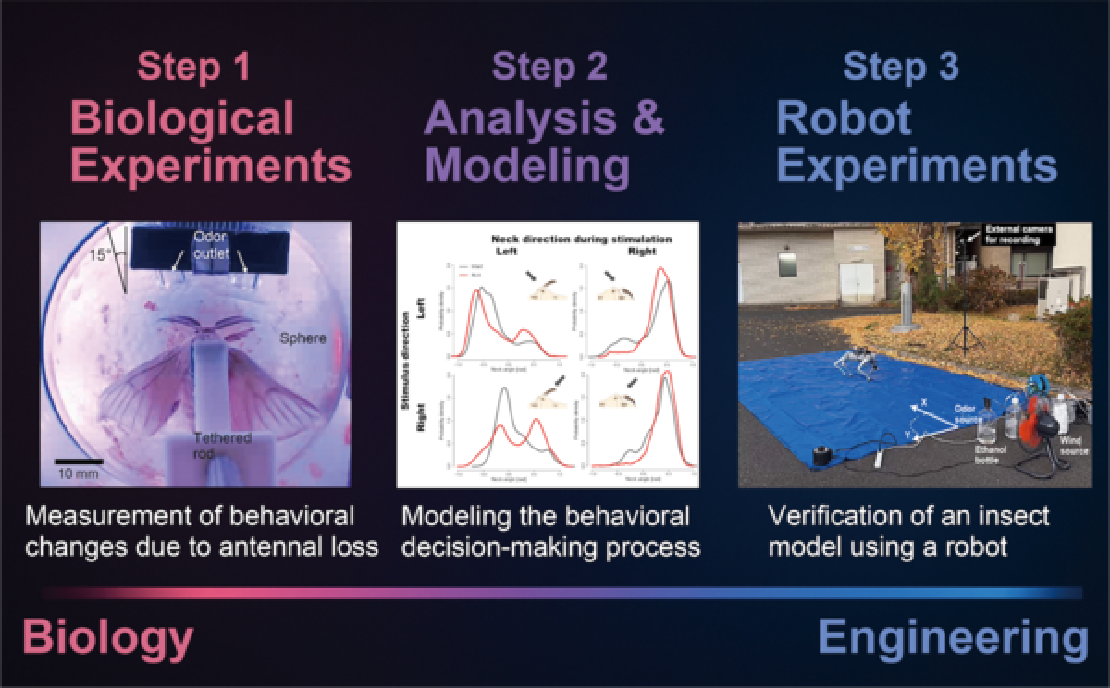
Researchers at Japan’s National Institute of Informatics and collaborators built an insect-inspired robot that can keep tracking an odor source even when one of its two odor sensors fails, by copying the adaptive behavior of silkmoths, which can still navigate with only one antenna. They tested the approach indoors and outdoors, and the robot reportedly maintained strong odor-localization performance despite sensor impairment, which is why the team highlights possible use in disaster response, hazardous-material detection, and environmental monitoring.
02-Apr-2026
Read more