Cellular Automata
In part one of this series, we looked at a simple example of cellular automata in the form of the Game of Life.
View seriesSoftware, Rewilded.
In part one of this series, we looked at a simple example of cellular automata in the form of the Game of Life. But these constructs existed before Conway in 1970. Software has been able to reproduce itself for decades. In 1988, the Morris worm spread autonomously through about 6,000 of the roughly 60,000 computers then connected to the Internet, causing widespread disruption.
27-Sep-2026
Read more
In part one of this series, we looked at a simple example of cellular automata in the form of the Game of Life.
View seriesPart 4: The dangling conversation In the previous article, we saw bacterial populations defend themselves collectively. Cyanobacteria formed protective flocs, while dying E.
View series(See the original demos announcement at the link). We have added more algorithms to the website to try out and tweak.
View series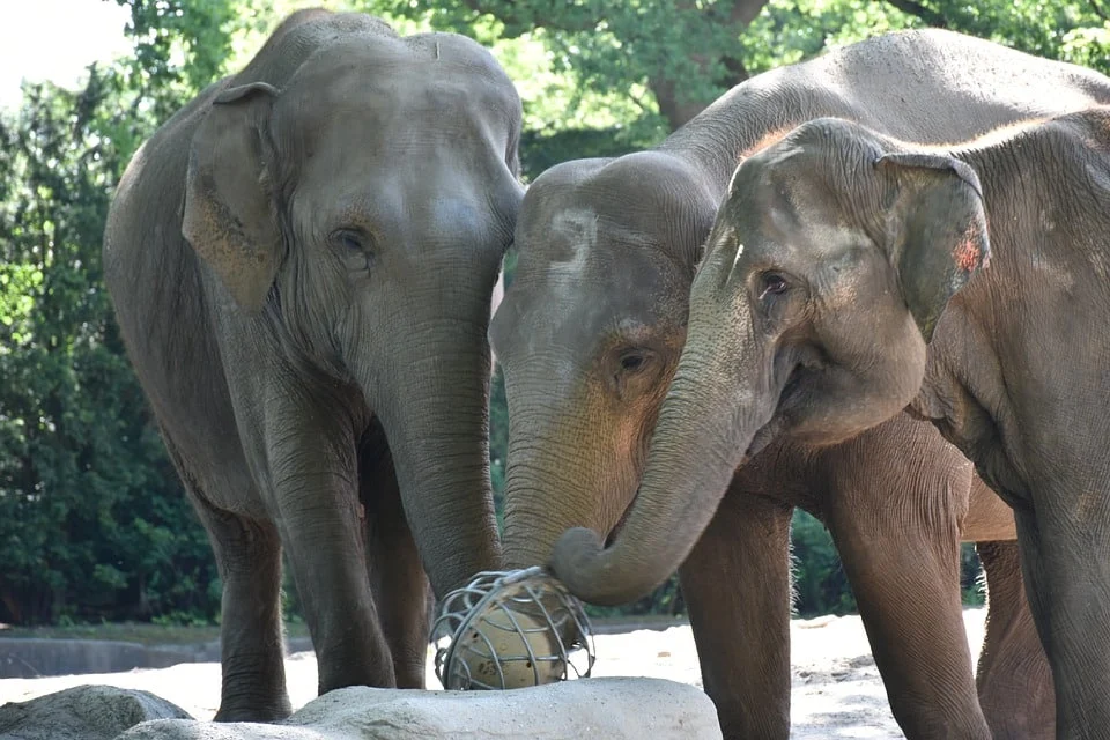
This article says animals in groups, like bees, fish, or birds, can solve problems together through many small local interactions, and engineers are using those same ideas to build robot swarms that can act without a central controller. It also argues the relationship goes both ways: biology inspires better robots, and robots help scientists test how real animal groups make decisions and stay coordinated.
26-Mar-2026
Read more
This paper describes an improved ant-inspired algorithm for finding good paths, such as routes for robots or navigation systems. Instead of searching too randomly, it puts more attention on promising areas early, strengthens better routes as it learns, and discourages unnecessary turns, so it finds smoother and better paths faster.
25-Mar-2026
Read more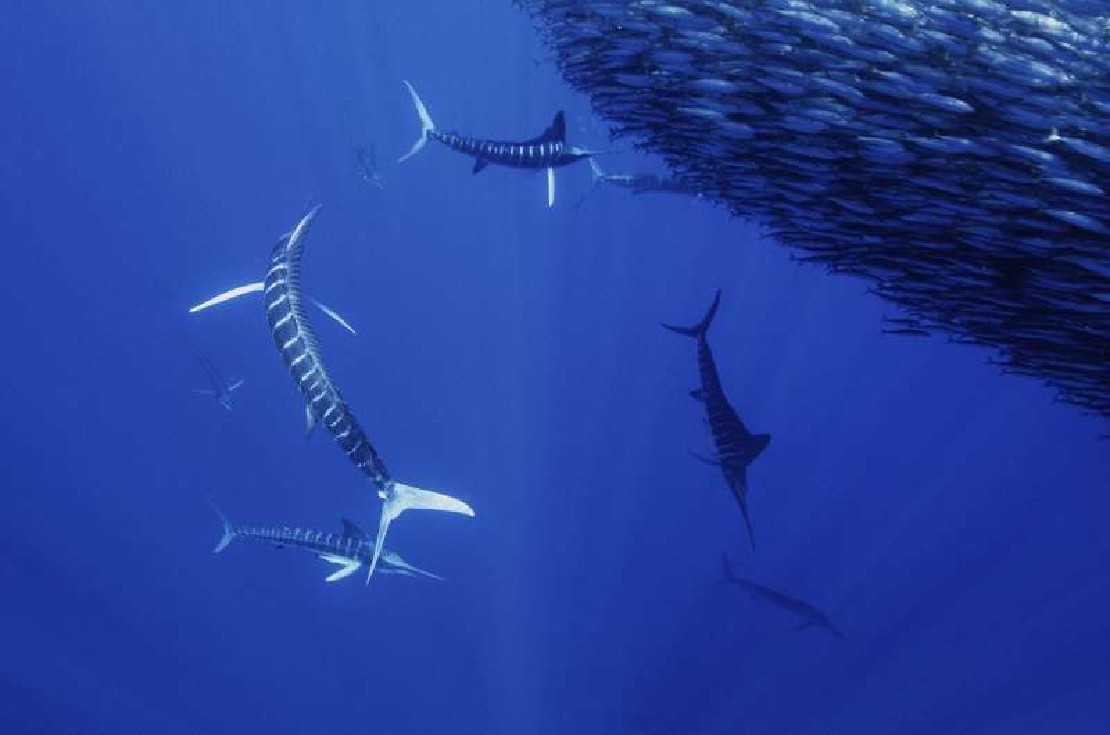
New tools such as AI, automated tracking, drones, and even virtual reality are letting scientists watch animal groups like flocks, schools, and swarms in far more detail than before. That is helping researchers understand how complex group behaviour can emerge from lots of simple local interactions, without any single leader in charge.
25-Mar-2026
Read more
This paper describes a new way for groups of robots to make a shared choice, based on how ants seem to decide on the best new nest. Each robot only talks locally with nearby robots, but together they can still agree on the best option out of several, while avoiding the group splitting into separate camps.
25-Mar-2026
Read more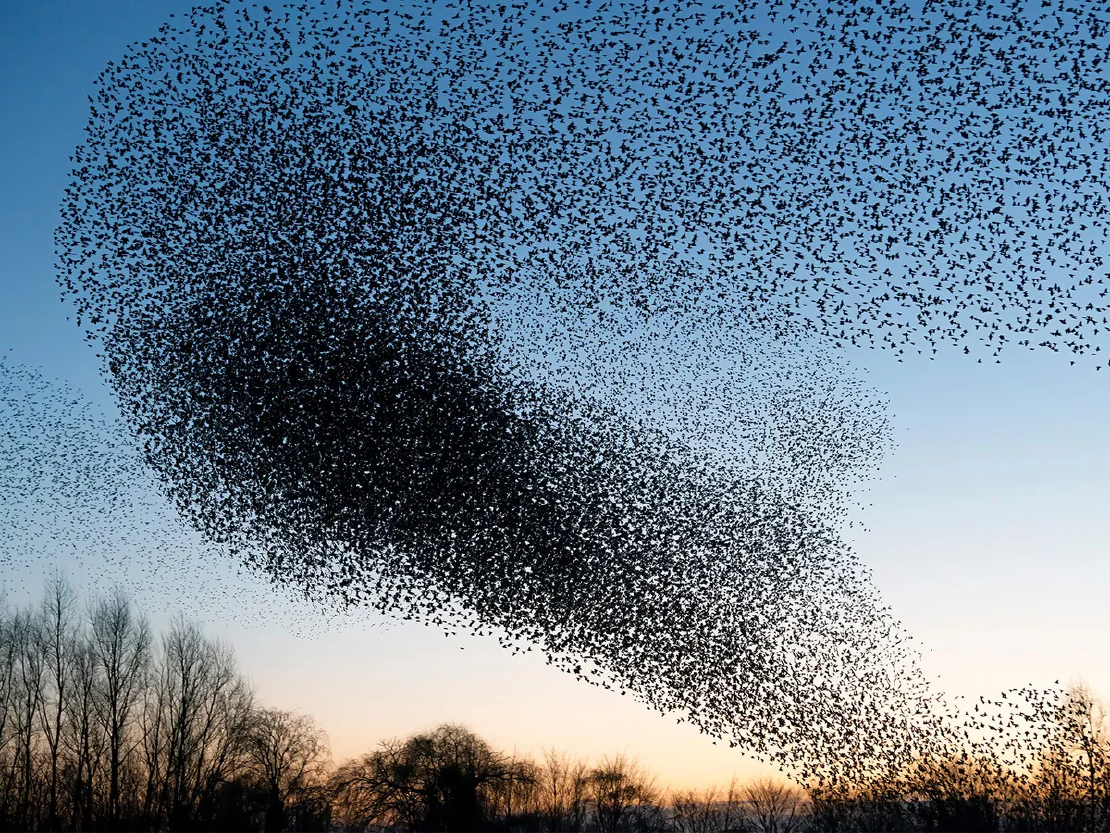
This paper looks at how robot swarms can move more smoothly by not only reacting to what nearby robots are doing now, but also by briefly predicting where they are about to move next. The idea is inspired by birds and drones, where small body movements often signal a turn before it actually happens.
24-Mar-2026
Read more
Do emotions and varying environmental stimuli affect the swarms choice of location for the hive?
23-Mar-2026
Read more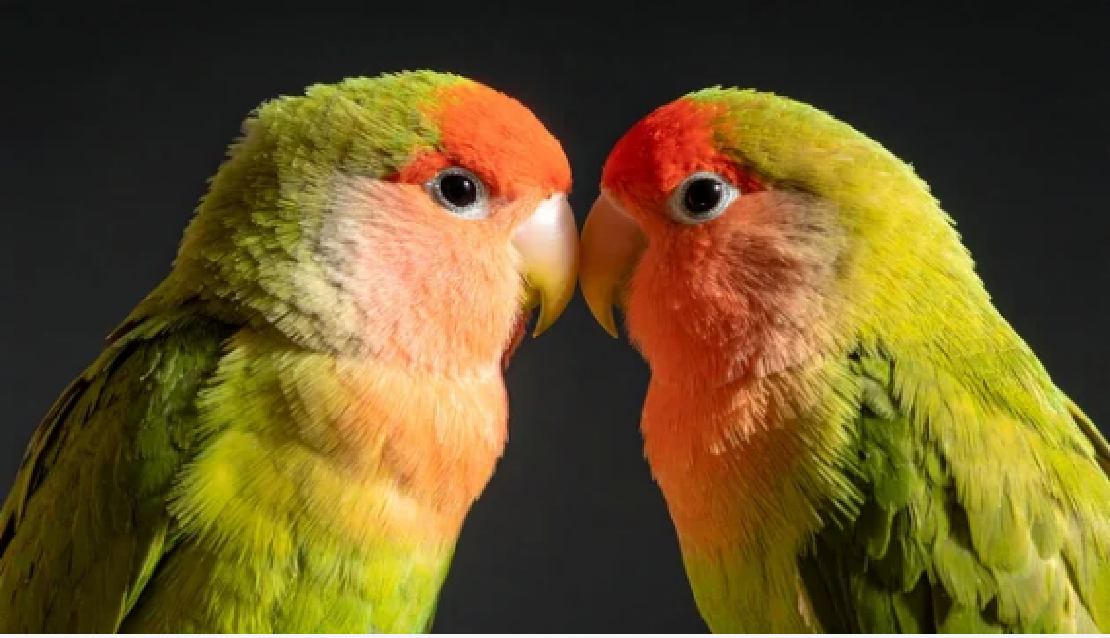
If you’re the kind of person who can’t help finishing other peoples’ sentences for them, don’t worry; you can blame it on evolution. One of the features that makes the brain so remarkable is its ability to anticipate patterns and automatically fill in missing pieces.
23-Mar-2026
Read more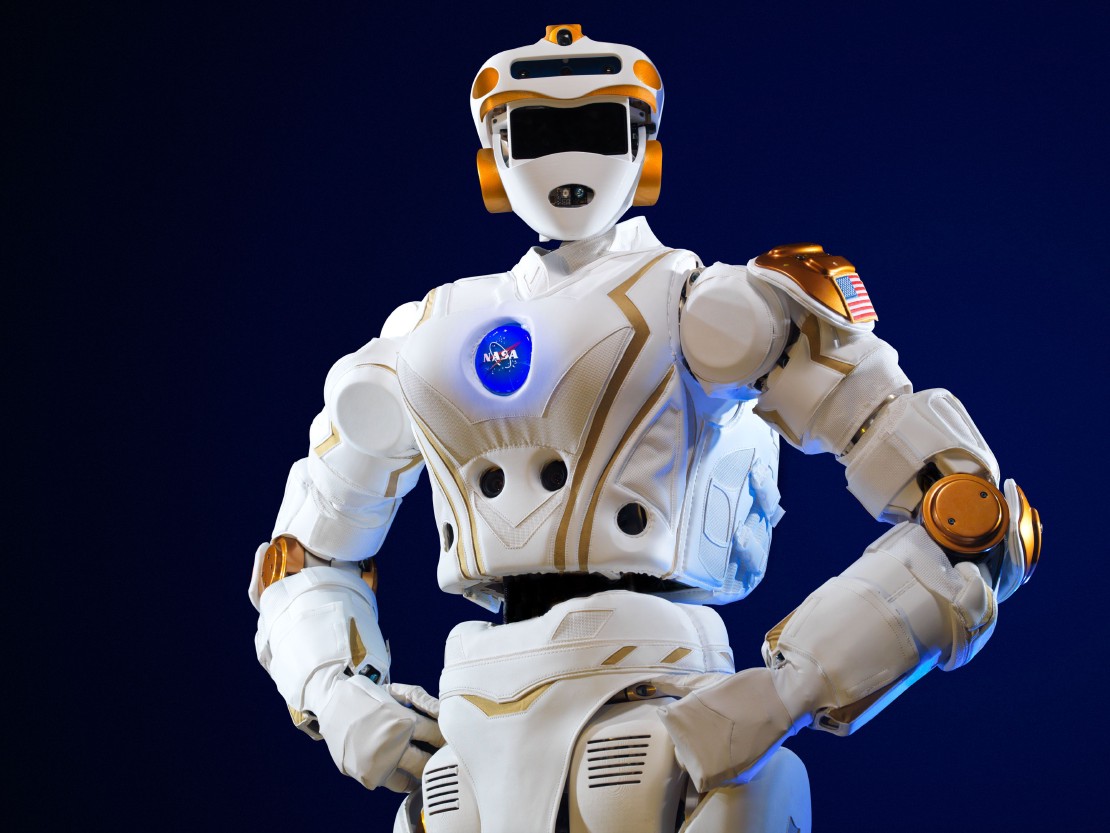
Here are 13 peer-reviewed publications on the infrastructure to make embodied intelligence possible. In order you will find:
23-Mar-2026
Read more
New website is live! In August 2024 the former adappt.io was renamed to adaptive-emergent.com to narrow the scope from web3 distributed networks to biomimetic ones (read the three part series on this starting here). Along with the name change was a new website, written with Claude AI as it was at the time.
26-Oct-2025
Read more