Cellular Automata
In part one of this series, we looked at a simple example of cellular automata in the form of the Game of Life.
View seriesSoftware, Rewilded.
In part one of this series, we looked at a simple example of cellular automata in the form of the Game of Life. But these constructs existed before Conway in 1970. Software has been able to reproduce itself for decades. In 1988, the Morris worm spread autonomously through about 6,000 of the roughly 60,000 computers then connected to the Internet, causing widespread disruption.
27-Sep-2026
Read more
In part one of this series, we looked at a simple example of cellular automata in the form of the Game of Life.
View seriesPart 4: The dangling conversation In the previous article, we saw bacterial populations defend themselves collectively. Cyanobacteria formed protective flocs, while dying E.
View series(See the original demos announcement at the link). We have added more algorithms to the website to try out and tweak.
View series
AURA Foresight has demonstrated an autonomous wildfire system in which fixed sensors, AI and a drone swarm form a distributed detect-verify-respond chain.
29-Sep-2026
Read moreIn part one of this series, we looked at a simple example of cellular automata in the form of the Game of Life. But these constructs existed before Conway in 1970. Software has been able to reproduce itself for decades. In 1988, the Morris worm spread autonomously through about 6,000 of the roughly 60,000 computers then connected to the Internet, causing widespread disruption.
27-Sep-2026
Read more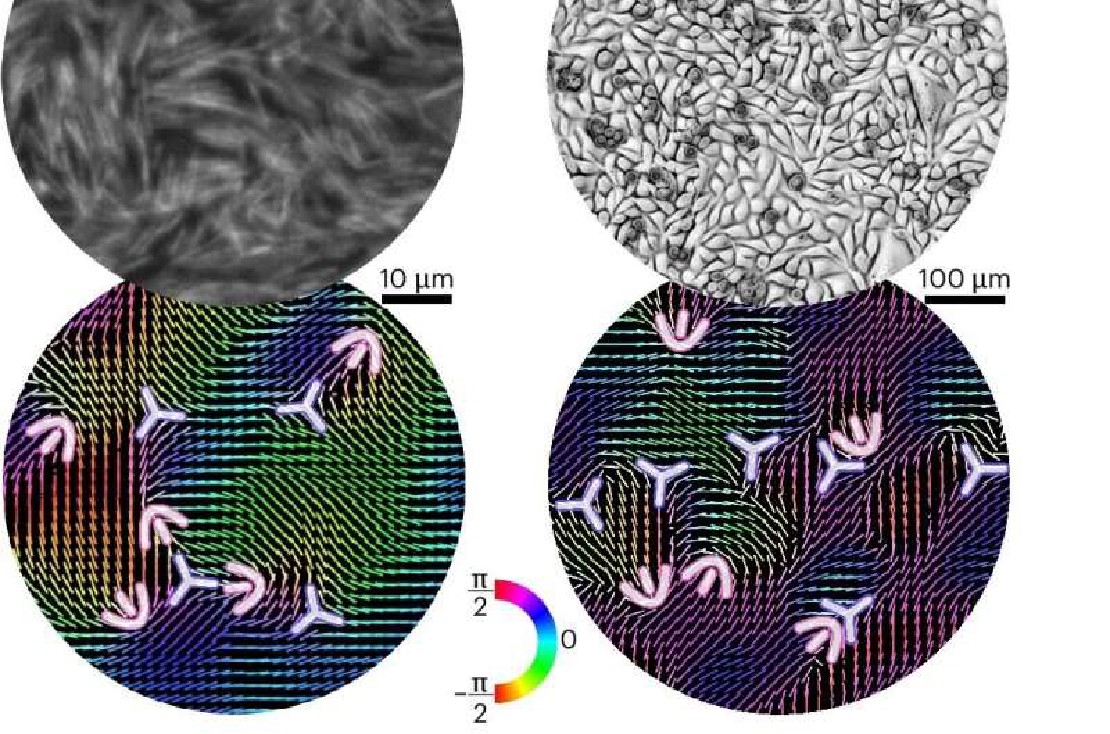
Swarming bacteria and human tissue cells spontaneously create large-scale flow patterns whose dynamics cannot be explained by conventional passive-matter physics.
26-Sep-2026
Read more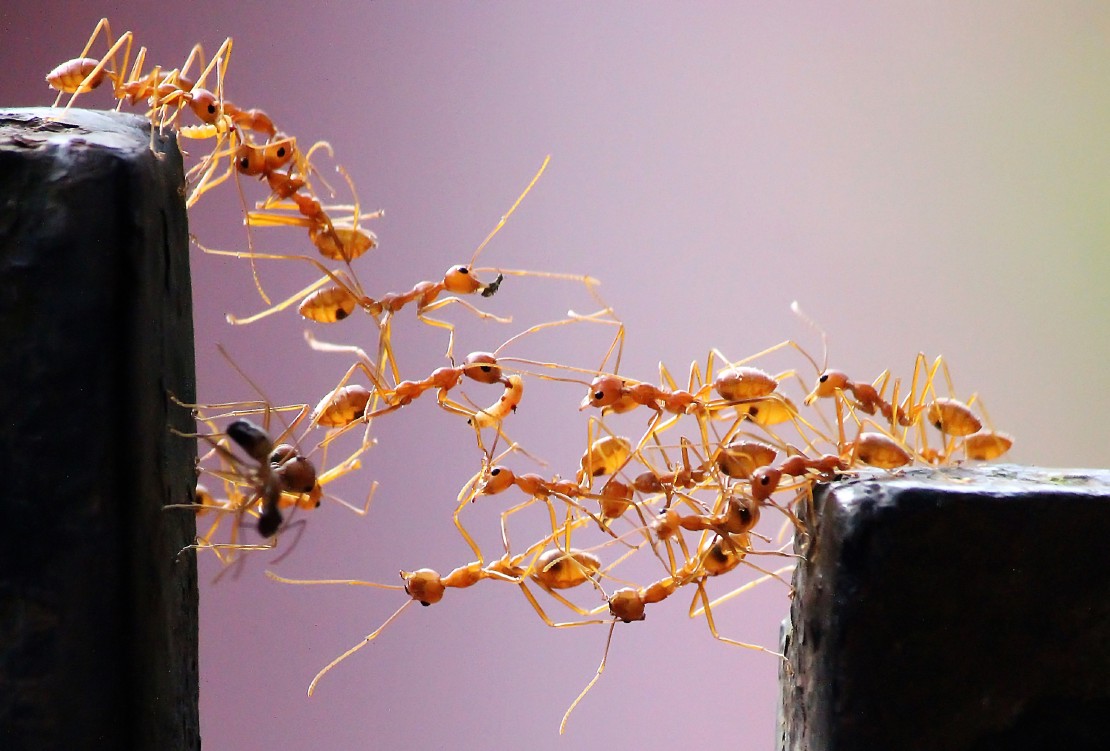
Fire ants demonstrate several distinct ways that useful group-level behaviour can emerge from decentralised interactions.
26-Sep-2026
Read more
Simple information constraints can push biological collectives into self-reinforcing consensus that becomes detached from the outside world.
25-Sep-2026
Read more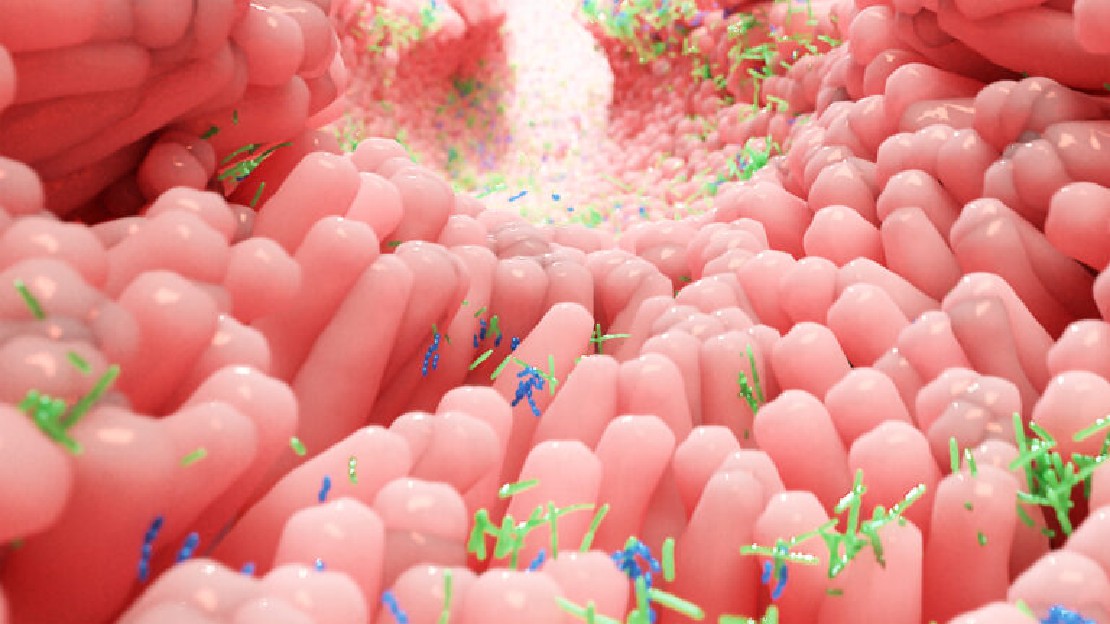
Gut bacteria coordinate through multiple overlapping communication channels rather than relying on a single signalling mechanism.
24-Sep-2026
Read more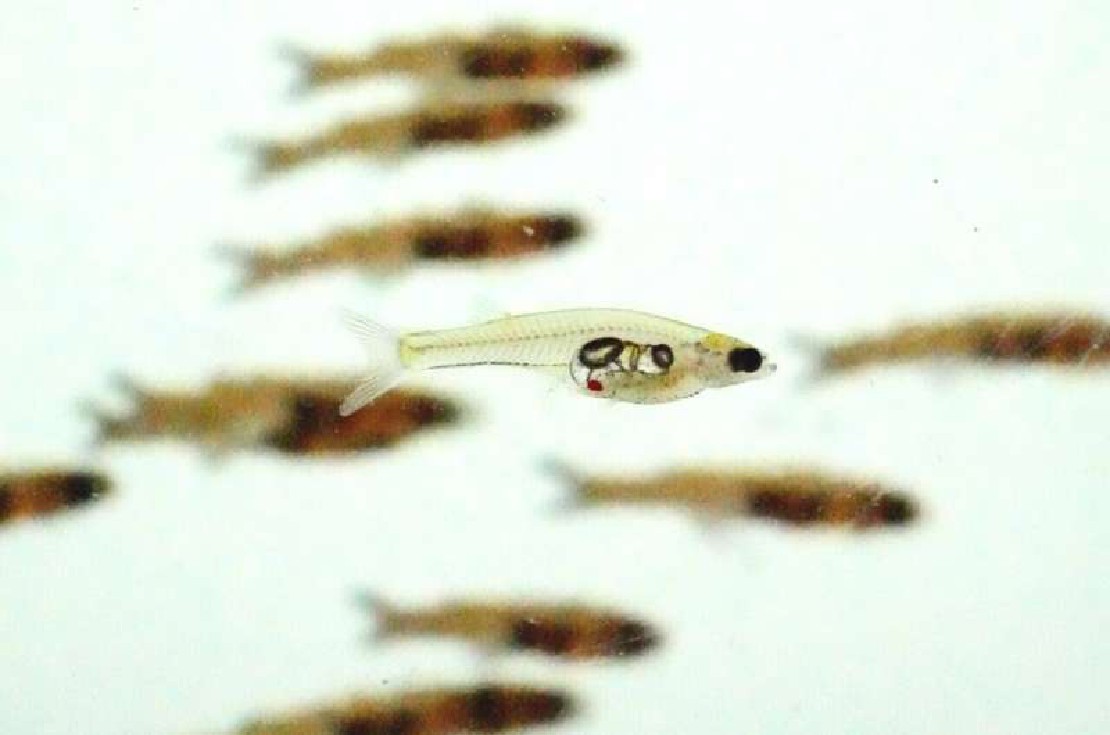
Schooling glassfish can infer danger from the behaviour of nearby fish even when they never see the threat themselves.
24-Sep-2026
Read more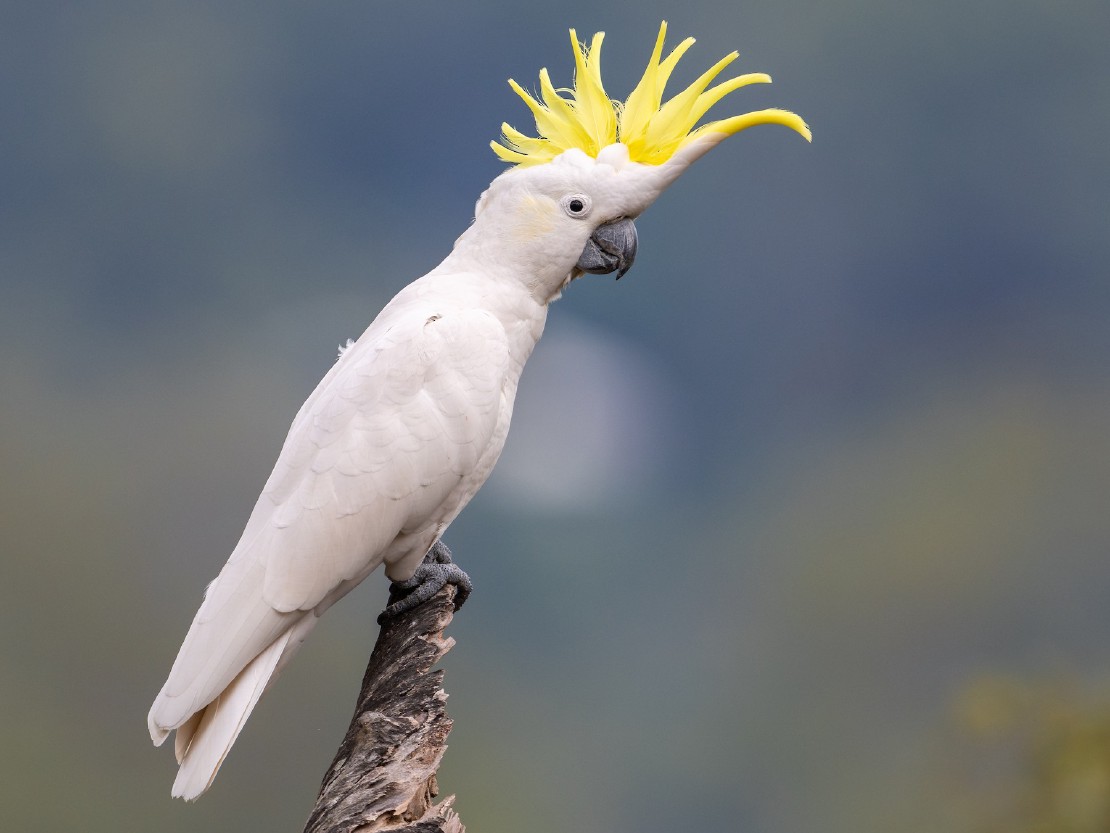
Just two of Sydney’s sulphur-crested cockatoos spread the word to all its mates (and theirs).
24-Sep-2026
Read more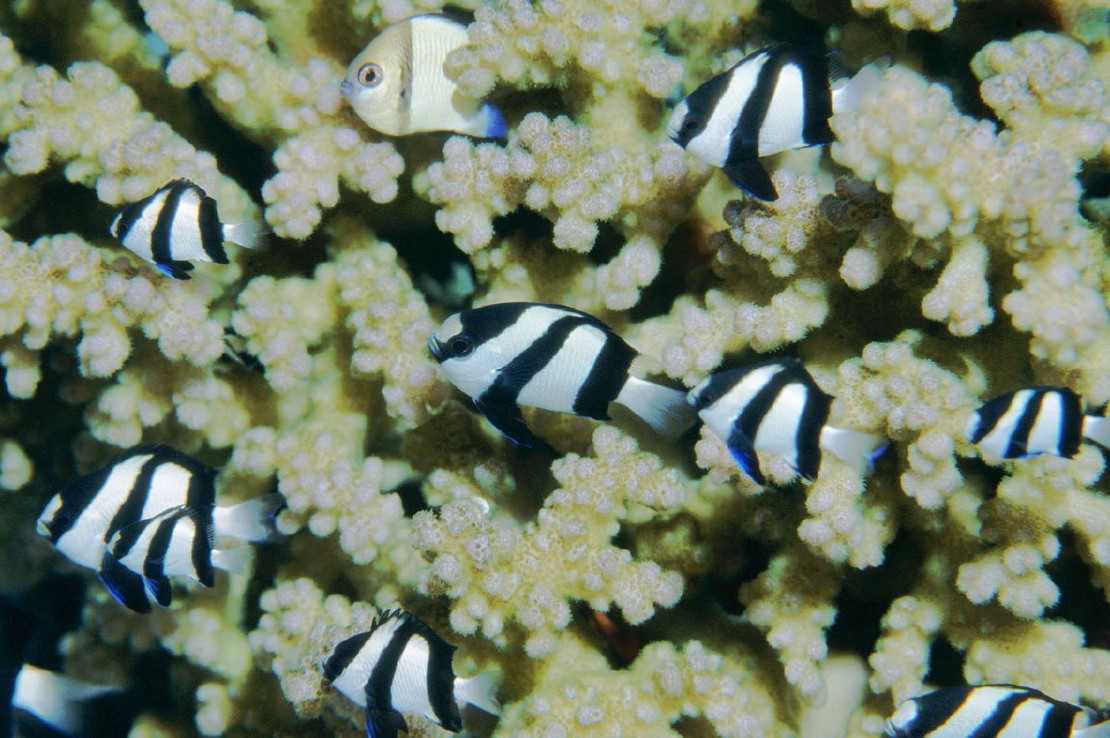
Humbug damselfish offer researchers a natural system for studying how threat information propagates through a group without every fish independently detecting the danger.
22-Sep-2026
Read more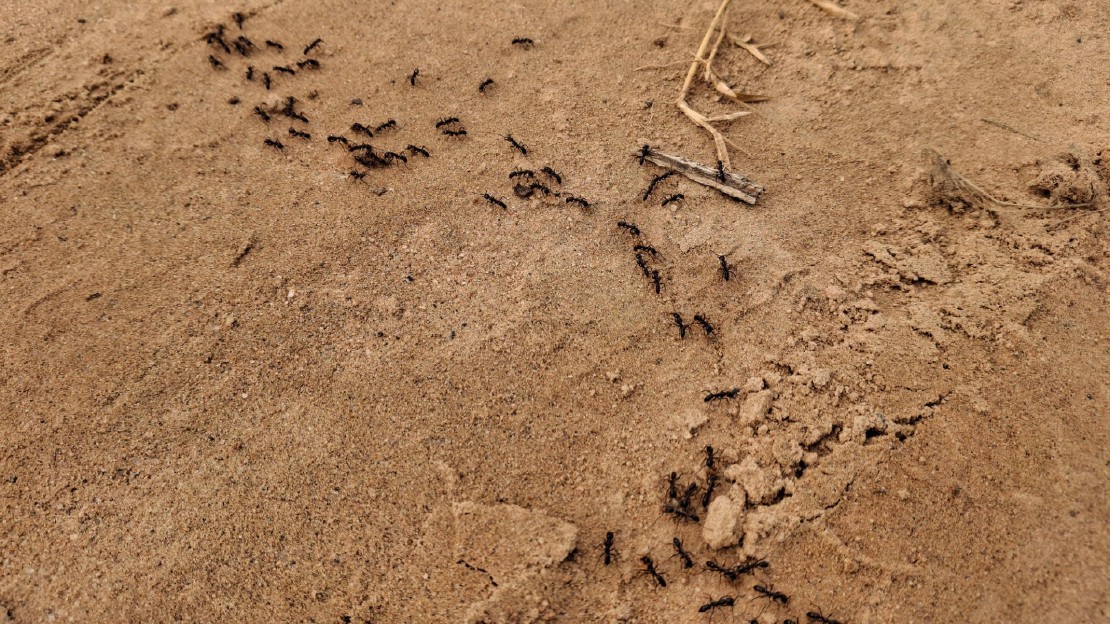
Social insects provide concrete examples of collectives enforcing system-level constraints through local behaviour even when no individual can measure the state of the whole group.
22-Sep-2026
Read more