Artificial vs Natural Intelligence
Over this 7-part series, we’ve explored how natural systems — ants, bees, birds, and brains — solve problems through emergence, not instruction.
View seriesNew website is live! In August 2024 the former adappt.io was renamed to adaptive-emergent.com to narrow the scope from web3 distributed networks to biomimetic ones (read the three part series on this starting here). Along with the name change was a new website, written with Claude AI as it was at the time.
26-Oct-2025
Read more
Over this 7-part series, we’ve explored how natural systems — ants, bees, birds, and brains — solve problems through emergence, not instruction.
View seriesadappt’s heritage is in its name. Read all parts to this series: In part one, we reviewed what was adappt.io, from 2015 to 2024.
View series
The accelerator targets startups explicitly using biological signalling, coordination, and adaptation principles. These programs often surface applied implementations of swarm intelligence and collective sensing before they appear in formal literature.
27-Mar-2026
Read more
Anyone remember smart dust? A cloud of sensors were thrown from a plane into a .. real cloud to study storms, wind patterns, etc. Since then we have had drones used from food delivery to ordinance delivery. And now we are getting Black Mirror insect robots.
26-Mar-2026
Read more
This paper describes a new way for groups of robots to make a shared choice, based on how ants seem to decide on the best new nest. Each robot only talks locally with nearby robots, but together they can still agree on the best option out of several, while avoiding the group splitting into separate camps.
25-Mar-2026
Read more
New tools such as AI, automated tracking, drones, and even virtual reality are letting scientists watch animal groups like flocks, schools, and swarms in far more detail than before. That is helping researchers understand how complex group behaviour can emerge from lots of simple local interactions, without any single leader in charge.
25-Mar-2026
Read moreThis paper describes an improved ant-inspired algorithm for finding good paths, such as routes for robots or navigation systems. Instead of searching too randomly, it puts more attention on promising areas early, strengthens better routes as it learns, and discourages unnecessary turns, so it finds smoother and better paths faster.
25-Mar-2026
Read more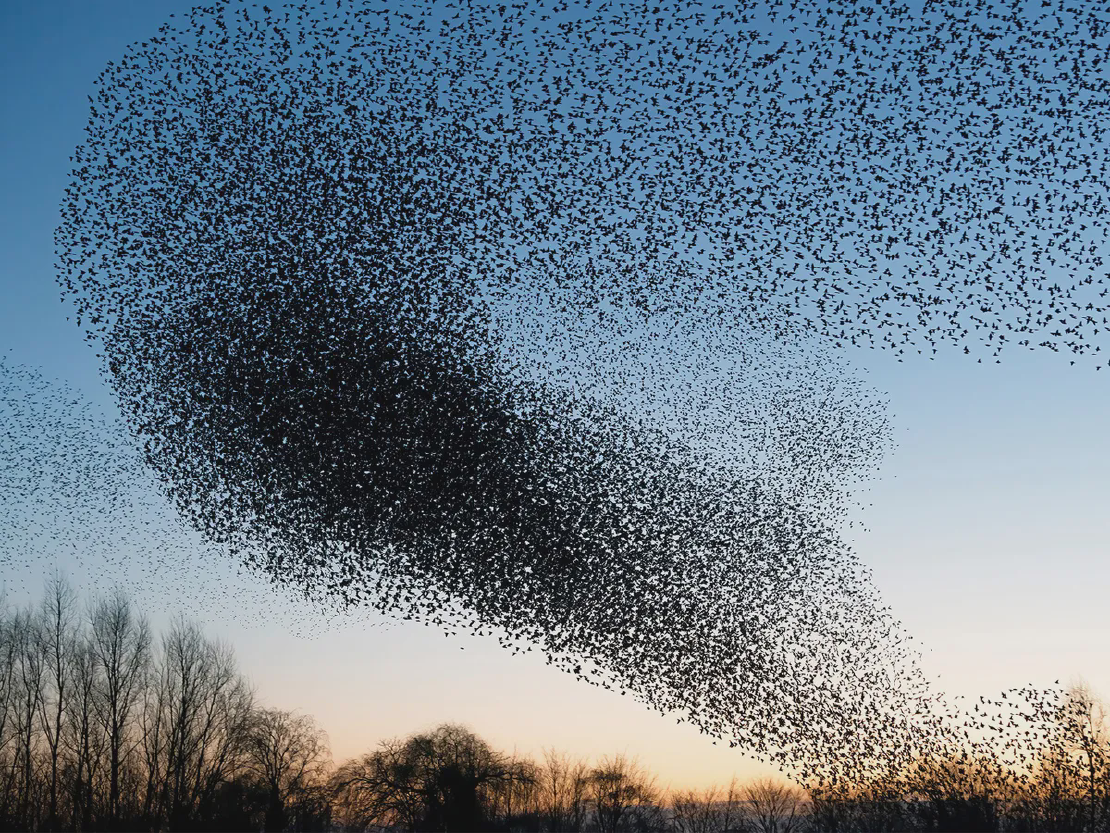
This paper looks at how robot swarms can move more smoothly by not only reacting to what nearby robots are doing now, but also by briefly predicting where they are about to move next. The idea is inspired by birds and drones, where small body movements often signal a turn before it actually happens.
24-Mar-2026
Read more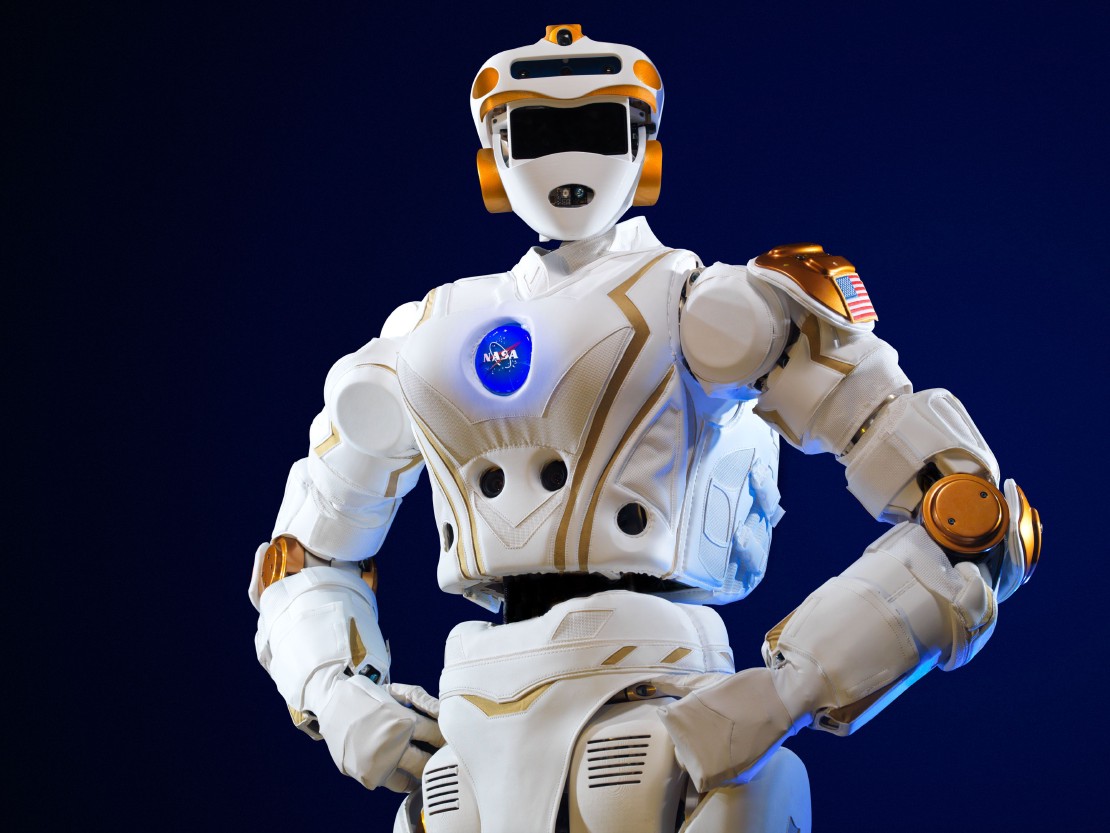
Here are 13 peer-reviewed publications on the infrastructure to make embodied intelligence possible. In order you will find:
23-Mar-2026
Read more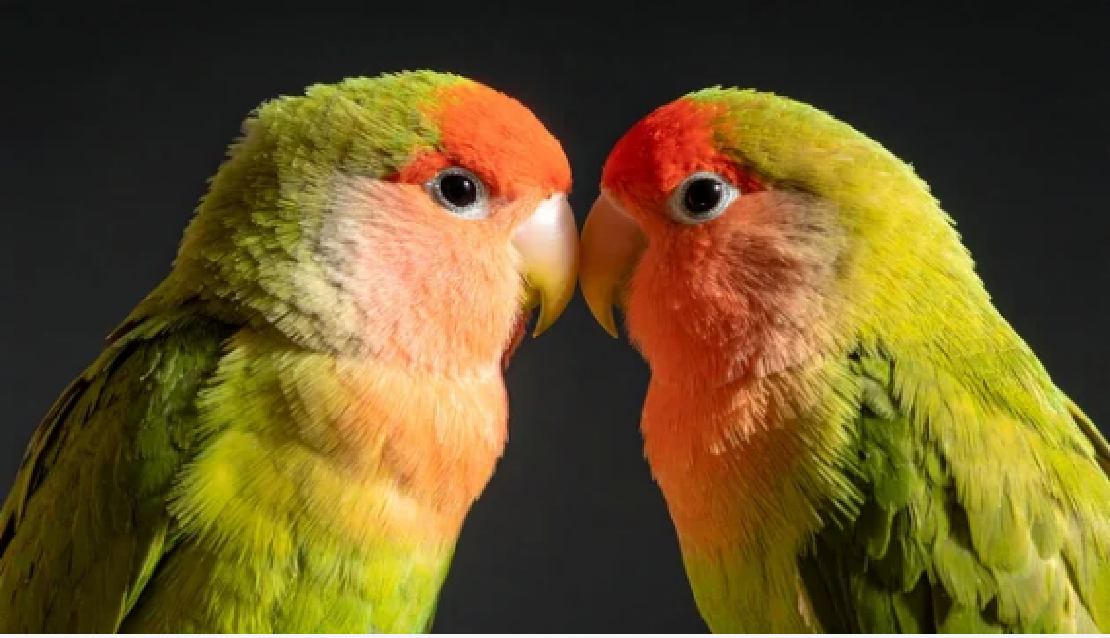
If you’re the kind of person who can’t help finishing other peoples’ sentences for them, don’t worry; you can blame it on evolution. One of the features that makes the brain so remarkable is its ability to anticipate patterns and automatically fill in missing pieces.
23-Mar-2026
Read more
Do emotions and varying environmental stimuli affect the swarms choice of location for the hive?
23-Mar-2026
Read moreNew website is live! In August 2024 the former adappt.io was renamed to adaptive-emergent.com to narrow the scope from web3 distributed networks to biomimetic ones (read the three part series on this starting here). Along with the name change was a new website, written with Claude AI as it was at the time.
26-Oct-2025
Read more
From commercial HVAC to coordinated “swarm intelligence” Encycle is an energy-technology company with origins in Toronto, developing software that helps buildings use less energy and respond more flexibly to the power grid.
25-Oct-2025
Read more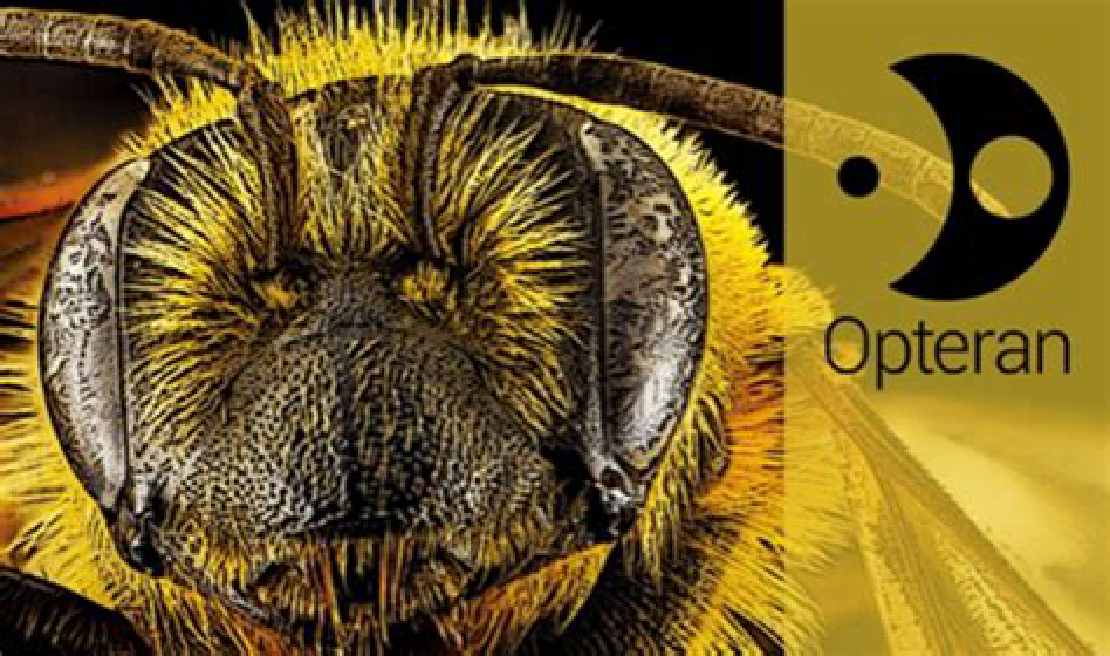
From Sheffield research to “natural intelligence” Opteran Technologies (registered in the UK as Opteran Technologies Limited) is a spin-out from University of Sheffield that formally incorporated in March 2020.
25-Oct-2025
Read more