Quorum Sensing
Part 4: The dangling conversation In the previous article, we saw bacterial populations defend themselves collectively. Cyanobacteria formed protective flocs, while dying E.
View seriesSoftware, Rewilded.
This is a part one of a four part series of emergent microbial communication.
19-Jul-2026
Read more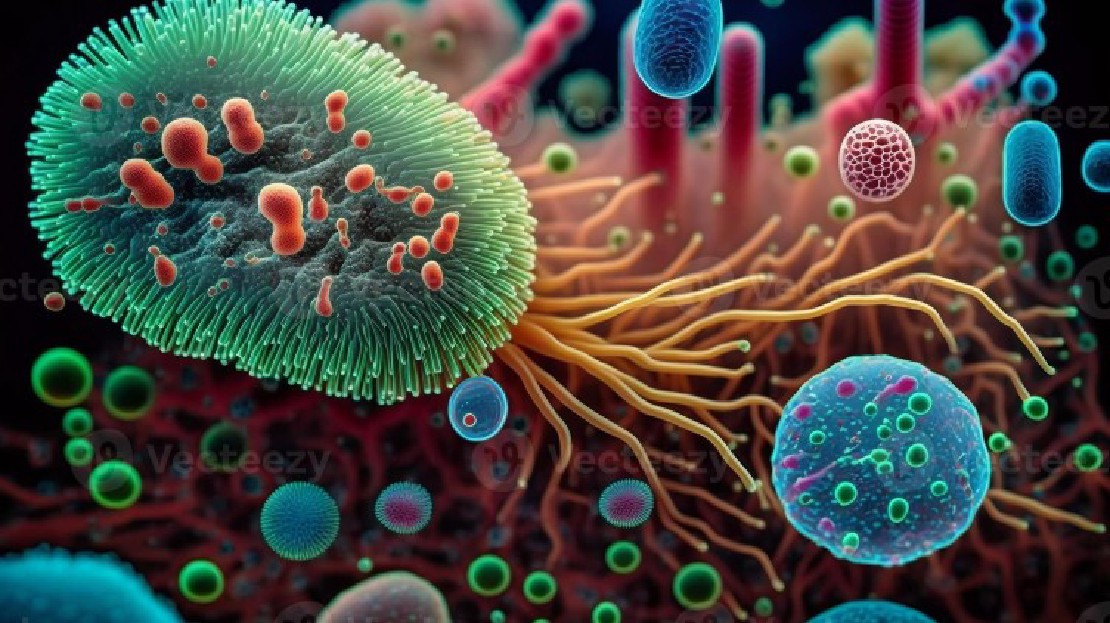
Part 4: The dangling conversation In the previous article, we saw bacterial populations defend themselves collectively. Cyanobacteria formed protective flocs, while dying E.
View series(See the original demos announcement at the link). We have added more algorithms to the website to try out and tweak.
View seriesOver this 7-part series, we’ve explored how natural systems — ants, bees, birds, and brains — solve problems through emergence, not instruction.
View series
Researchers from the University of Michigan set out to discover whether scientists could get round that lack of data by piggy-backing on research carried out on humans.
01-Sep-2026
Read more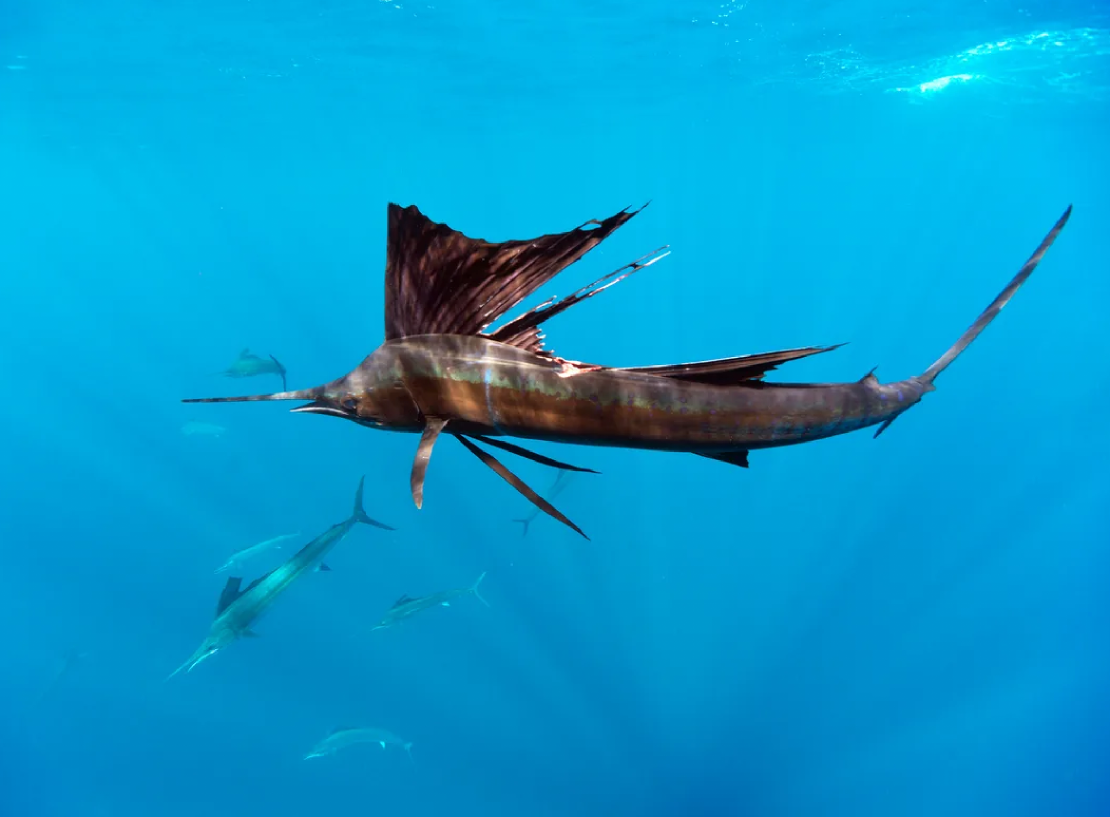
Fish appear to switch communication channels according to how urgently their school is moving.
27-Aug-2026
Read more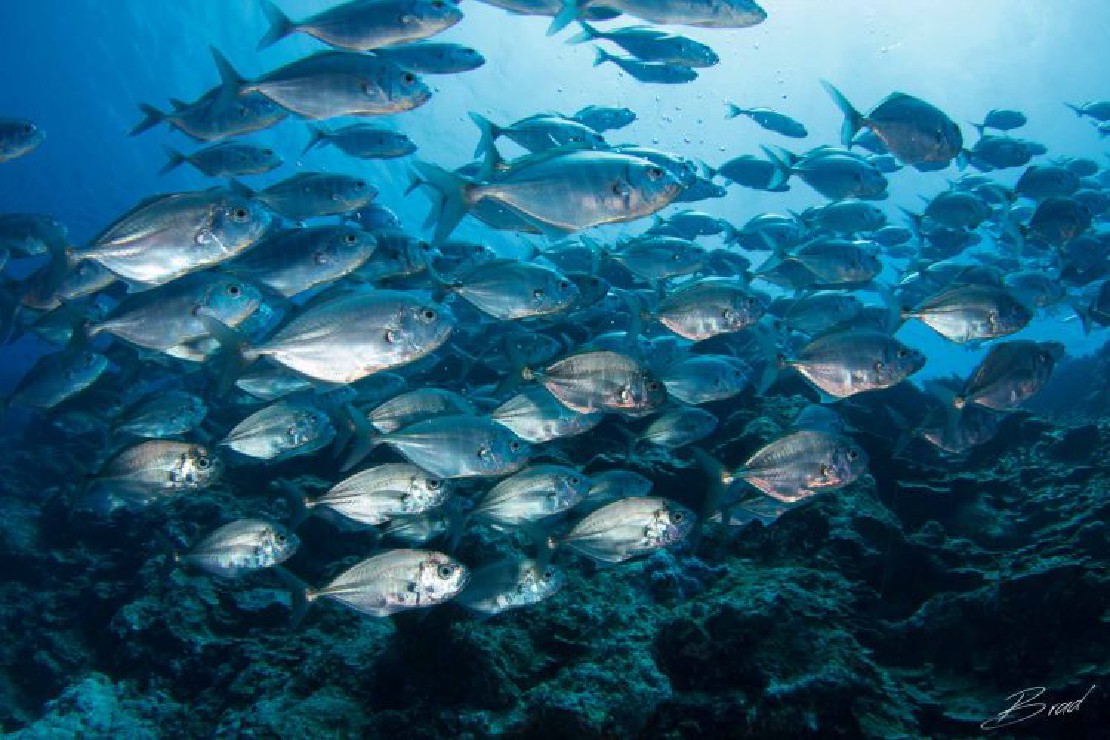
Glassfish appear to coordinate by copying one nearby neighbour at discrete moments rather than averaging the movements of the whole local group.
27-Aug-2026
Read more
A new framework proposes that moving animals can coordinate through the fluid disturbances they leave behind.
27-Aug-2026
Read more
Researchers have identified 13 branched-chain fatty acids in cat urine whose relative proportions differ among individuals yet remain comparatively stable within the same cat.
20-Aug-2026
Read more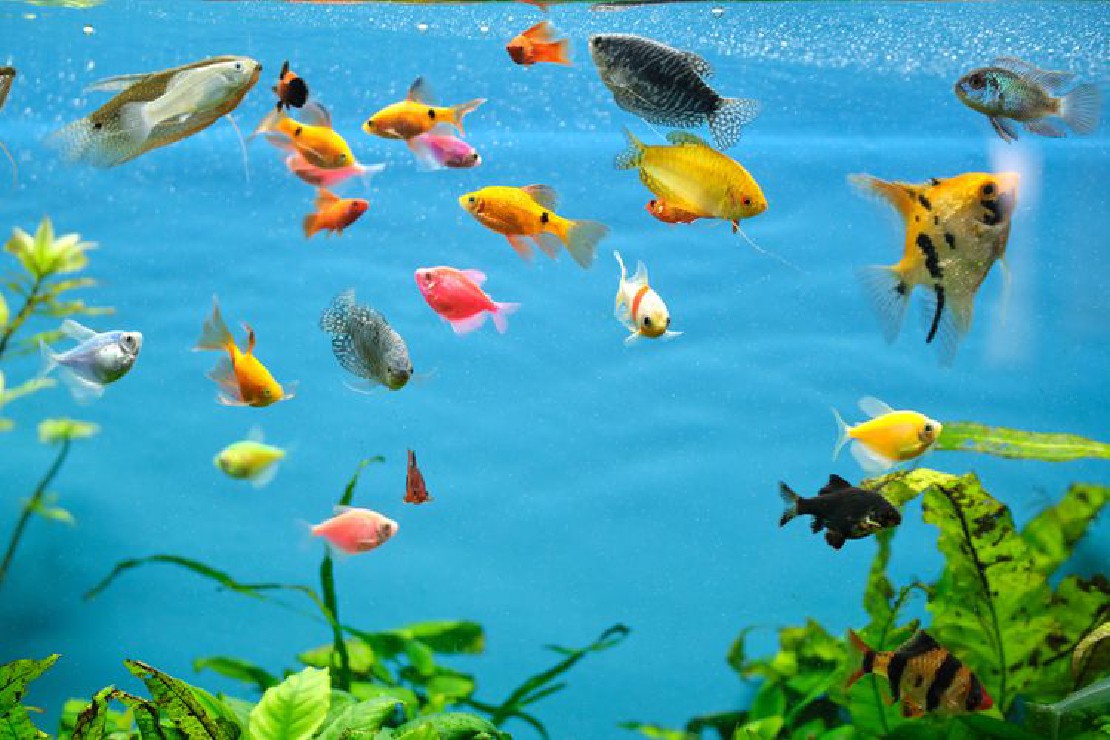
A theoretical study of collective escape proposes that animals can improve both speed and accuracy by treating an undisturbed neighbour as negative evidence about a possible threat.
20-Aug-2026
Read more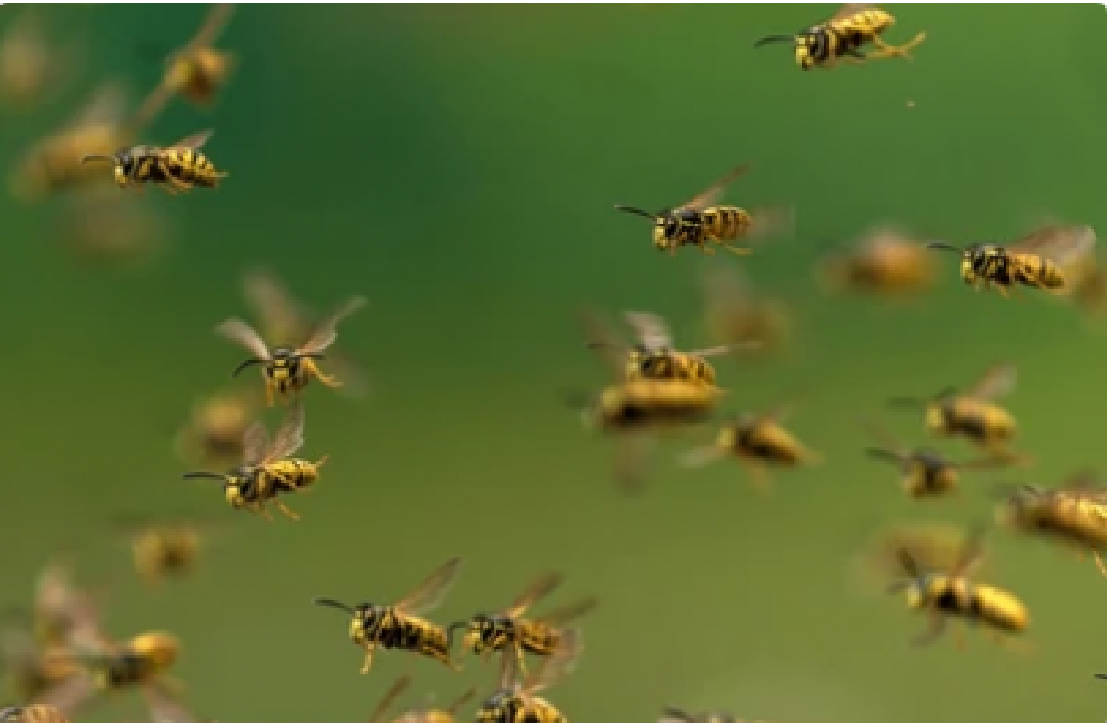
To operate autonomously, minimal robot swarms must make timely and reliable collective decisions despite noisy individual sensing and severe constraints on communication, computation, and memory.
18-Aug-2026
Read more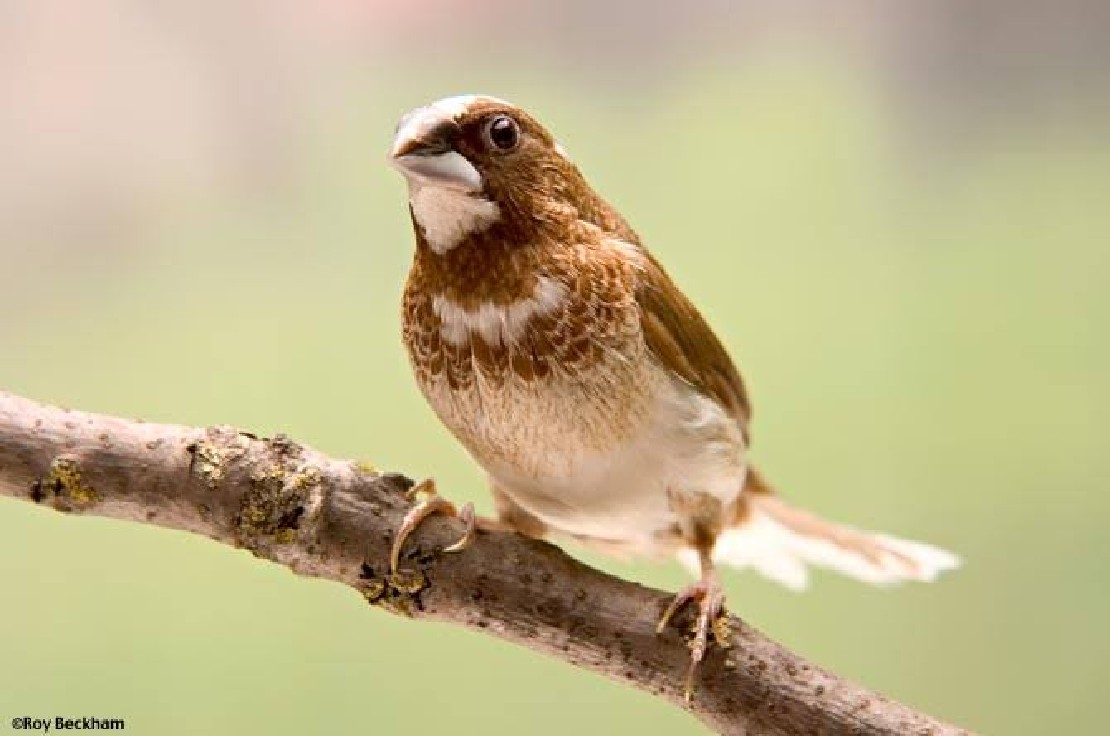
Researchers studying Bengalese finches found that learned birdsong develops statistical structure resembling properties of human language.
17-Aug-2026
Read more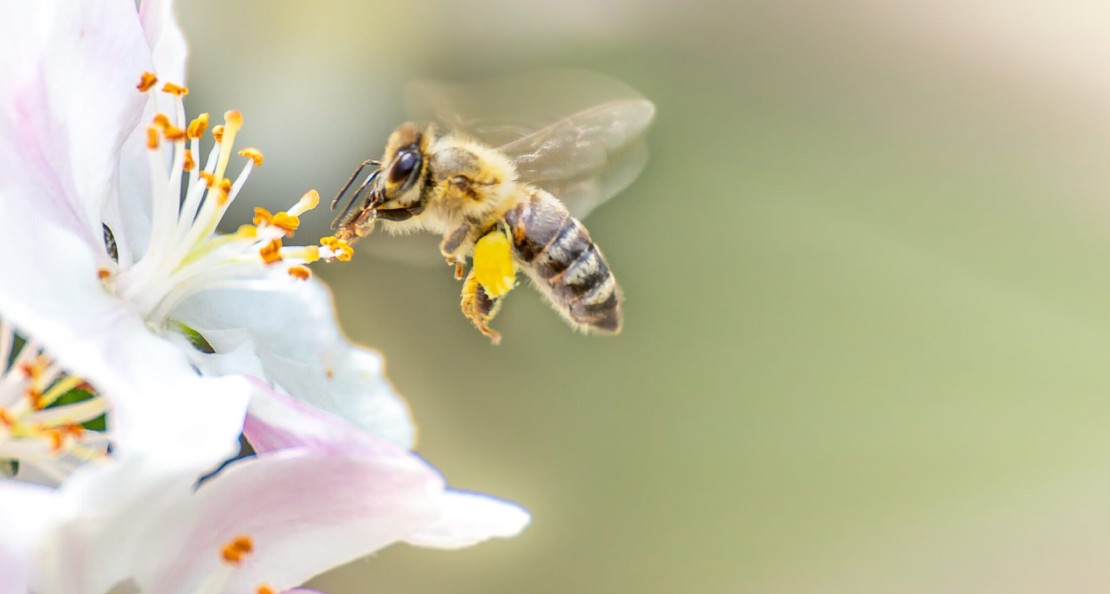
Bees and flowering plants share one of nature’s most elegant and essential symbiotic relationships.
17-Aug-2026
Read more