Quorum Sensing
Part 4: The dangling conversation In the previous article, we saw bacterial populations defend themselves collectively. Cyanobacteria formed protective flocs, while dying E.
View seriesSoftware, Rewilded.
This is a part one of a four part series of emergent microbial communication.
19-Jul-2026
Read more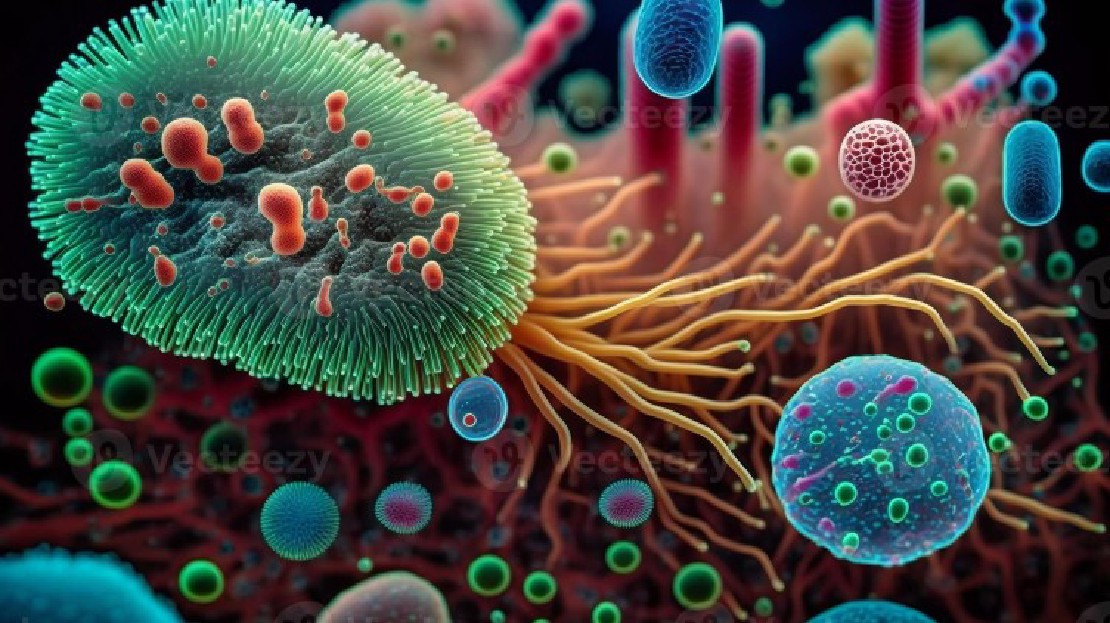
Part 4: The dangling conversation In the previous article, we saw bacterial populations defend themselves collectively. Cyanobacteria formed protective flocs, while dying E.
View series(See the original demos announcement at the link). We have added more algorithms to the website to try out and tweak.
View seriesOver this 7-part series, we’ve explored how natural systems — ants, bees, birds, and brains — solve problems through emergence, not instruction.
View series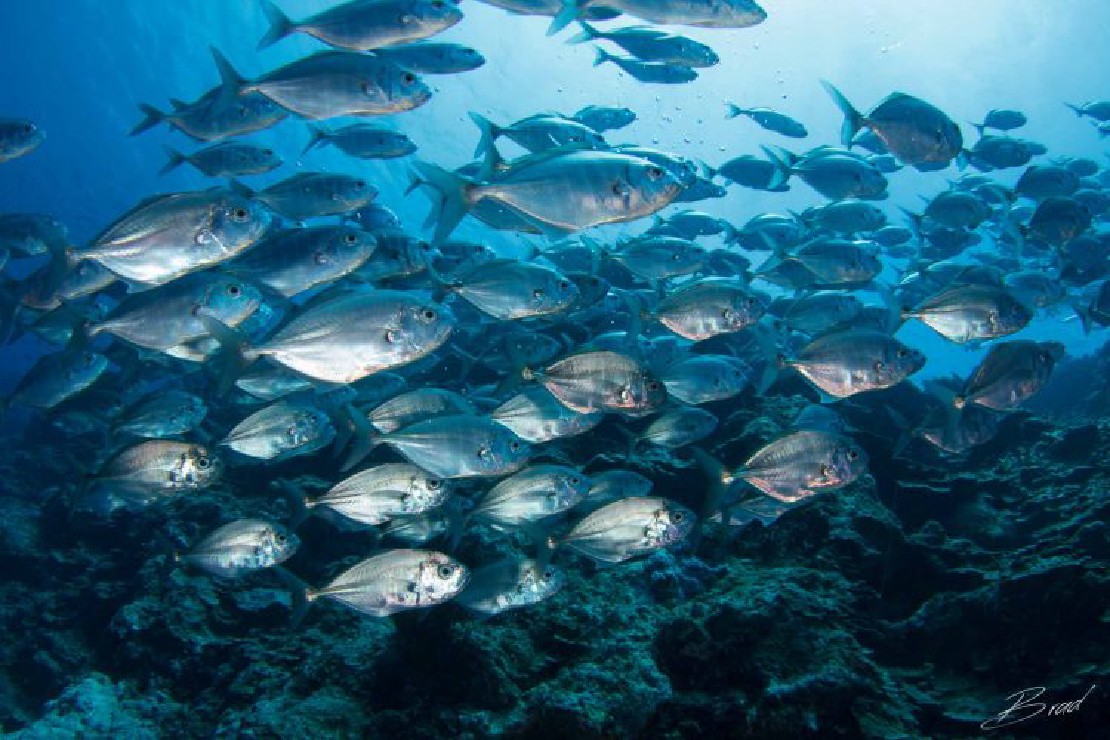
This study uses a conditioned escape response to follow how information propagates through schooling fish after selected individuals respond to a threat cue.
13-Aug-2026
Read more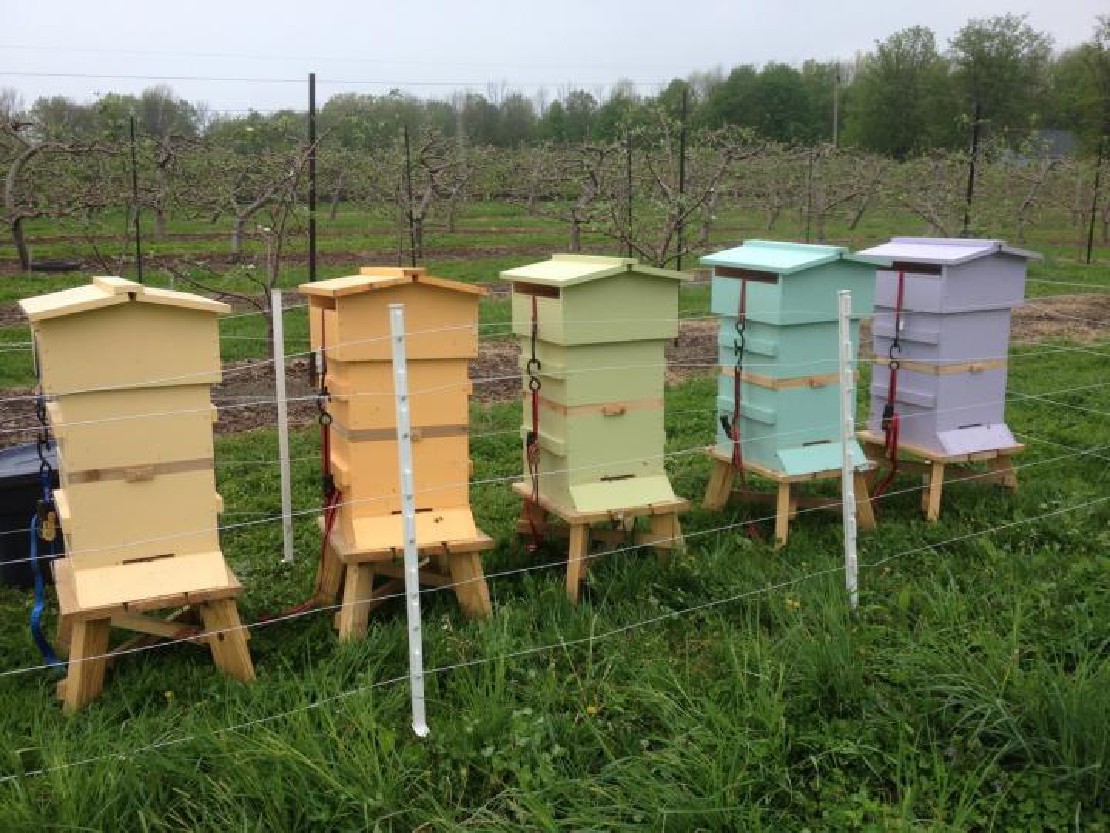
An RFID study of stingless bees found that seemingly minor environmental cues strongly affected how reliably returning foragers identified their own colonies.
13-Aug-2026
Read more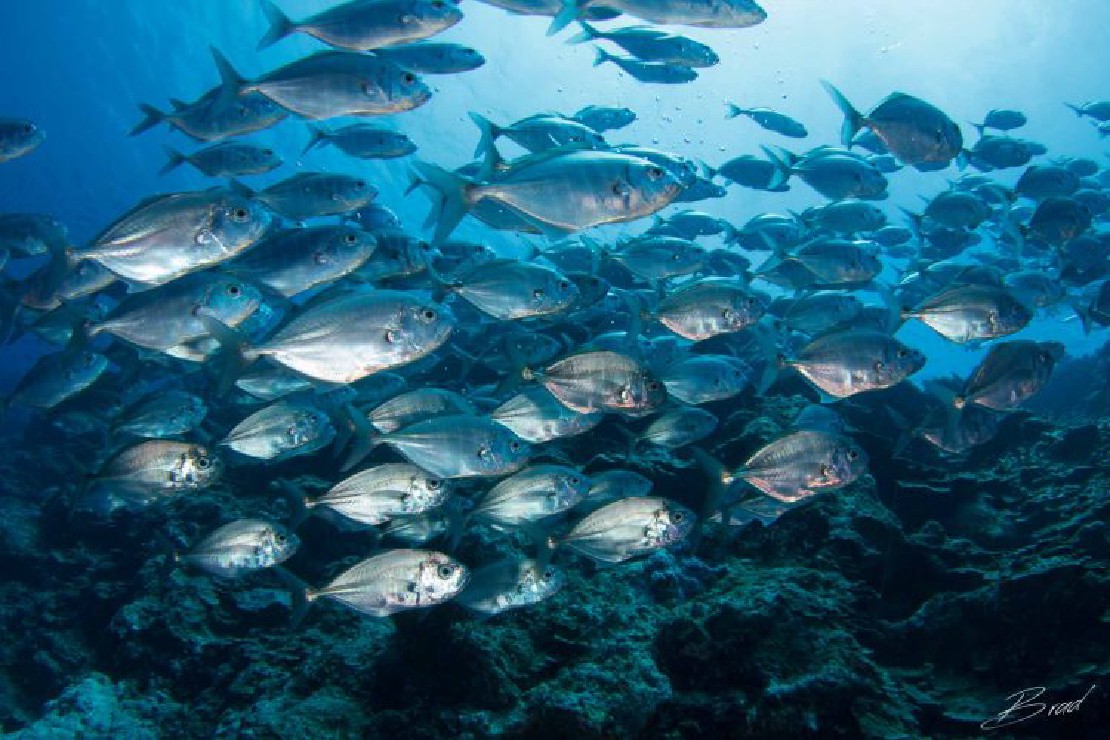
Researchers used a closed-loop biohybrid system in which robotic agents interacted dynamically with schooling fish, allowing them to probe how individuals respond to neighbours rather than merely observe naturally occurring schools.
13-Aug-2026
Read more
A model grounded in observations of ant colonies suggests that synchronized bursts of activity can begin with a single active worker.
13-Aug-2026
Read more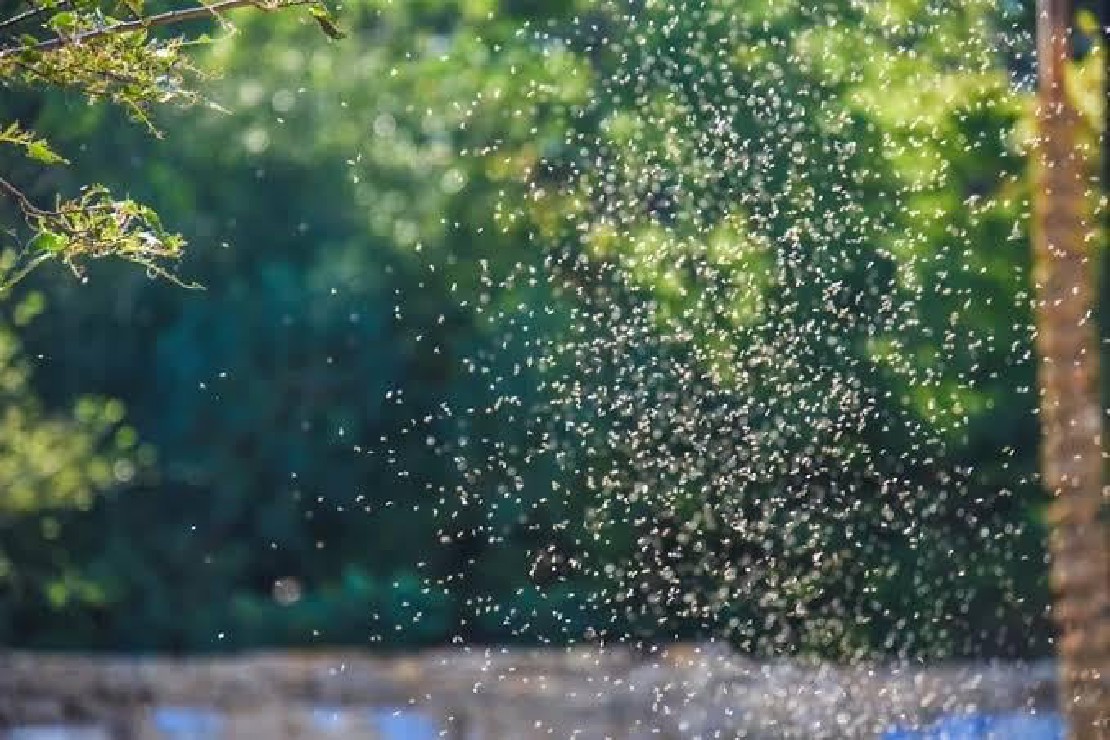
A theoretical model of flying insect swarms proposes acoustic interaction as a local communication mechanism, with each insect attracted toward a weighted mean field generated by nearby swarm members.
13-Aug-2026
Read more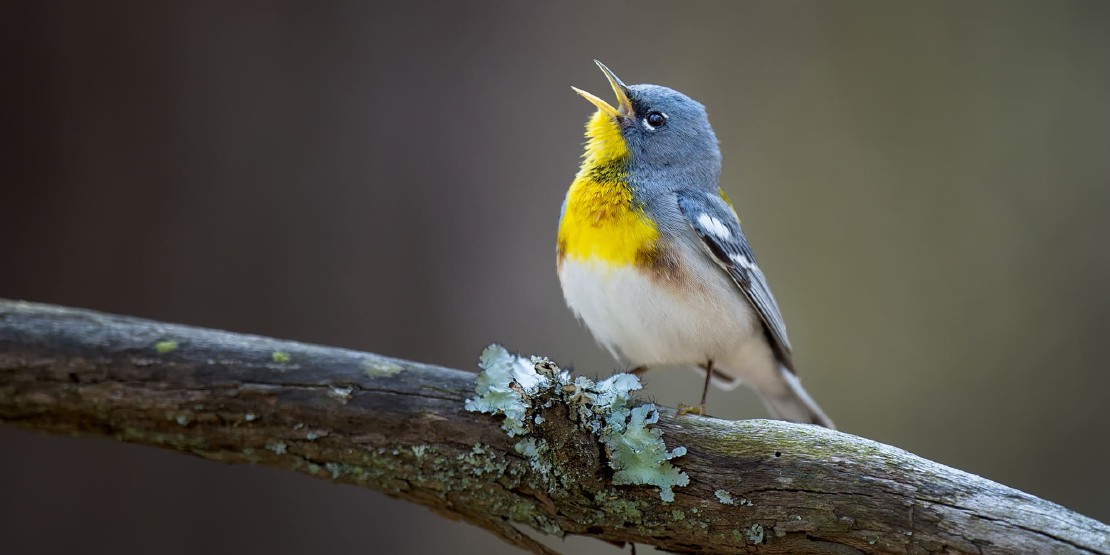
A mathematical model of the dawn chorus shows how synchronized singing can emerge without central coordination.
13-Aug-2026
Read more
Part 4: The dangling conversation In the previous article, we saw bacterial populations defend themselves collectively. Cyanobacteria formed protective flocs, while dying E. coli released enzymes that helped surviving cells withstand antibiotics. Throughout this series, communication has been the recurring theme: signals accumulate, populations respond, and collective behaviour emerges.
08-Aug-2026
Read more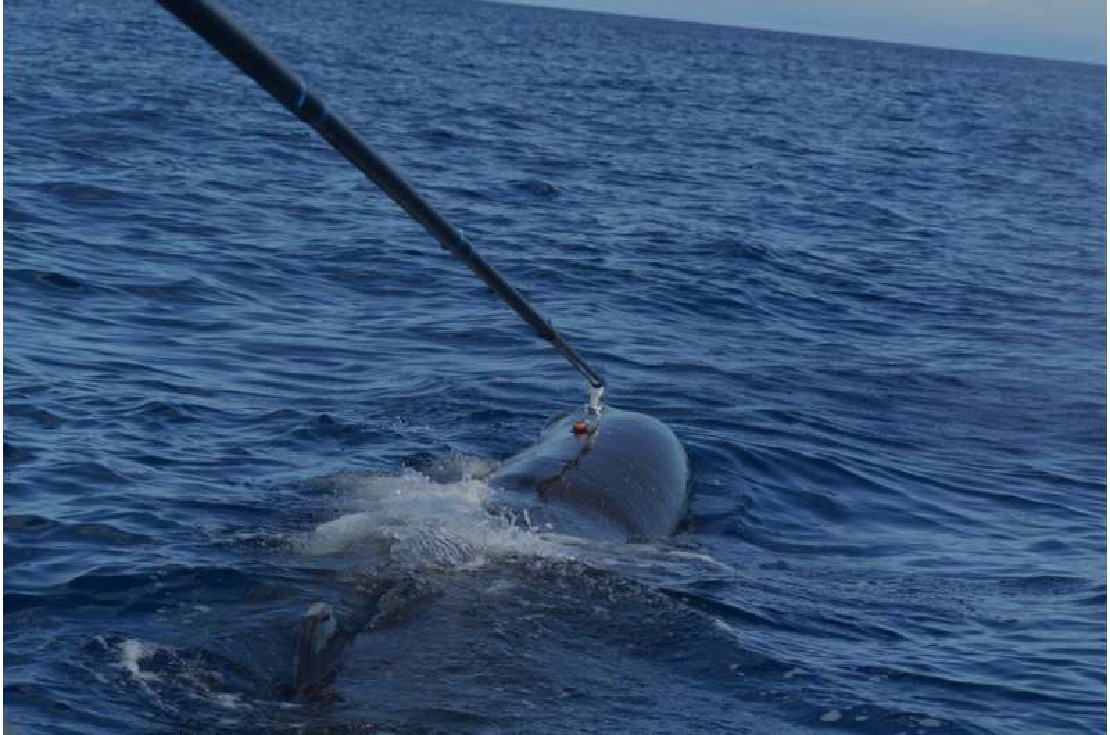
Male sperm whales produce exceptionally powerful slow clicks that may remain detectable across roughly 70 kilometres of deep ocean while maintaining remarkably precise intervals of five to ten seconds.
08-Aug-2026
Read more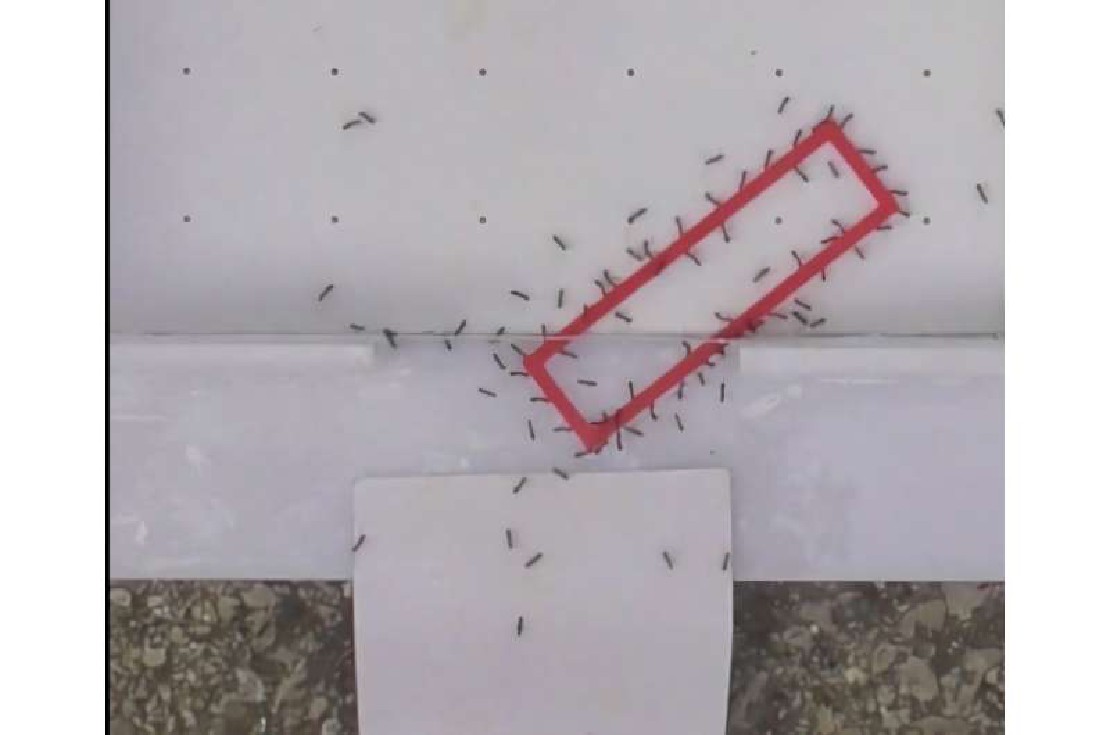
Longhorn crazy ants cooperatively transporting awkward loads through mazes reveal a striking scaling effect: larger teams solve geometrically difficult problems much more effectively than smaller ones, even when the physical burden per ant is held constant. Simple gravity-like simulations reproduce easy cases but fail on harder puzzles unless researchers add distributed, ant-like rules such as shifting force directions and responding to nearby openings. Unlike the simulations, the ants appear to apply broadly useful behavioural rules without retuning them for each maze.
08-Aug-2026
Read more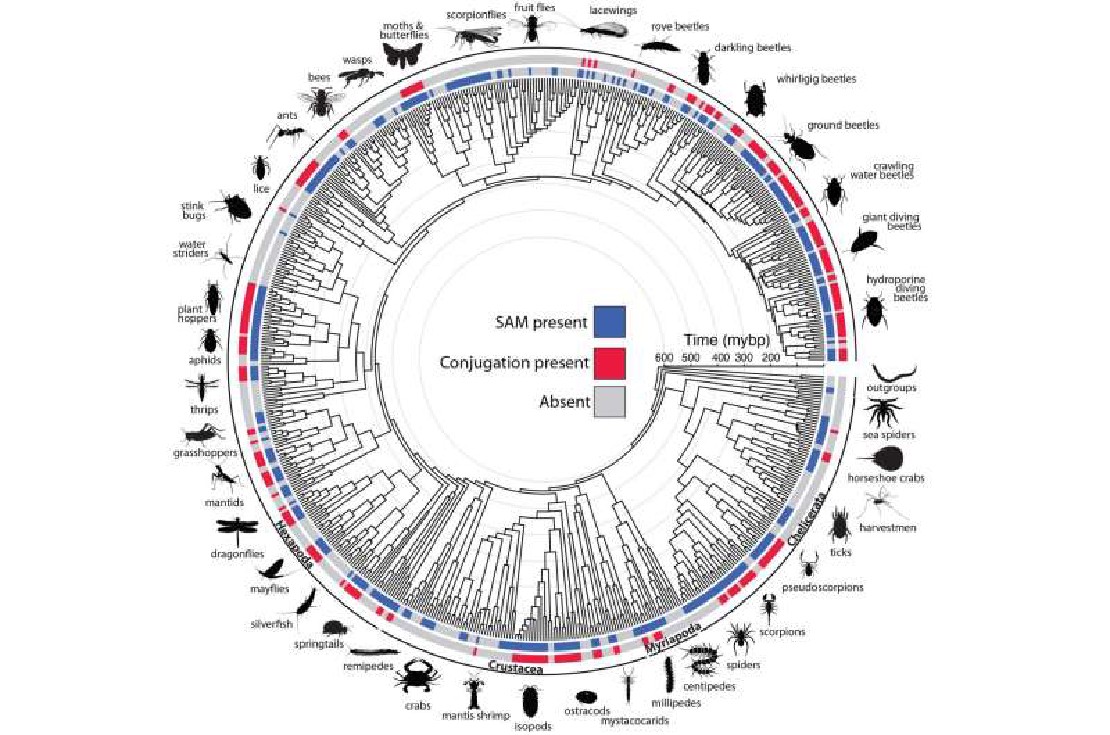
A comparative study across arthropods finds that sperm cooperation is far more widespread and evolutionarily recurrent than previously assumed.
06-Aug-2026
Read more