Quorum Sensing
Part 4: The dangling conversation In the previous article, we saw bacterial populations defend themselves collectively. Cyanobacteria formed protective flocs, while dying E.
View seriesSoftware, Rewilded.
This is a part one of a four part series of emergent microbial communication.
19-Jul-2026
Read more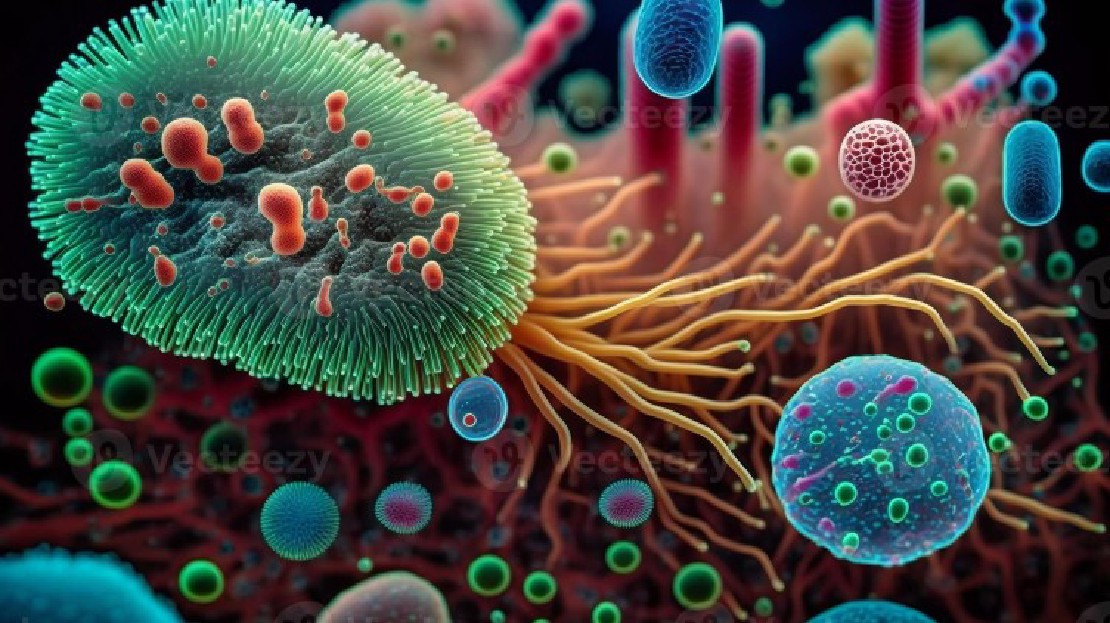
Part 4: The dangling conversation In the previous article, we saw bacterial populations defend themselves collectively. Cyanobacteria formed protective flocs, while dying E.
View series(See the original demos announcement at the link). We have added more algorithms to the website to try out and tweak.
View seriesOver this 7-part series, we’ve explored how natural systems — ants, bees, birds, and brains — solve problems through emergence, not instruction.
View series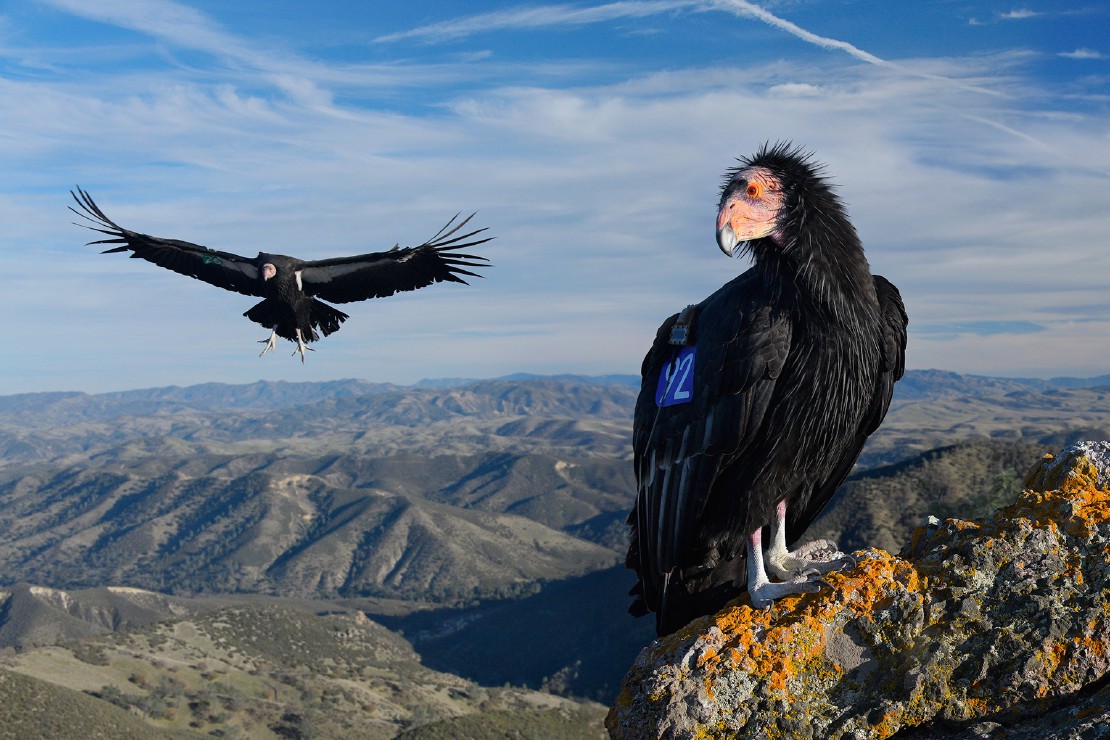
A new agent-based model suggests that Andean condors can reduce the energetic cost of long-distance flight by using the movements of other birds as continuously updated social information. In patchy, unpredictable landscapes, observing where companions find rising air currents helps individuals choose more efficient soaring and gliding routes. The benefit emerges without central direction: each bird responds to locally available cues, and the group collectively becomes a distributed sensor for changing atmospheric conditions.
31-Jul-2026
Read more
To Which Quorum Should a Bacterium Listen? In the first article on microbial communication, we saw how bacteria release chemical signals that accumulate as a population grows. When a signal crosses a threshold, many cells change behaviour together, without a leader directing them.
30-Jul-2026
Read more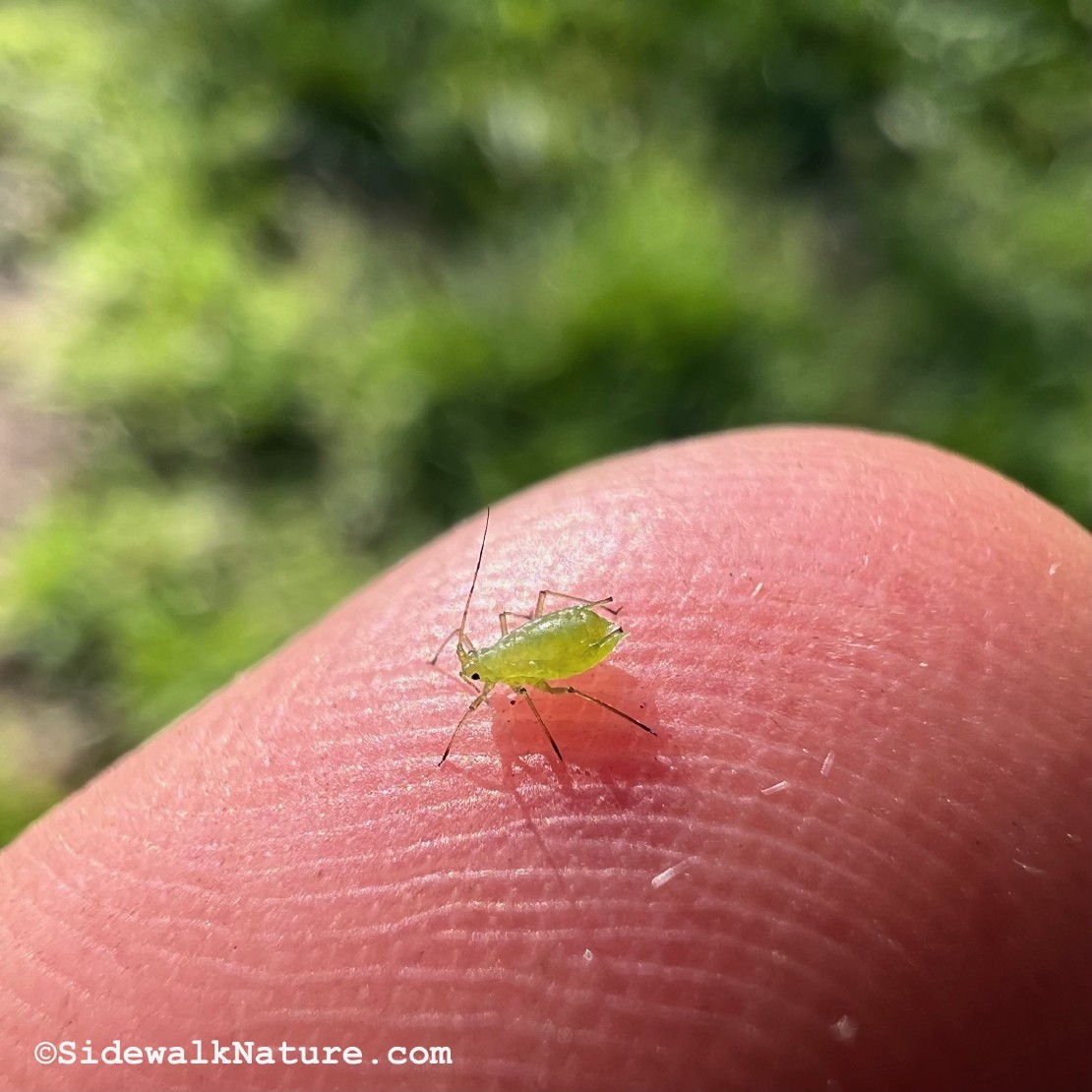
Researchers found that aphids transfer several of their own microRNAs, together with the regulatory protein Argonaute 1, into Buchnera bacteria living inside specialised host cells. The transferred molecules are predicted to target bacterial genes involved in the symbiosis, revealing a previously unknown channel through which an insect may coordinate gene activity with an obligate microbial partner.
27-Jul-2026
Read more
Greater Japanese horseshoe bats gradually converge on a shared echolocation frequency after unfamiliar individuals join a colony. Instead of separating their signals into individual channels, lower-frequency bats shift upward until colony members preserve a common clutter-free band in which echoes from fluttering prey remain detectable.
27-Jul-2026
Read more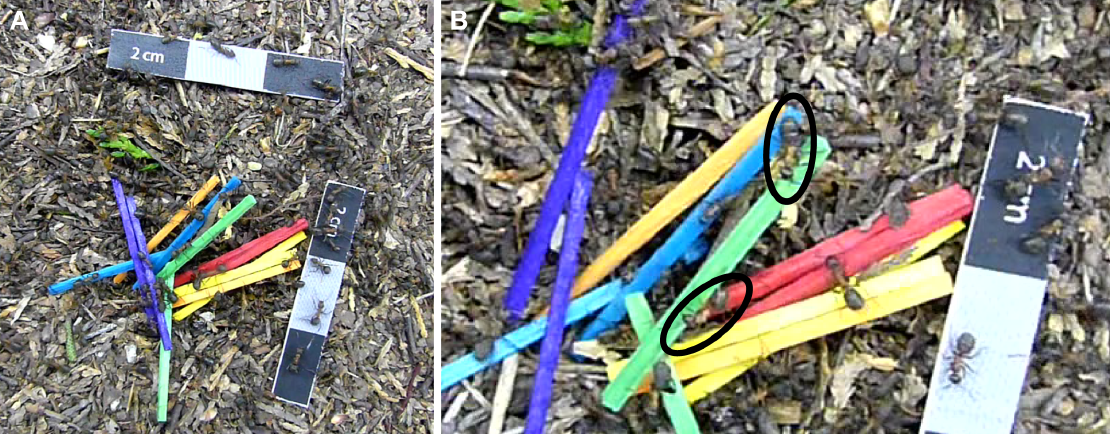
Wood ants maintaining their nests can move sticks cooperatively even when there is no shared destination or leader directing the task. Experiments showed that an ant joining an already moving stick grips it more quickly and aligns itself more precisely than an ant approaching a stationary stick. Ants also remain engaged longer and make fewer grip changes when their efforts successfully reinforce the movement.
23-Jul-2026
Read more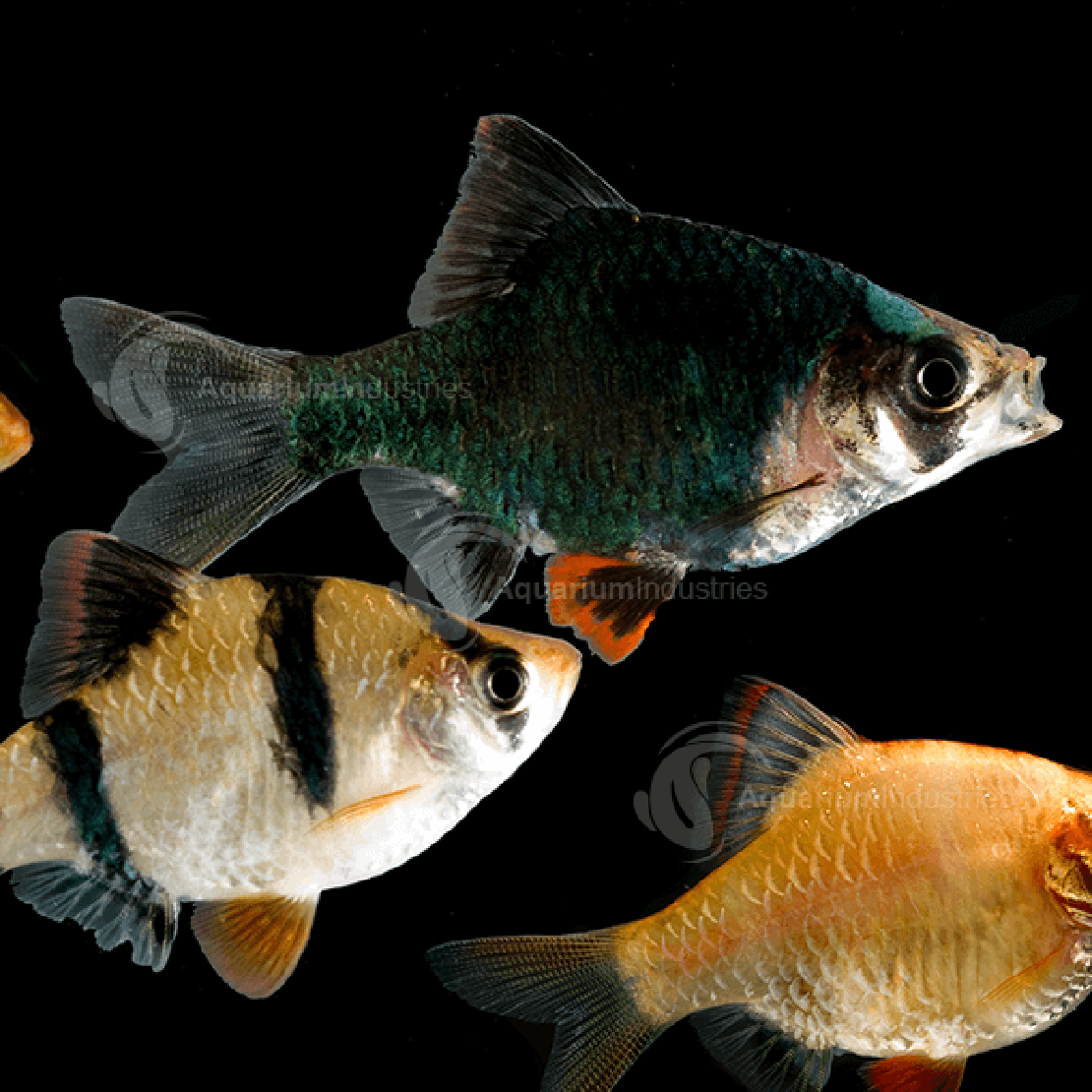
Rosy barbs and tiger barbs have markedly different individual swimming patterns, yet form cohesive mixed-species schools by matching speed through local interactions. The tiger barbs’ slower swimming mode disappears, leaving the combined school dominated by a shared fast-moving state.
22-Jul-2026
Read more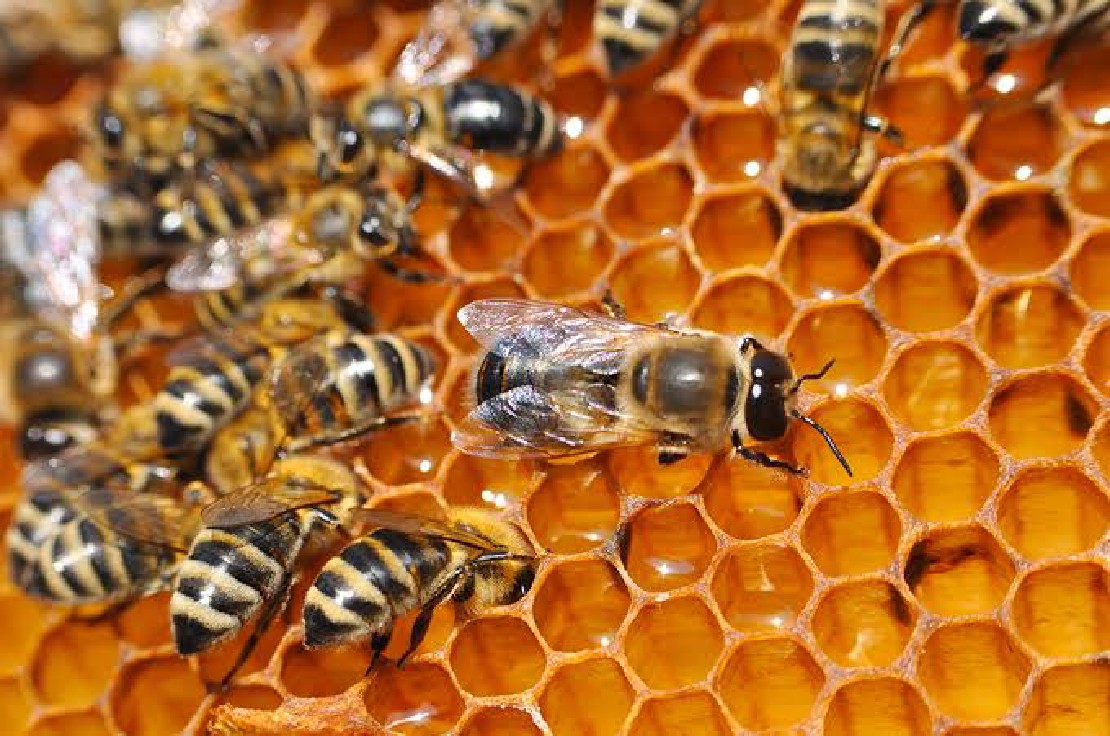
A honeybee-inspired study compares centrally directed organisations with decentralized groups whose members allocate work through local communication and differing behavioural thresholds. Both arrangements can function, but the decentralized model becomes more robust when conditions deteriorate, provided communication remains effective and the group contains an appropriate mixture of cautious and risk-taking individuals.
22-Jul-2026
Read more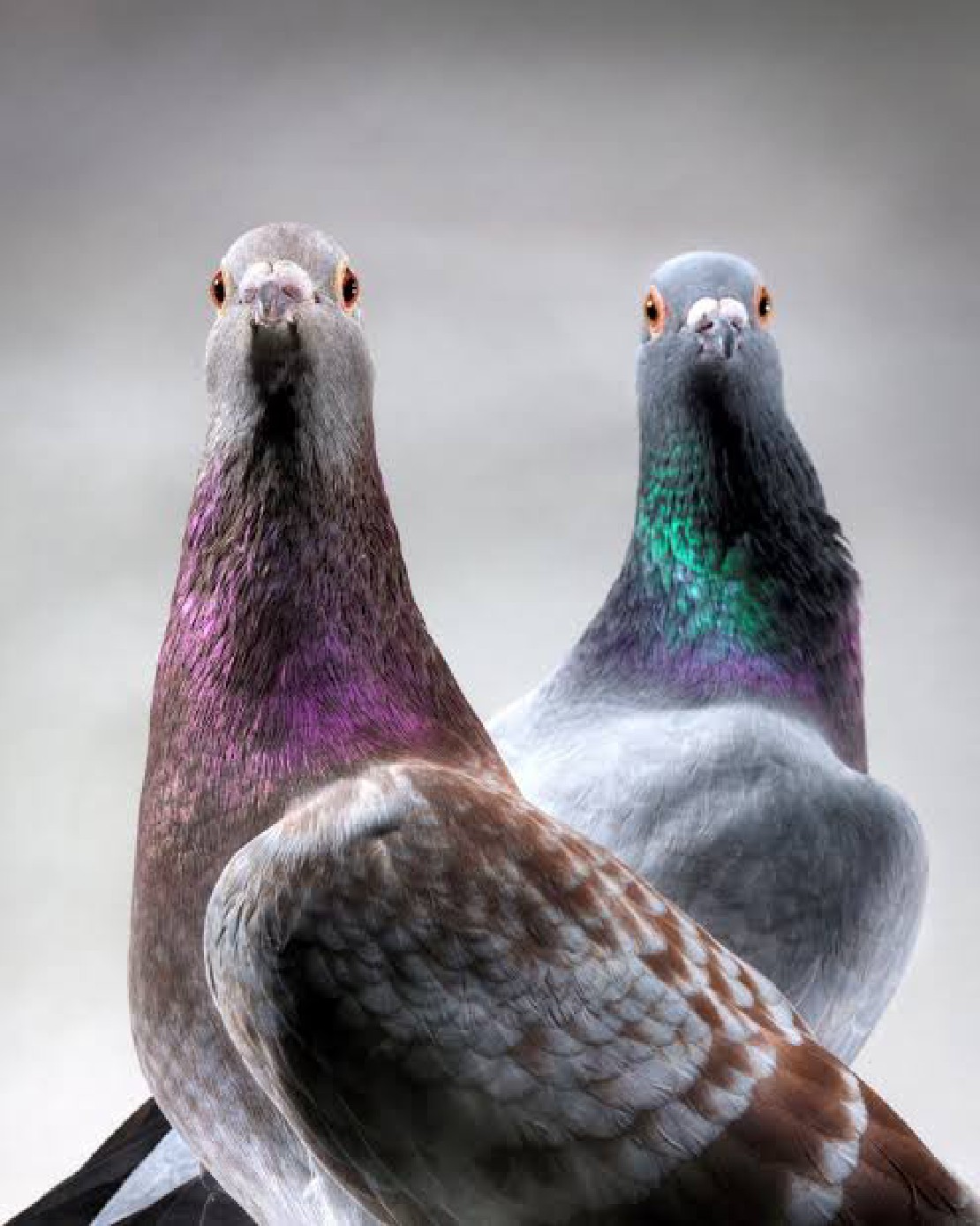
A new preprint examines how pairs of homing pigeons establish leader and follower roles when navigating with unfamiliar partners. The work matters because it reveals how distributed groups can rapidly settle coordination roles without a central authority or an established social history.
22-Jul-2026
Read more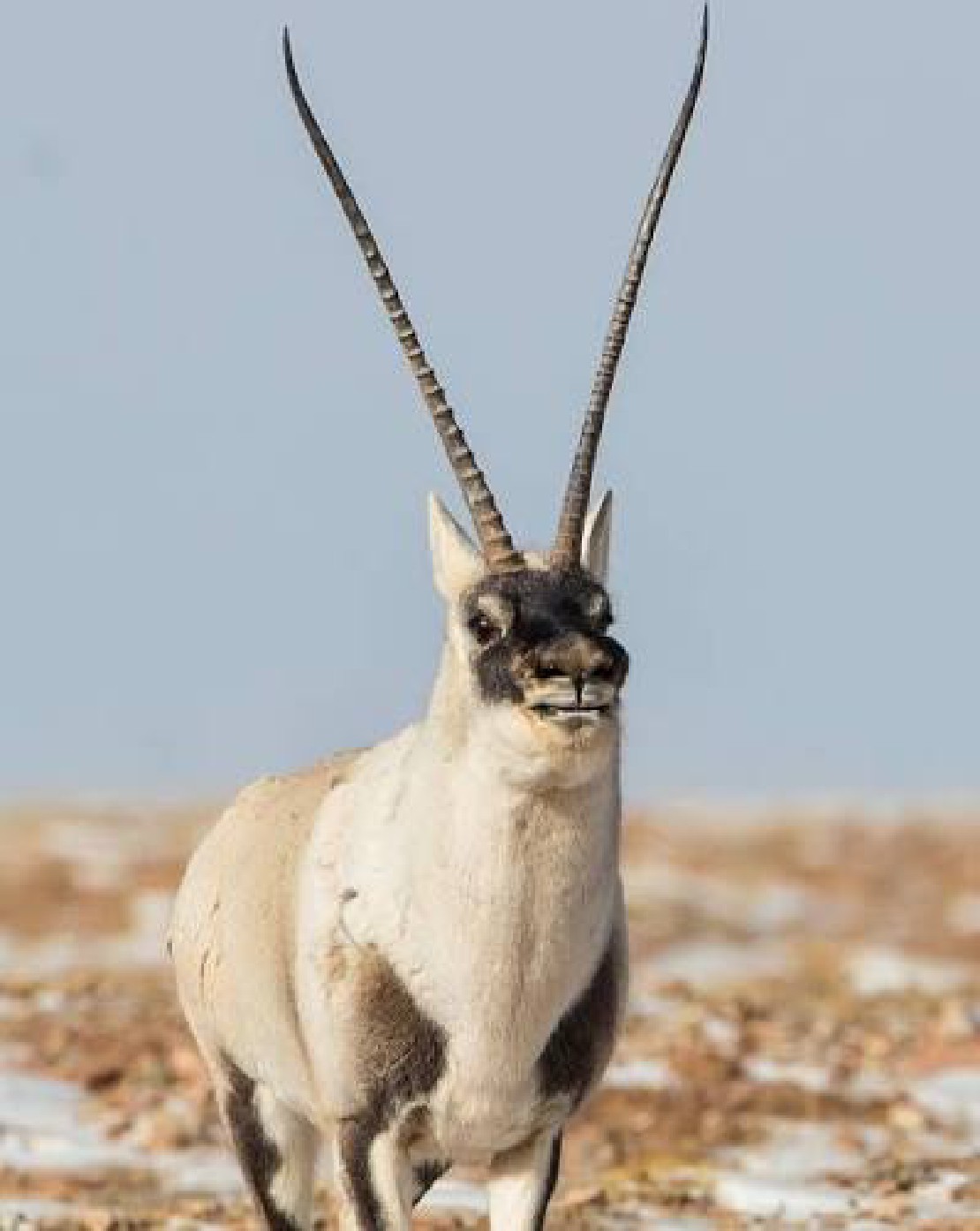
Research published in Behavioral Ecology and Sociobiology used drone footage and trajectory modelling to infer how Tibetan antelopes coordinate while moving. Individuals reacted to directional changes by their nearest neighbours in less than a second, apparently using visually mediated local adjustments.
21-Jul-2026
Read more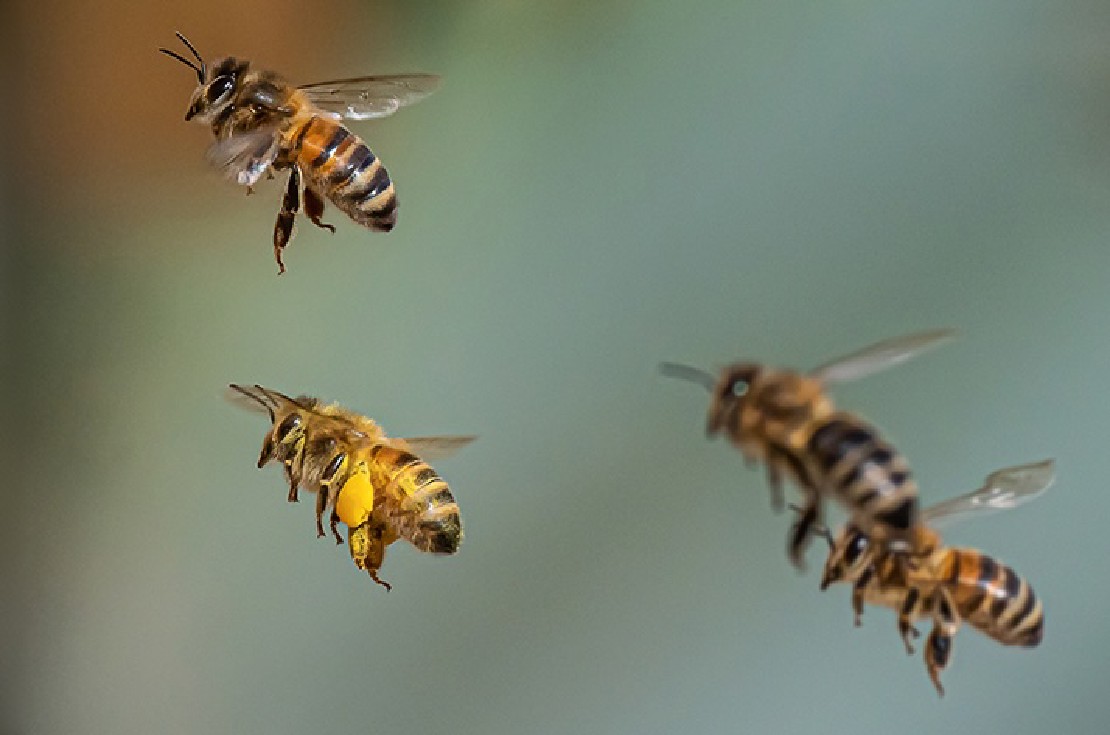
A mathematical study of leaderless collectives found that efficient groups need only a small number of persistent risk-takers to explore during poor conditions, while the majority wait for favourable signals. In honeybees, information returned by scouts allows the wider colony to resume foraging rapidly when conditions improve.
20-Jul-2026
Read more