Cellular Automata
In part one of this series, we looked at a simple example of cellular automata in the form of the Game of Life.
View seriesSoftware, Rewilded.
In part one of this series, we looked at a simple example of cellular automata in the form of the Game of Life. But these constructs existed before Conway in 1970. Software has been able to reproduce itself for decades. In 1988, the Morris worm spread autonomously through about 6,000 of the roughly 60,000 computers then connected to the Internet, causing widespread disruption.
27-Sep-2026
Read more
In part one of this series, we looked at a simple example of cellular automata in the form of the Game of Life.
View seriesPart 4: The dangling conversation In the previous article, we saw bacterial populations defend themselves collectively. Cyanobacteria formed protective flocs, while dying E.
View series(See the original demos announcement at the link). We have added more algorithms to the website to try out and tweak.
View series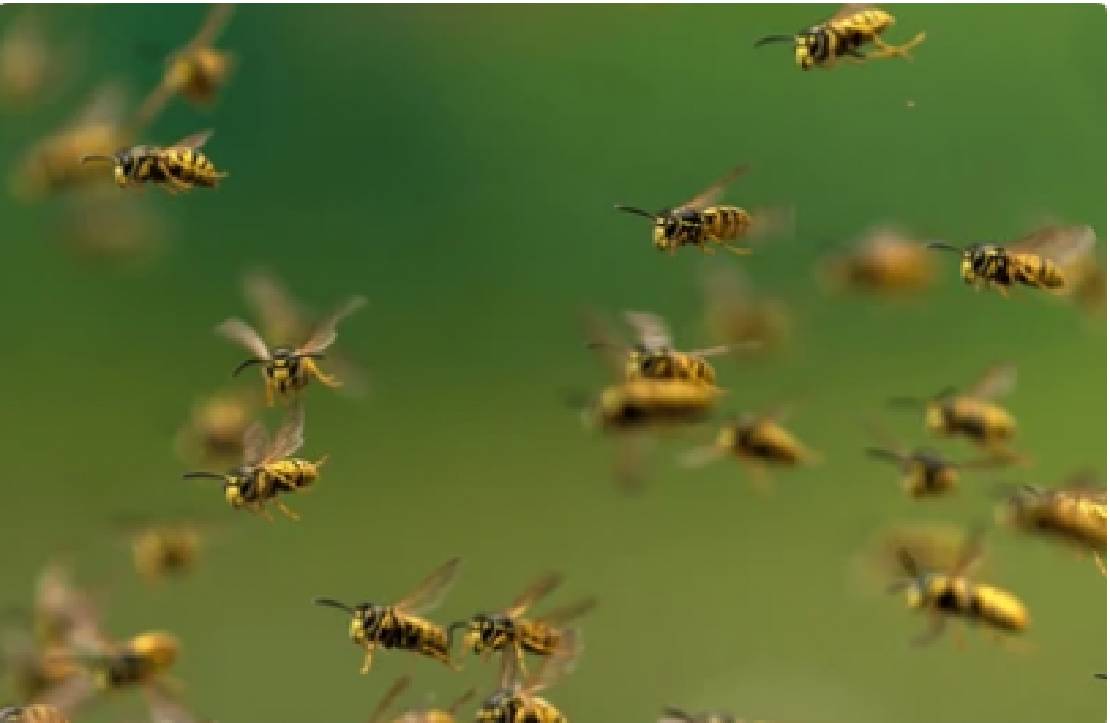
Honeybee groups carry distinct chemical signatures used to distinguish nestmates from outsiders, but those signatures change when groups are brought together. Researchers identified three ethyl esters that reduced defensive recognition behaviour and helped separate groups form a common colony identity.
20-Jul-2026
Read more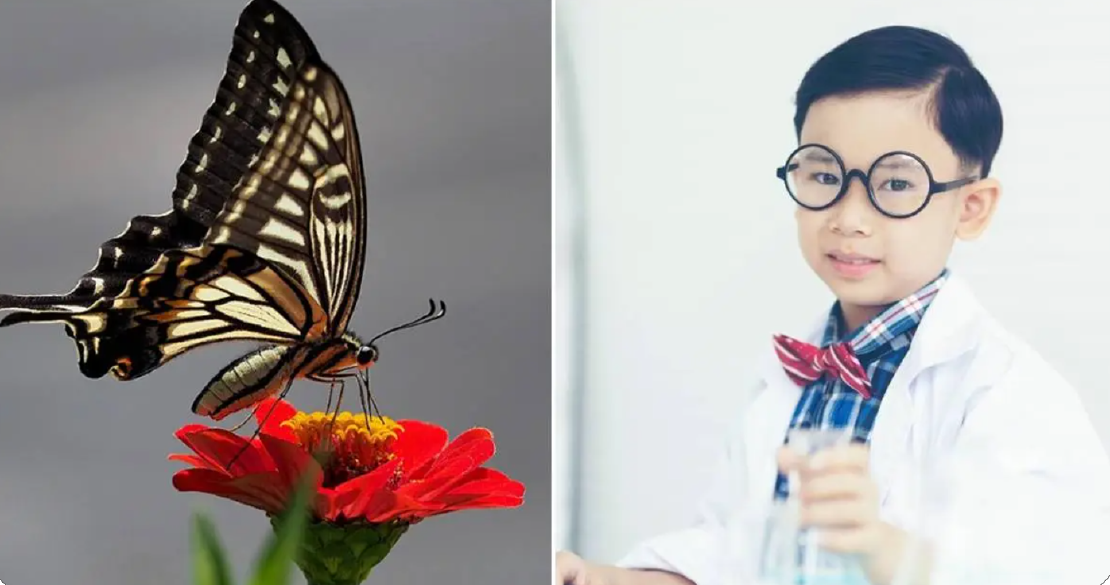
A Japanese boy noticed his butterflies seemed to recognise him. He spent two years design an experiment and proved that metamorphosis does not erase memories formed during the caterpillar stage.
18-Jul-2026
Read more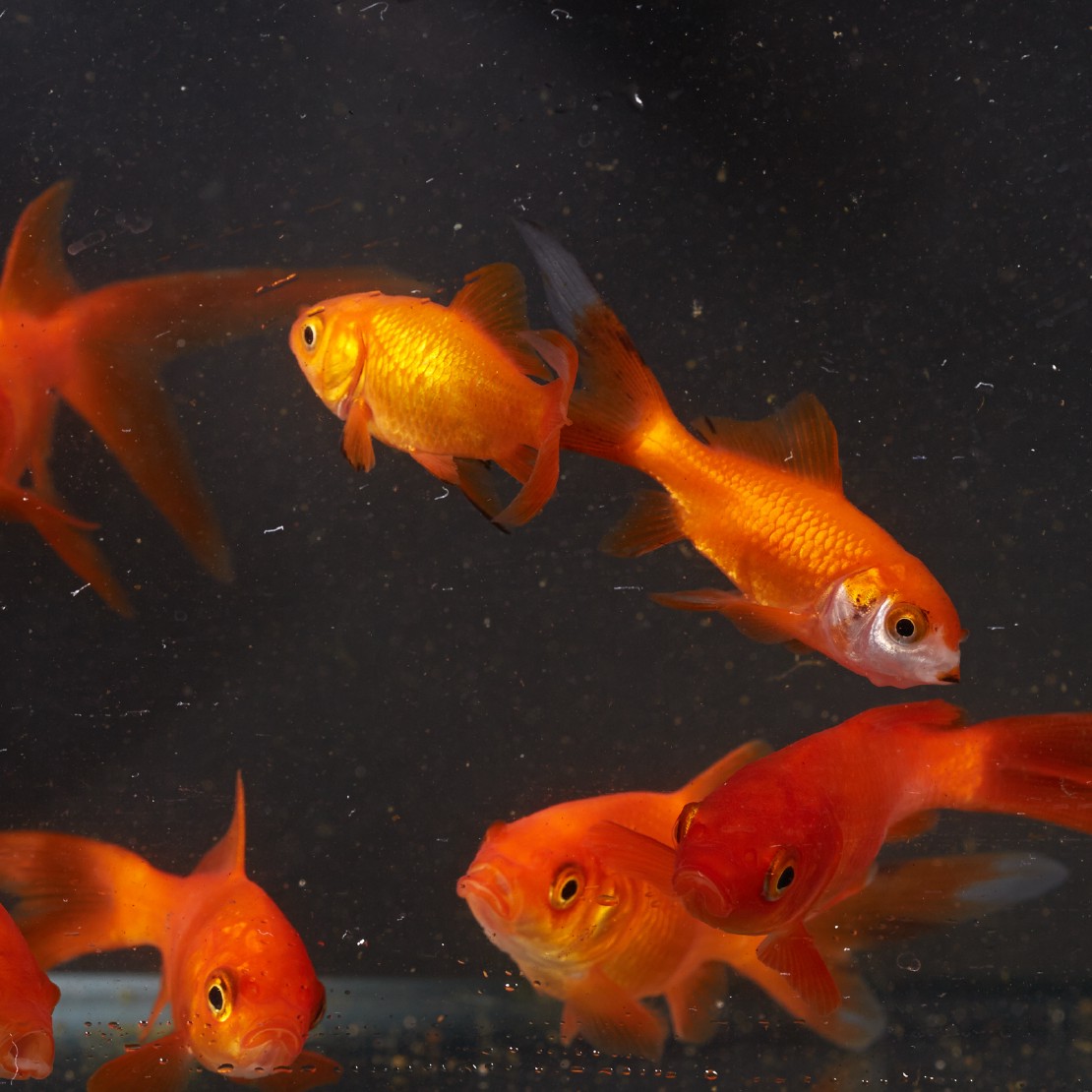
A new preprint examines how goldfish use two forms of social information—the number of fish in a shoal and how actively they are moving—when deciding which group to join. The work helps expose the local cues through which individual preferences can shape larger-scale group formation and movement.
13-Jul-2026
Read more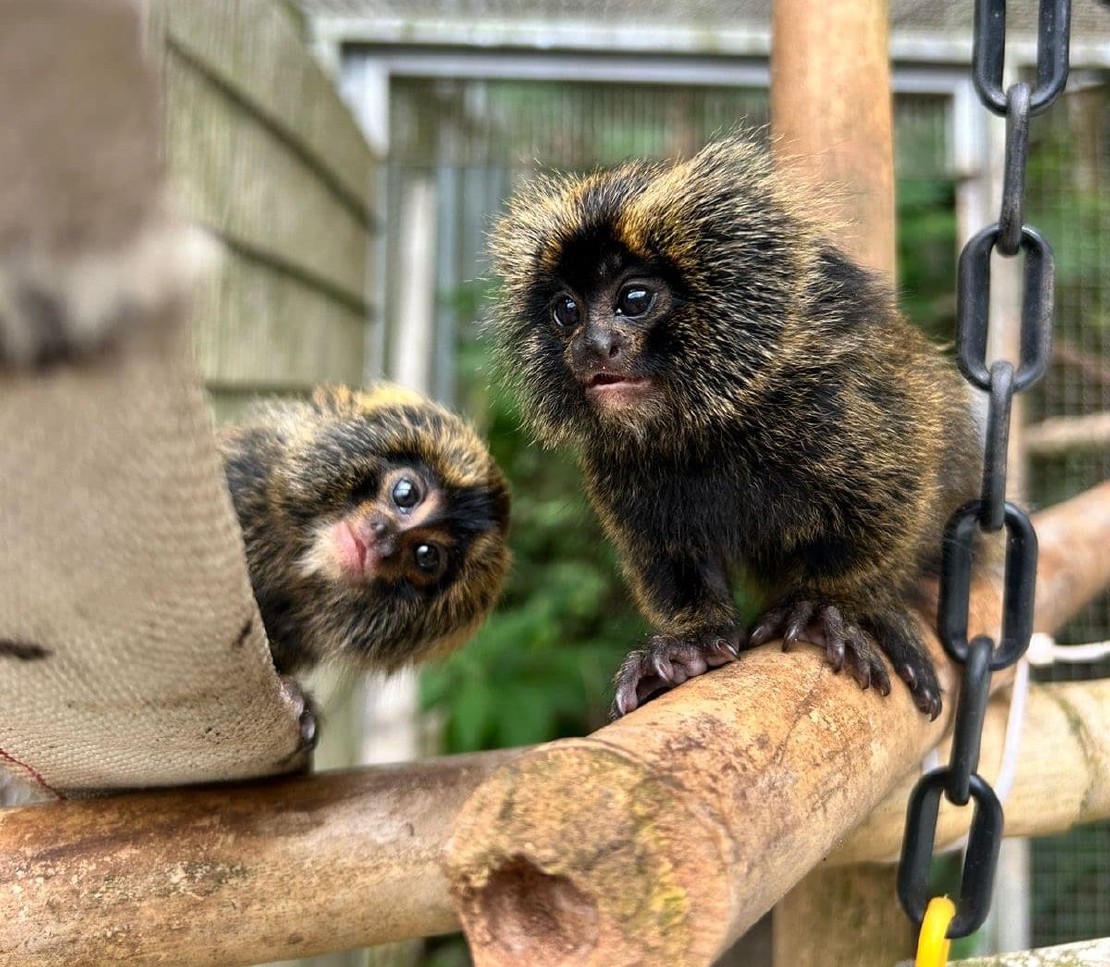
Researchers analysing 1,245 natural vocal interactions found that wild common marmosets use flexible turn-taking, matched call-response sequences, brief pauses, and very little overlap across both within-group and intergroup exchanges.
12-Jul-2026
Read more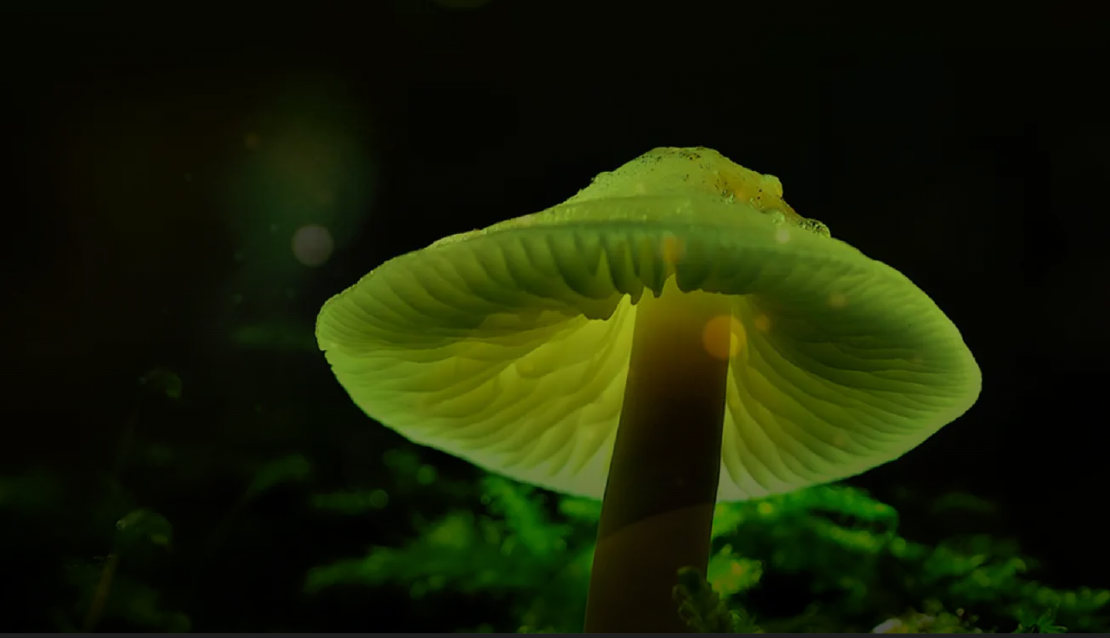
Researchers combined more than 16,000 soil samples with predictive models to map the global density of arbuscular mycorrhizal fungal networks.
11-Jul-2026
Read more
Long before the dawn of modern parenting, animals laid eggs and moved on, leaving their progeny to fend for themselves. Now, a study published in Nature uncovers one of the elegant ways that evolution transformed neglect into nurture.
11-Jul-2026
Read more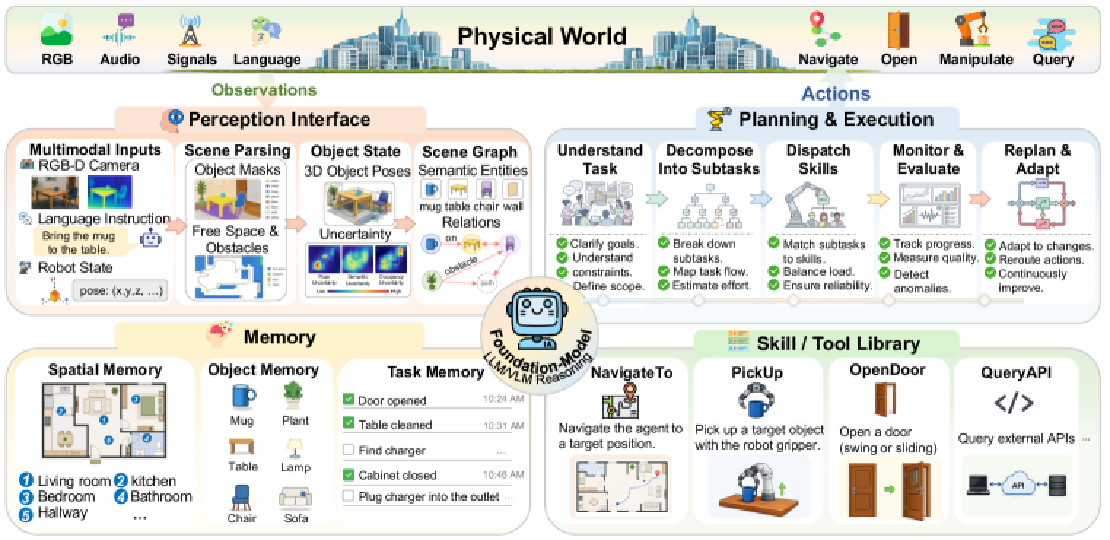
This paper proposes “Embodied Collective Intelligence,” where robot teams share world memory, task progress, and skill experience without becoming a centralized super-agent.
03-Jul-2026
Read more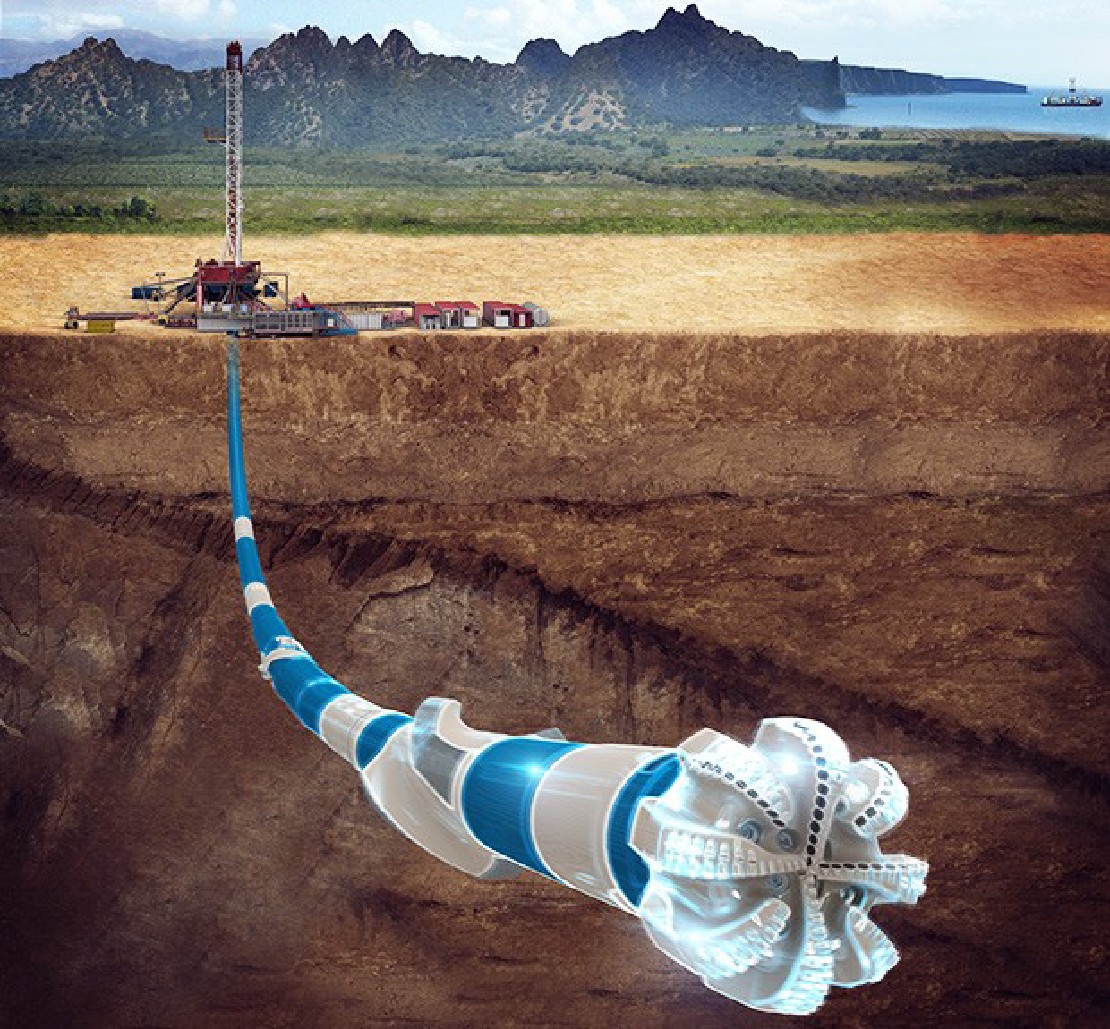
Here is a practical engineering use of ant colony optimization in directional drilling mechanics.
03-Jul-2026
Read more