Long before the dawn of modern parenting, animals laid eggs and moved on, leaving their progeny to fend for themselves. Now, a study published in Nature uncovers one of the elegant ways that evolution transformed neglect into nurture.
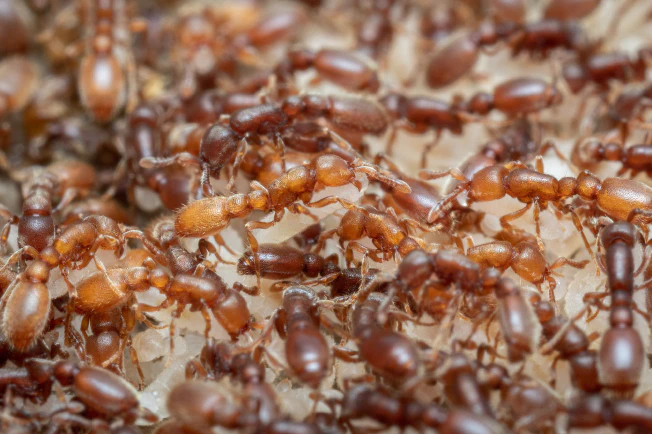
Working in clonal raider ants, a surprisingly parental insect, researchers found that, rather than evolving entirely new brain circuits for caregiving, evolution repurposed ancient neural systems for regulating hunger into triggers for social behaviors. Researchers studying clonal raider ants found that two neuropeptides act as opposing regulators of colony roles: NPF promotes brood care, while AstA pushes workers toward foraging. Their balance changes with age and nutritional state, helping produce an age-dependent division of labour without a central allocator.
“Our work is a prime example of how evolution seldom invents things from scratch,” says Daniel Kronauer, head of the Laboratory of Social Evolution and Behavior at Rockefeller. “Evolution takes what it has and works with that, sometimes in very surprising ways.”