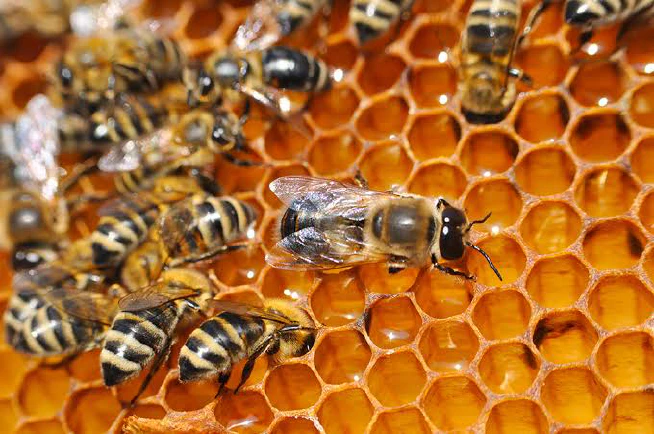
A honeybee-inspired study compares centrally directed organisations with decentralized groups whose members allocate work through local communication and differing behavioural thresholds. Both arrangements can function, but the decentralized model becomes more robust when conditions deteriorate, provided communication remains effective and the group contains an appropriate mixture of cautious and risk-taking individuals.
The important mechanism is not leaderlessness alone. Resilience emerges from diversity among agents and continual local exchange, allowing work to be redistributed without waiting for a central controller to diagnose and repair the organisation.
Why it matters: The study offers a direct design lesson for distributed software and robot swarms: heterogeneous local decision rules can provide adaptive capacity that homogeneous agents or centralized assignment systems lack.