Automatic Design of Stigmergy-Based Behaviours for Robot Swarms

Leaving breadcrumbs (well, pheronome trails) to lead the way. https://pmc.ncbi.nlm.nih.gov/articles/PMC10956014/
Read more
Leaving breadcrumbs (well, pheronome trails) to lead the way. https://pmc.ncbi.nlm.nih.gov/articles/PMC10956014/
Read more
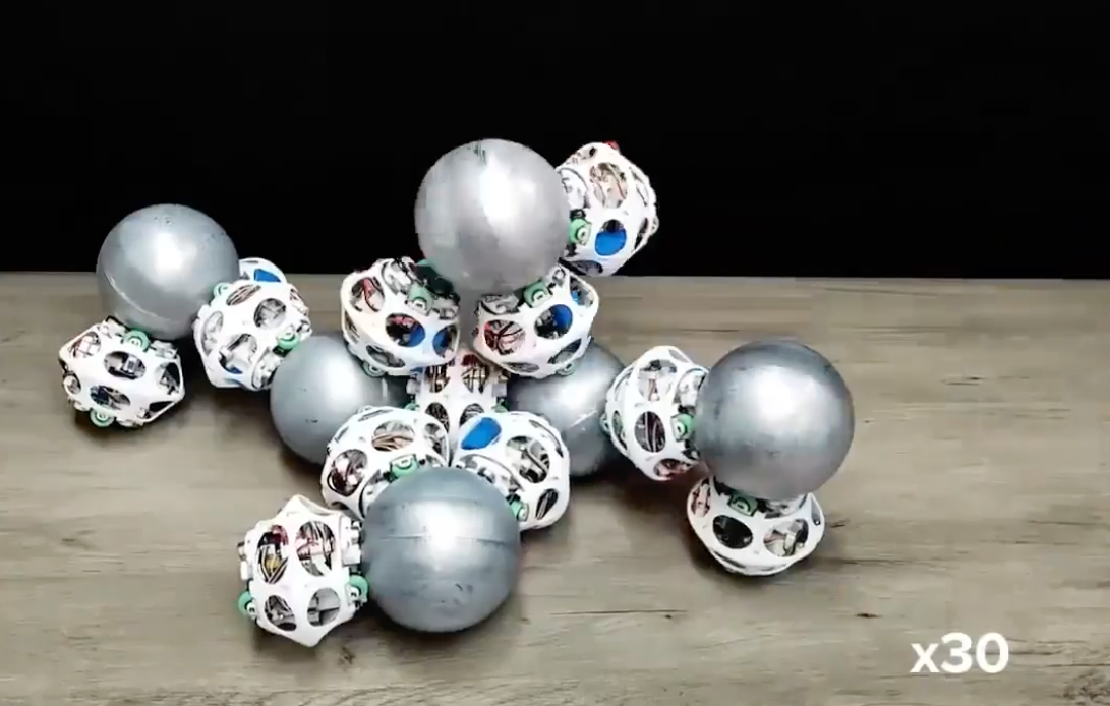
This article reports on a robot system inspired by how ants communicate using pheromone trails. Instead of real chemicals, the robots follow artificial “pheromone” signals so they can coordinate with one another and make group decisions in a similar way to ants.
Read more
Fractals! Ant colonies, materials like gases and liquids, and robot swarms may all follow a similar underlying pattern: lots of individuals behaving somewhat randomly, but still producing large-scale collective behaviour.
Read more
Honeybees do more than just follow the “direction and distance” in another bee’s waggle dance. They seem to combine that message with their own memory of landmarks in the landscape, so they can form an expectation of what the route should look like and fly more efficiently.
Read more
This paper looked at how honey bees pass on food-location information through the waggle dance, and found that these recruitment networks are actually quite thin rather than densely connected.
Read more
The algorithm models ant nest-selection behaviour to solve the “best-of-n” consensus problem using only local signalling. It demonstrates how response thresholds, recruitment, and biasing mechanisms enable robust distributed agreement without central control.
Read more
The accelerator targets startups explicitly using biological signalling, coordination, and adaptation principles. These programs often surface applied implementations of swarm intelligence and collective sensing before they appear in formal literature.
Read more
This study shows ants make faster pheromone-guided decisions in low-distraction environments, suggesting that signal clarity vs. environmental noise is a critical factor in stigmergic coordination.
Read more
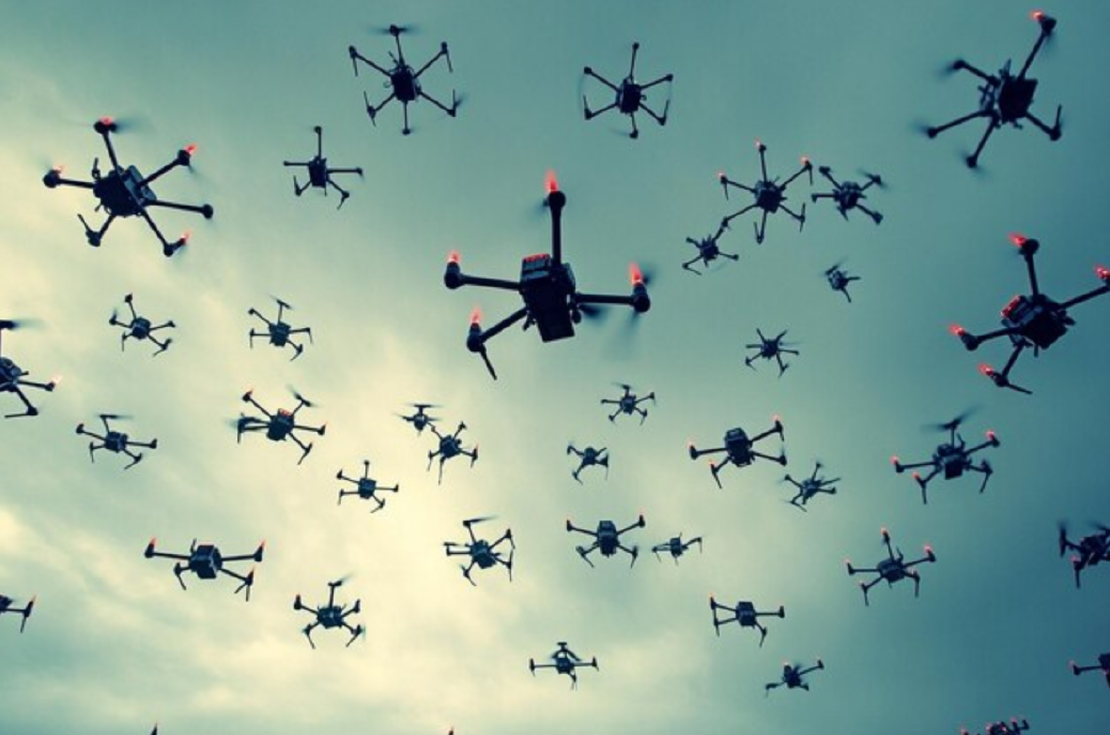
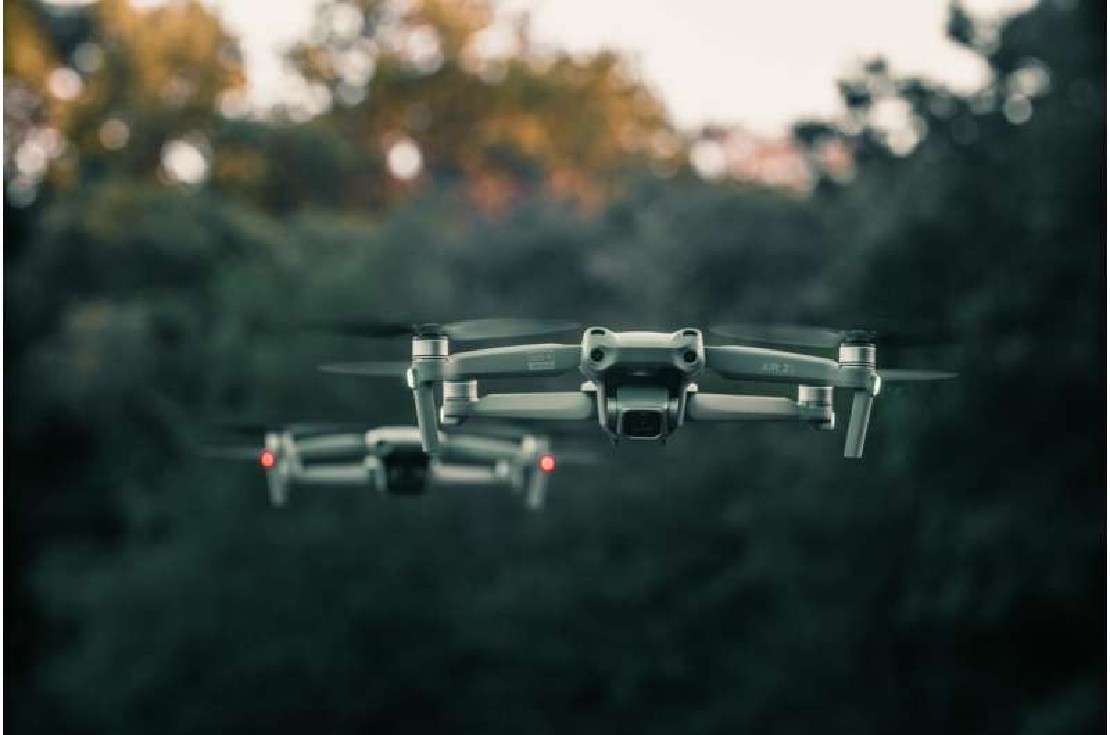
This paper explores a way for drones to communicate with each other visually, instead of relying on radio, by copying signalling ideas from animals like bees, deer, and peacocks.
Read more
Anyone remember smart dust? A cloud of sensors were thrown from a plane into a .. real cloud to study storms, wind patterns, etc.
Read more