An autonomous drone swarm forms a moving three-dimensional defensive wall
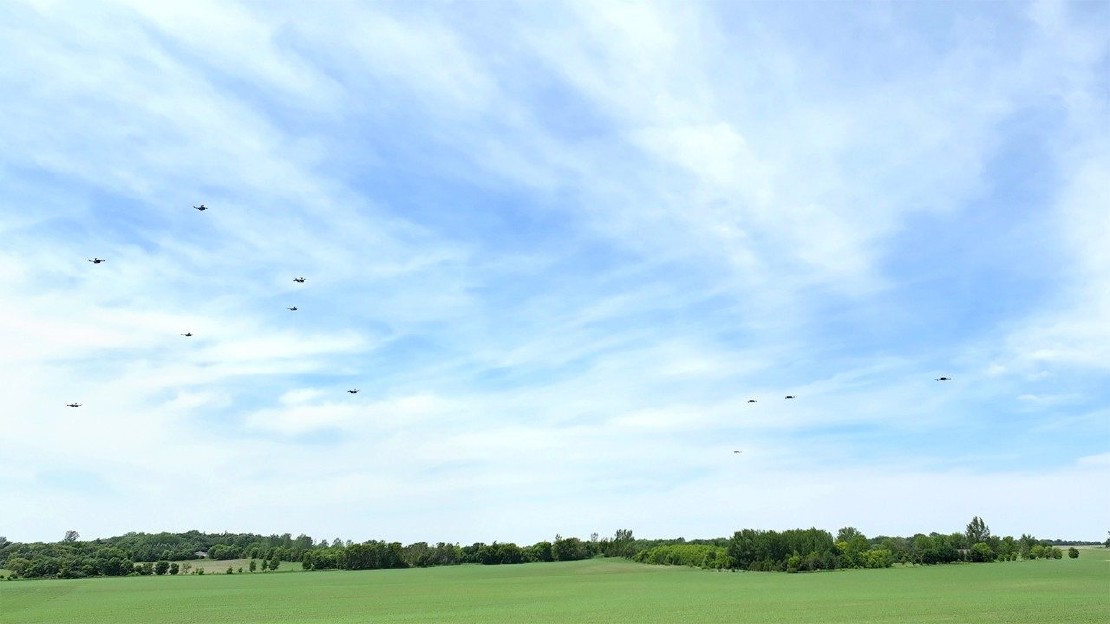
A field demonstration has used a coordinated autonomous drone swarm to intercept another swarm by forming a three-dimensional barrier in its path.
Read moreA field demonstration has used a coordinated autonomous drone swarm to intercept another swarm by forming a three-dimensional barrier in its path.
Read more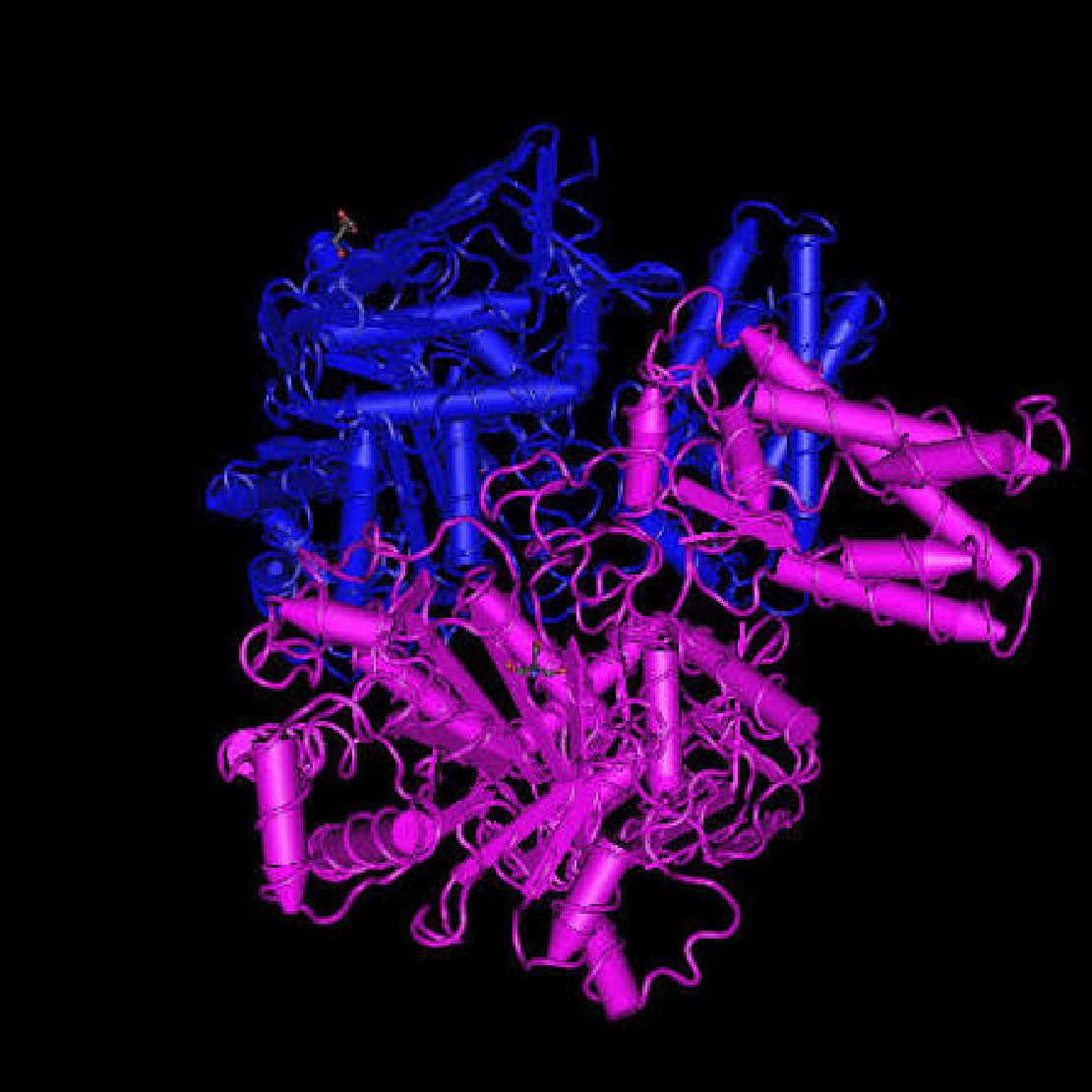
Bacterial “zorbing” is a newly discovered form of collective social movement where spherical, biofilm-like microcolonies of Flavobacterium johnsoniae “walk” and migrate together across surfaces.
Read more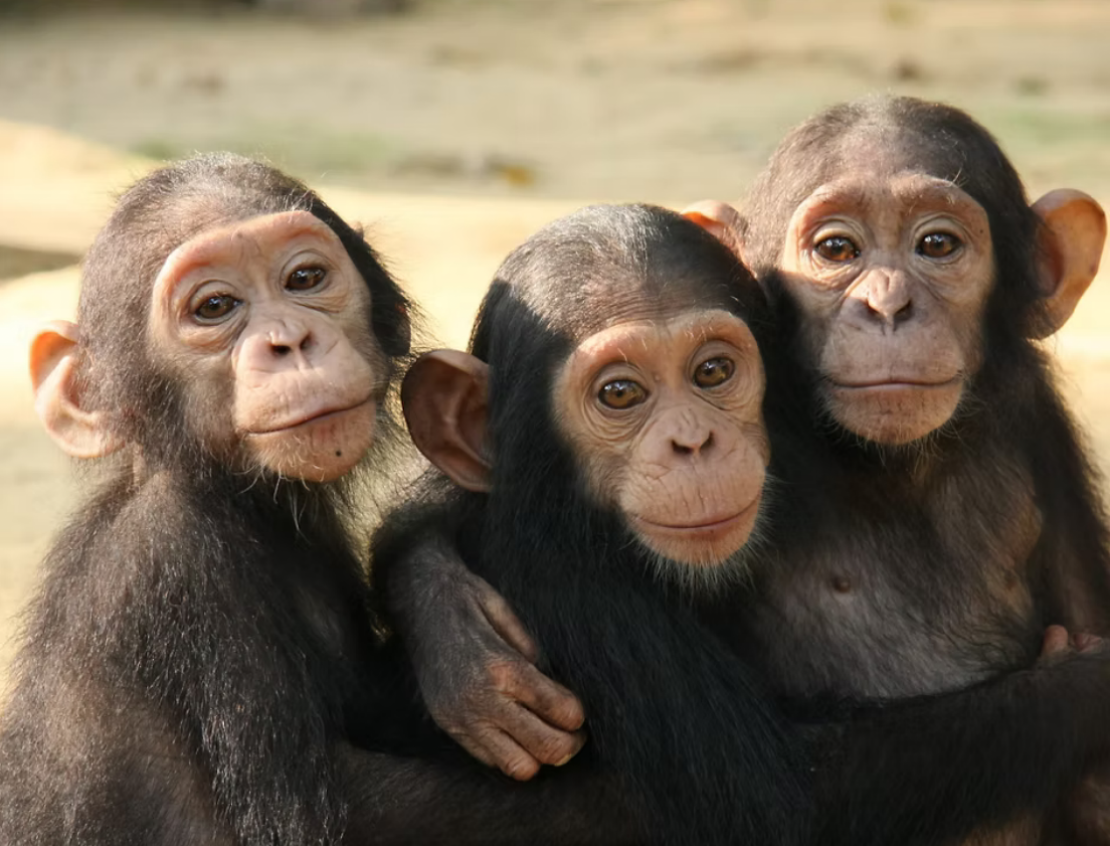
Young chimpanzees develop increasingly distinctive population-specific vocal patterns as they mature. Researchers comparing grunts, whimpers and laughter from two geographically separated communities found that some differences were detectable in infancy while others became stronger during juvenile development.
Read more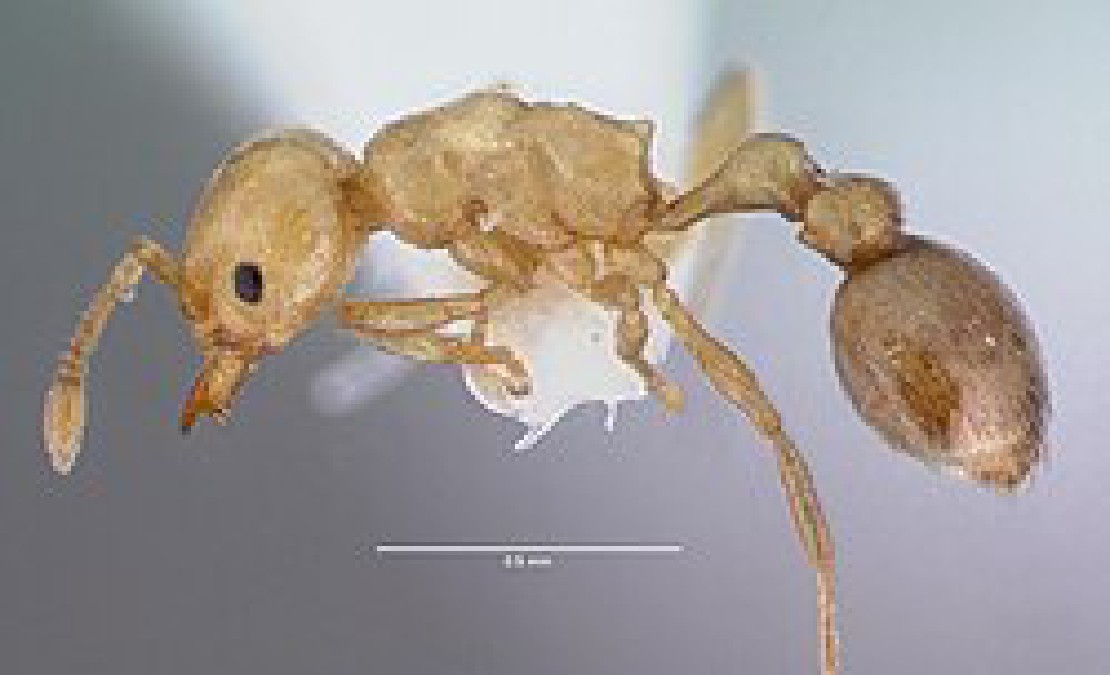
Cardiocondyla ants can dynamically switch between nutrients supplied by an ancient bacterial symbiont and their own alternative metabolic pathway. This is a strong natural example of graceful degradation and functional redundancy.
Read more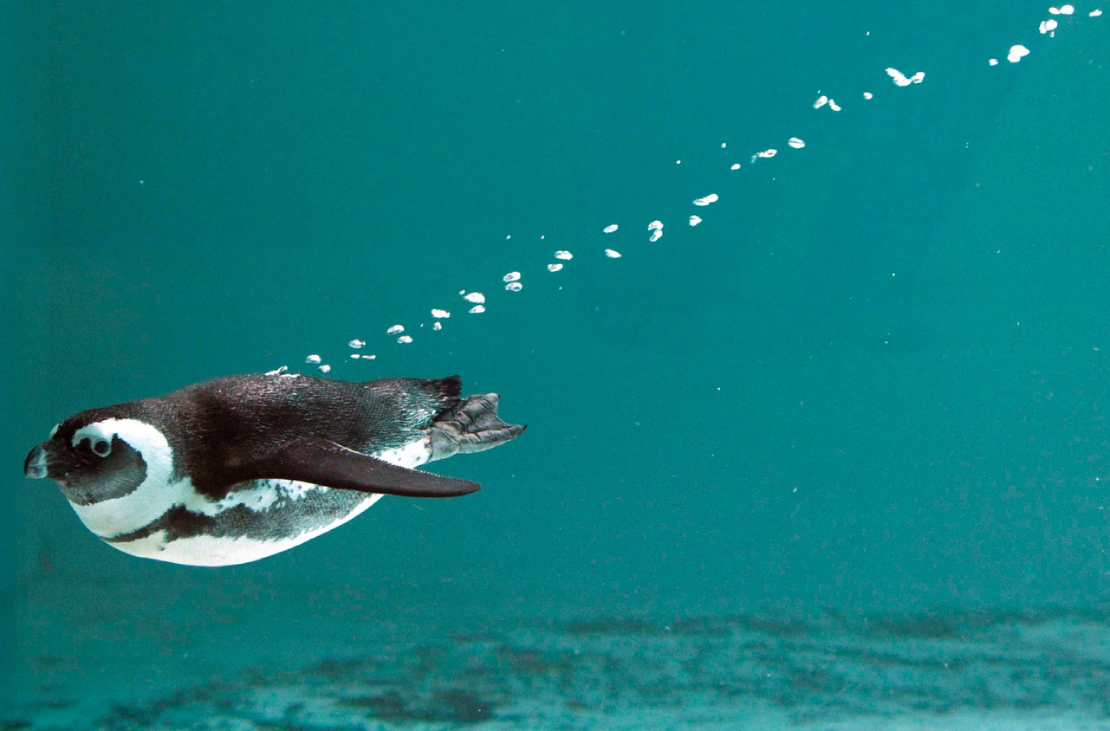
Collective animals can communicate indirectly through the fluid disturbances their own movements leave behind. This extends stigmergy beyond persistent structures such as ant pheromone trails or termite construction.
Read more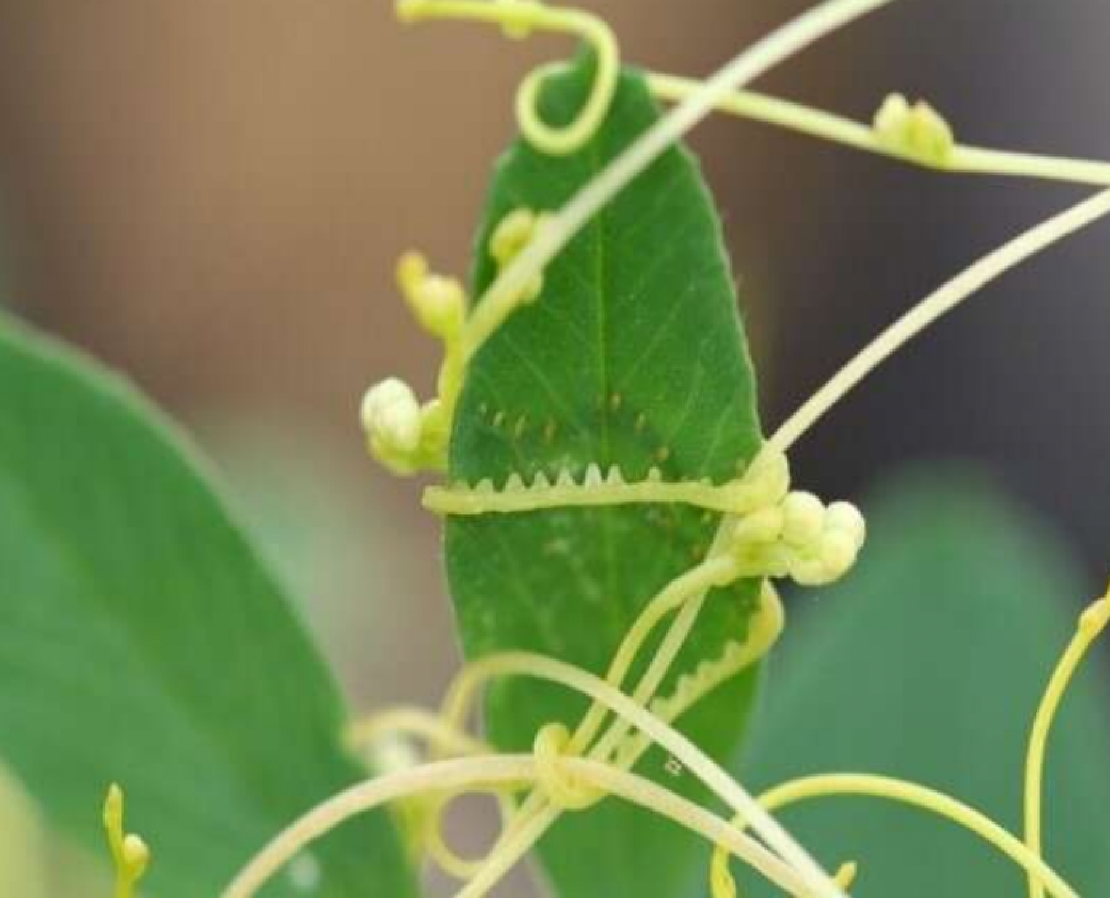
Dodder vines may function as biological communication bridges linking otherwise separate plants through direct vascular connections. Cuscuta forms haustoria that penetrate host tissues, but those connections carry considerably more than water and nutrients.
Read more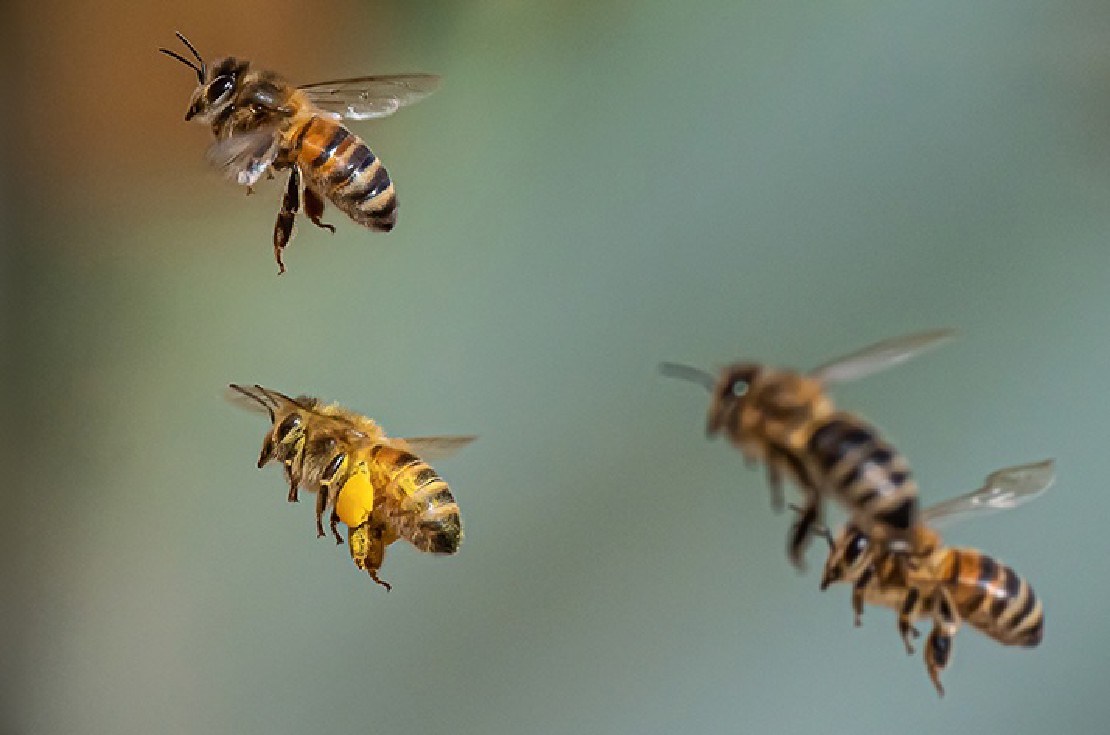
Bumble bee colonies can reorganise from a queen-centred hierarchy into a more decentralised social network when the queen disappears. Researchers tracked more than 80 million interactions in matched queenright and queenless Bombus impatiens colonies.
Read more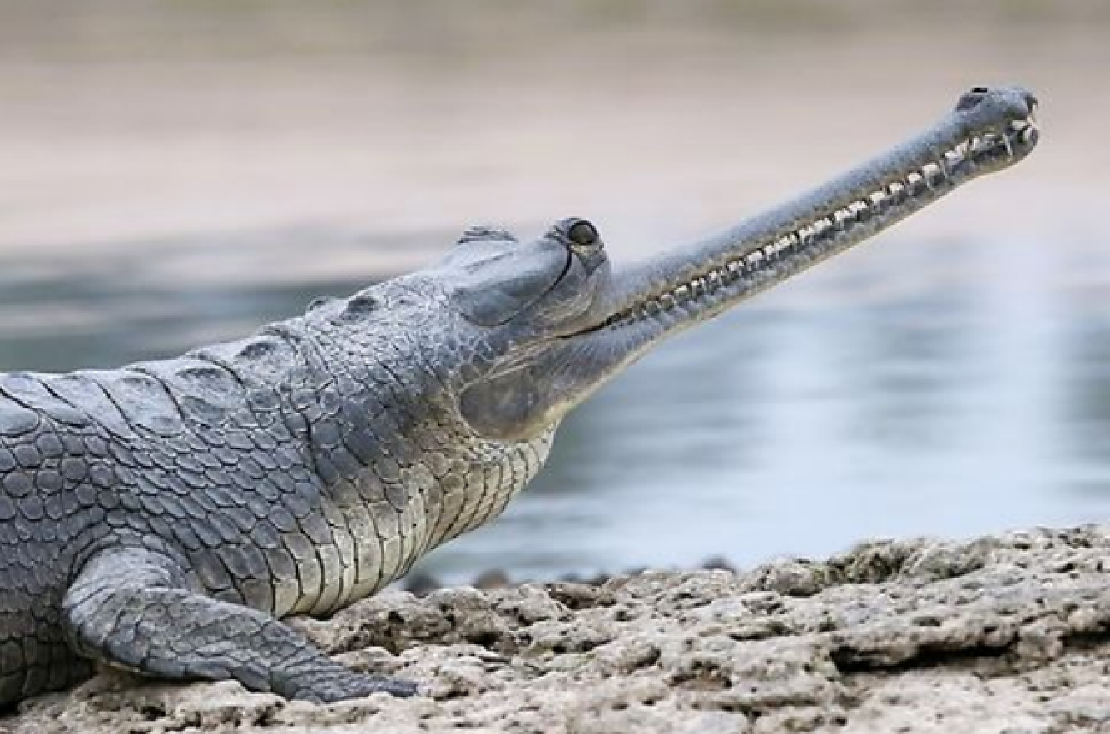
Reptiles use surprisingly adaptable acoustic signals to identify individuals, synchronize group behaviour and modify messages when environmental conditions change. Male gharials produce distinctive underwater pop sequences that appear to encode individual identity, while crocodilian and turtle embryos vocalize from inside their eggs, helping siblings synchronize hatching and nest departure.
Read more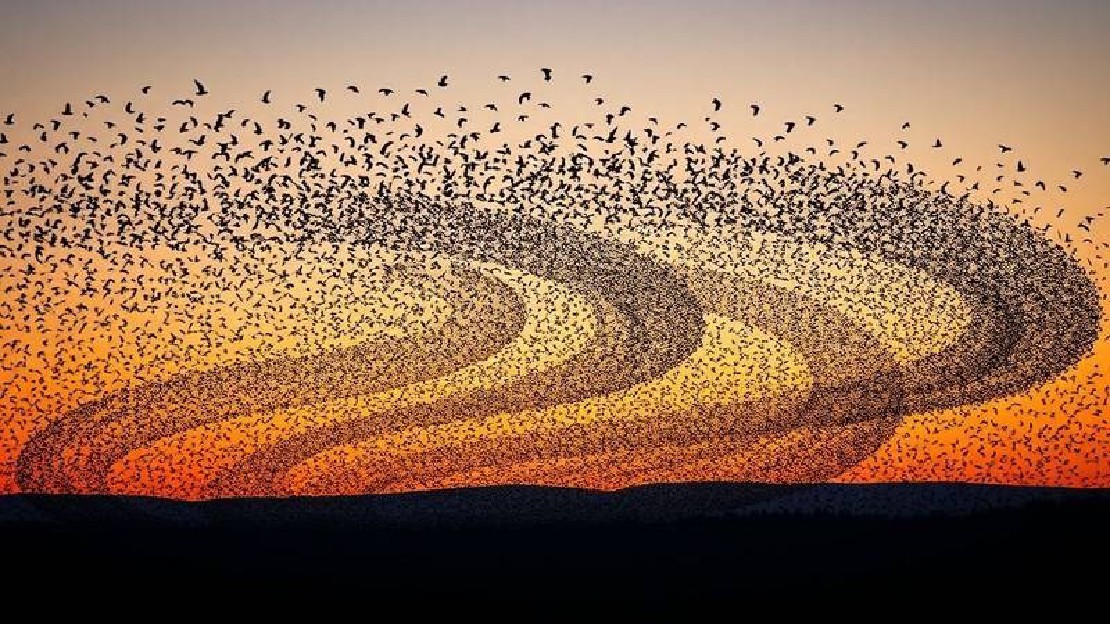
A minimal flocking model shows that a directional change initiated by one agent can propagate across an entire group at approximately constant speed through asymmetric local interactions alone.
Read more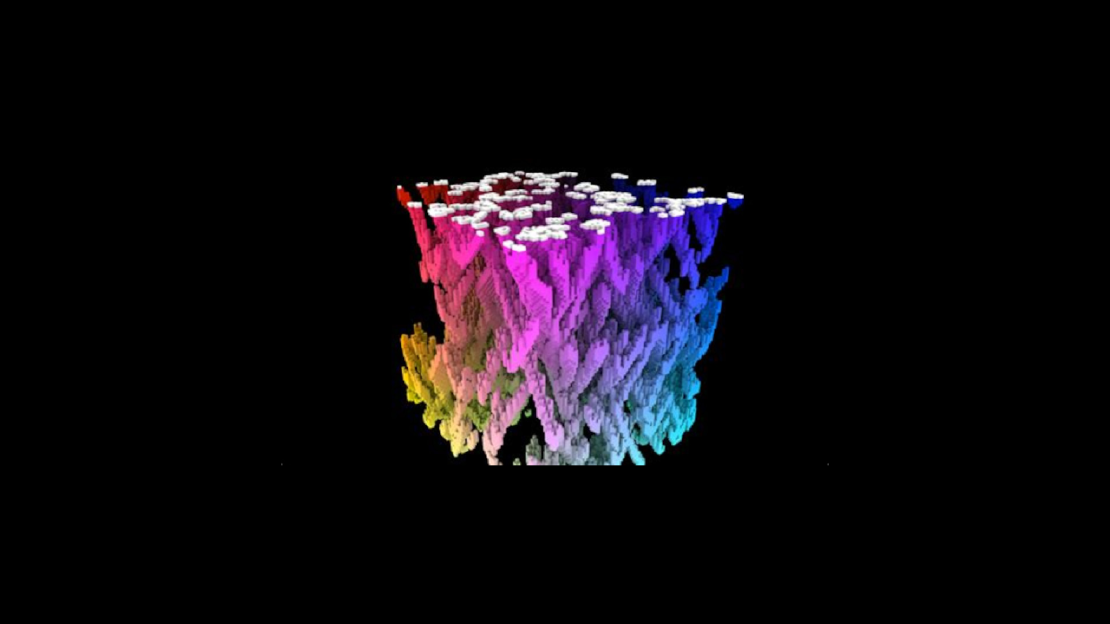
Act I Part 1: The Game with No Player The adaptive-emergent blog has over 100 posts on swarm and natural intelligence: communication even though some of these describe the most basic microbial life.
Read more