An autonomous drone swarm forms a moving three-dimensional defensive wall
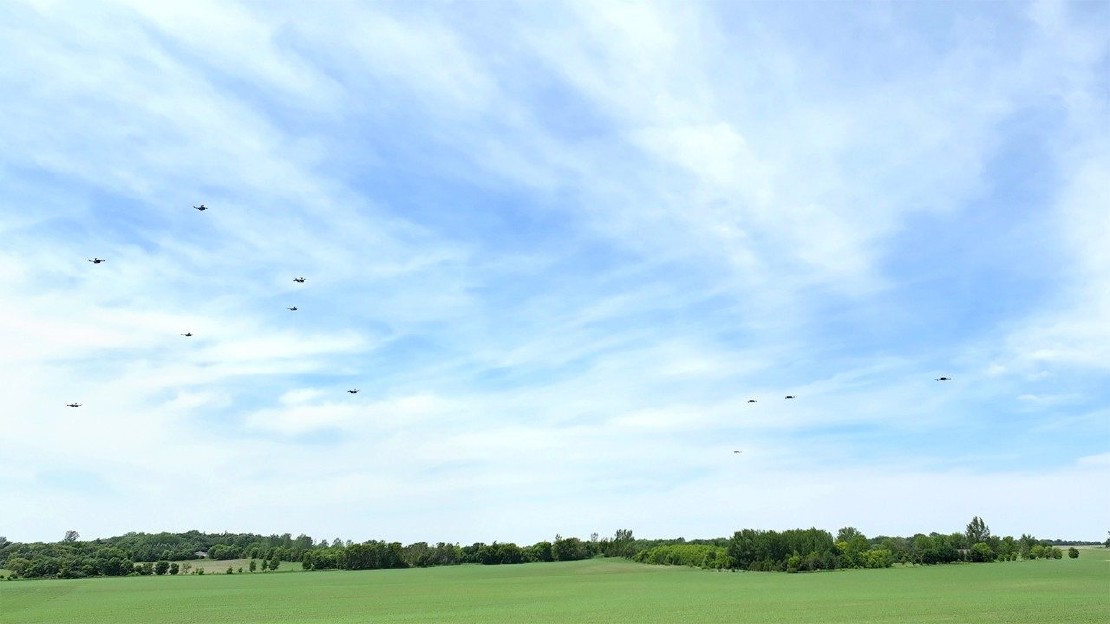
A field demonstration has used a coordinated autonomous drone swarm to intercept another swarm by forming a three-dimensional barrier in its path.
Read moreA field demonstration has used a coordinated autonomous drone swarm to intercept another swarm by forming a three-dimensional barrier in its path.
Read more
Researchers from the University of Michigan set out to discover whether scientists could get round that lack of data by piggy-backing on research carried out on humans.
Read more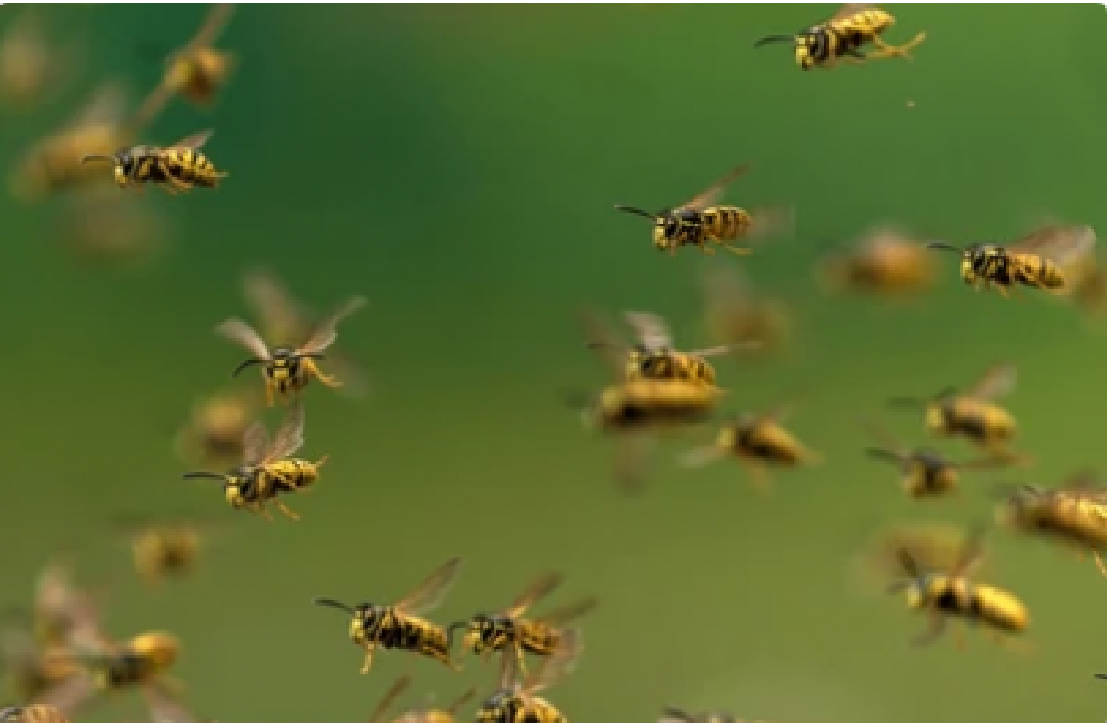
To operate autonomously, minimal robot swarms must make timely and reliable collective decisions despite noisy individual sensing and severe constraints on communication, computation, and memory.
Read more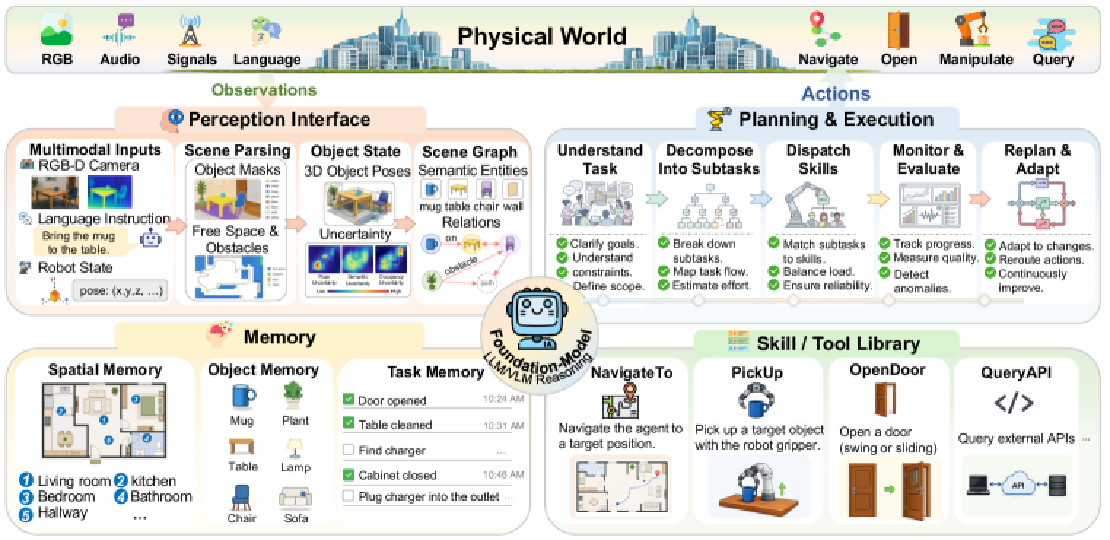
This paper proposes “Embodied Collective Intelligence,” where robot teams share world memory, task progress, and skill experience without becoming a centralized super-agent.
Read more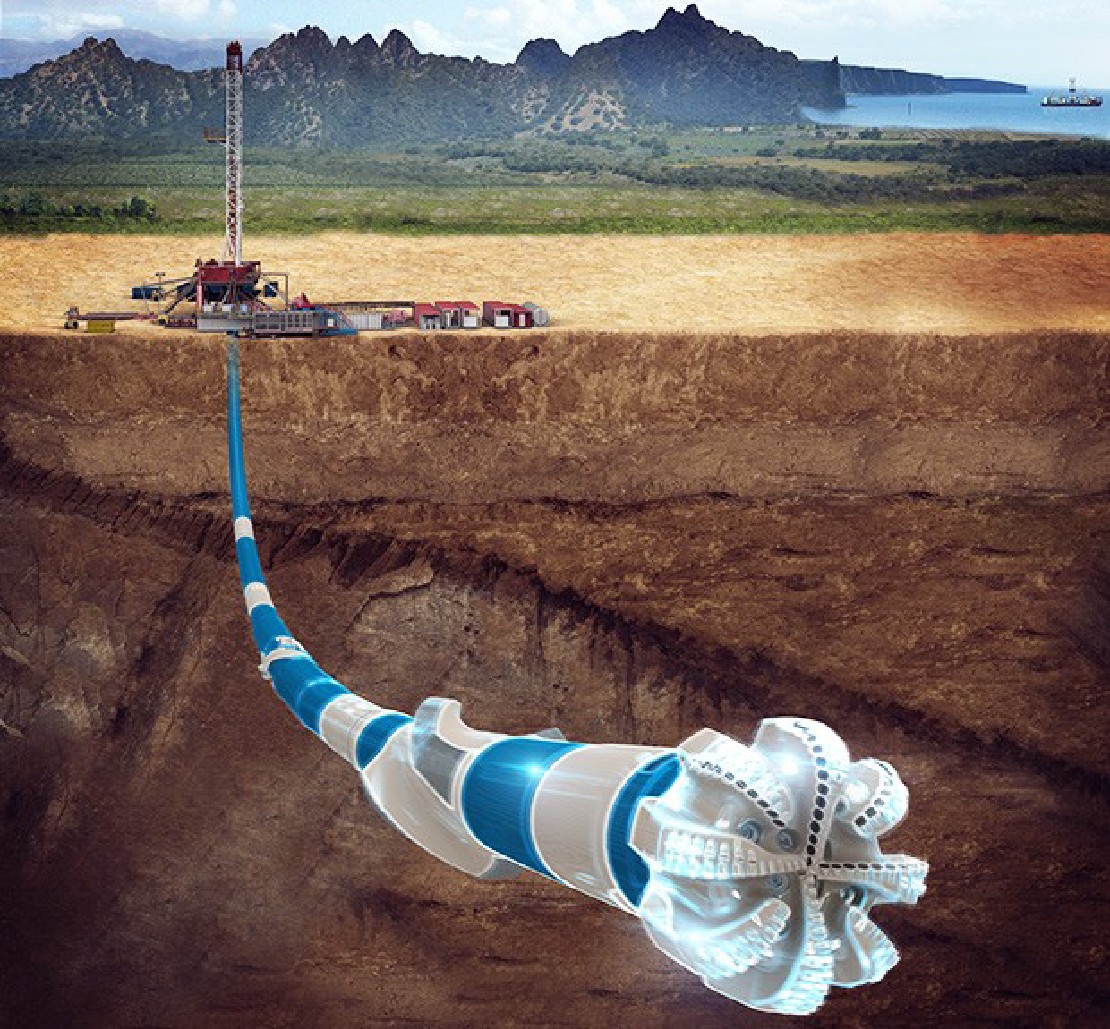
Here is a practical engineering use of ant colony optimization in directional drilling mechanics. The paper maps bending-energy minimization to artificial ant exploration and reports a 55.
Read more
Pentest Swarm AI uses a shared blackboard, pheromone-weighted findings, and decentralized agent triggers to let attack paths emerge instead of following a fixed pipeline.
Read more
This funding call frames AI safety as a population-level problem involving collusion, cascading failures, emergent communication, and collective capabilities. This closes 9-August-2026.
Read more
Palladyne AI says its SwarmOS software will be tested with U.S. Army warfighters to coordinate heterogeneous unmanned systems without relying on centralized infrastructure.
Read more
INT21’s PTX Kernel Factory uses specialized agent swarms to generate, test, benchmark, and improve low-level GPU kernels across generations. This is a practical software example of evolutionary adaptation: many agents explore candidate solutions, retain evidence, and feed successful traces into the next cycle.
Read more
Google DeepMind’s roadmap treats future AI agents as operational actors that may need containment, monitoring, and layered controls, borrowing ideas from cybersecurity and safety engineering.
Read more