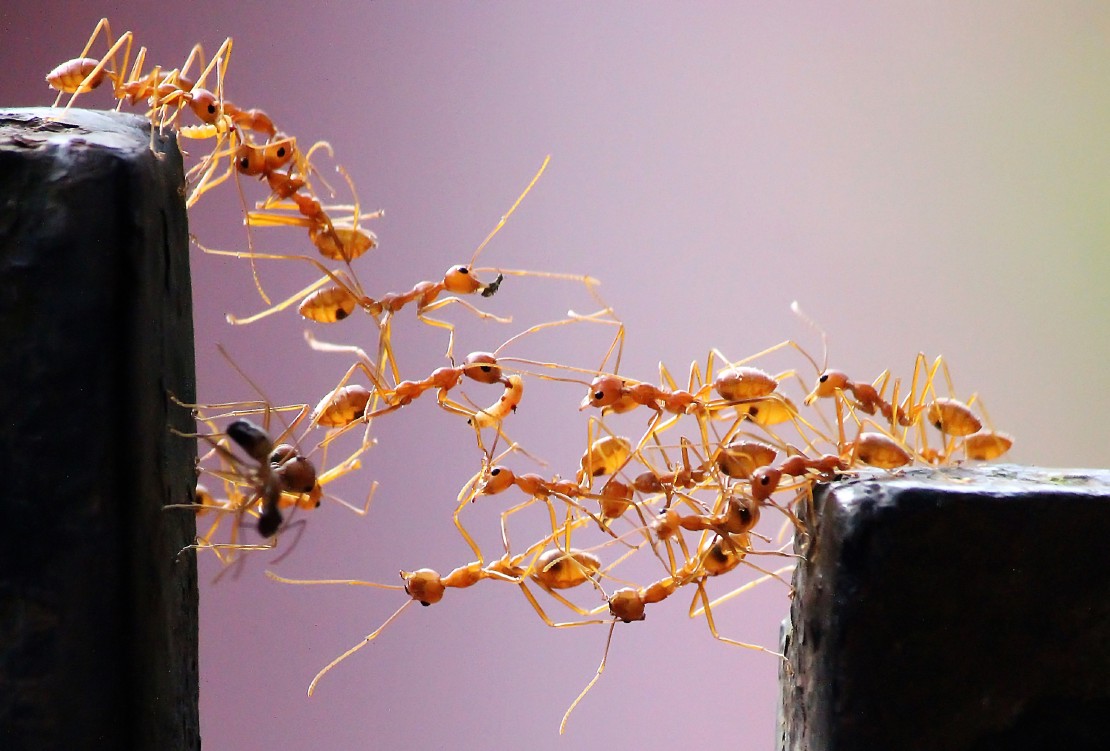
One Ant Can Trigger a Colony-Wide State Change

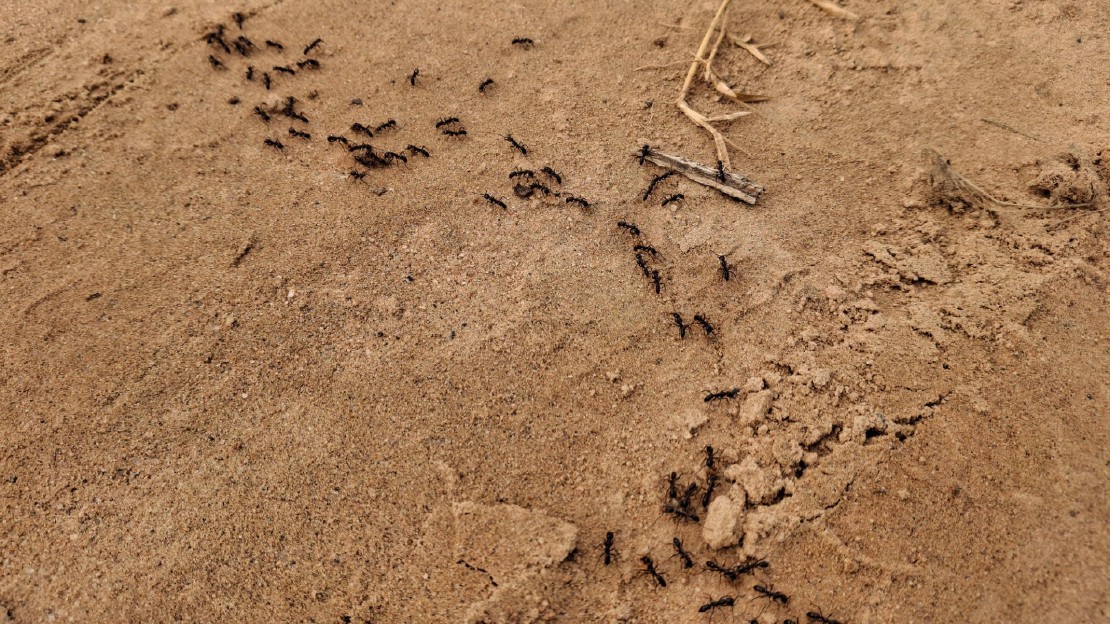
A model grounded in observations of ant colonies suggests that synchronized bursts of activity can begin with a single active worker.
Read more
A model grounded in observations of ant colonies suggests that synchronized bursts of activity can begin with a single active worker.
Read more
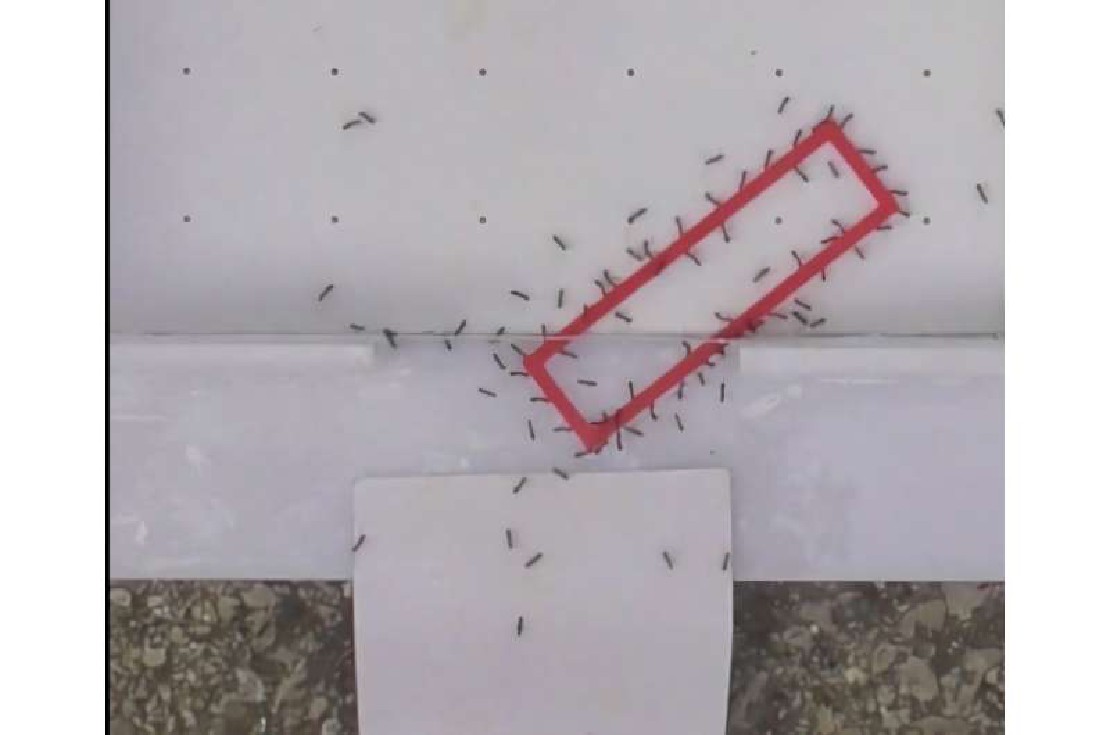
Longhorn crazy ants cooperatively transporting awkward loads through mazes reveal a striking scaling effect: larger teams solve geometrically difficult problems much more effectively than smaller ones, even when the physical burden per ant is held constant.
Read more
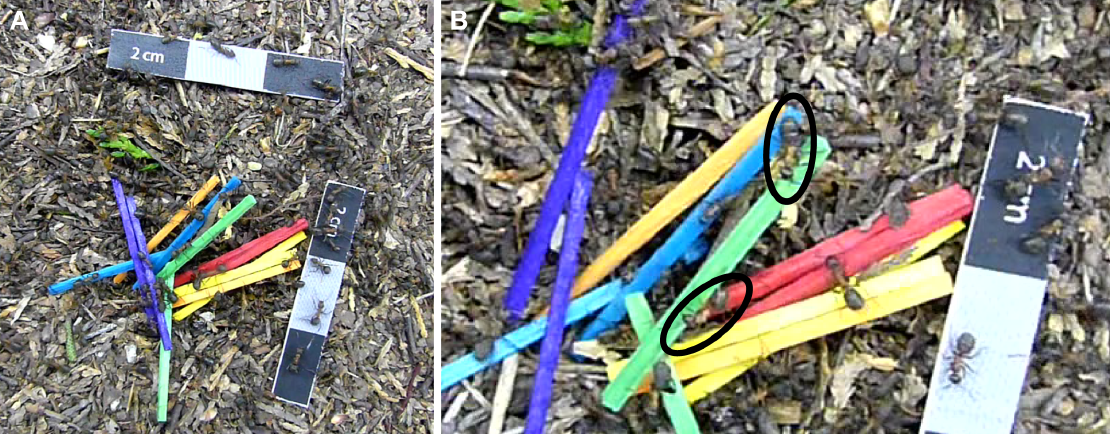
Wood ants maintaining their nests can move sticks cooperatively even when there is no shared destination or leader directing the task.
Read more
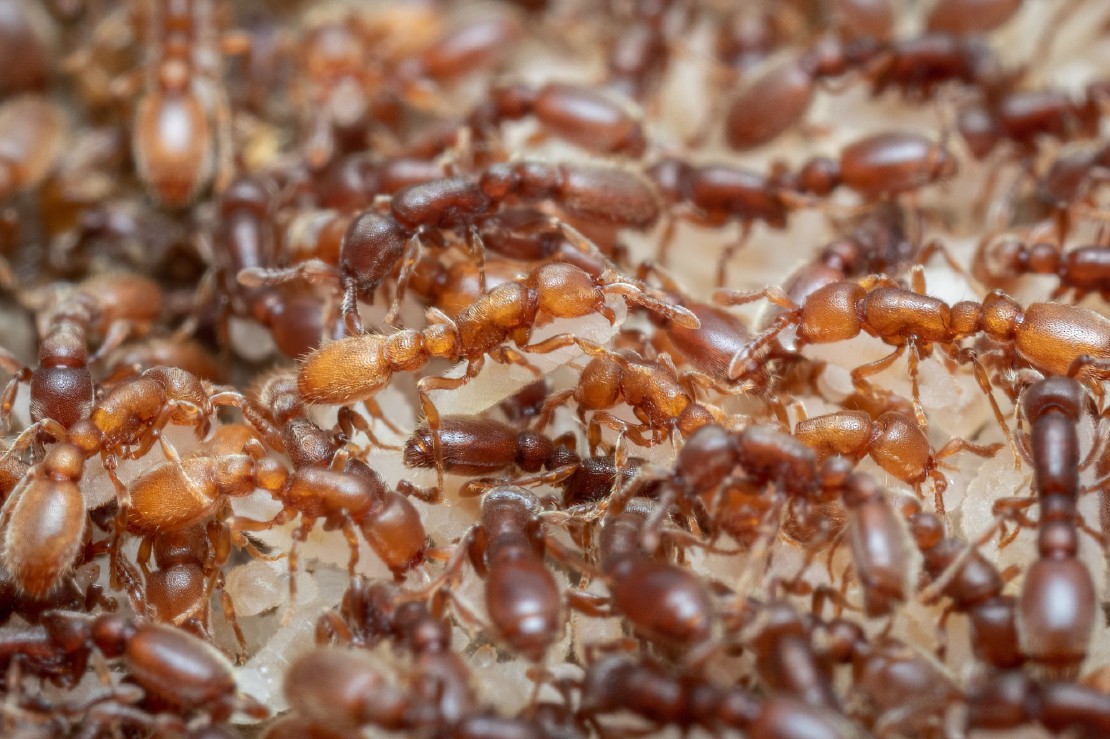
Long before the dawn of modern parenting, animals laid eggs and moved on, leaving their progeny to fend for themselves. Now, a study published in Nature uncovers one of the elegant ways that evolution transformed neglect into nurture.
Read more
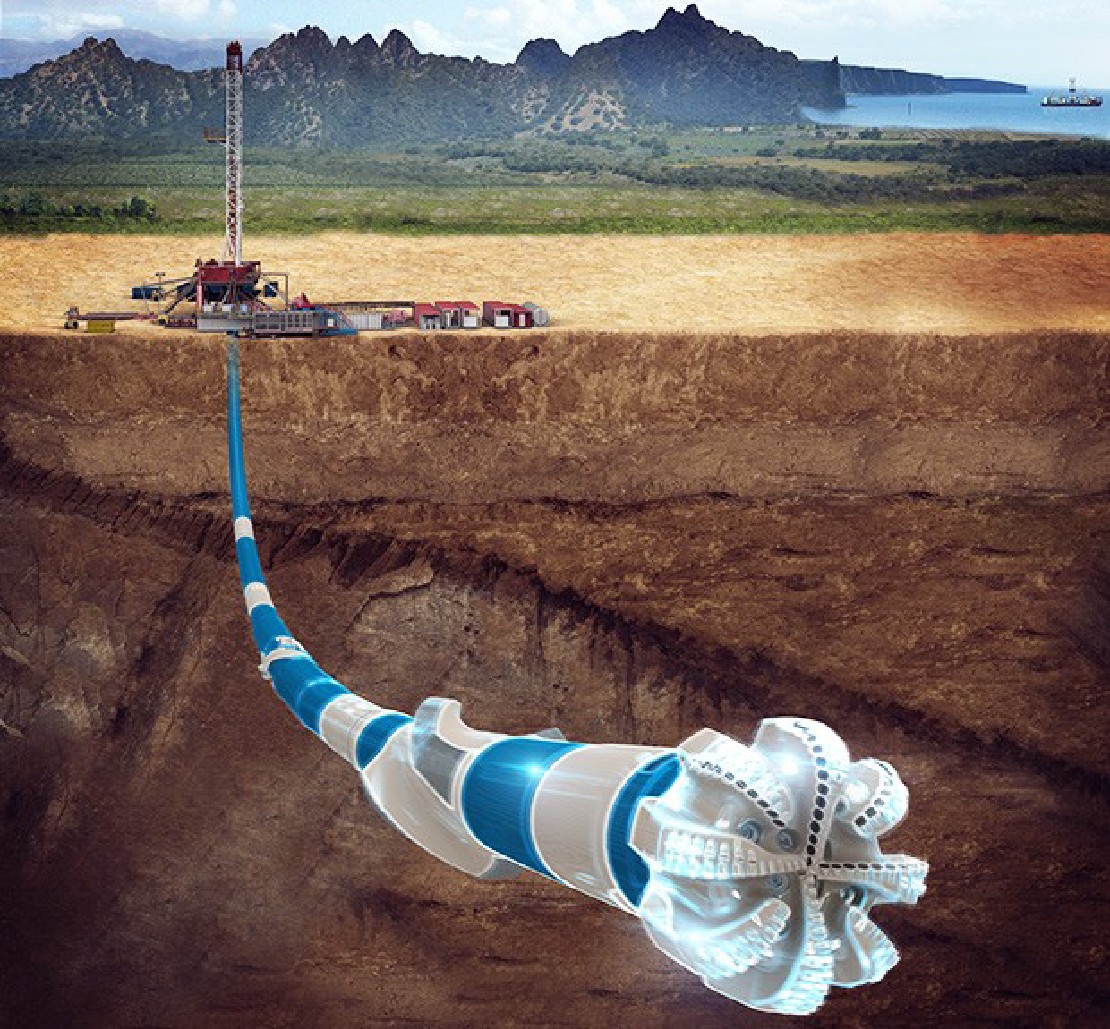
Here is a practical engineering use of ant colony optimization in directional drilling mechanics. The paper maps bending-energy minimization to artificial ant exploration and reports a 55.
Read more
Pentest Swarm AI uses a shared blackboard, pheromone-weighted findings, and decentralized agent triggers to let attack paths emerge instead of following a fixed pipeline.
Read more
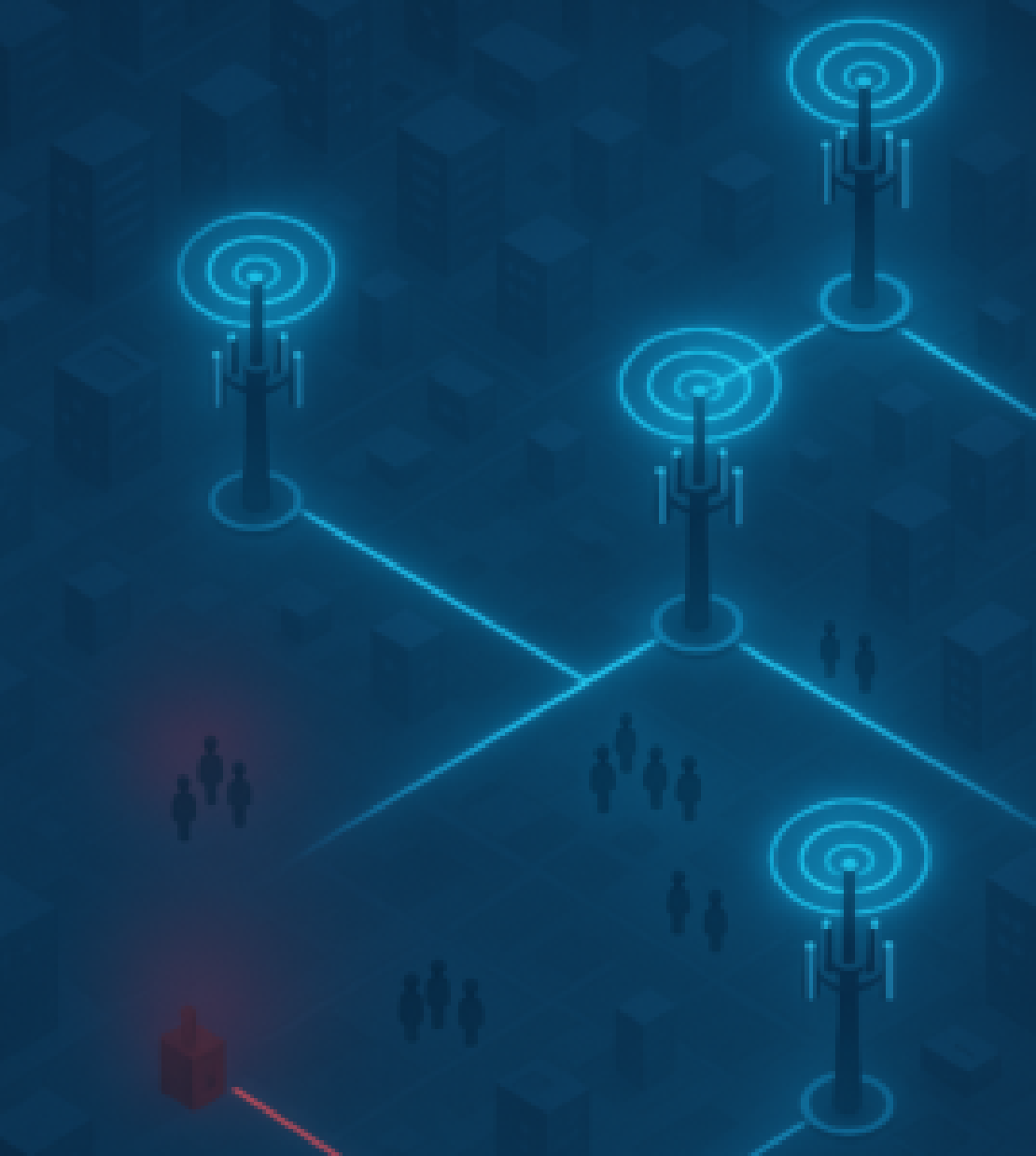
The consortium demonstrated distributed telecom routing methods based on pheromone-style path reinforcement and stigmergy. The work is notable because it applies swarm coordination principles directly to resilient communications infrastructure, where decentralized adaptation can improve network recovery under congestion or outages.
Read more
Bosch researchers developed a decentralized collaborative mapping system inspired by ant pheromone trails and swarm intelligence. Vehicles share virtual pheromone markers to distribute mapping effort and resolve uncertainty without central coordination, translating stigmergic biological communication into autonomous transport infrastructure.
Read more
Researchers evaluated ant-inspired robotic coordination strategies for autonomous mining operations, including distributed task allocation and tandem partitioning approaches. The work focuses on improving efficiency and resilience in hazardous industrial environments.
Read more
Leaving breadcrumbs (well, pheronome trails) to lead the way. https://pmc.ncbi.nlm.nih.gov/articles/PMC10956014/
Read more