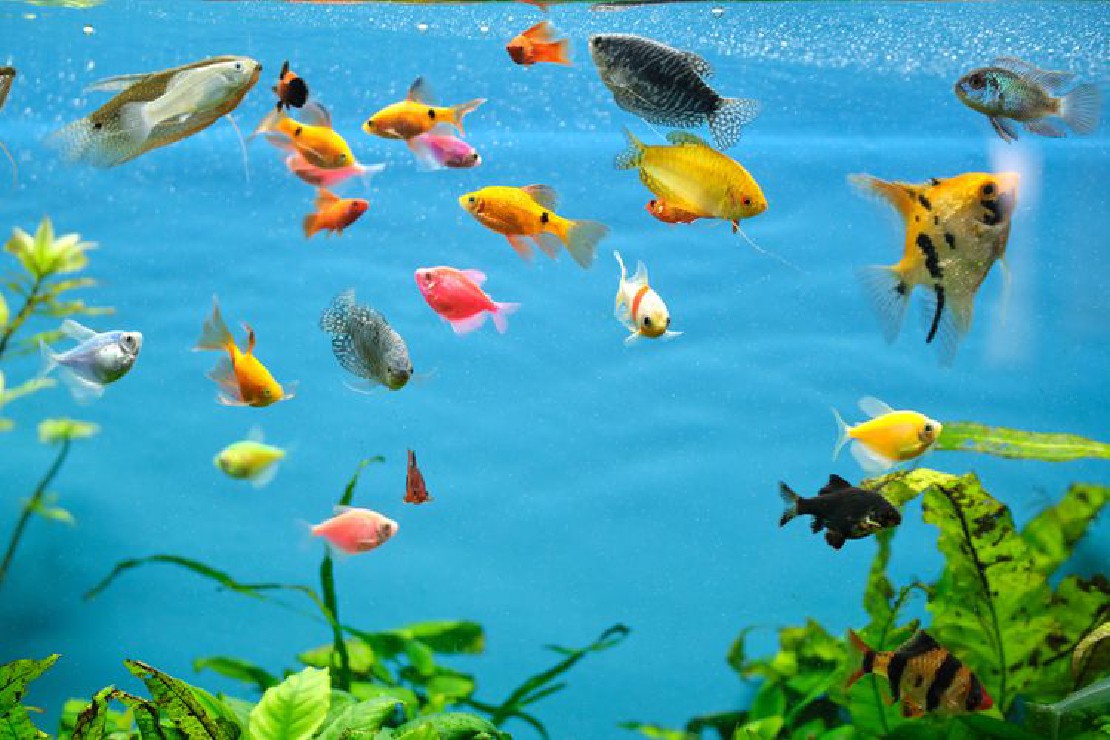
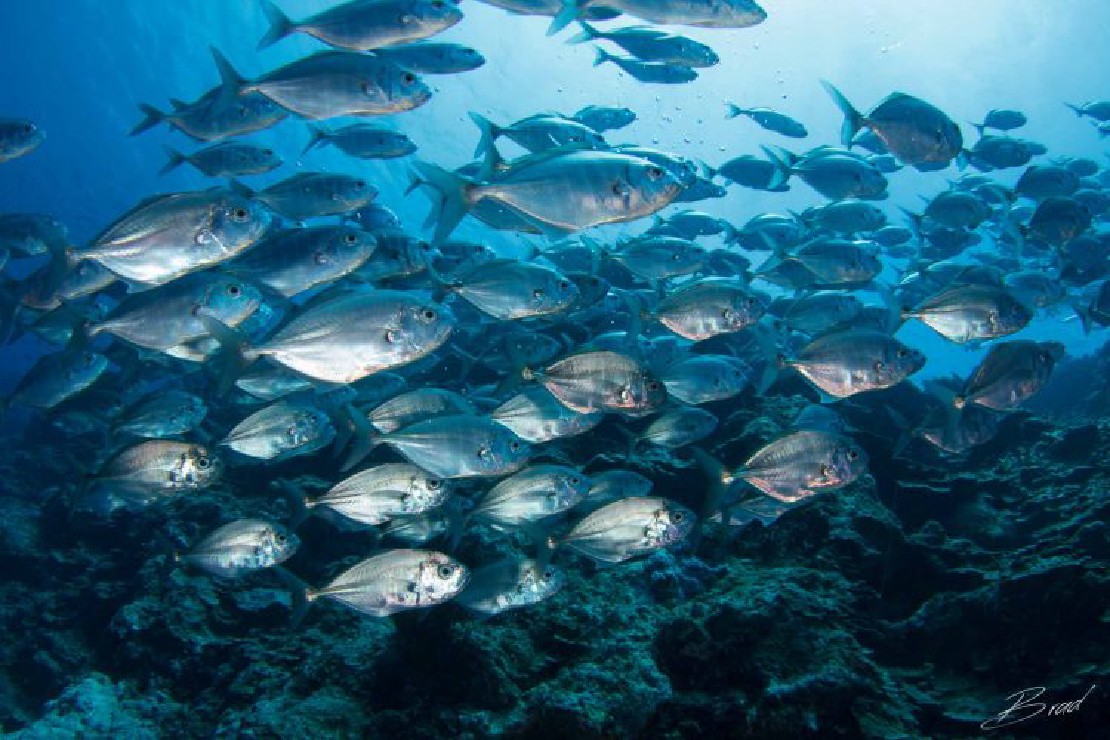
Watching Information Ripple Through a Fish School

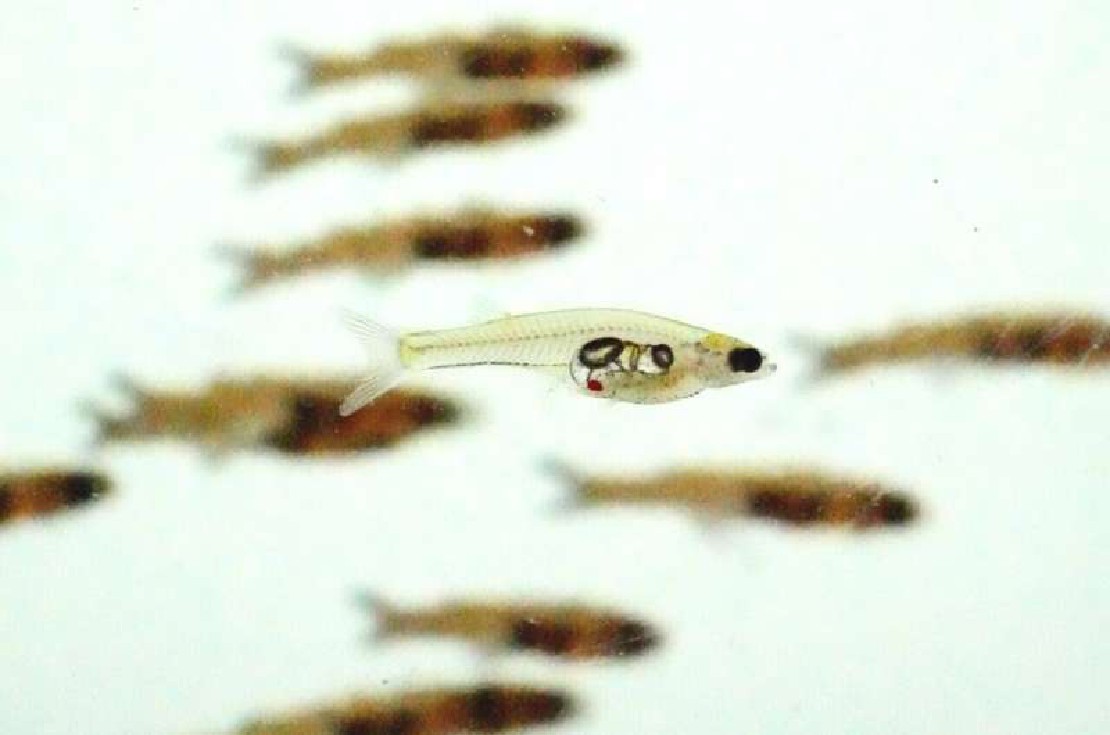
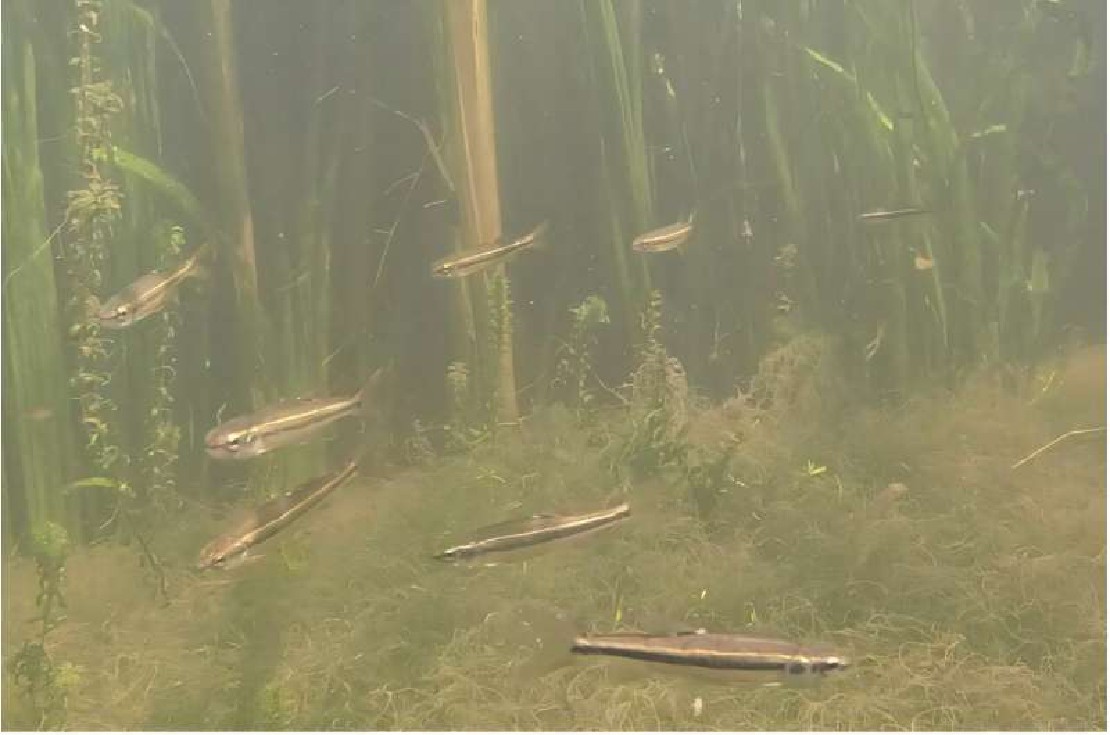
This study uses a conditioned escape response to follow how information propagates through schooling fish after selected individuals respond to a threat cue.
Read more
This study uses a conditioned escape response to follow how information propagates through schooling fish after selected individuals respond to a threat cue.
Read more
Researchers used a closed-loop biohybrid system in which robotic agents interacted dynamically with schooling fish, allowing them to probe how individuals respond to neighbours rather than merely observe naturally occurring schools.
Read more
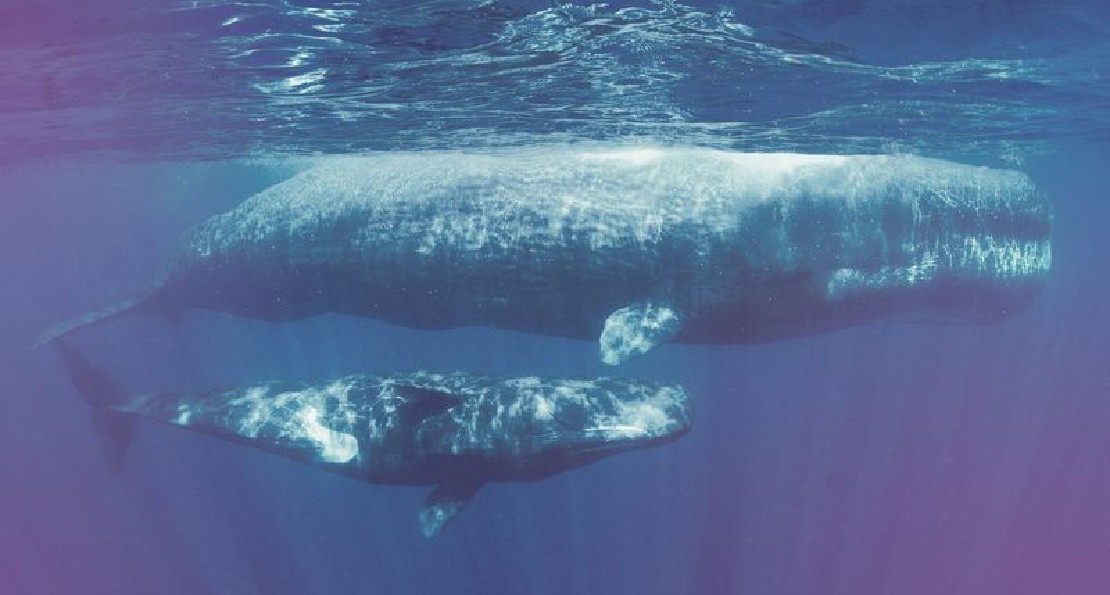
Male sperm whales produce exceptionally powerful slow clicks that may remain detectable across roughly 70 kilometres of deep ocean while maintaining remarkably precise intervals of five to ten seconds.
Read more
Observations from Mexico’s Gulf of California document orcas cooperating to dismantle large sharp-tail sunfish. One whale stabilised the prey while another accelerated into it, requiring precise positioning, timing and apparent coordination between participants.
Read more
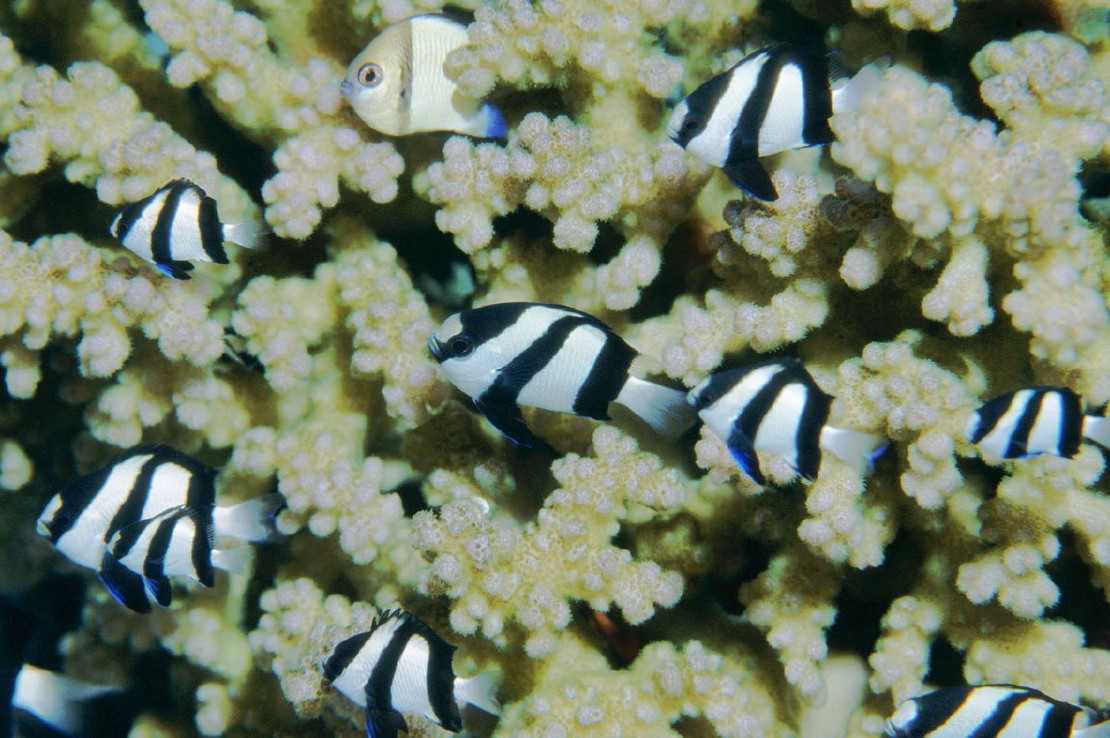
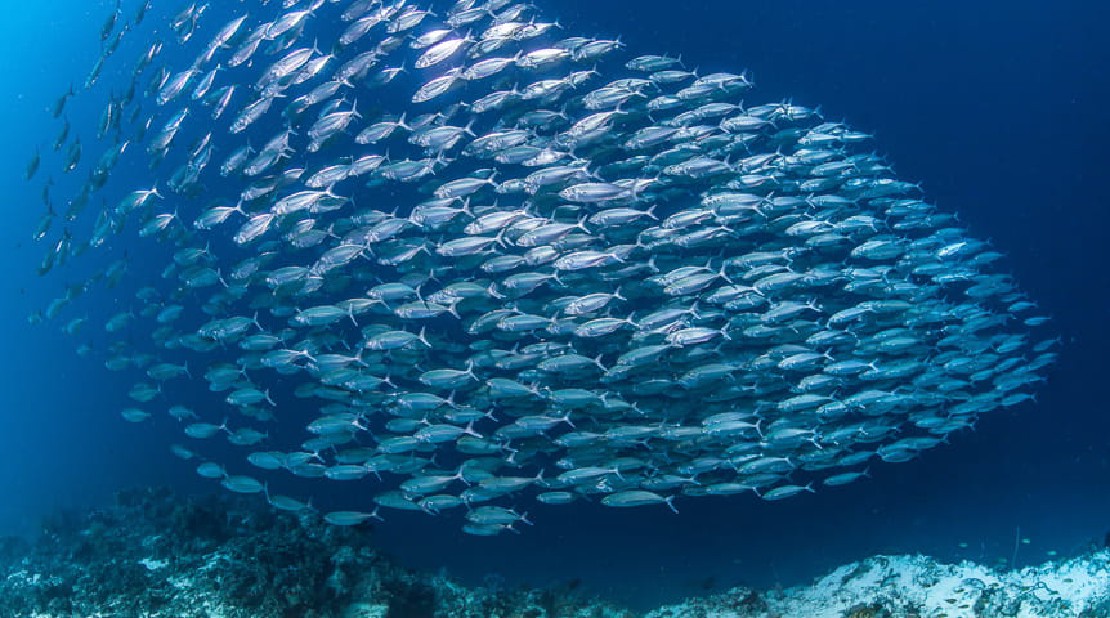
Rosy barbs and tiger barbs have markedly different individual swimming patterns, yet form cohesive mixed-species schools by matching speed through local interactions.
Read more
A new preprint examines how goldfish use two forms of social information—the number of fish in a shoal and how actively they are moving—when deciding which group to join.
Read more
A newly reported biomimetic robotic fish uses undulatory propulsion inspired by real fish to reduce disturbance in aquaculture environments while collecting sensor data.
Read more
Not only do sperm whale have a form of “alphabet” and form vowels within their vocalizations but the structure of these vowels behaves in the same way as human speech, the new study has found.
Read more