Understand what whales are saying
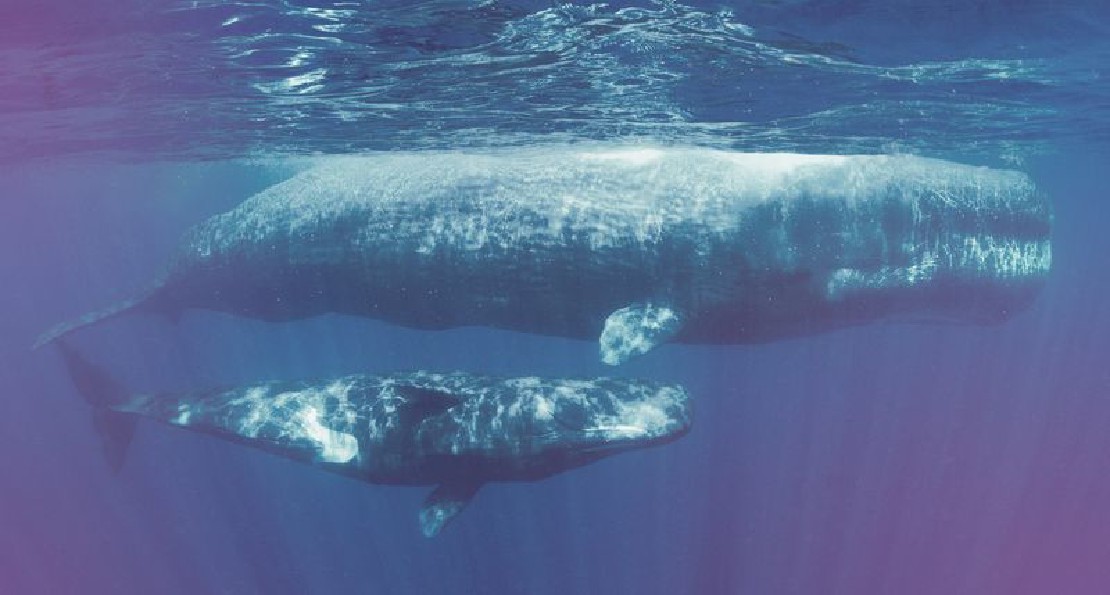
What if… we can listen and understand another species. For the first time in history, advances in technology have made it possible to understand the communication of animals.
Read moreWhat if… we can listen and understand another species. For the first time in history, advances in technology have made it possible to understand the communication of animals.
Read more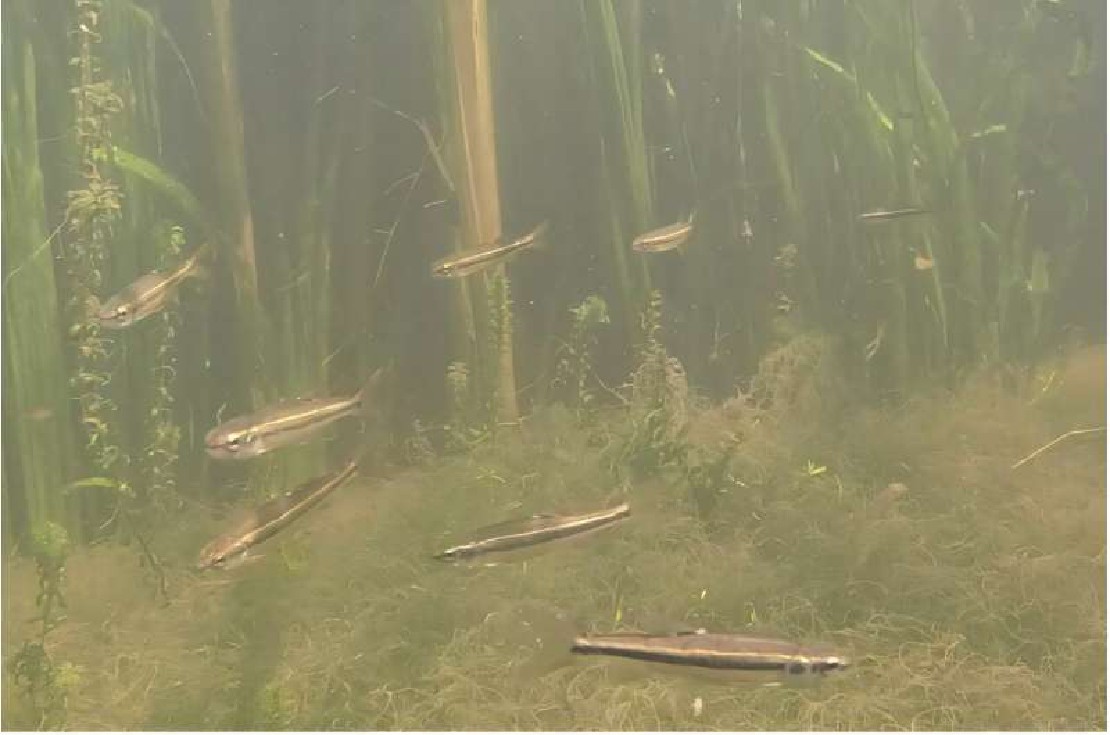
Three-spined sticklebacks compensate for murky water by becoming more socially coordinated rather than continuing to use the same shoaling rules.
Read more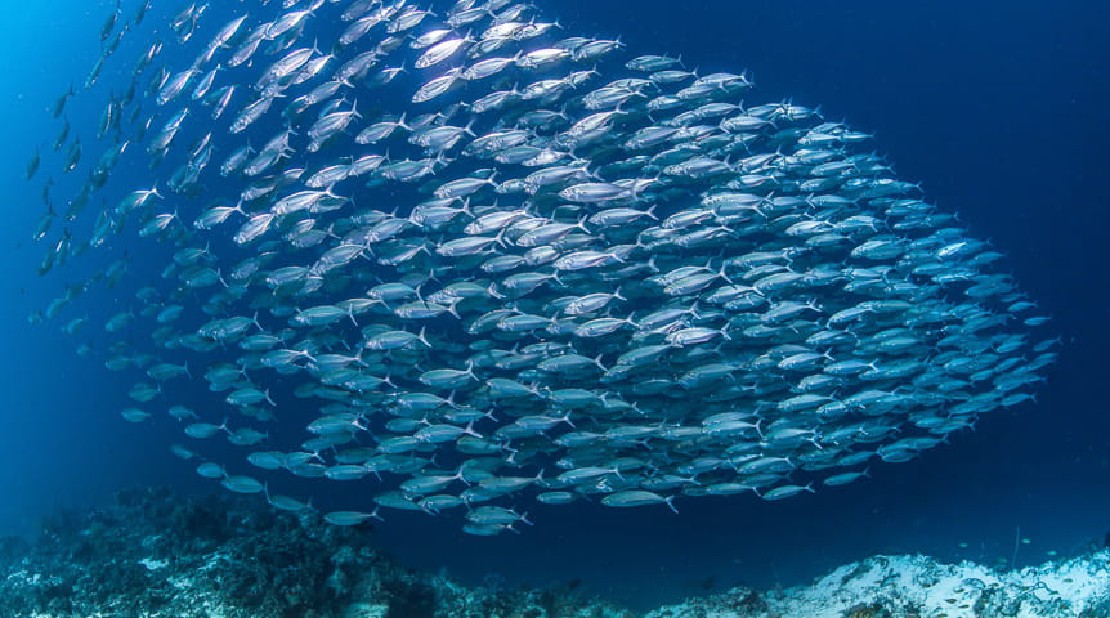
Researchers have developed a way to infer which neighbours an animal is actually responding to directly from collective-movement data. The method tests combinations of interaction distance and viewing angle, then measures how strongly the average heading of candidate neighbours predicts an individual’s subsequent direction.
Read more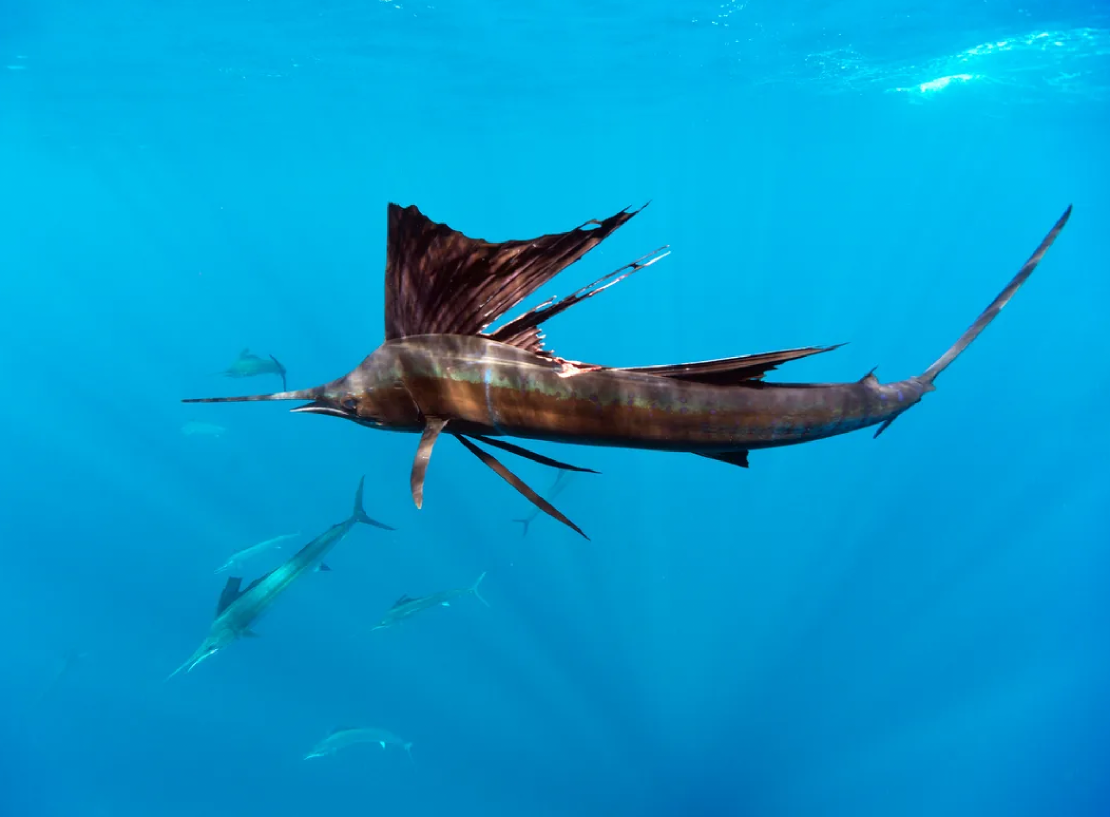
Fish appear to switch communication channels according to how urgently their school is moving. Experiments with schools of 60 rummy-nose tetras found that fish with an intact lateral-line flow-sensing system responded to accelerating neighbours with about one-third less delay than fish whose lateral line was compromised.
Read more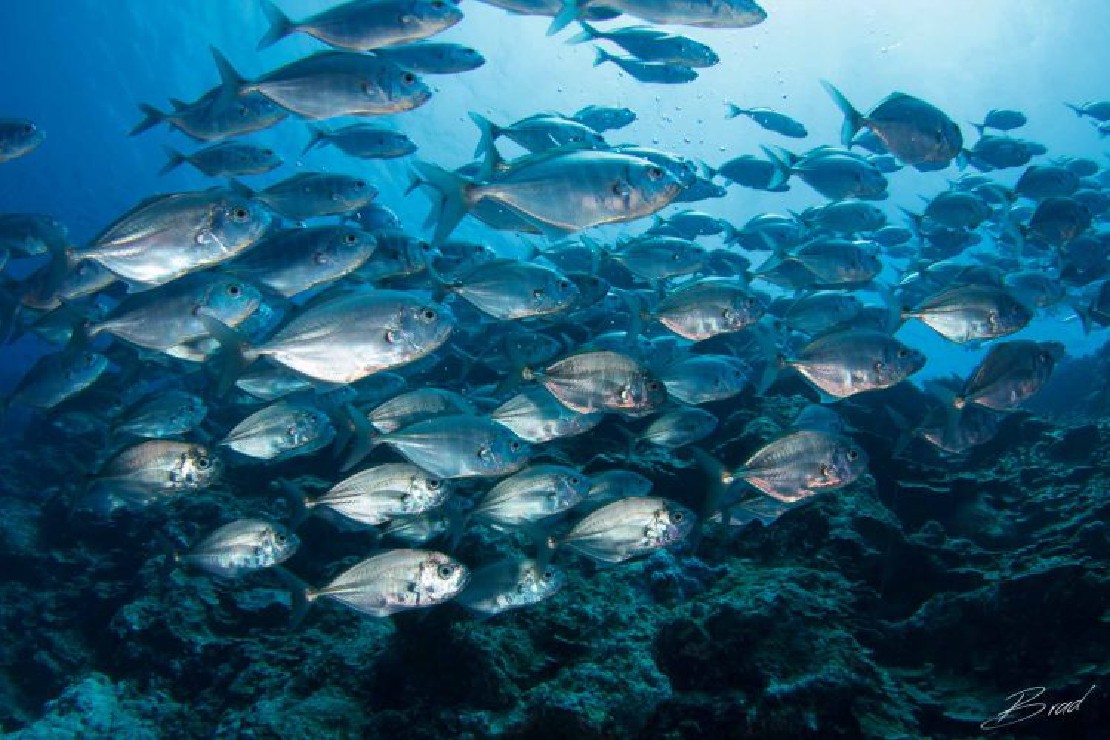
Glassfish appear to coordinate by copying one nearby neighbour at discrete moments rather than averaging the movements of the whole local group.
Read more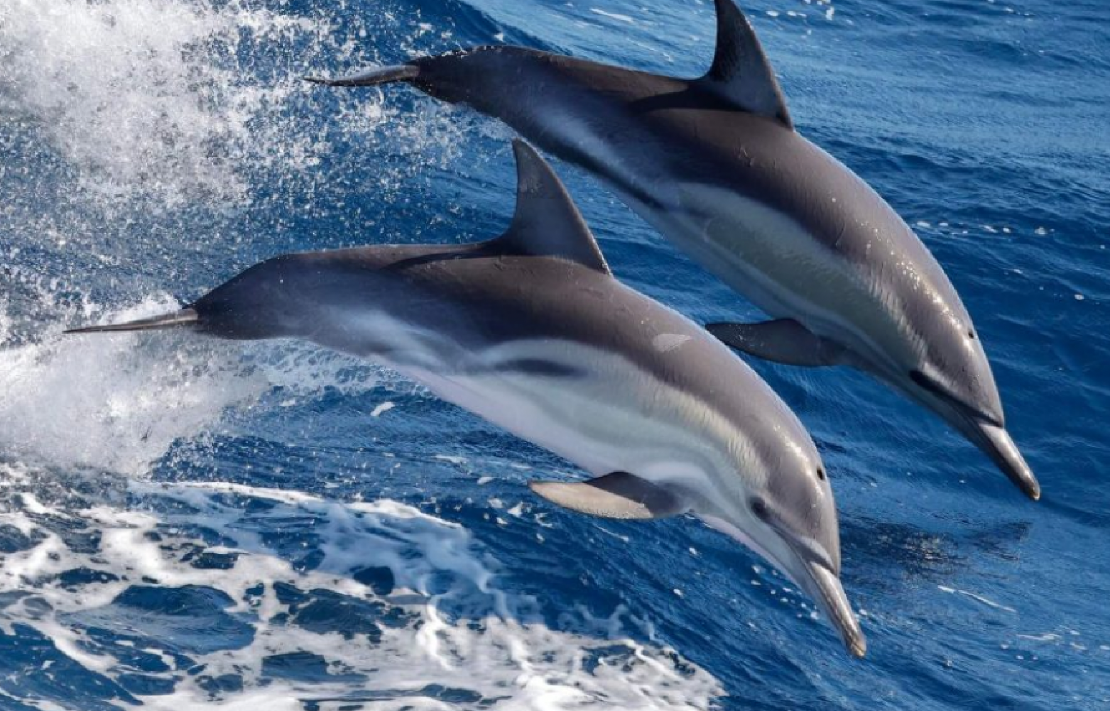
A new framework proposes that moving animals can coordinate through the fluid disturbances they leave behind. Fish, birds, insects and microorganisms continually modify the water or air surrounding them, creating wakes, pressure gradients and other flow structures that neighbours can sense or exploit.
Read more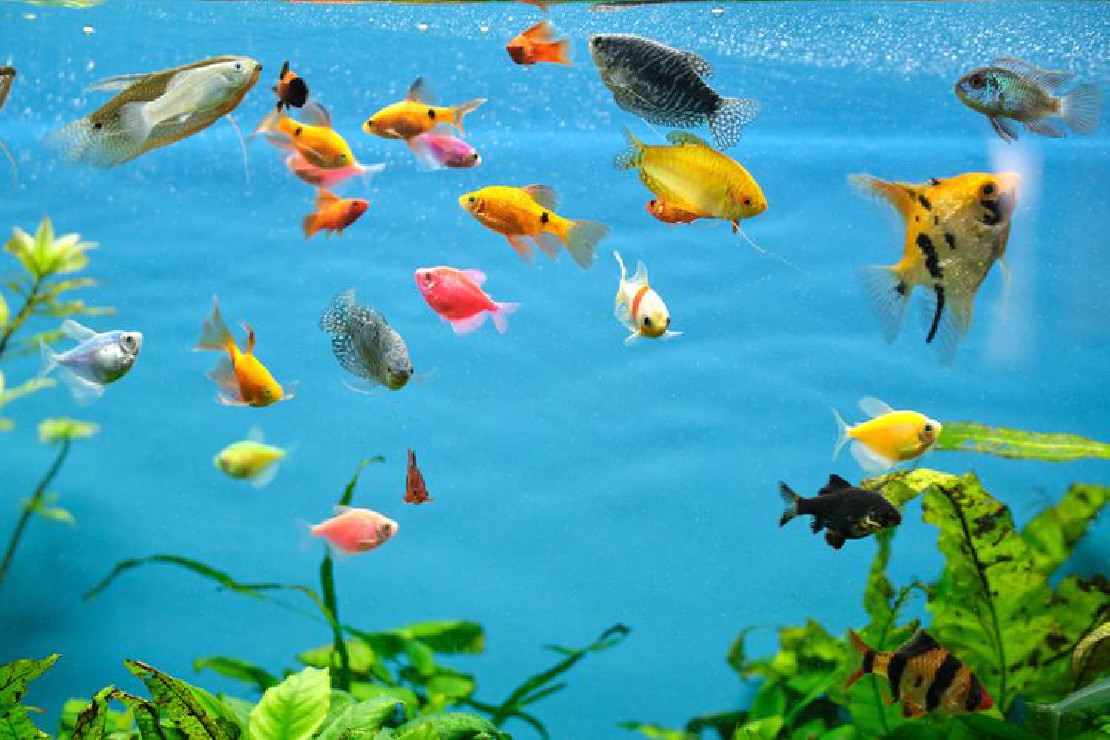
A theoretical study of collective escape proposes that animals can improve both speed and accuracy by treating an undisturbed neighbour as negative evidence about a possible threat.
Read more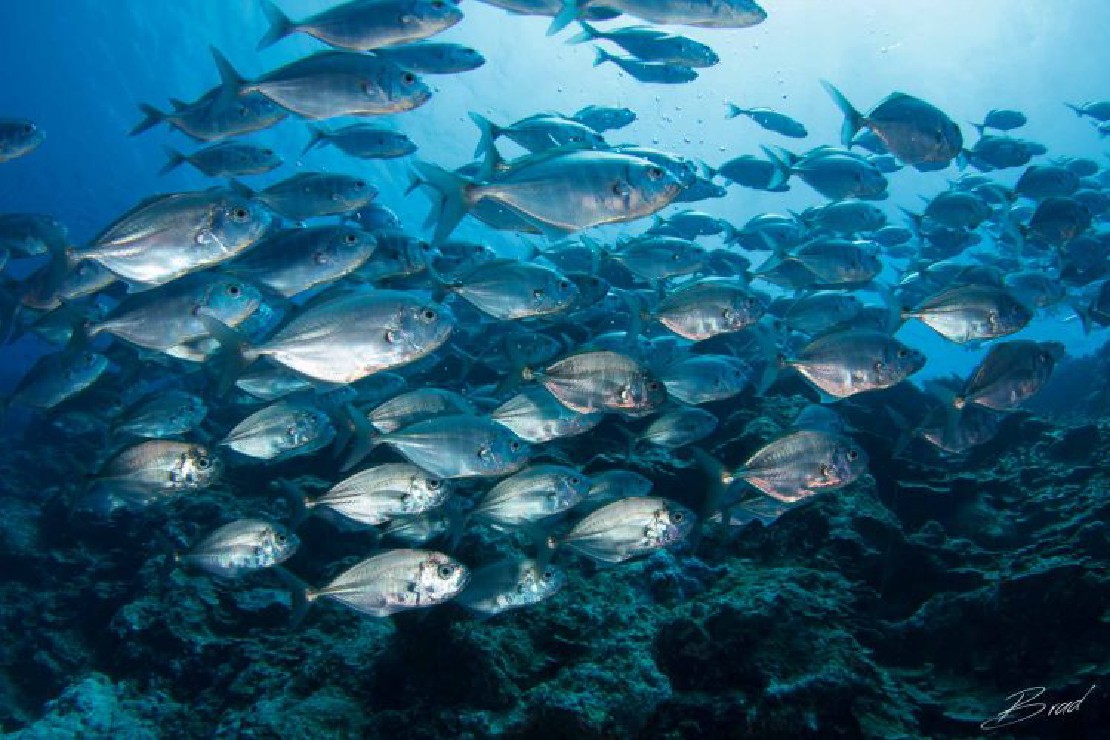
This study uses a conditioned escape response to follow how information propagates through schooling fish after selected individuals respond to a threat cue.
Read more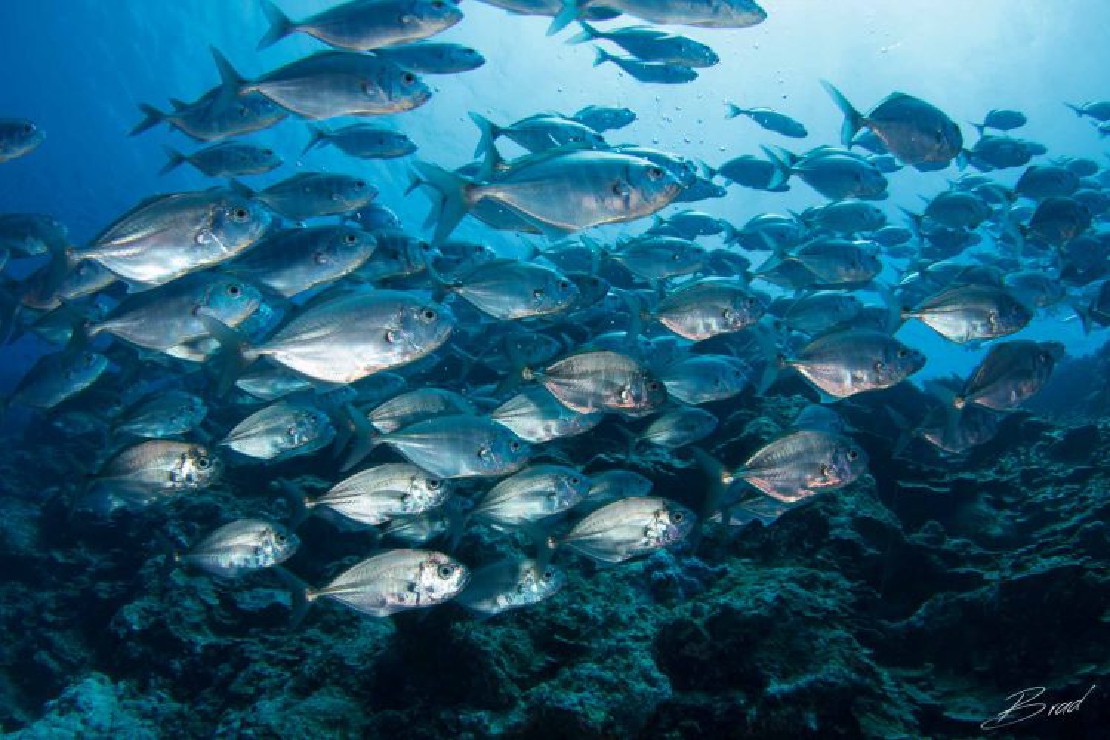
Researchers used a closed-loop biohybrid system in which robotic agents interacted dynamically with schooling fish, allowing them to probe how individuals respond to neighbours rather than merely observe naturally occurring schools.
Read more
Part 4: The dangling conversation In the previous article, we saw bacterial populations defend themselves collectively. Cyanobacteria formed protective flocs, while dying E.
Read more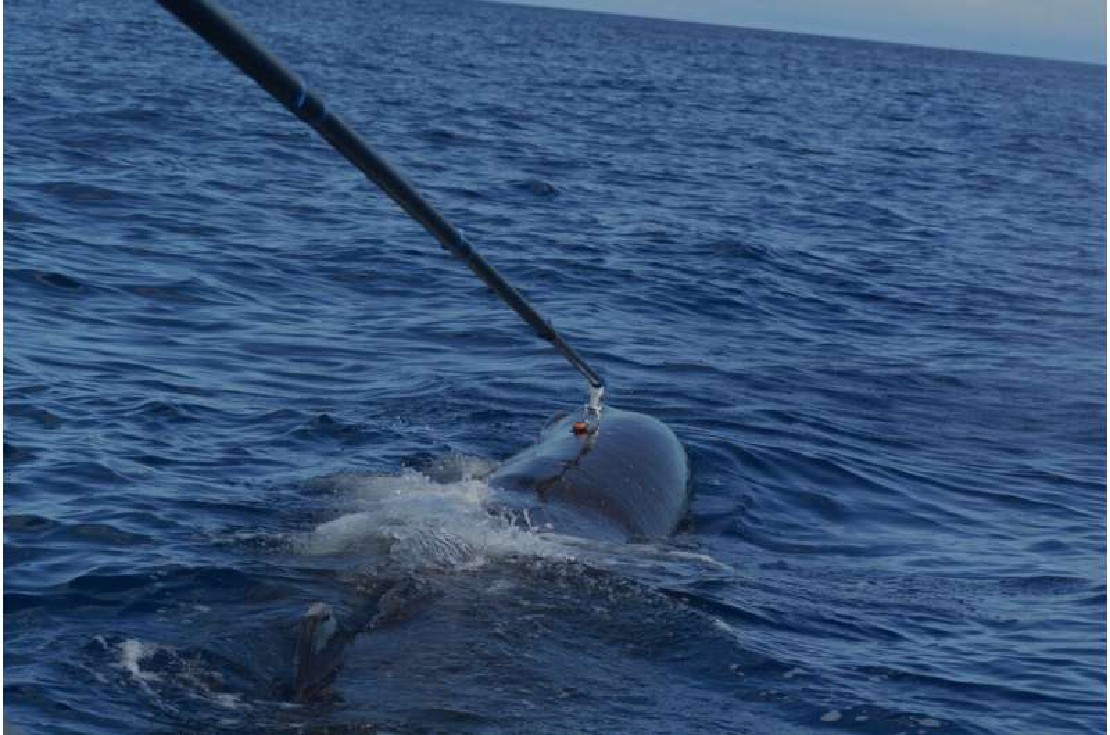
Male sperm whales produce exceptionally powerful slow clicks that may remain detectable across roughly 70 kilometres of deep ocean while maintaining remarkably precise intervals of five to ten seconds.
Read more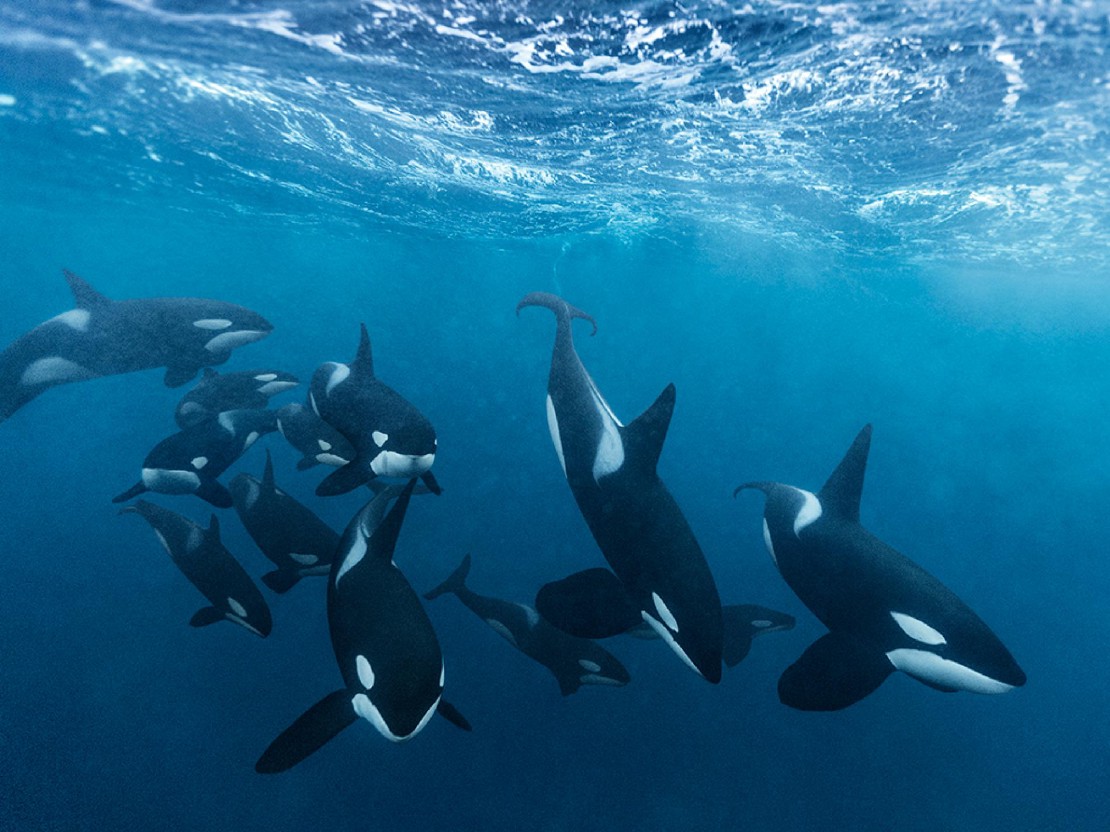
Observations from Mexico’s Gulf of California document orcas cooperating to dismantle large sharp-tail sunfish. One whale stabilised the prey while another accelerated into it, requiring precise positioning, timing and apparent coordination between participants.
Read more