For these bacteria, bumping into the crowd is the message

Pseudomonas aeruginosa bacteria use physical collisions with neighbours as information, dynamically switching between disorder and coordinated movement without chemical signalling.
Read morePseudomonas aeruginosa bacteria use physical collisions with neighbours as information, dynamically switching between disorder and coordinated movement without chemical signalling.
Read more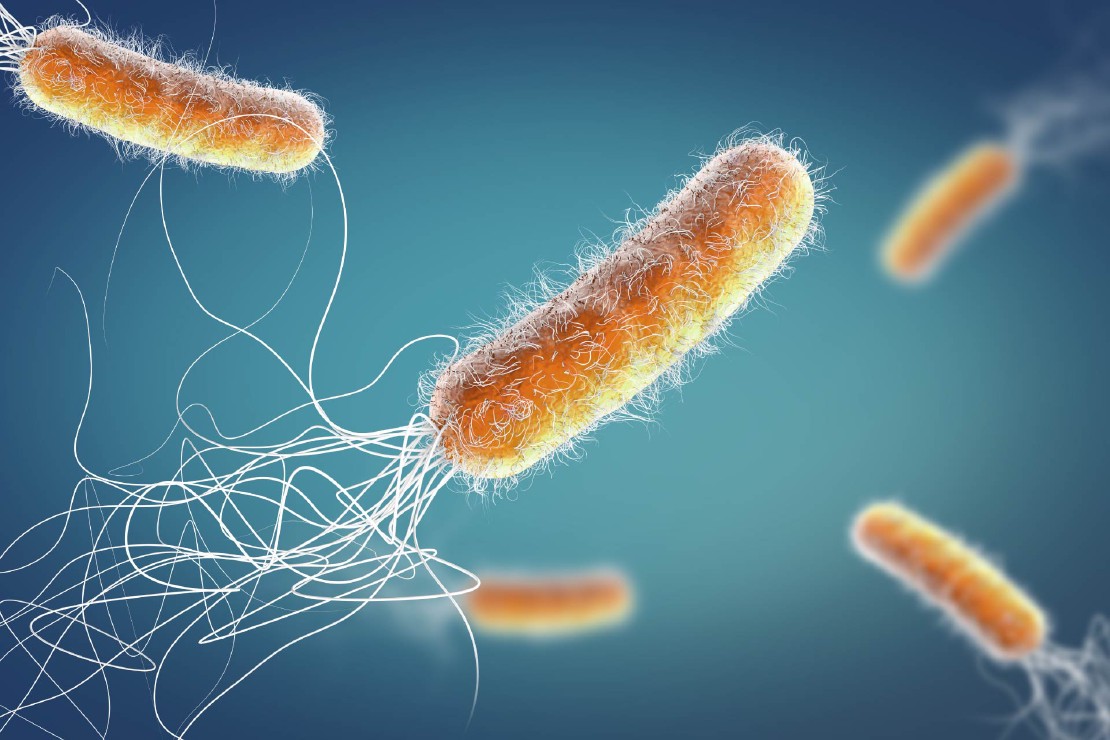
Engineered bacterial communities can use chemical communication to coordinate a metabolic division of labour that no single strain performs as effectively alone.
Read more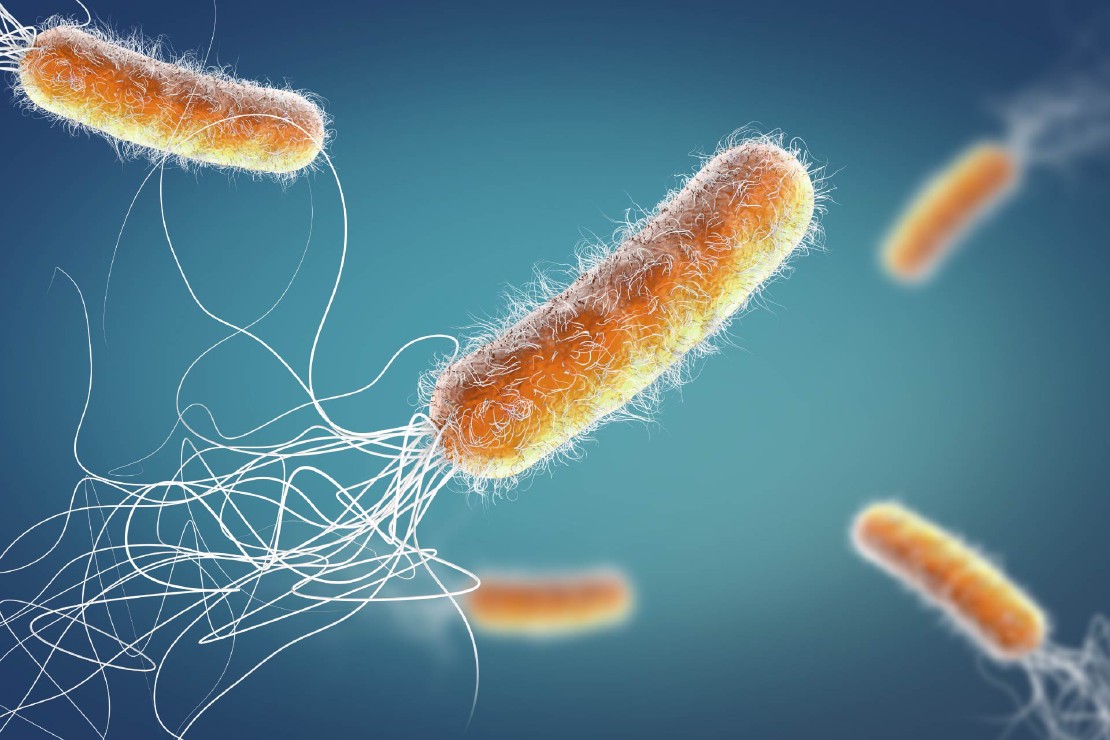
Bacterial collectives combine signalling, division of labour, environmental memory and local decision rules to achieve capabilities unavailable to individual cells.
Read more
The collective sounds of a healthy coral reef provide environmental information that influences where young marine organisms settle. Researchers recorded the acoustic environment of a functioning Hawaiian reef, including fish vocalisations and snapping crustaceans, then replayed those sounds around artificial reef structures.
Read more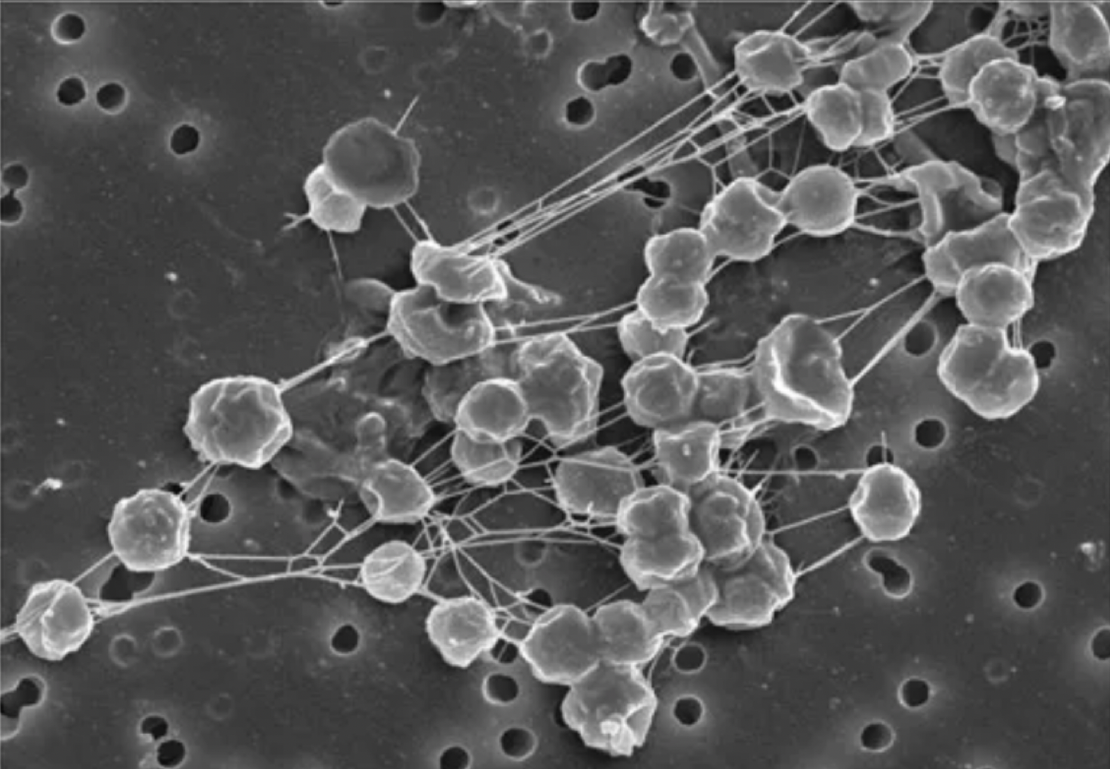
Extremophile microbes use quorum sensing to coordinate population-level behaviour even under conditions of extreme heat, cold, salinity or acidity. A new review maps signalling across thermophiles, psychrophiles, halophiles and acidophiles, showing that these organisms produce and detect autoinducer molecules whose accumulating concentration provides local information about population density.
Read more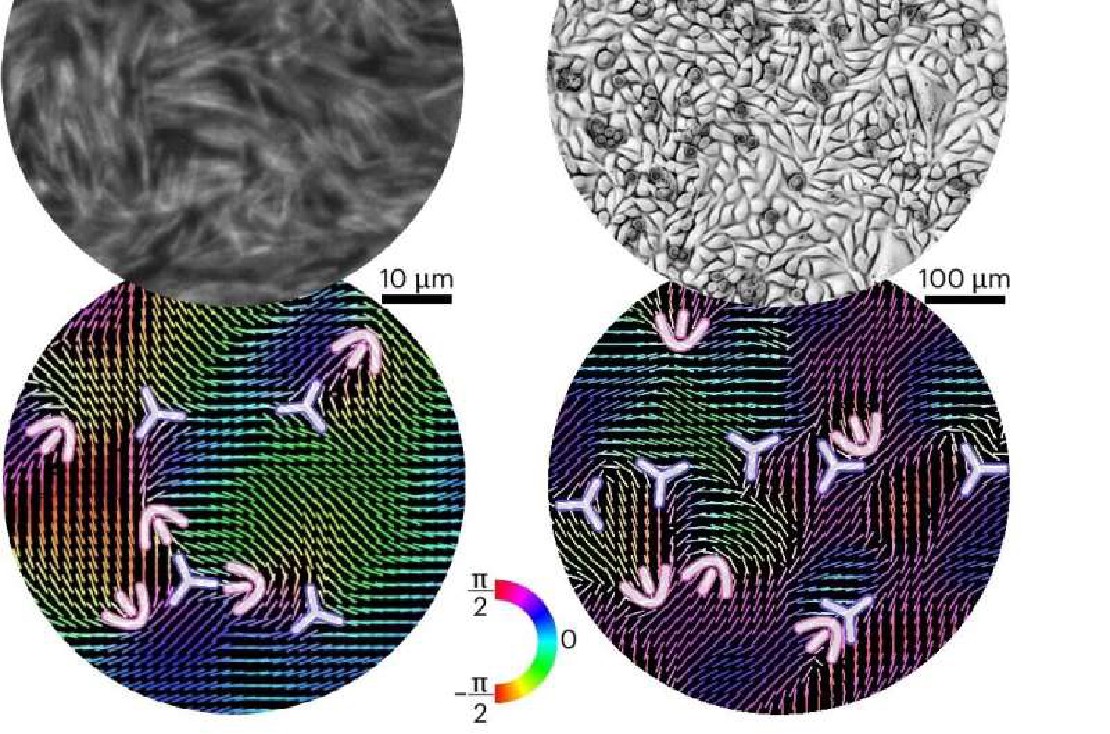
Swarming bacteria and human tissue cells spontaneously create large-scale flow patterns whose dynamics cannot be explained by conventional passive-matter physics.
Read more
Gut bacteria coordinate through multiple overlapping communication channels rather than relying on a single signalling mechanism. A new review describes three major pathways: quorum sensing changes gene expression as bacterial population density changes; extracellular vesicles transport proteins, nucleic acids and signalling molecules between cells; and horizontal gene transfer distributes genetic capabilities through microbial communities.
Read more
Bacterial “zorbing” is a newly discovered form of collective social movement where spherical, biofilm-like microcolonies of Flavobacterium johnsoniae “walk” and migrate together across surfaces.
Read more
Cardiocondyla ants can dynamically switch between nutrients supplied by an ancient bacterial symbiont and their own alternative metabolic pathway. This is a strong natural example of graceful degradation and functional redundancy.
Read more
Part 4: The dangling conversation In the previous article, we saw bacterial populations defend themselves collectively. Cyanobacteria formed protective flocs, while dying E.
Read more
In the previous article, we saw that bacteria may encounter several overlapping signals. Different messages can indicate neighbours, competitors, changing conditions or competing courses of action.
Read more
To Which Quorum Should a Bacterium Listen? In the first article on microbial communication, we saw how bacteria release chemical signals that accumulate as a population grows.
Read more