MIT’s bumblebee-like aerial microrobot
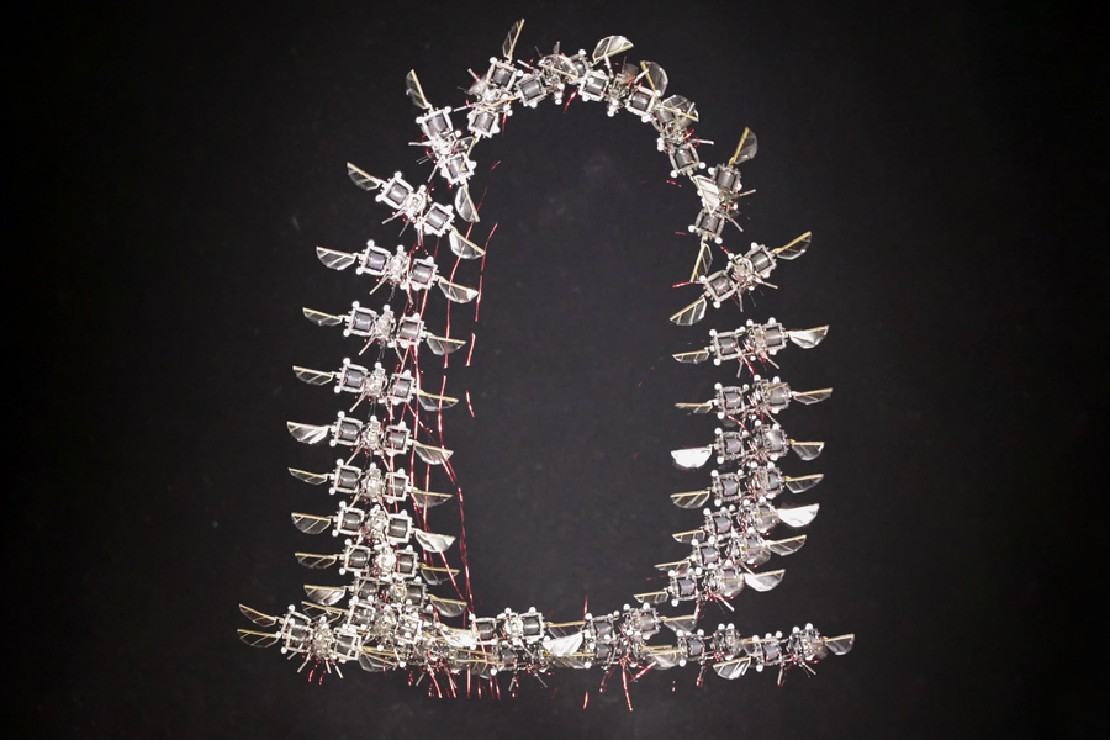
In the future, tiny flying robots could be deployed to aid in the search for survivors trapped beneath the rubble after a devastating earthquake.
Read moreIn the future, tiny flying robots could be deployed to aid in the search for survivors trapped beneath the rubble after a devastating earthquake.
Read more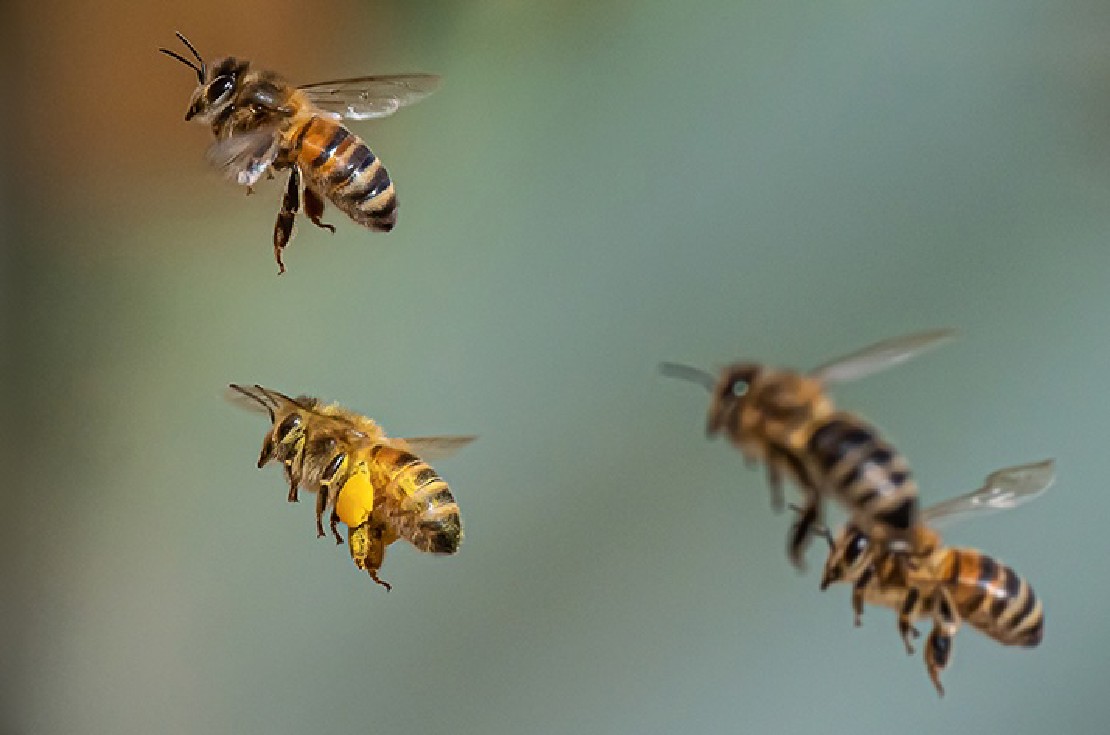
Bees navigate their surroundings with astonishing precision. Their brains are now inspiring the design of tiny, low-power chips that could one day guide miniature robots and sensors.
Read more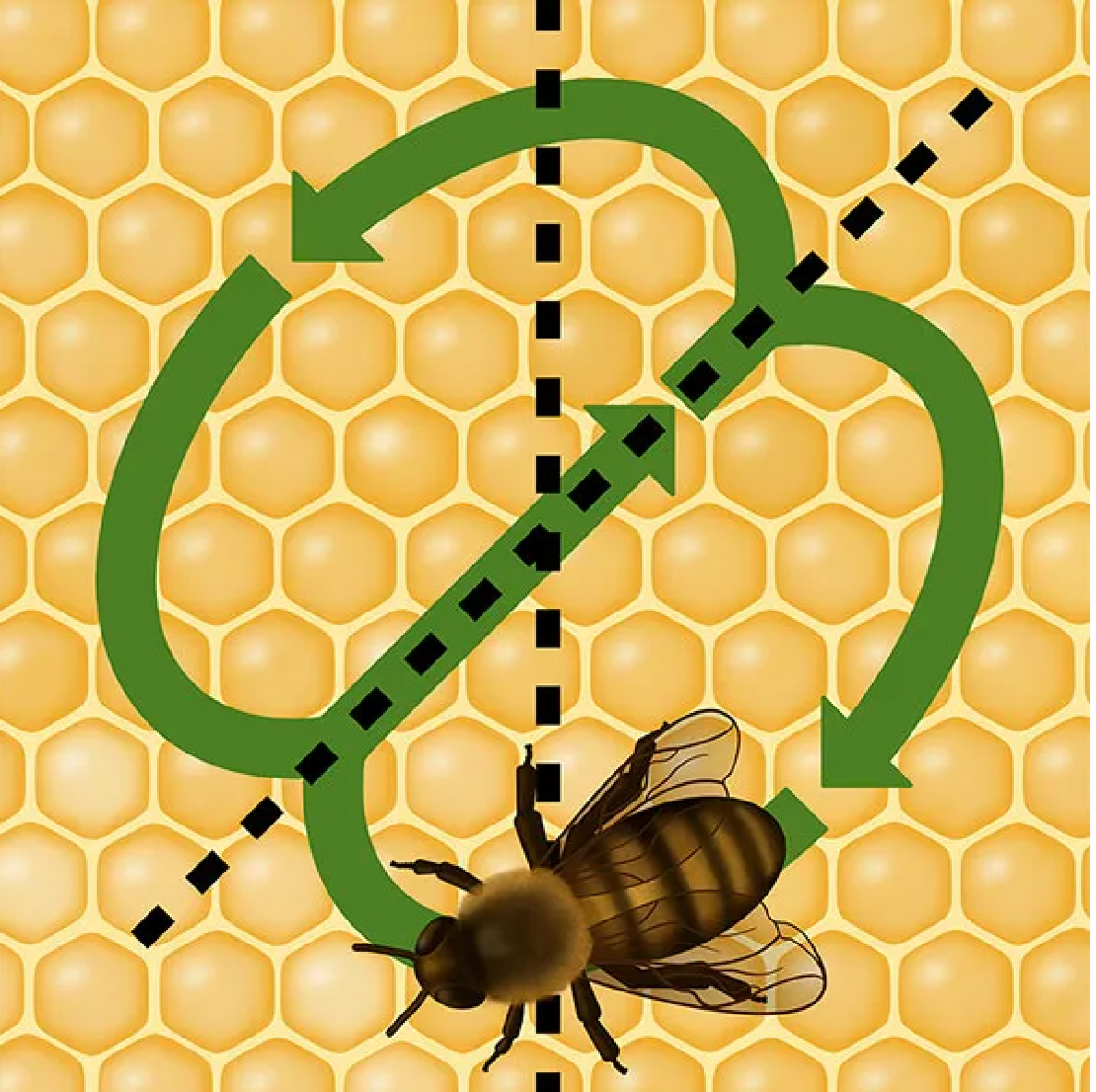
Honeybees do more than just follow the “direction and distance” in another bee’s waggle dance. They seem to combine that message with their own memory of landmarks in the landscape, so they can form an expectation of what the route should look like and fly more efficiently.
Read moreThis paper looked at how honey bees pass on food-location information through the waggle dance, and found that these recruitment networks are actually quite thin rather than densely connected.
Read more
Do emotions and varying environmental stimuli affect the swarms choice of location for the hive? https://arxiv.org/abs/2603.09963
Read more