For these bacteria, bumping into the crowd is the message
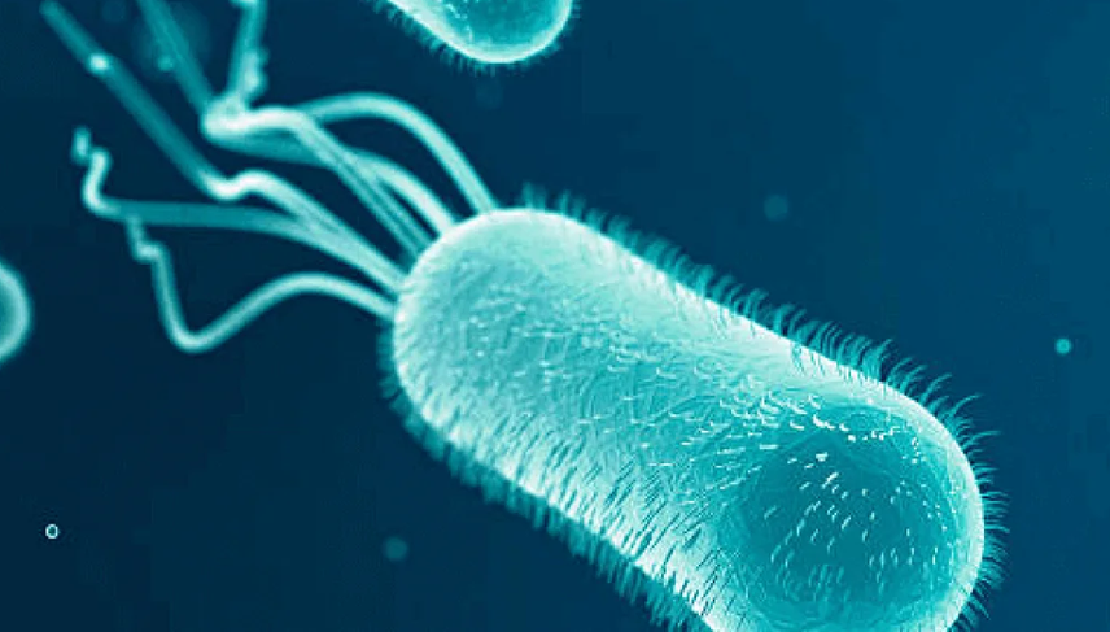
Pseudomonas aeruginosa bacteria use physical collisions with neighbours as information, dynamically switching between disorder and coordinated movement without chemical signalling.
Read morePseudomonas aeruginosa bacteria use physical collisions with neighbours as information, dynamically switching between disorder and coordinated movement without chemical signalling.
Read more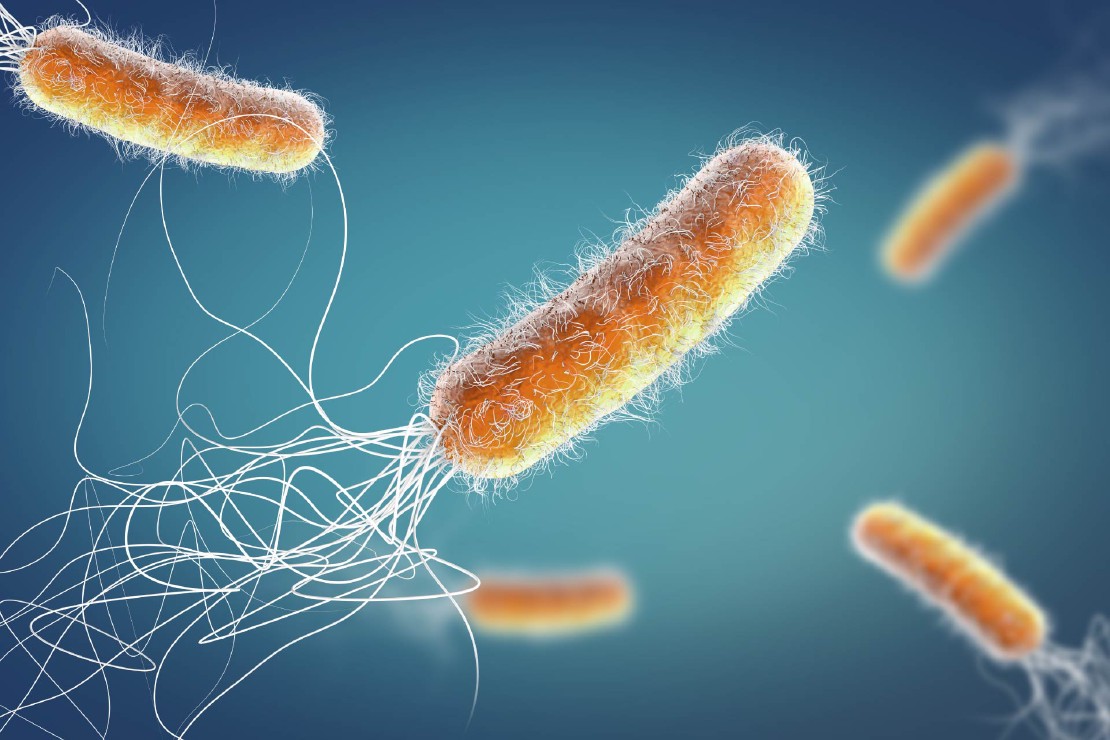
Engineered bacterial communities can use chemical communication to coordinate a metabolic division of labour that no single strain performs as effectively alone.
Read more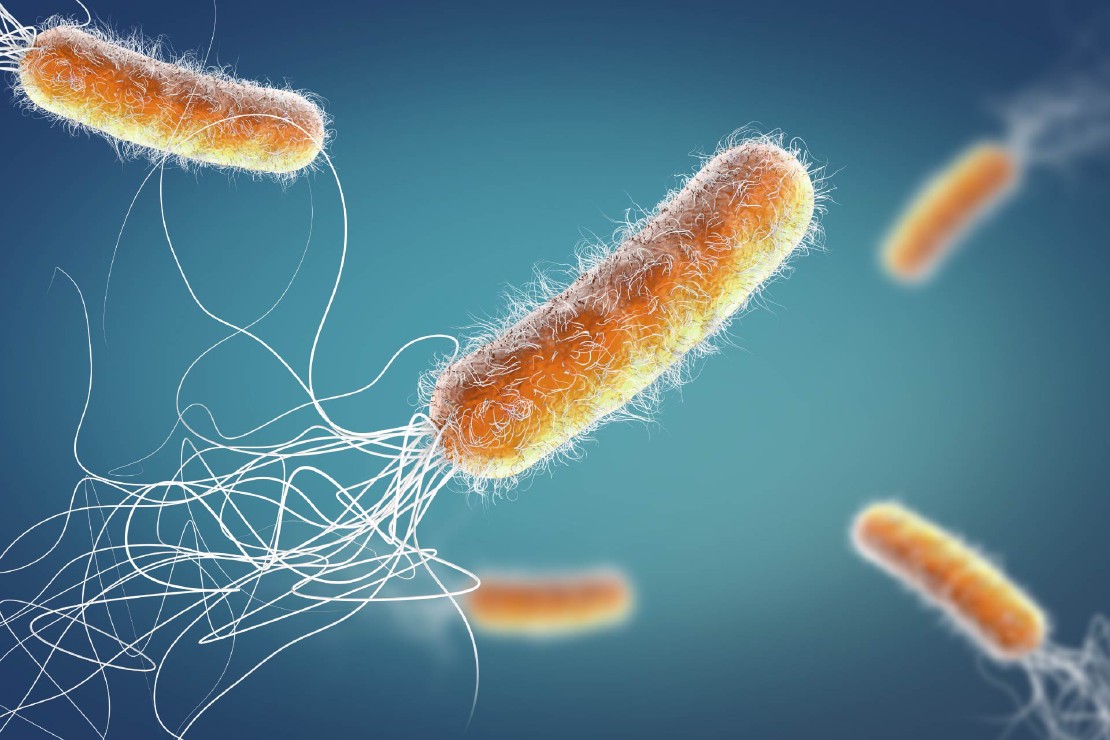
Bacterial collectives combine signalling, division of labour, environmental memory and local decision rules to achieve capabilities unavailable to individual cells.
Read more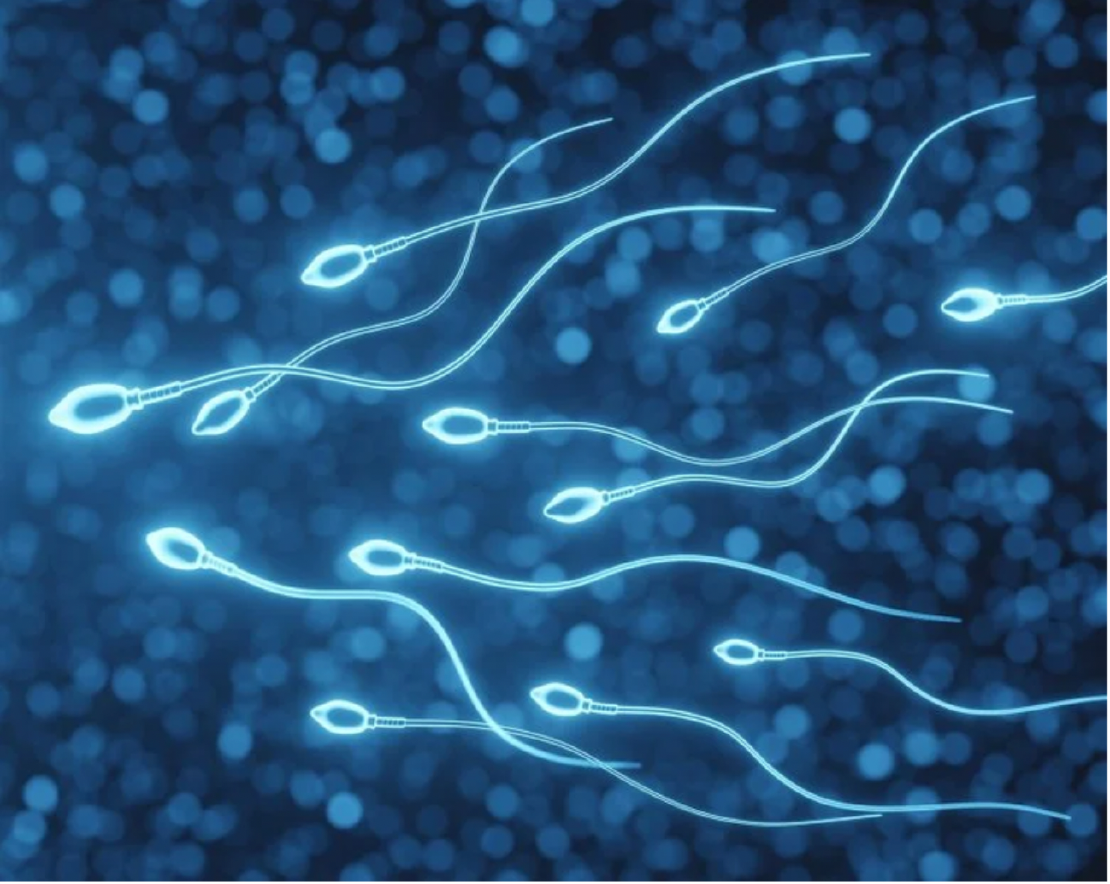
Sperm cooperation turns out to be widespread across arthropods rather than an evolutionary curiosity. Researchers mapped sperm traits across hundreds of insects, spiders, crustaceans, centipedes and related animals and found that sperm conjugation — cells physically joining into coordinated groups — has repeatedly appeared, disappeared and reappeared over roughly 600 million years.
Read more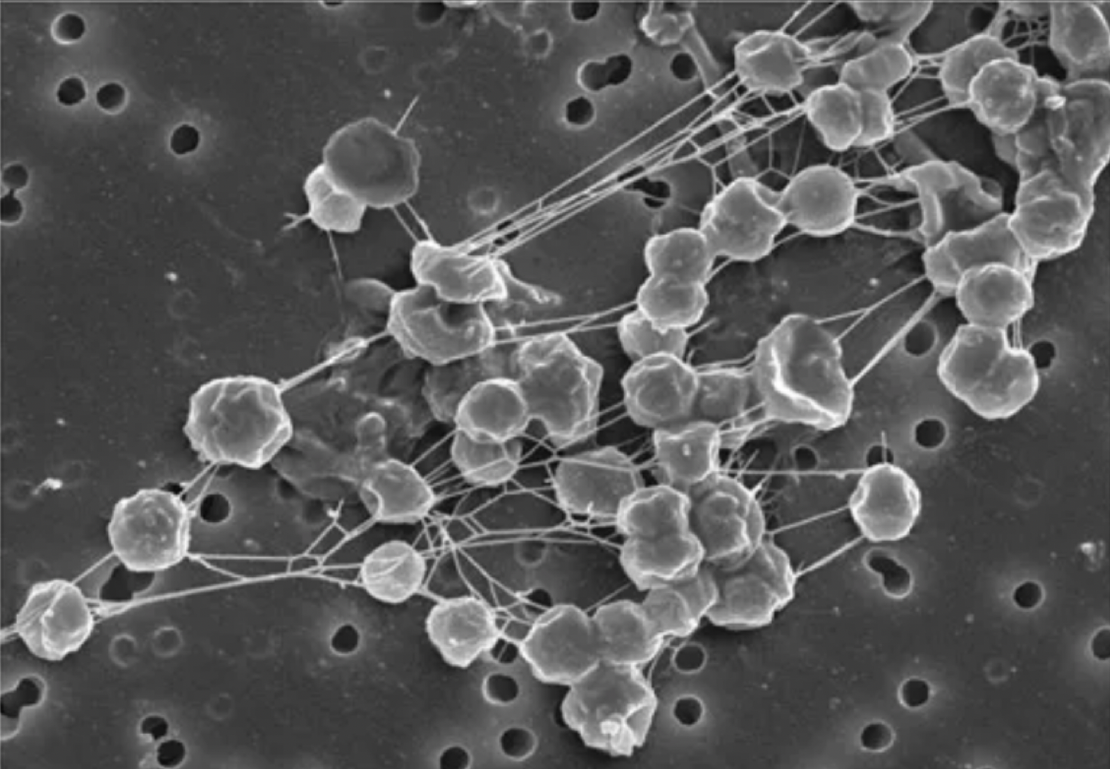
Extremophile microbes use quorum sensing to coordinate population-level behaviour even under conditions of extreme heat, cold, salinity or acidity. A new review maps signalling across thermophiles, psychrophiles, halophiles and acidophiles, showing that these organisms produce and detect autoinducer molecules whose accumulating concentration provides local information about population density.
Read more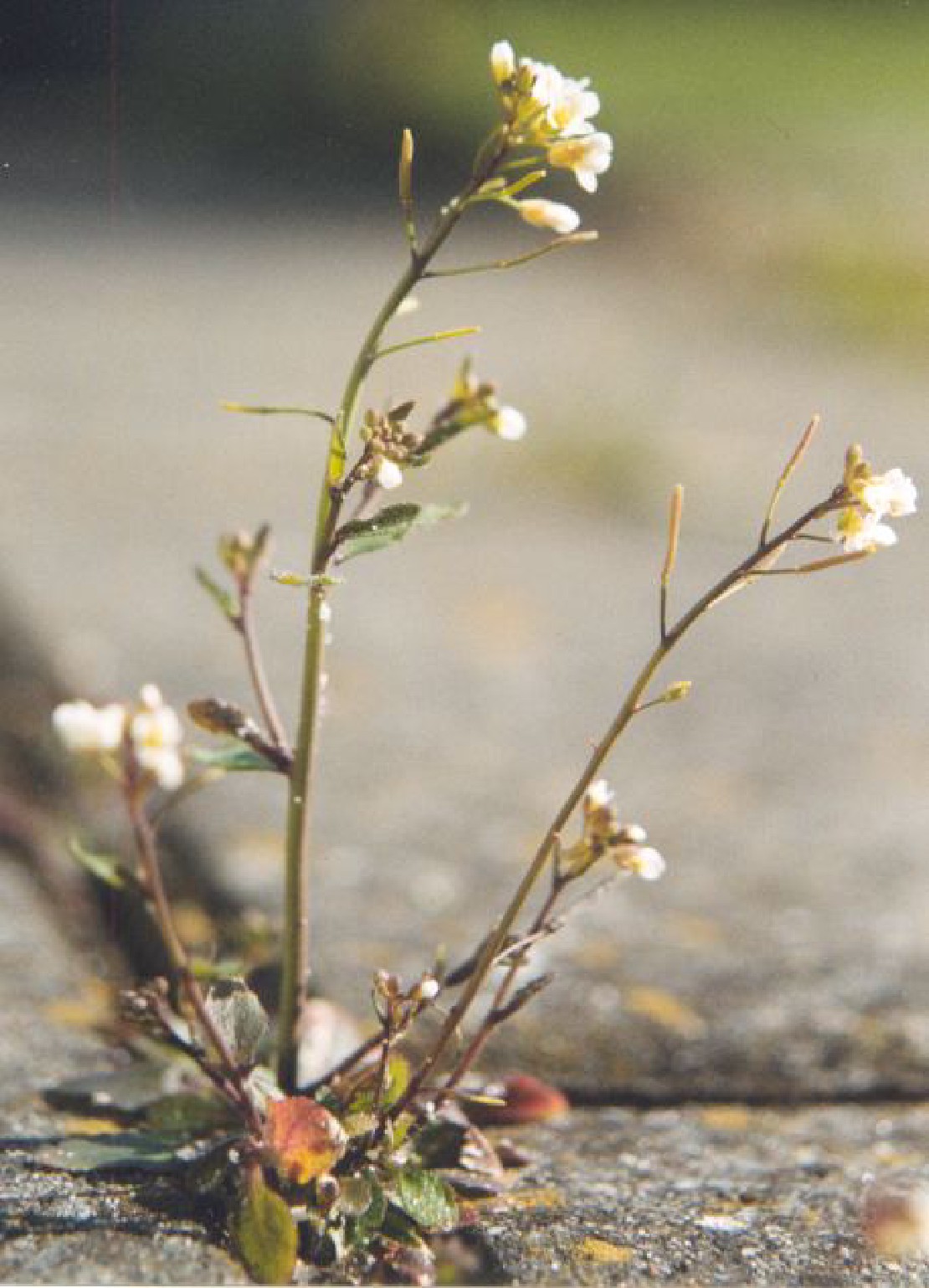
An injured plant root can transmit a mechanical warning through its vascular system far faster than the calcium signals normally associated with plant defence.
Read more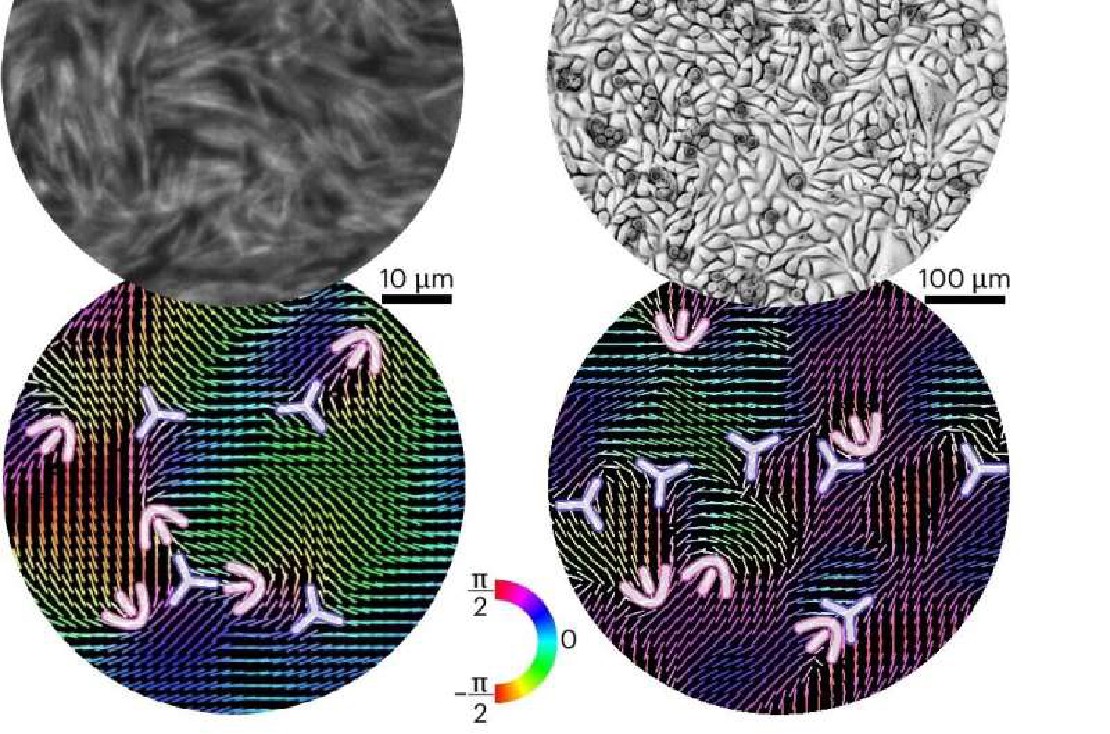
Swarming bacteria and human tissue cells spontaneously create large-scale flow patterns whose dynamics cannot be explained by conventional passive-matter physics.
Read more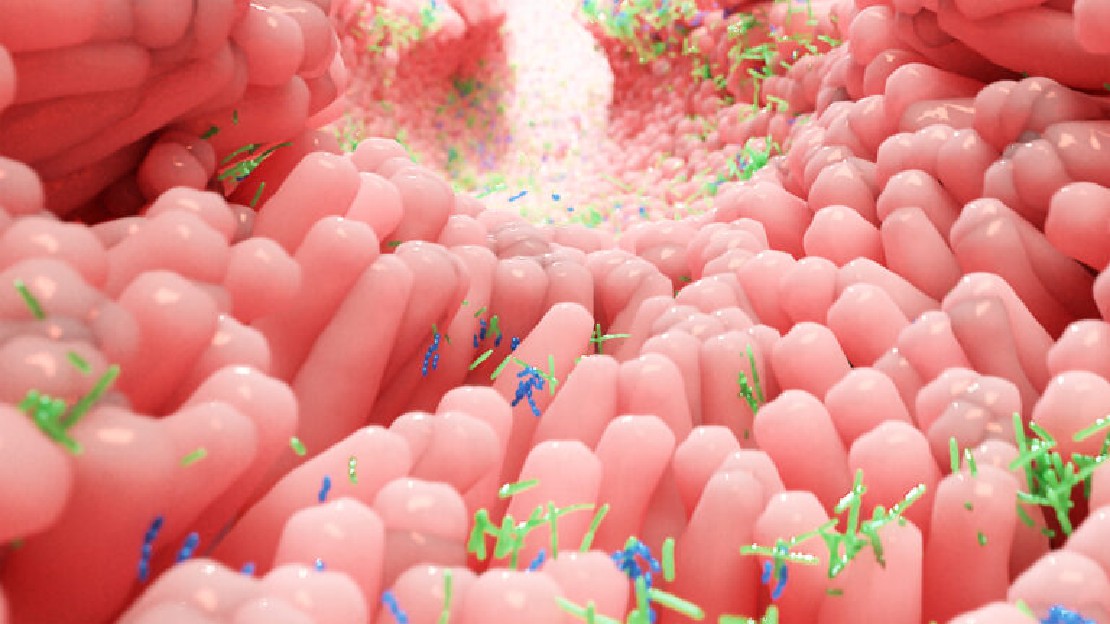
Gut bacteria coordinate through multiple overlapping communication channels rather than relying on a single signalling mechanism. A new review describes three major pathways: quorum sensing changes gene expression as bacterial population density changes; extracellular vesicles transport proteins, nucleic acids and signalling molecules between cells; and horizontal gene transfer distributes genetic capabilities through microbial communities.
Read more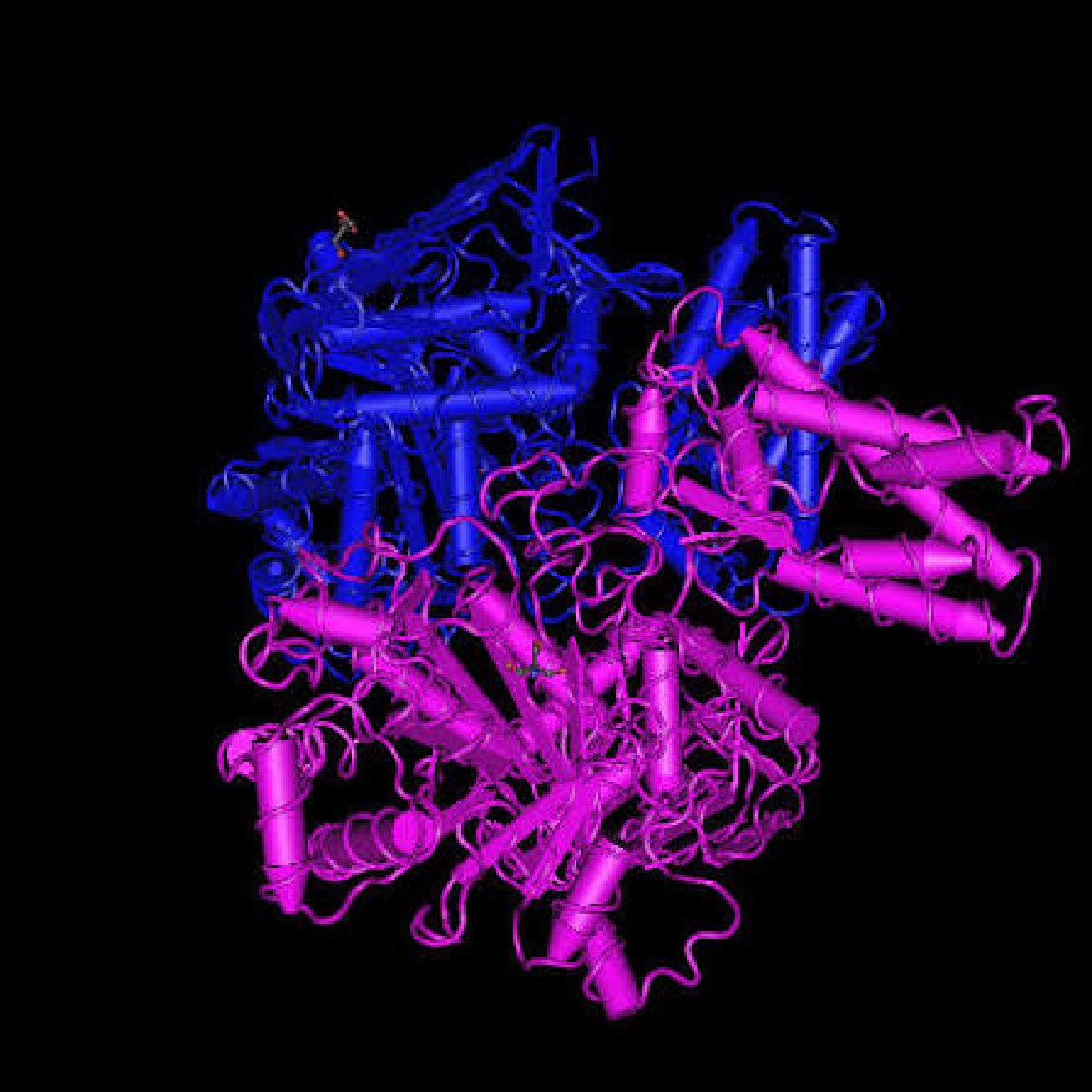
Bacterial “zorbing” is a newly discovered form of collective social movement where spherical, biofilm-like microcolonies of Flavobacterium johnsoniae “walk” and migrate together across surfaces.
Read more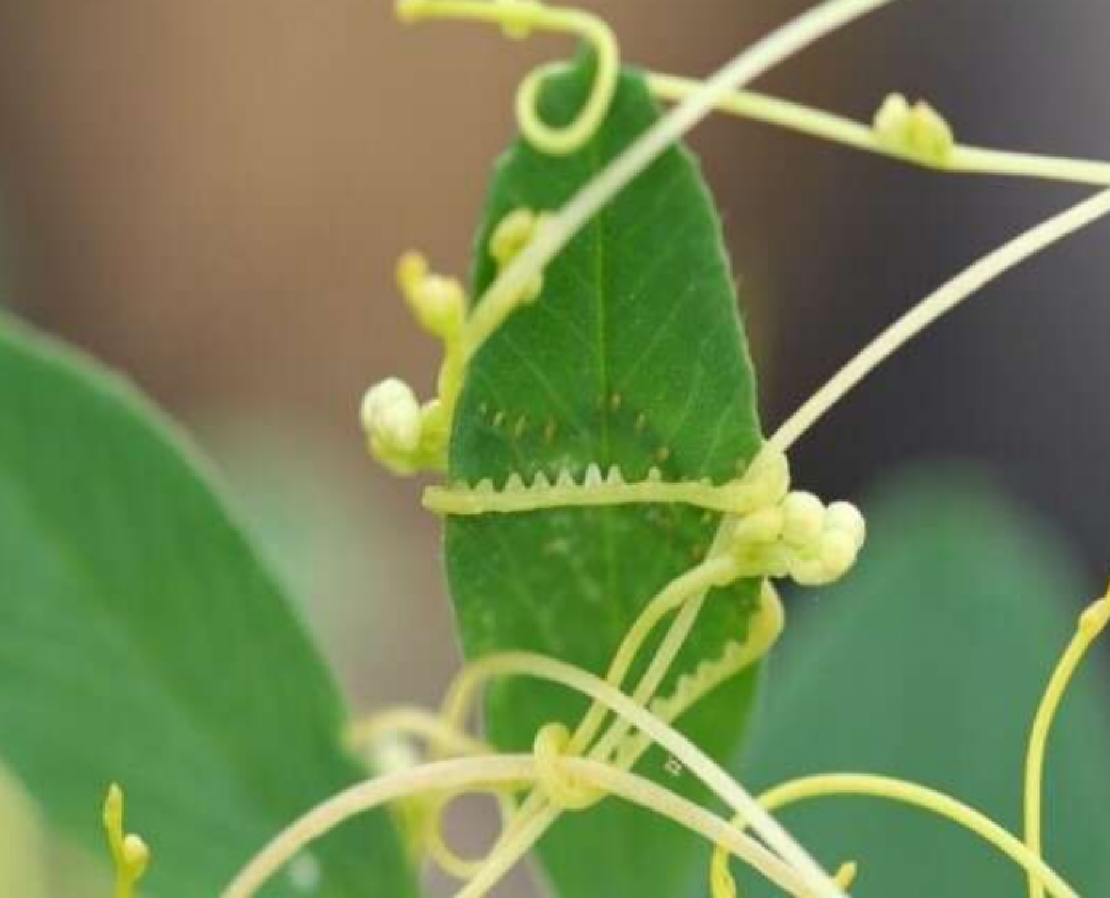
Dodder vines may function as biological communication bridges linking otherwise separate plants through direct vascular connections. Cuscuta forms haustoria that penetrate host tissues, but those connections carry considerably more than water and nutrients.
Read more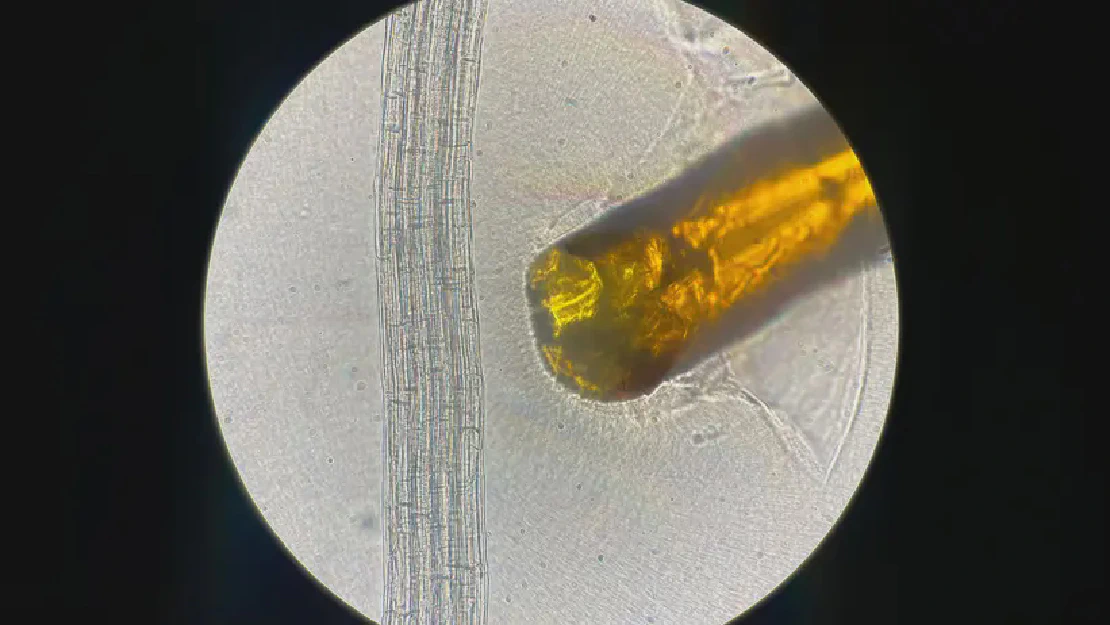
Plant roots can detect damage to a neighbouring plant almost immediately and redirect their own growth away from the disturbance.
Read more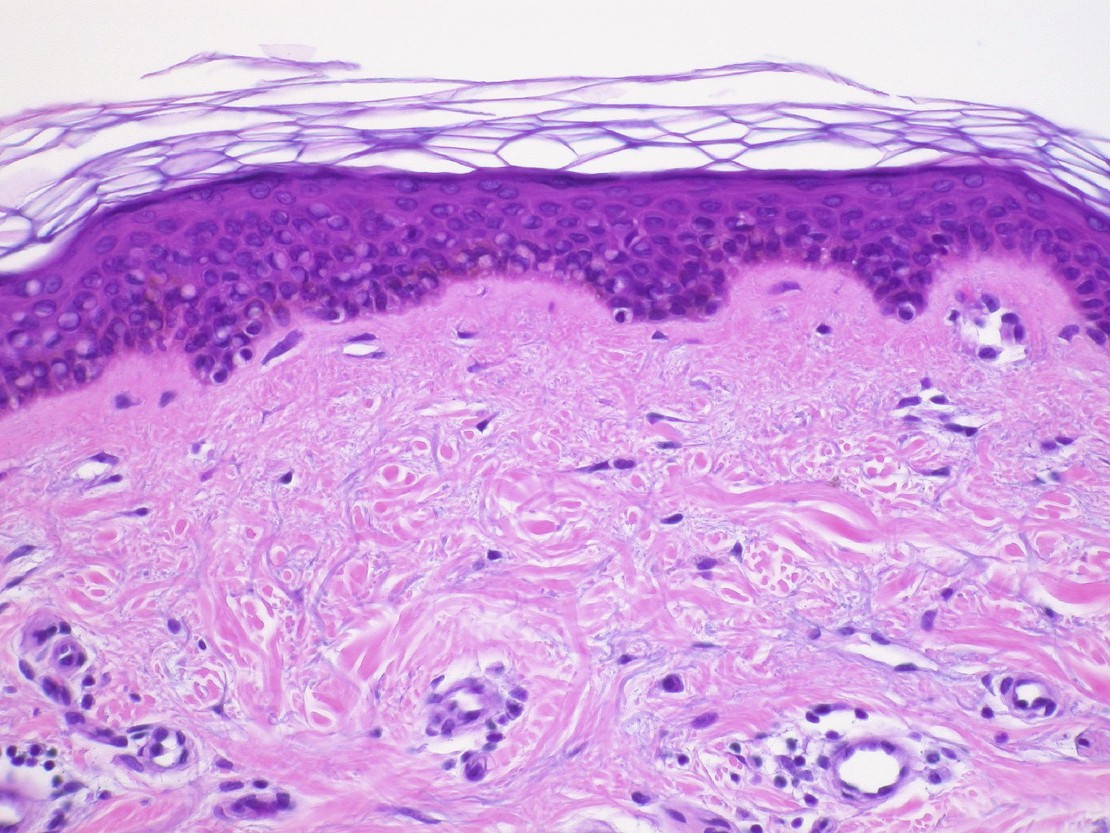
Cells don’t always behave as individuals. In sheets of epithelial cells — the tightly connected cells that line and cover much of the body — researchers have observed waves of contraction and expansion spreading through the group, a little like the stop-start compression that travels backwards through a traffic jam.
Read more