Part 4: The dangling conversation

Part 4: The dangling conversation In the previous article, we saw bacterial populations defend themselves collectively. Cyanobacteria formed protective flocs, while dying E.
Read morePart 4: The dangling conversation In the previous article, we saw bacterial populations defend themselves collectively. Cyanobacteria formed protective flocs, while dying E.
Read more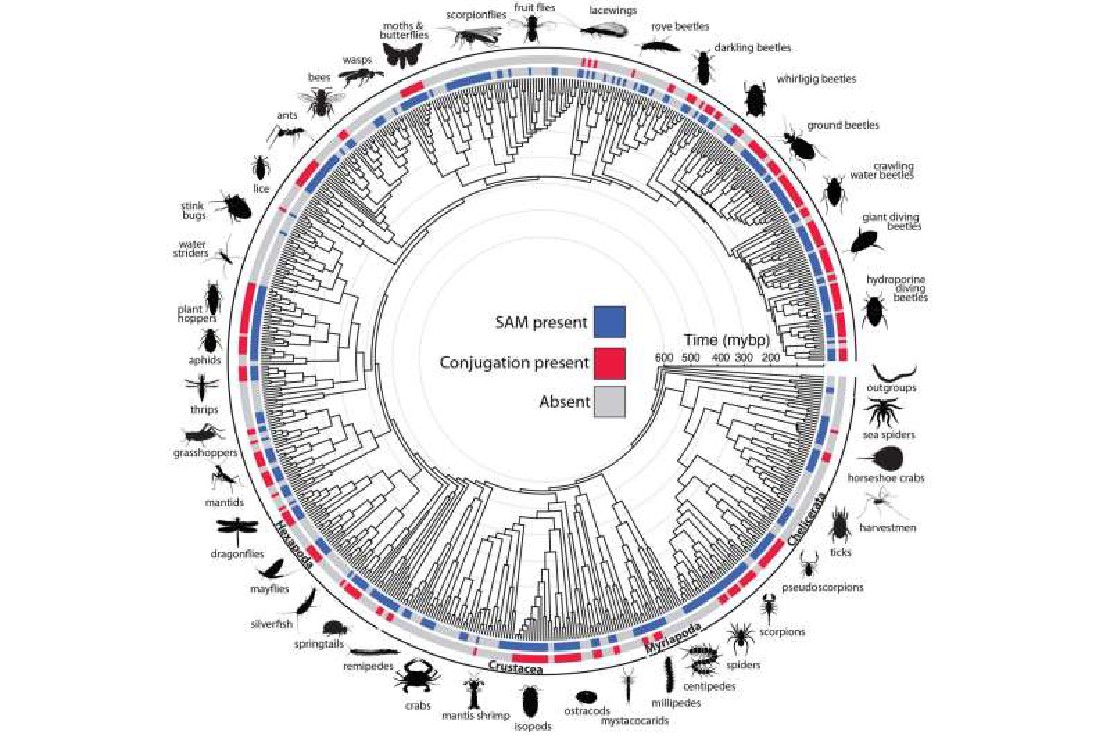
A comparative study across arthropods finds that sperm cooperation is far more widespread and evolutionarily recurrent than previously assumed. In many insects, spiders, crustaceans and related animals, sperm bind into coordinated groups or use sperm-associated material to form organised structures.
Read more
In the previous article, we saw that bacteria may encounter several overlapping signals. Different messages can indicate neighbours, competitors, changing conditions or competing courses of action.
Read more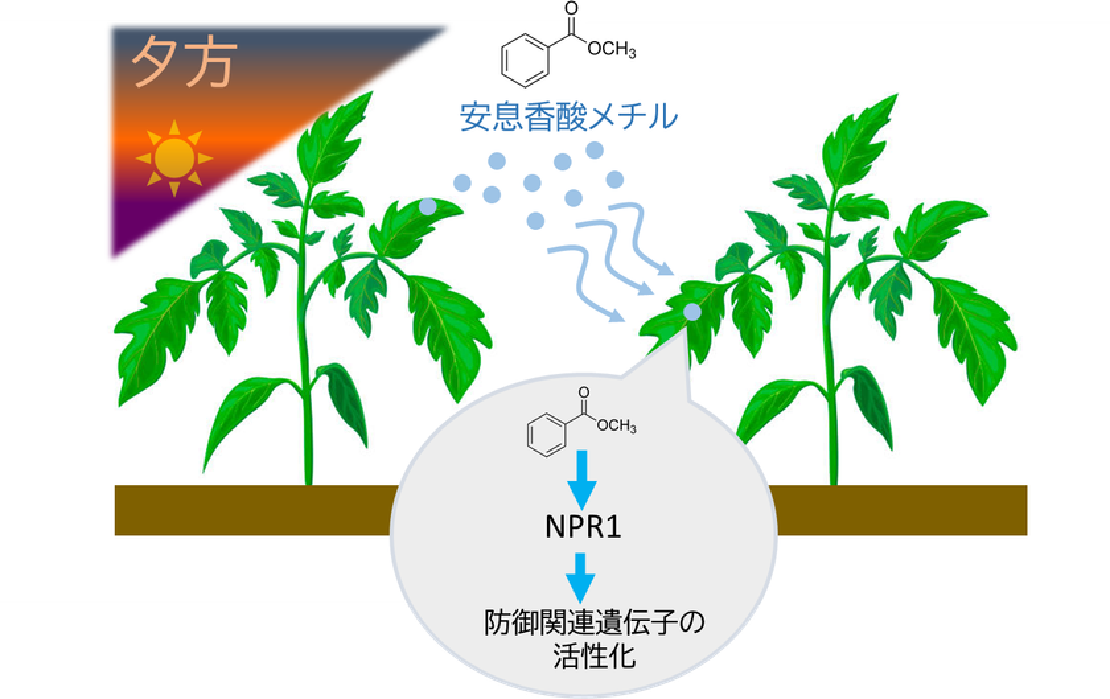
Kagoshima University researchers identified methyl benzoate as an airborne plant-defence signal whose release rises around dusk. Plants receiving the compound activate defence-related genes through NPR1, a central regulator of plant immunity, using a response pattern distinct from the better-known signal methyl salicylate.
Read more
To Which Quorum Should a Bacterium Listen? In the first article on microbial communication, we saw how bacteria release chemical signals that accumulate as a population grows.
Read more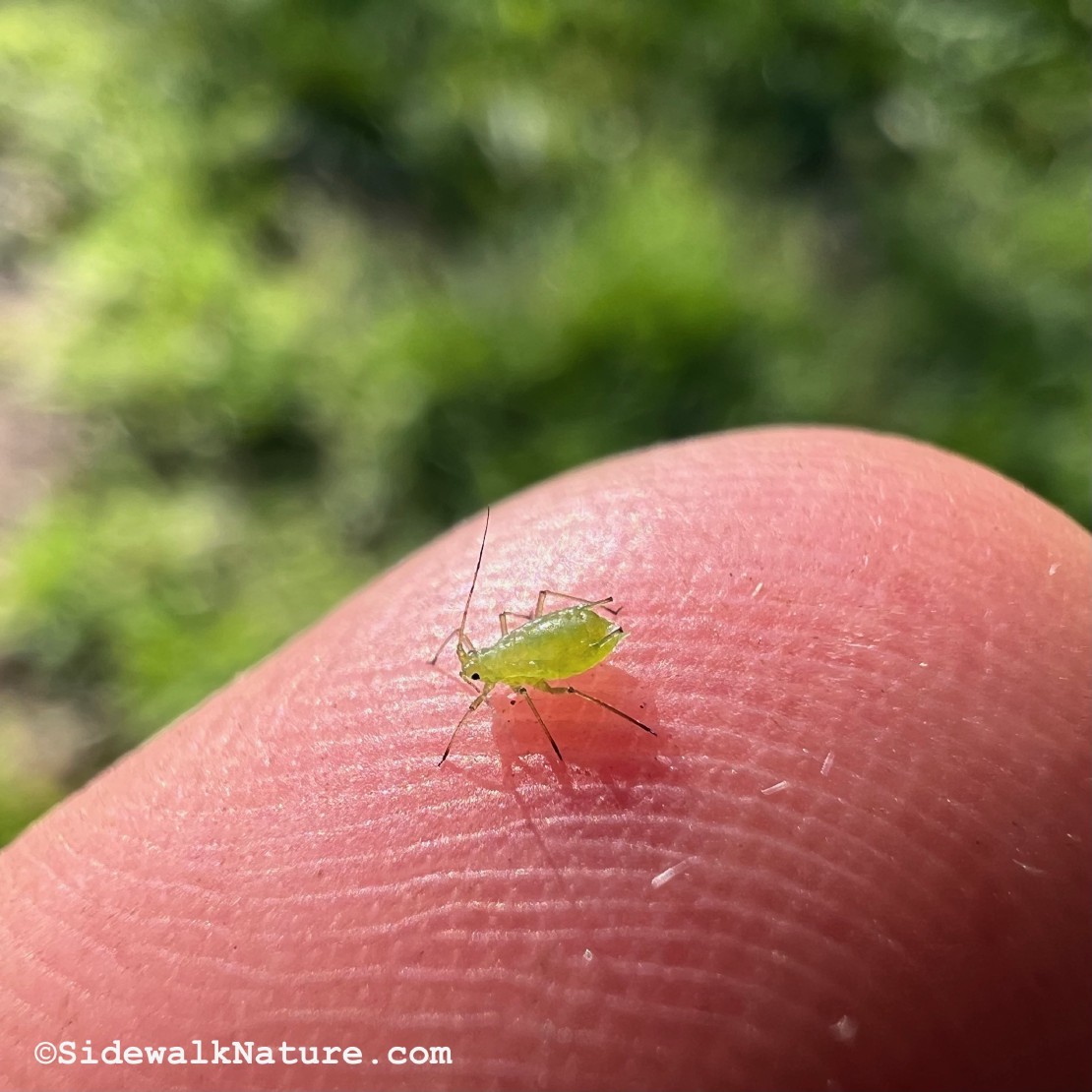
Researchers found that aphids transfer several of their own microRNAs, together with the regulatory protein Argonaute 1, into Buchnera bacteria living inside specialised host cells.
Read more
Research into the ectomycorrhizal fungus Laccaria bicolor found that cadmium exposure can trigger stress signals in parts of the fungal network that never directly encounter the metal.
Read more
This is a part one of a four part series of emergent microbial communication. “Quorum sensing”, “quorum quenching”. Cool words, what are we talking about here?
Read more