Self-propelled cells create collective patterns that ordinary matter cannot
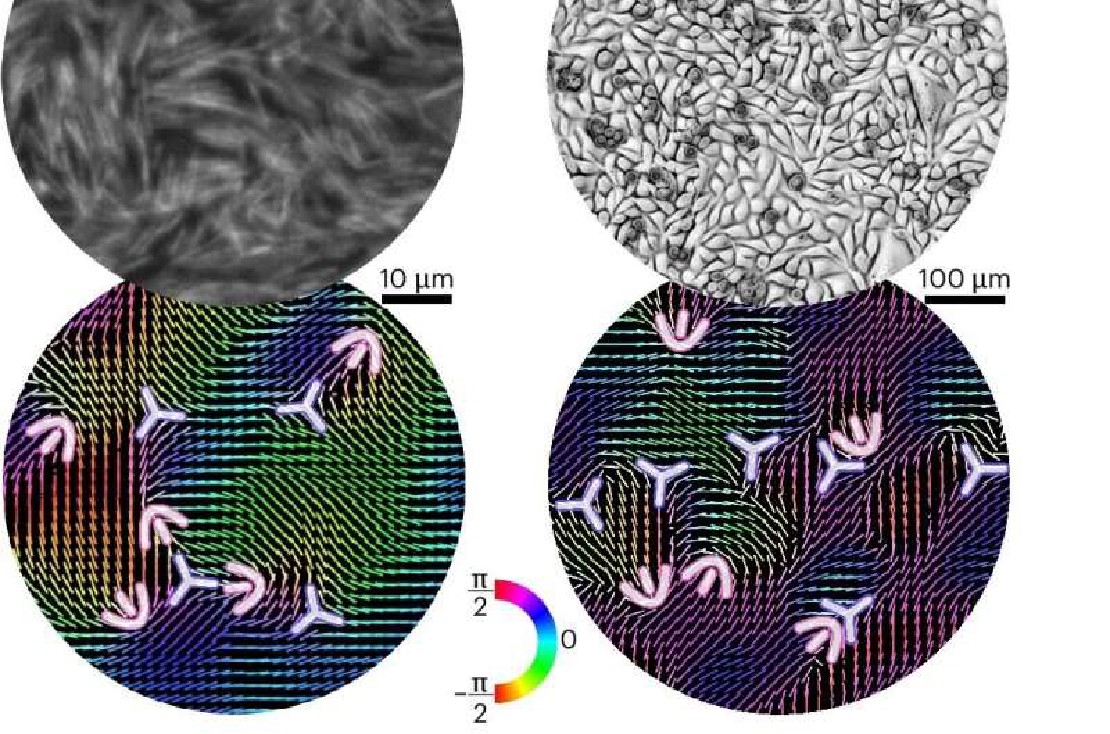
Swarming bacteria and human tissue cells spontaneously create large-scale flow patterns whose dynamics cannot be explained by conventional passive-matter physics.
Read moreSwarming bacteria and human tissue cells spontaneously create large-scale flow patterns whose dynamics cannot be explained by conventional passive-matter physics.
Read more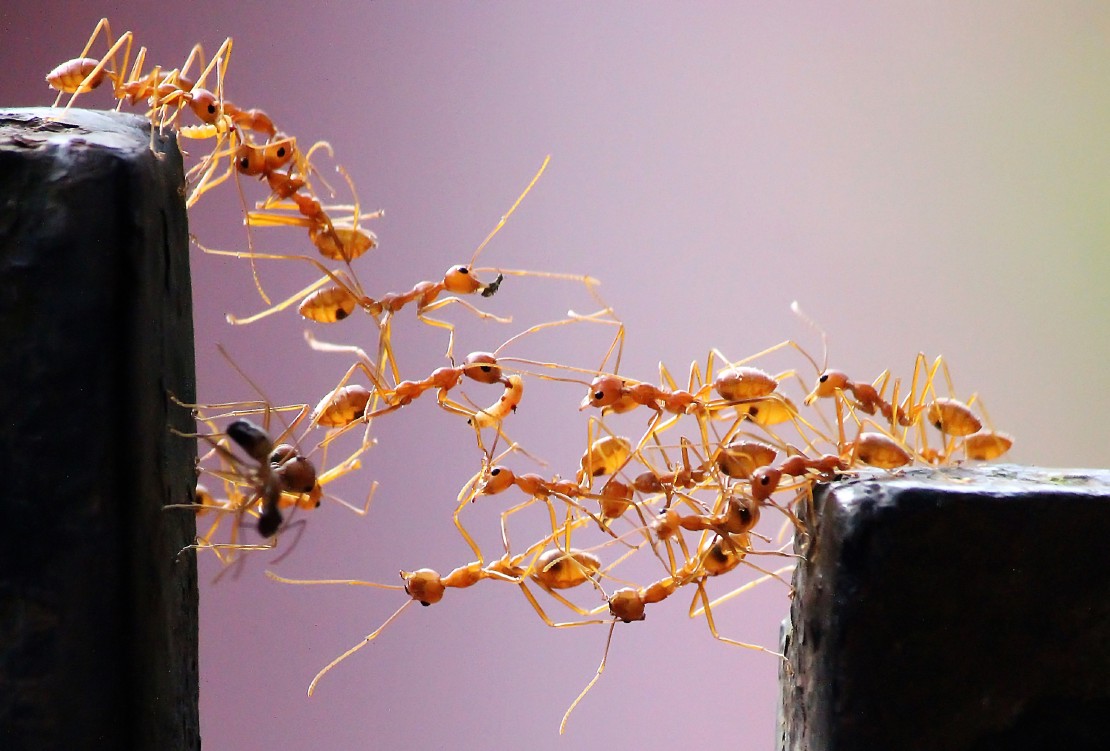
Fire ants demonstrate several distinct ways that useful group-level behaviour can emerge from decentralised interactions. Research presented by collective-behaviour specialist Takao Sasaki includes workers dynamically self-assembling into pontoon bridges across water, rafts collectively selecting a swimming direction toward visual landmarks, and colonies depositing particles to construct paths across difficult substrates.
Read more
Simple information constraints can push biological collectives into self-reinforcing consensus that becomes detached from the outside world. Cornell researchers modelled agents such as animals in groups and cells in tissues, relaxing two unrealistic assumptions: that individuals know the evidence behind neighbours’ decisions and can attend to every neighbour simultaneously.
Read more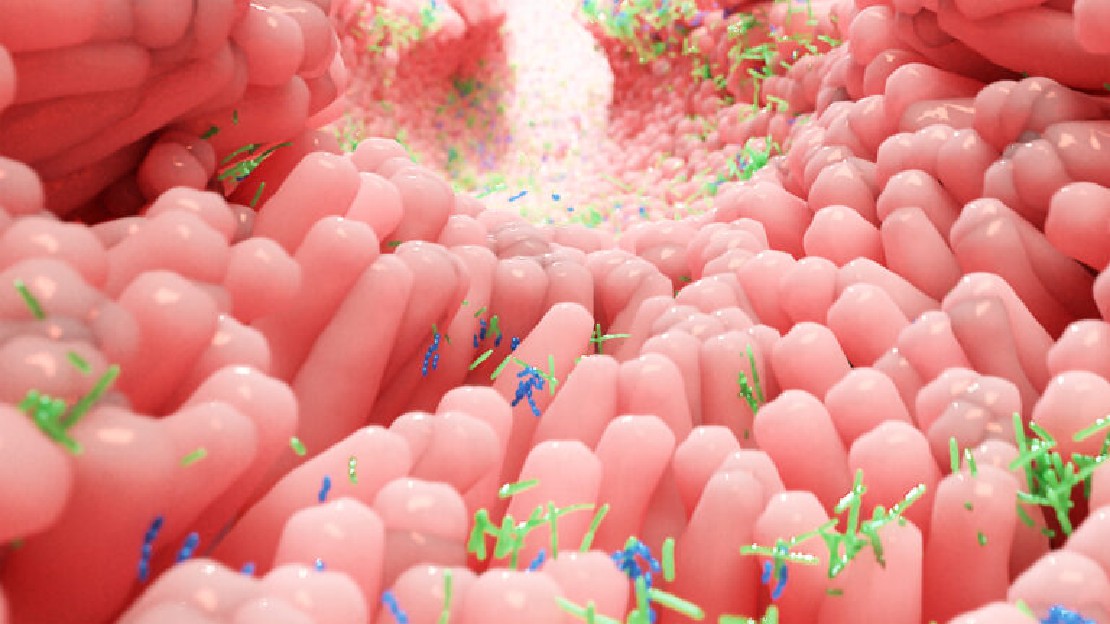
Gut bacteria coordinate through multiple overlapping communication channels rather than relying on a single signalling mechanism. A new review describes three major pathways: quorum sensing changes gene expression as bacterial population density changes; extracellular vesicles transport proteins, nucleic acids and signalling molecules between cells; and horizontal gene transfer distributes genetic capabilities through microbial communities.
Read more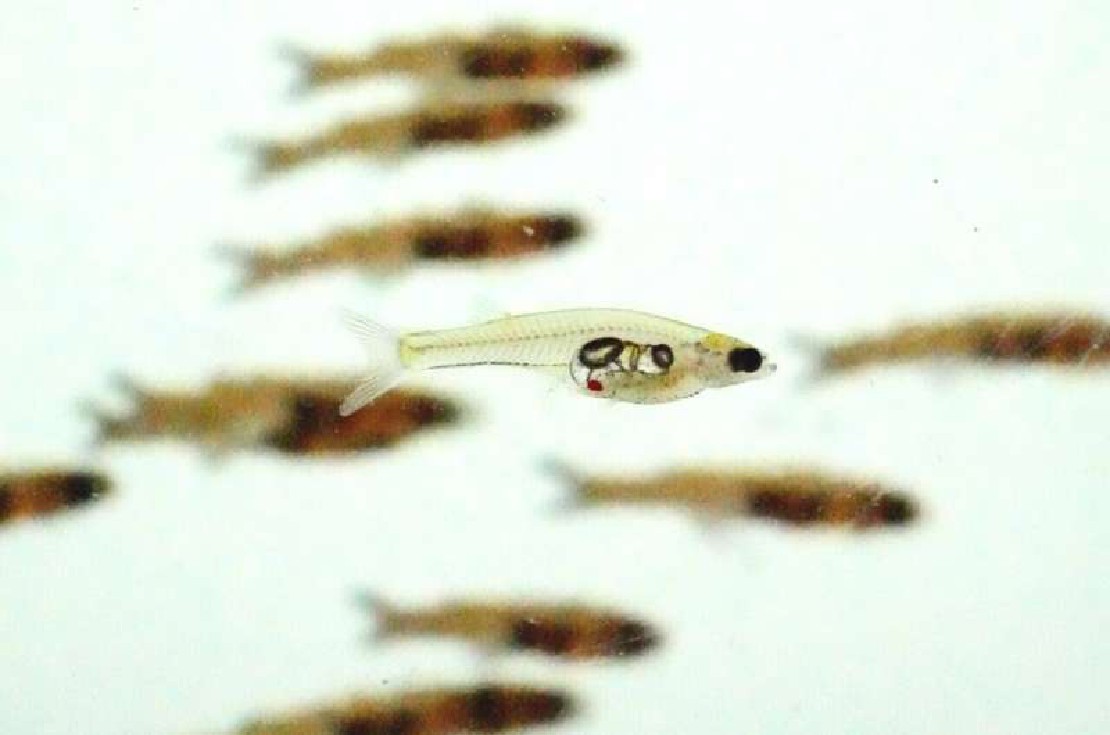
Schooling glassfish can infer danger from the behaviour of nearby fish even when they never see the threat themselves. This exposes a remarkably economical distributed warning mechanism.
Read more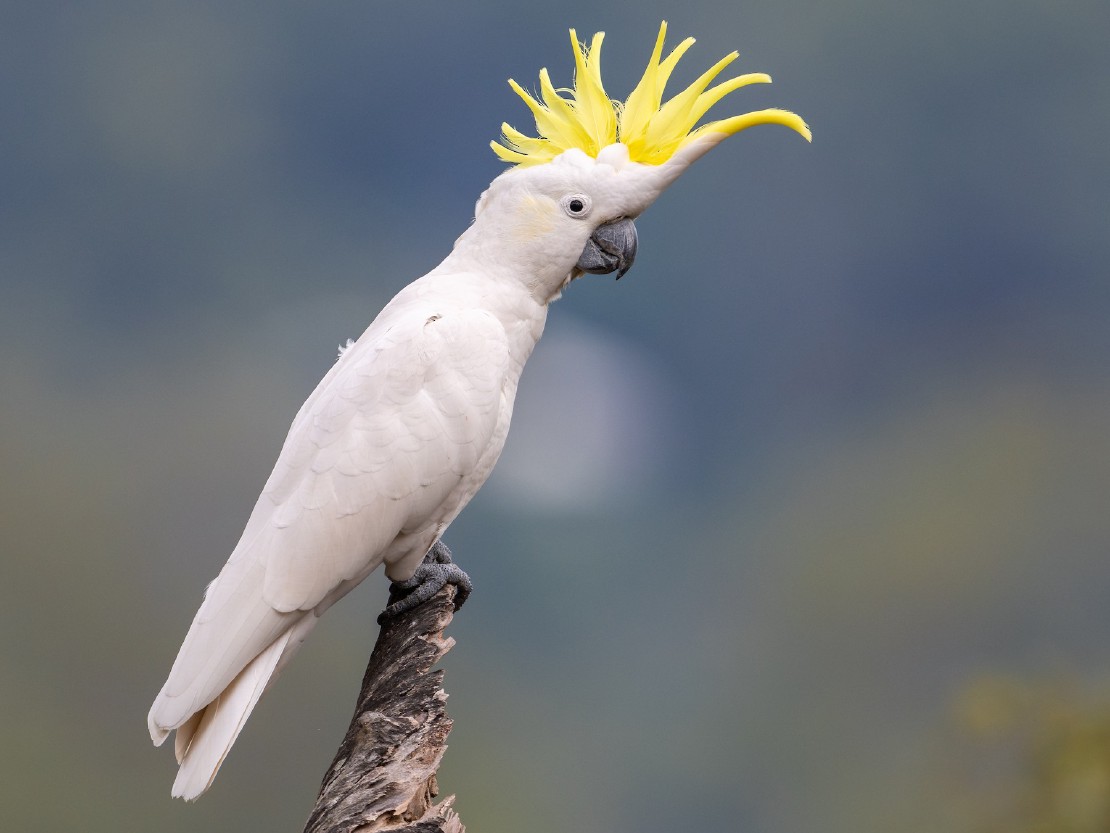
Just two of Sydney’s sulphur-crested cockatoos spread the word to all its mates (and theirs). An innovation discovered or introduced at a few nodes can diffuse through overlapping local relationships until it becomes population-level culture.
Read more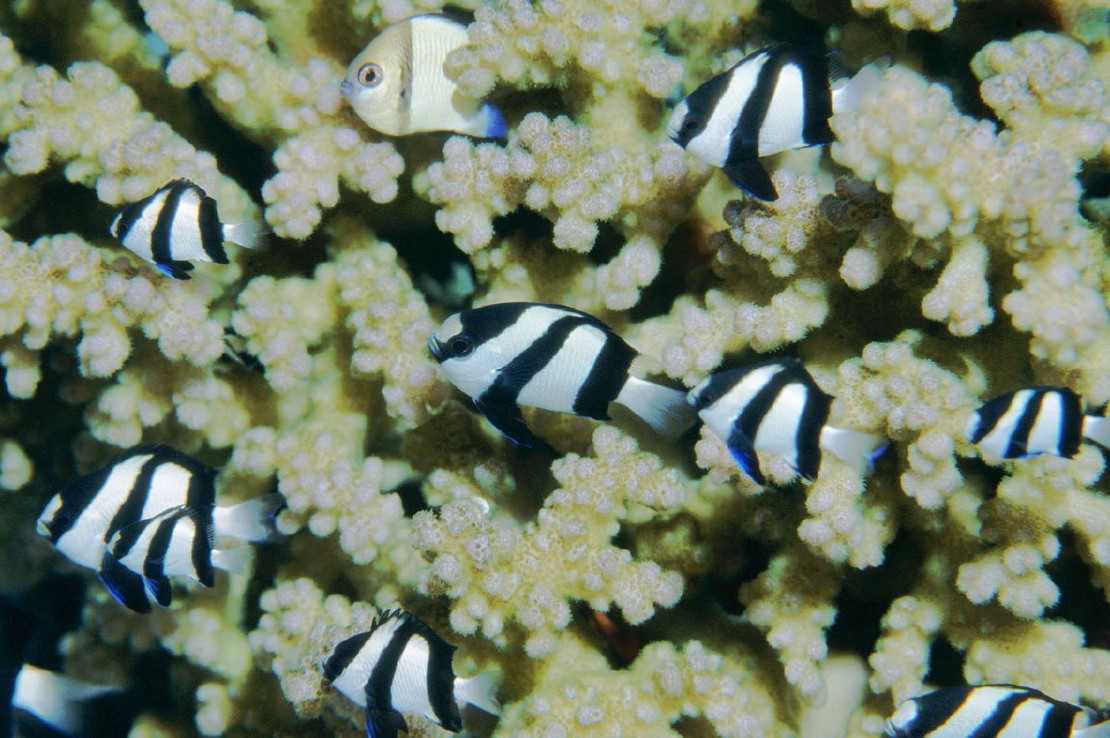
Humbug damselfish offer researchers a natural system for studying how threat information propagates through a group without every fish independently detecting the danger.
Read more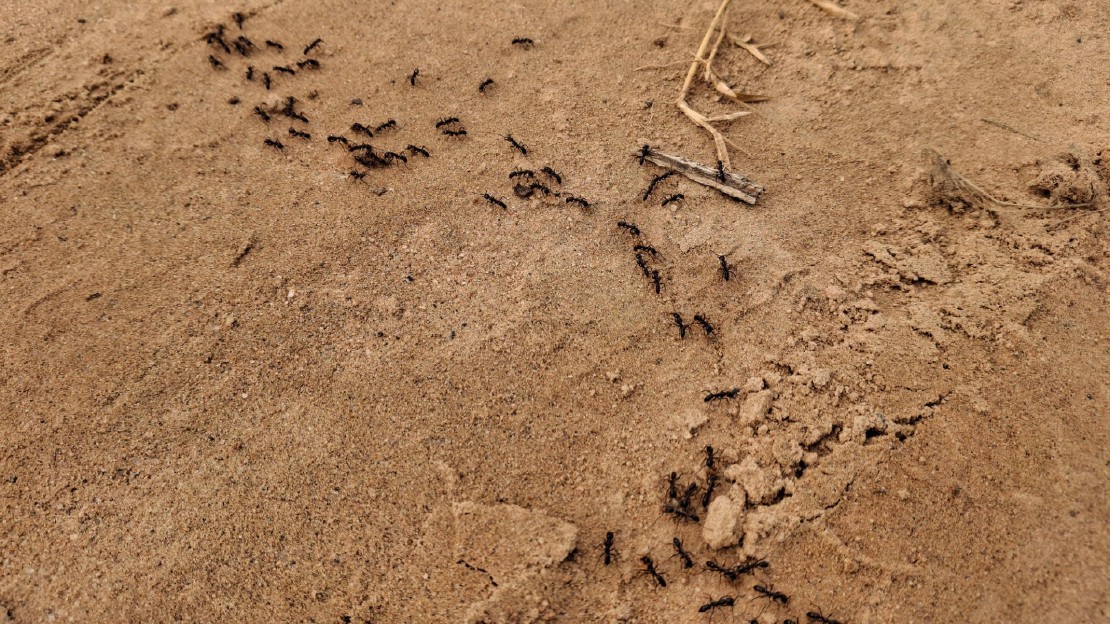
Social insects provide concrete examples of collectives enforcing system-level constraints through local behaviour even when no individual can measure the state of the whole group.
Read more
Bacterial “zorbing” is a newly discovered form of collective social movement where spherical, biofilm-like microcolonies of Flavobacterium johnsoniae “walk” and migrate together across surfaces.
Read more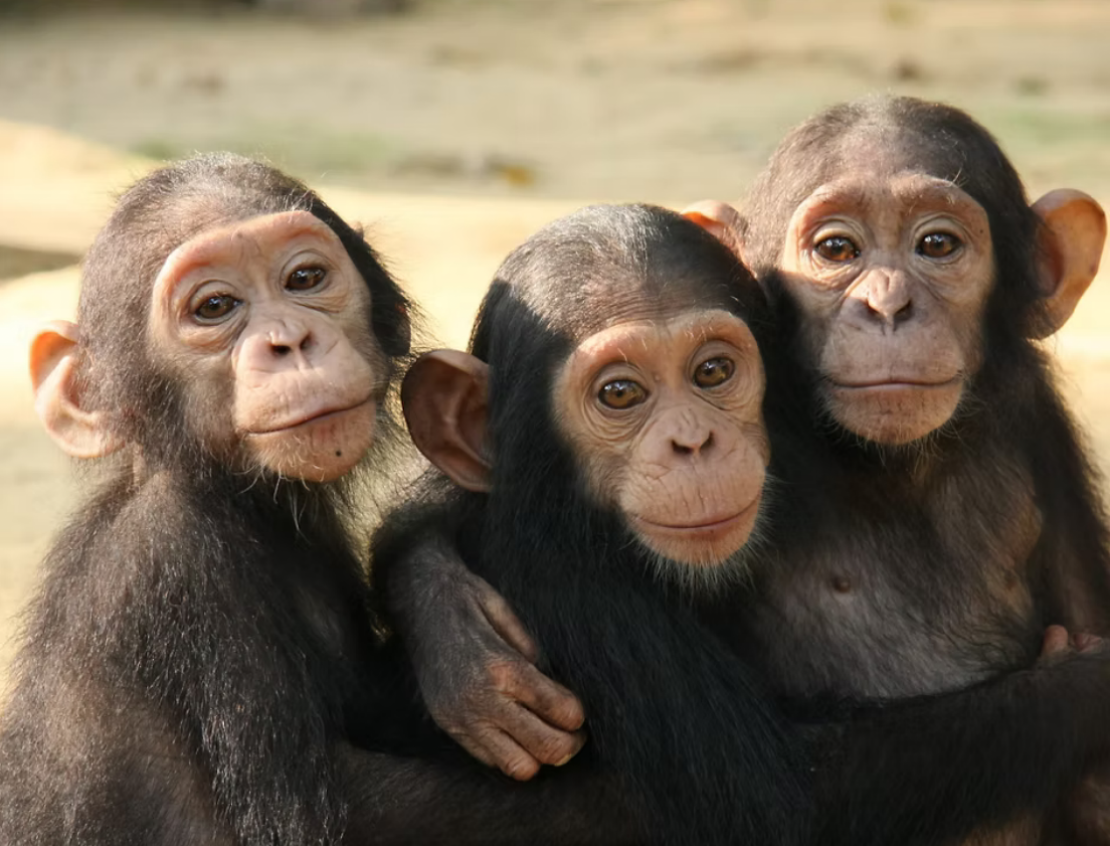
Young chimpanzees develop increasingly distinctive population-specific vocal patterns as they mature. Researchers comparing grunts, whimpers and laughter from two geographically separated communities found that some differences were detectable in infancy while others became stronger during juvenile development.
Read more