Fish Schools May Form by Copying One Neighbour at a Time
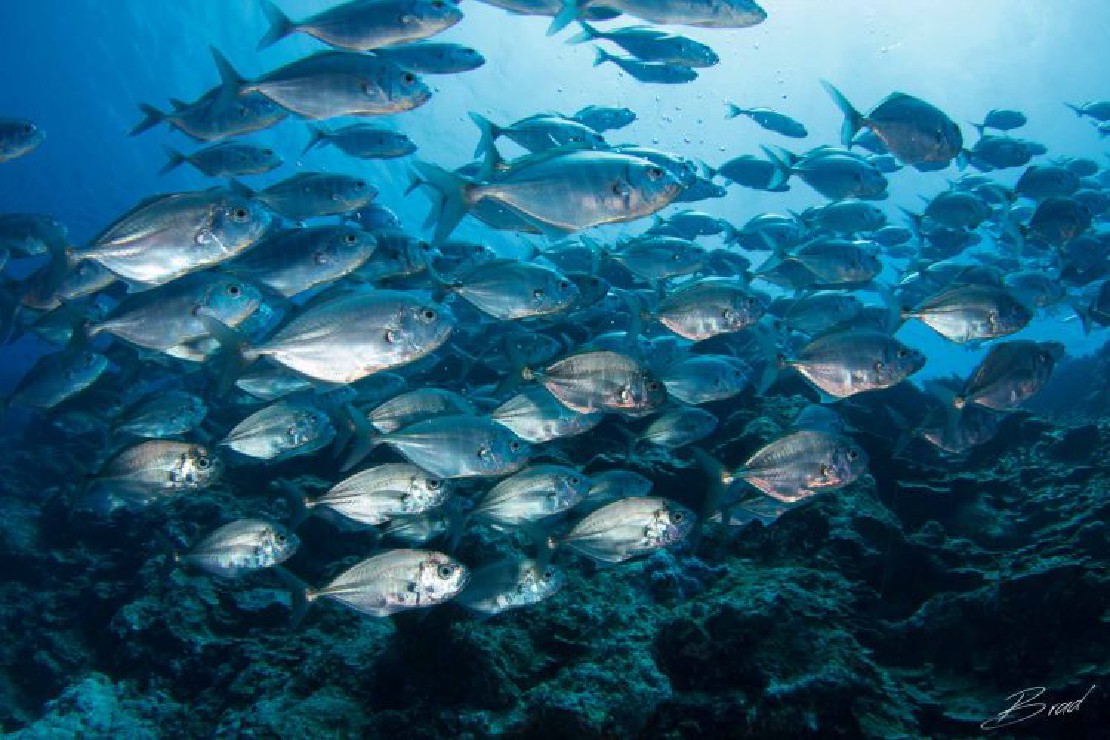
Glassfish appear to coordinate by copying one nearby neighbour at discrete moments rather than averaging the movements of the whole local group.
Read moreGlassfish appear to coordinate by copying one nearby neighbour at discrete moments rather than averaging the movements of the whole local group.
Read more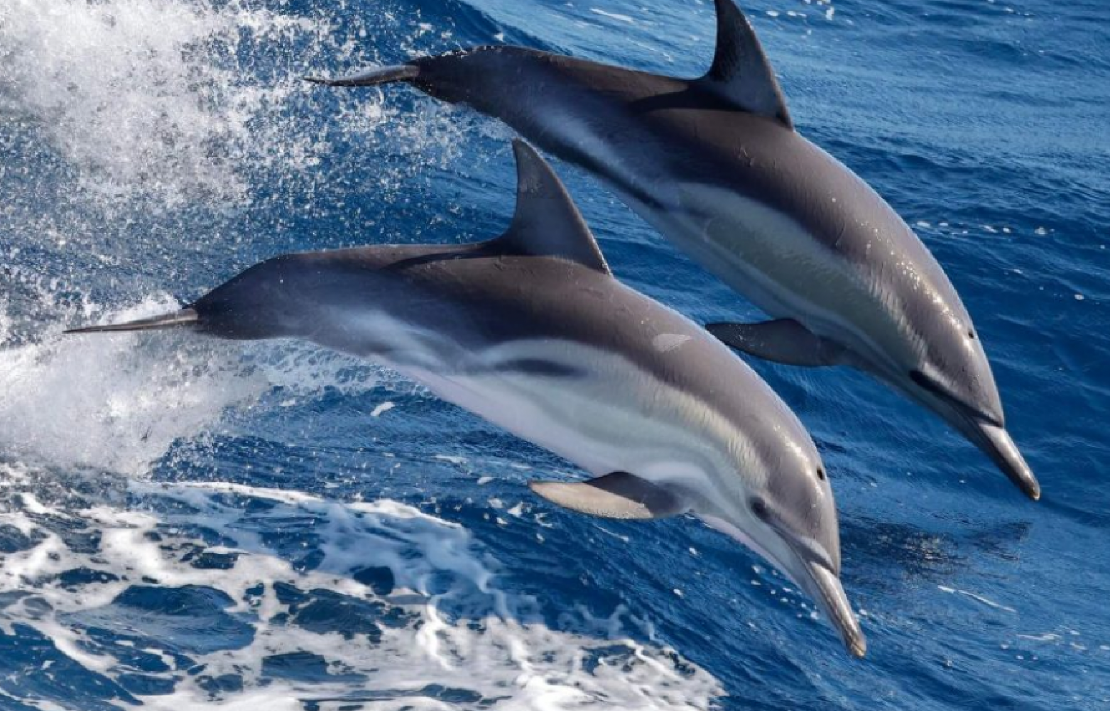
A new framework proposes that moving animals can coordinate through the fluid disturbances they leave behind. Fish, birds, insects and microorganisms continually modify the water or air surrounding them, creating wakes, pressure gradients and other flow structures that neighbours can sense or exploit.
Read more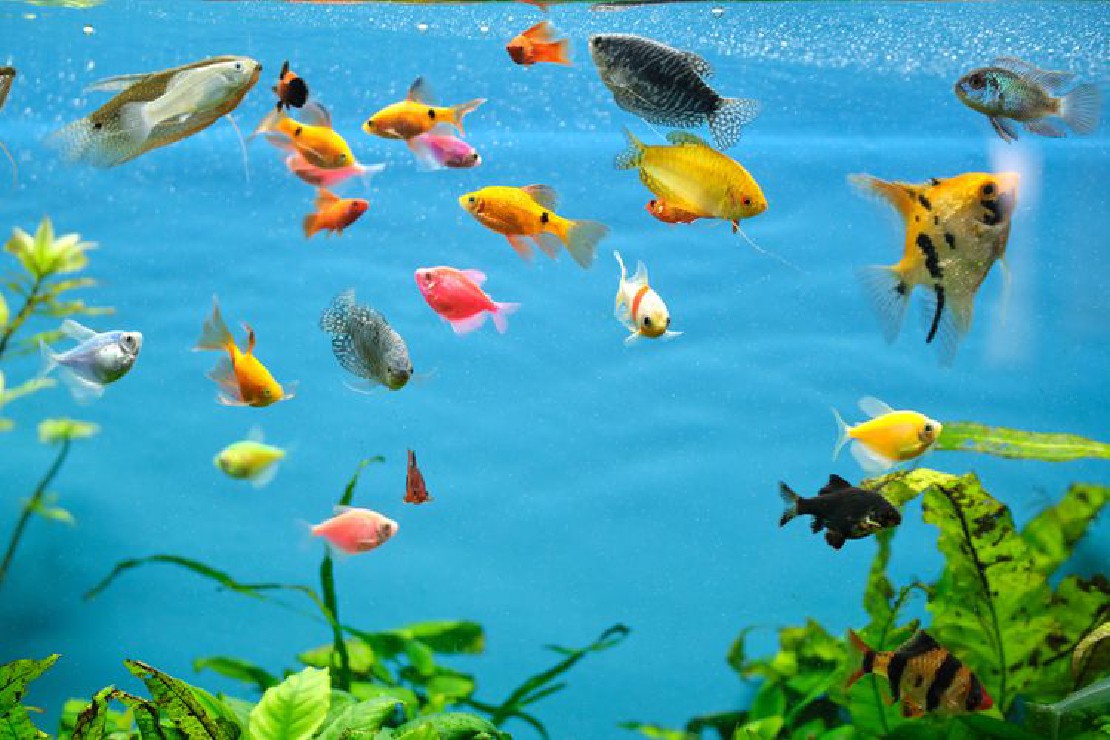
A theoretical study of collective escape proposes that animals can improve both speed and accuracy by treating an undisturbed neighbour as negative evidence about a possible threat.
Read more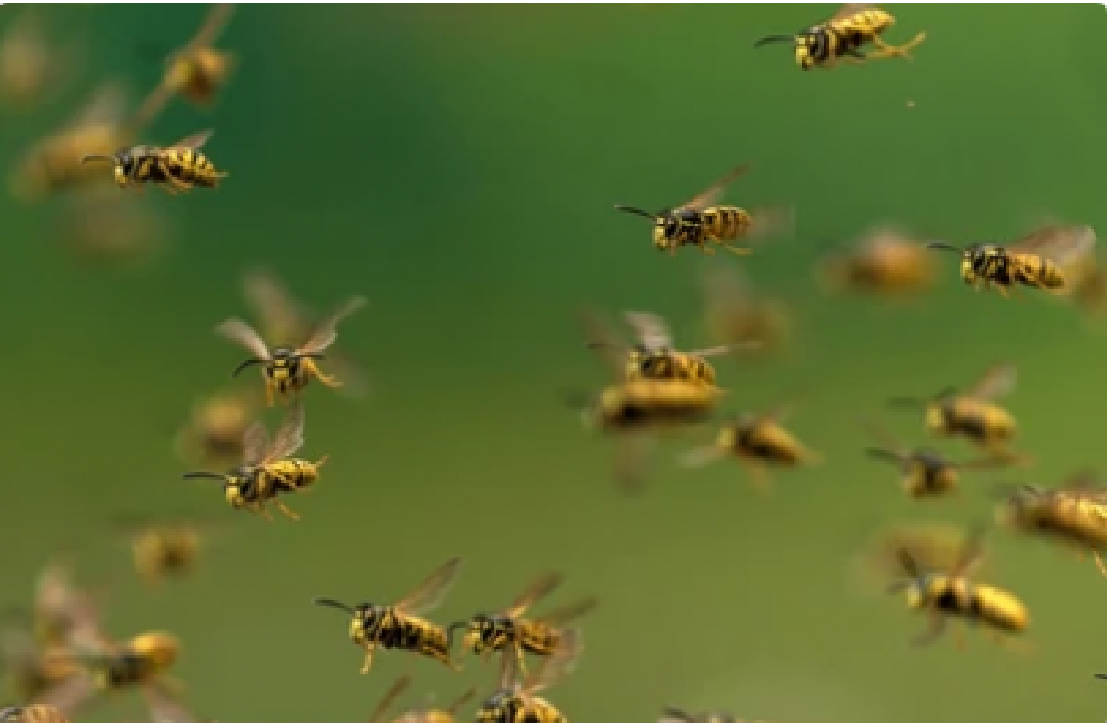
To operate autonomously, minimal robot swarms must make timely and reliable collective decisions despite noisy individual sensing and severe constraints on communication, computation, and memory.
Read more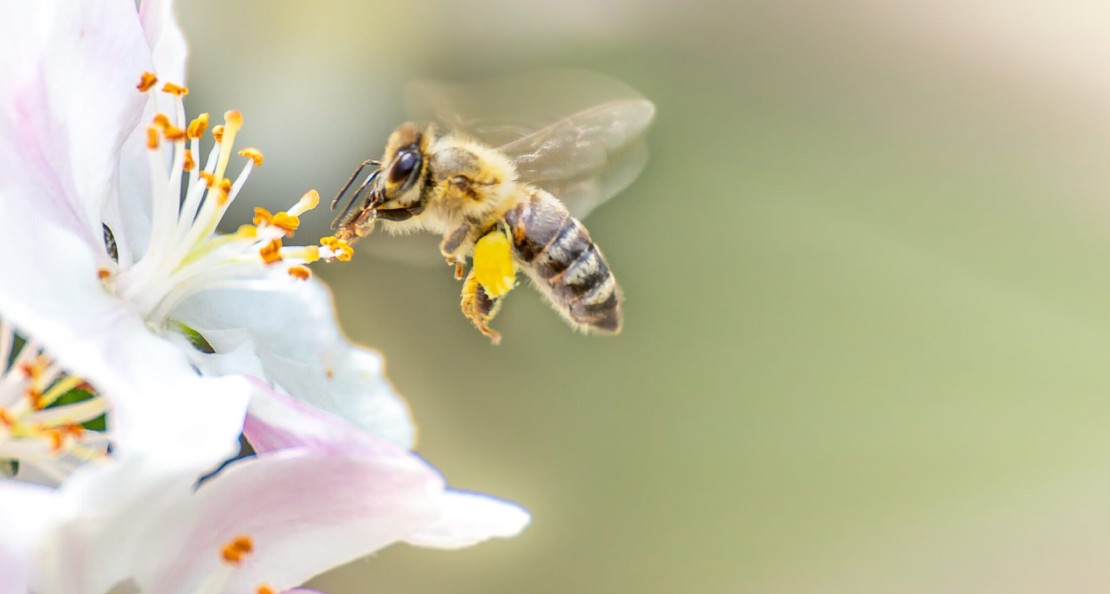
Bees and flowering plants share one of nature’s most elegant and essential symbiotic relationships. This relationship goes beyond the visible interactions of bees landing on flowers and emerging covered in pollen.
Read more
Cells don’t always behave as individuals. In sheets of epithelial cells — the tightly connected cells that line and cover much of the body — researchers have observed waves of contraction and expansion spreading through the group, a little like the stop-start compression that travels backwards through a traffic jam.
Read more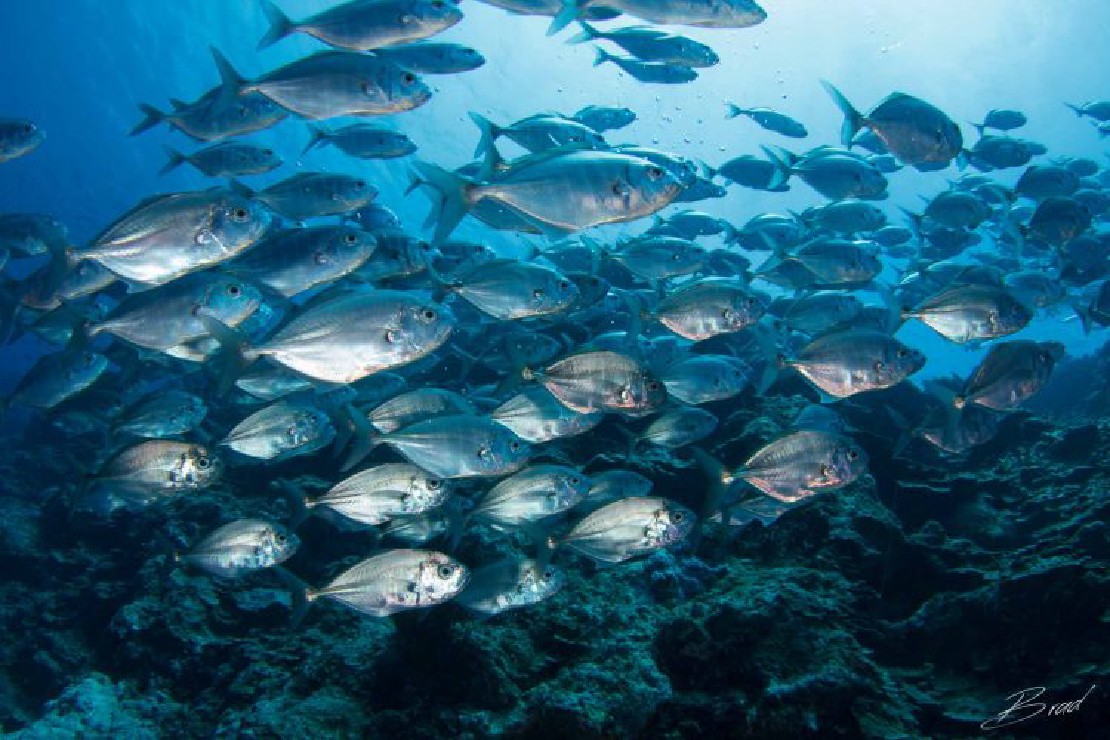
This study uses a conditioned escape response to follow how information propagates through schooling fish after selected individuals respond to a threat cue.
Read more
Researchers used a closed-loop biohybrid system in which robotic agents interacted dynamically with schooling fish, allowing them to probe how individuals respond to neighbours rather than merely observe naturally occurring schools.
Read more
A model grounded in observations of ant colonies suggests that synchronized bursts of activity can begin with a single active worker.
Read more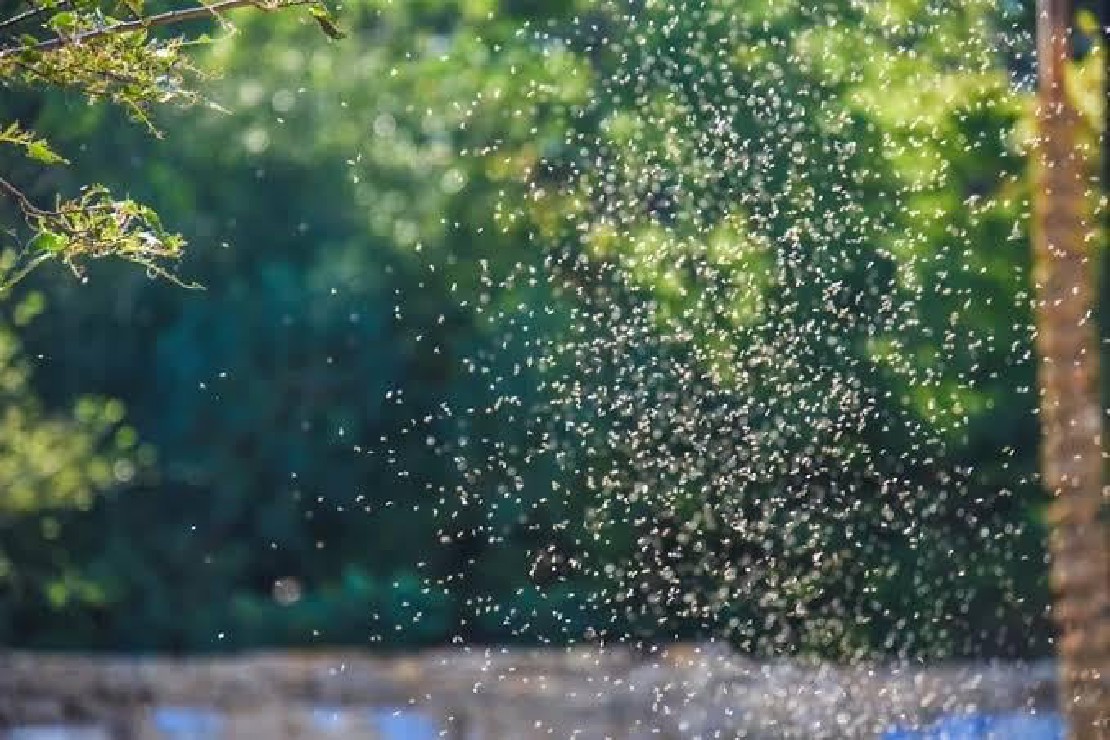
A theoretical model of flying insect swarms proposes acoustic interaction as a local communication mechanism, with each insect attracted toward a weighted mean field generated by nearby swarm members.
Read more