First global map shows where underground fungal networks thrive and fail

Researchers combined more than 16,000 soil samples with predictive models to map the global density of arbuscular mycorrhizal fungal networks.
Read more
Researchers combined more than 16,000 soil samples with predictive models to map the global density of arbuscular mycorrhizal fungal networks.
Read more
(See the original demos announcement at the link). We have added more algorithms to the website to try out and tweak.
Read more
UPDATE: See more demos by following this link! We are happy to announce that the Gallery part of our website is now available for viewing!
Read more
While the new AI companies have focussed on LLMs, Google has been spinning off projects from Demis Hassabis’ DeepMind, in AlphaGo, AlphaEvolve, and the Noble prize-winning AlphaFold.
Read more
Researchers at the University of Hong Kong demonstrated small snail-inspired modular robots that can physically attach to one another using suction-based coupling.
Read more
Interspecies communication networks about threats can shape animal communities, as many species produce alarm calls while eavesdropping on those of others, resulting in information flow crossing ecological niches and taxonomic boundaries.
Read more
The Biomimicry Institute has launched a new podcast exploring how biological strategies are translated into engineering and design applications. The series highlights practical pathways from natural systems to real-world technologies.
Read more
A Springer Nature Research Communities article describes a plant-inspired adaptive façade using hygromorphic, biobased 4D-printed materials that change shape in response to weather.
Read more
Scientific Reports published a bio-inspired UAV swarm framework for search and rescue, combining thermal sensing, distributed coordination, and optimization methods including Particle Swarm Optimization, Grey Wolf Optimizer, and Ant Colony Optimization.
Read more
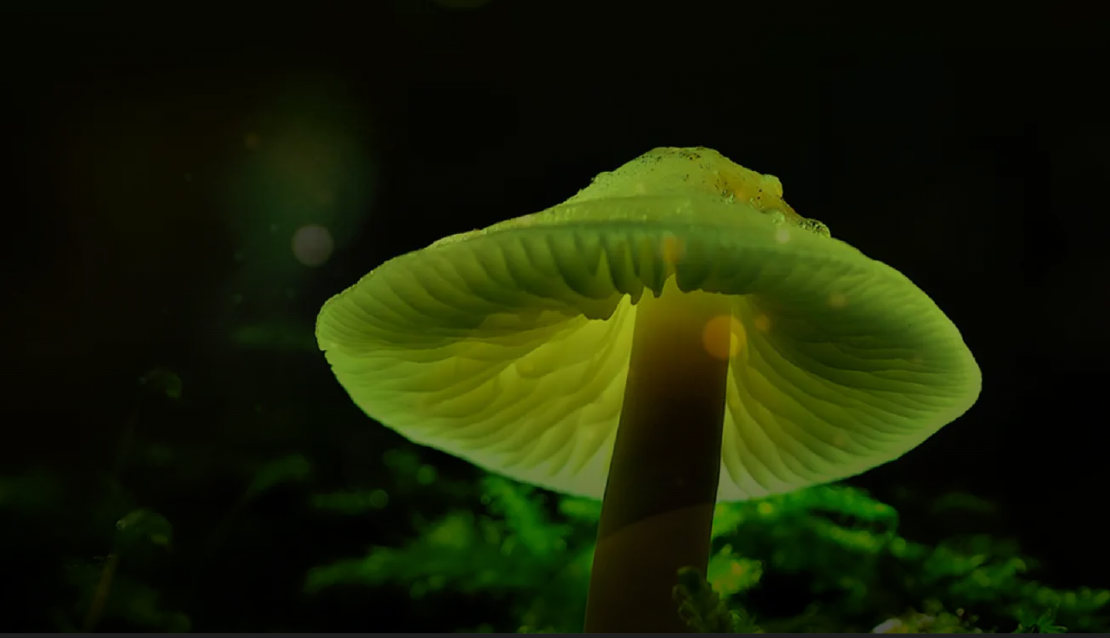
Chinese Scientists Bioengineering Plants With Firefly Genes to Glow, in Effort to Light Cities at Night The bioluminescent flora were created by splicing genes from fireflies and glowing fungi into the plant cells, allowing them to emit a soft glow.
Read more