A drone swarm closes the loop from wildfire detection to collective response

AURA Foresight has demonstrated an autonomous wildfire system in which fixed sensors, AI and a drone swarm form a distributed detect-verify-respond chain.
Read moreAURA Foresight has demonstrated an autonomous wildfire system in which fixed sensors, AI and a drone swarm form a distributed detect-verify-respond chain.
Read more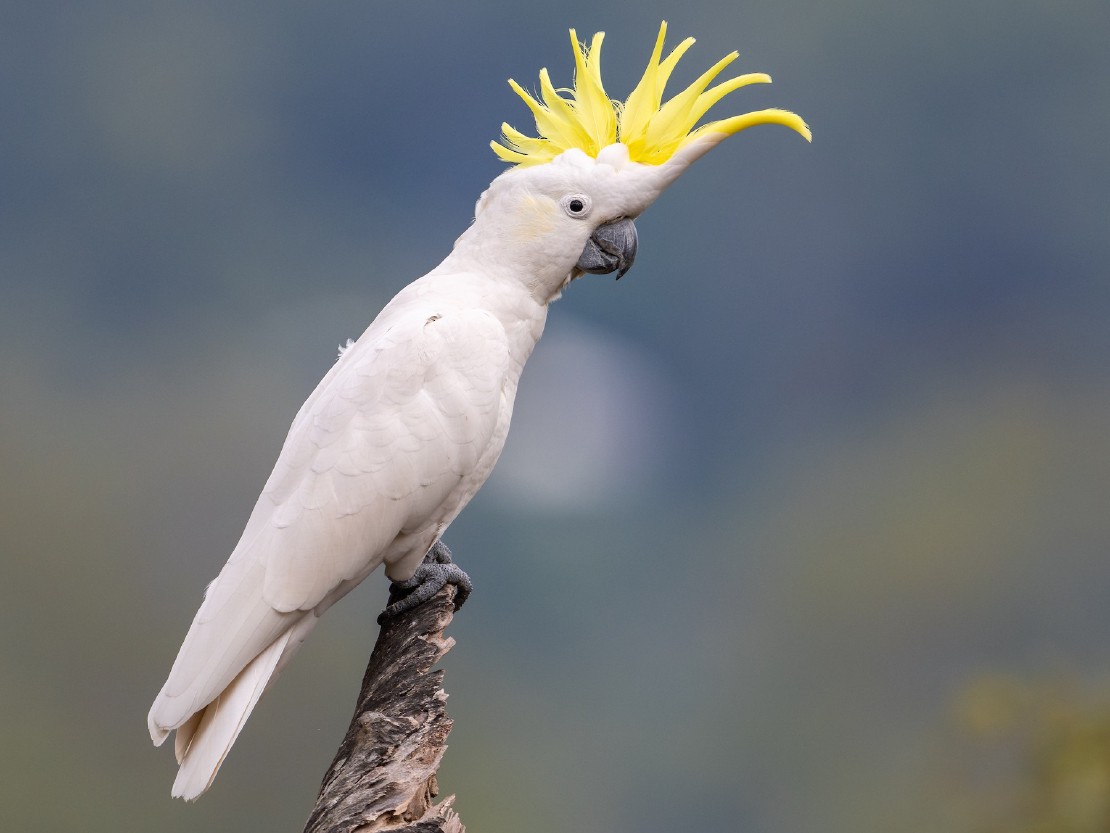
Just two of Sydney’s sulphur-crested cockatoos spread the word to all its mates (and theirs). An innovation discovered or introduced at a few nodes can diffuse through overlapping local relationships until it becomes population-level culture.
Read more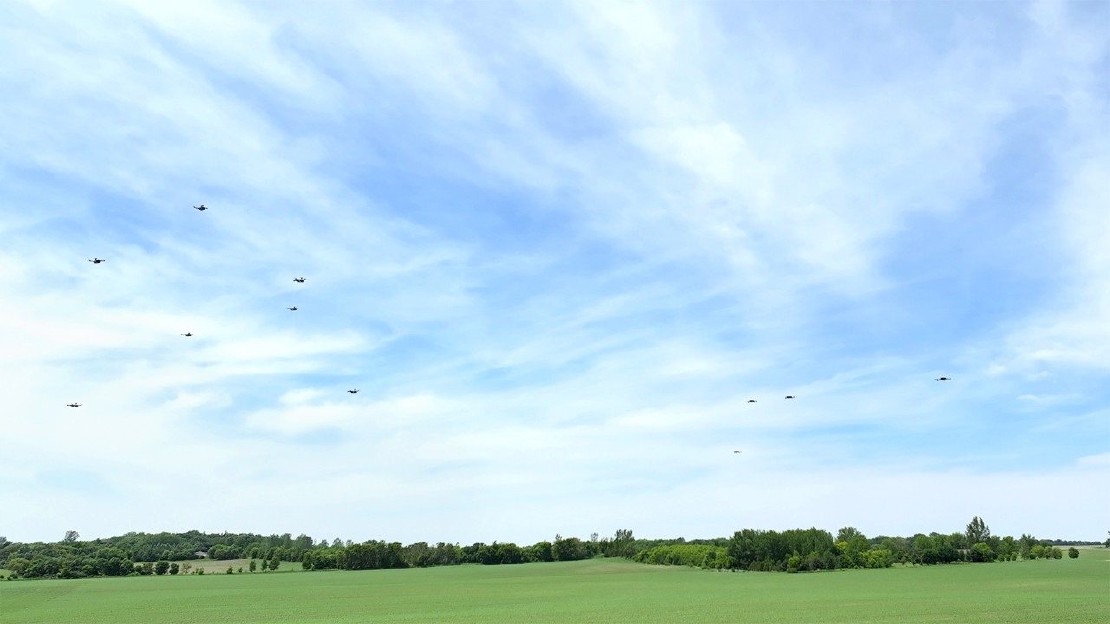
A field demonstration has used a coordinated autonomous drone swarm to intercept another swarm by forming a three-dimensional barrier in its path.
Read more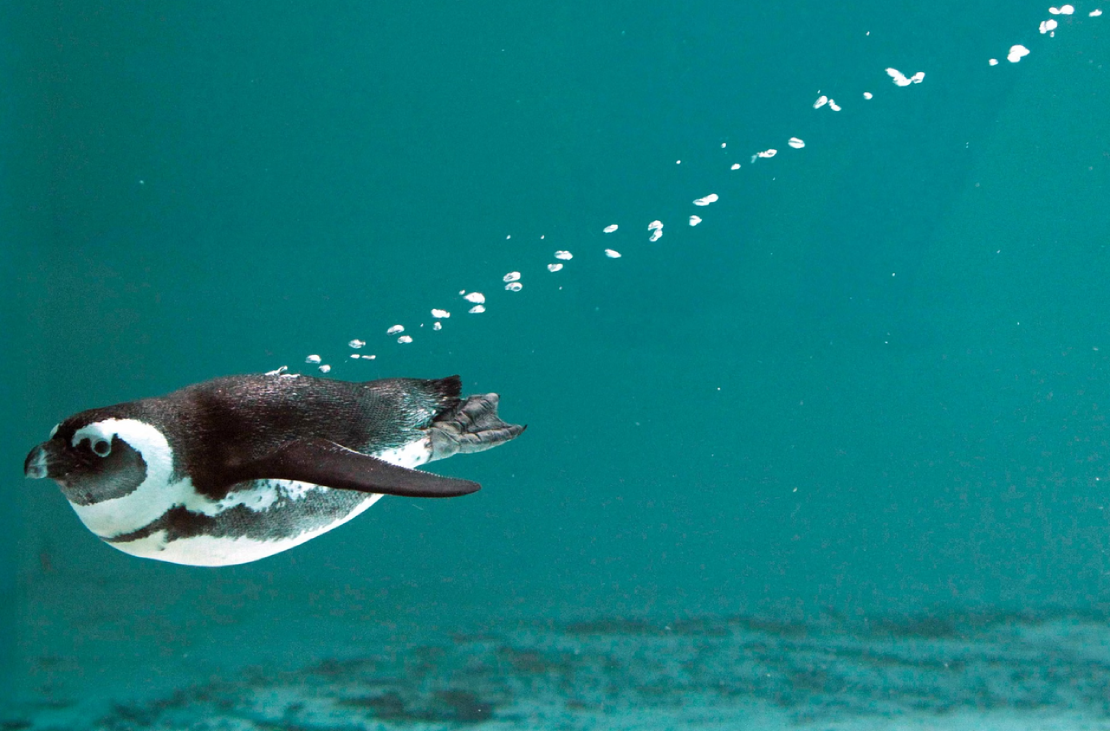
Collective animals can communicate indirectly through the fluid disturbances their own movements leave behind. This extends stigmergy beyond persistent structures such as ant pheromone trails or termite construction.
Read more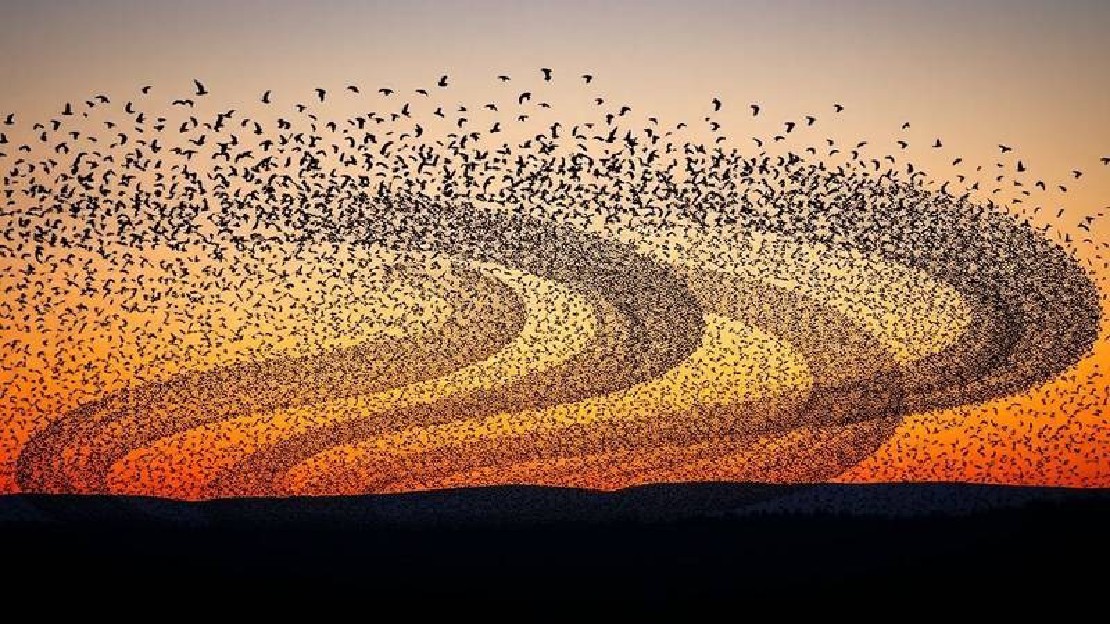
A minimal flocking model shows that a directional change initiated by one agent can propagate across an entire group at approximately constant speed through asymmetric local interactions alone.
Read more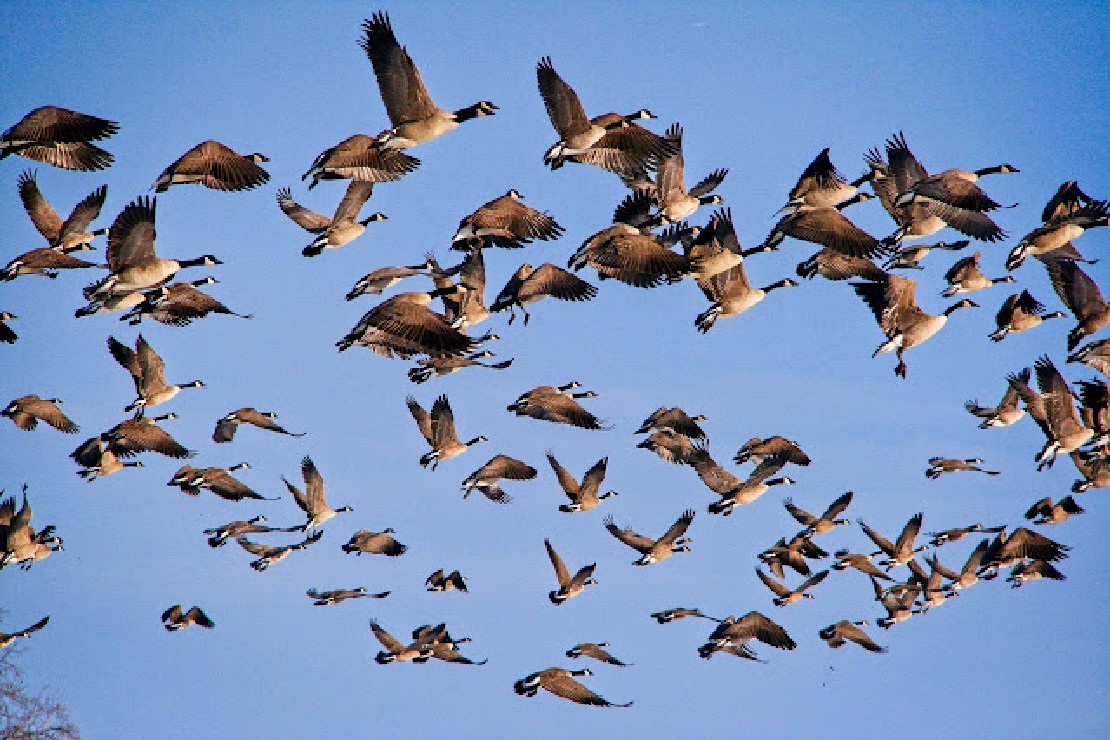
Bird flocks achieve coordinated flight through local interactions among individuals rather than a leader directing the group’s movement. In a newly listed Oxford talk, collective-behaviour researcher Steve Portugal brings together biomechanics, physiology and social interaction to explain how birds maintain cohesion, move through complex landscapes and balance aerodynamic costs against social benefits.
Read more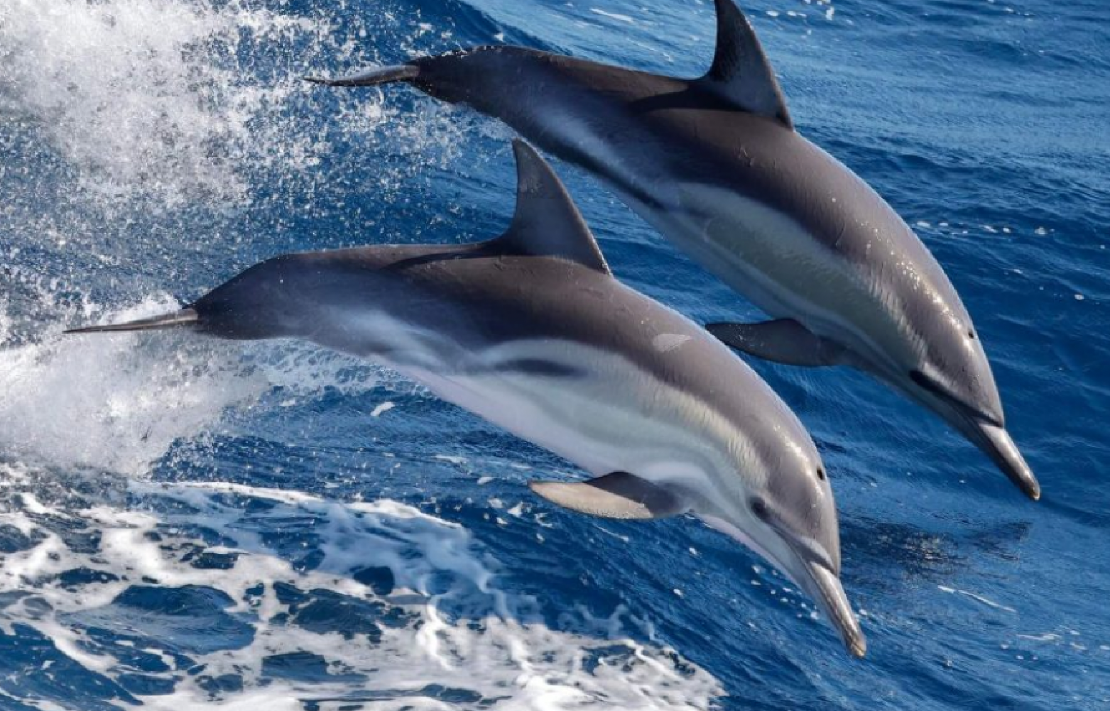
A new framework proposes that moving animals can coordinate through the fluid disturbances they leave behind. Fish, birds, insects and microorganisms continually modify the water or air surrounding them, creating wakes, pressure gradients and other flow structures that neighbours can sense or exploit.
Read more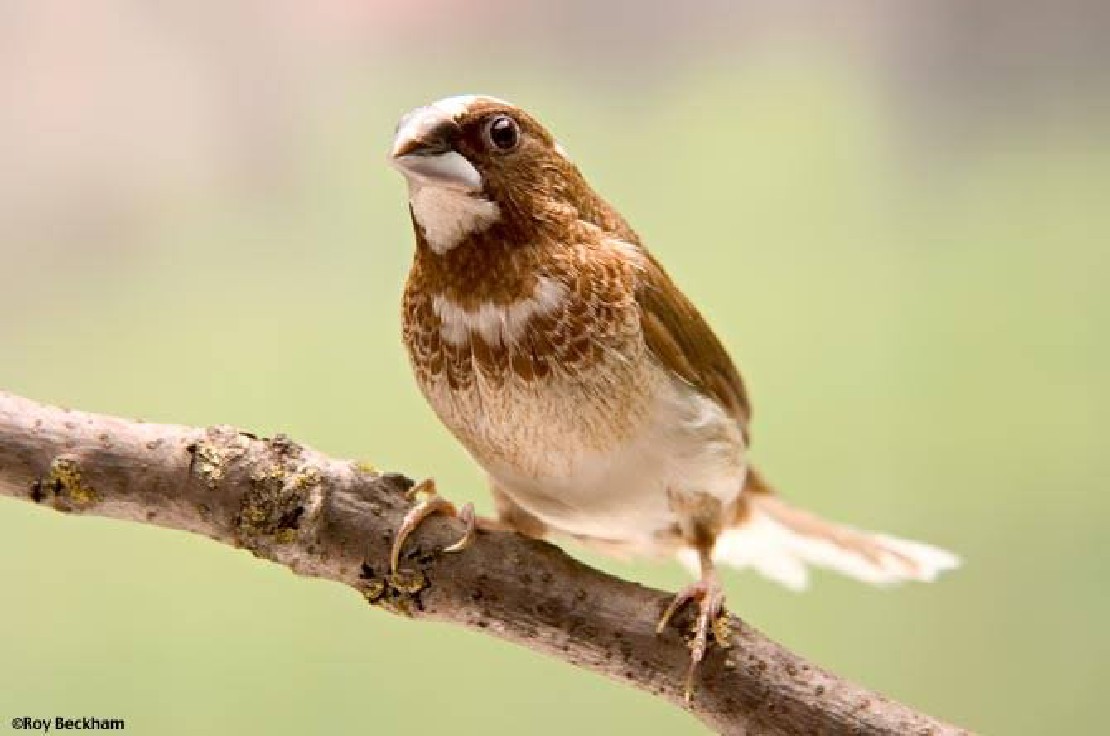
Researchers studying Bengalese finches found that learned birdsong develops statistical structure resembling properties of human language. Young birds segment continuous song into recurring chunks by tracking how predictably syllables follow one another, while frequently used chunks become disproportionately common and short.
Read more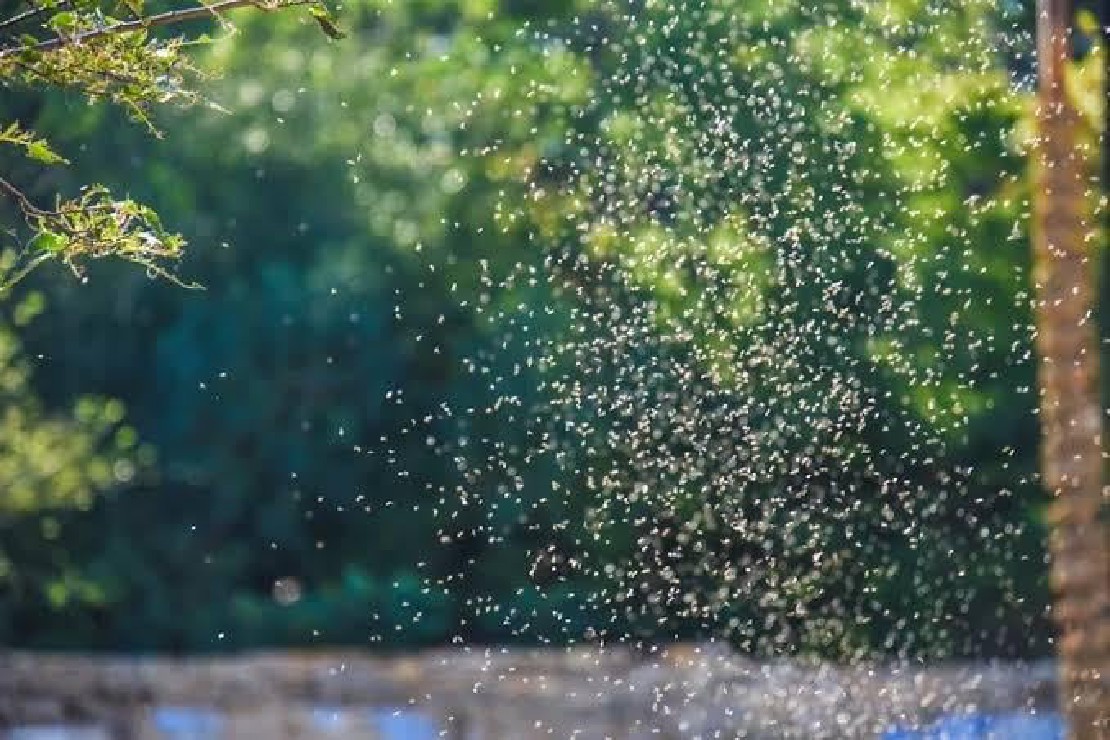
A theoretical model of flying insect swarms proposes acoustic interaction as a local communication mechanism, with each insect attracted toward a weighted mean field generated by nearby swarm members.
Read more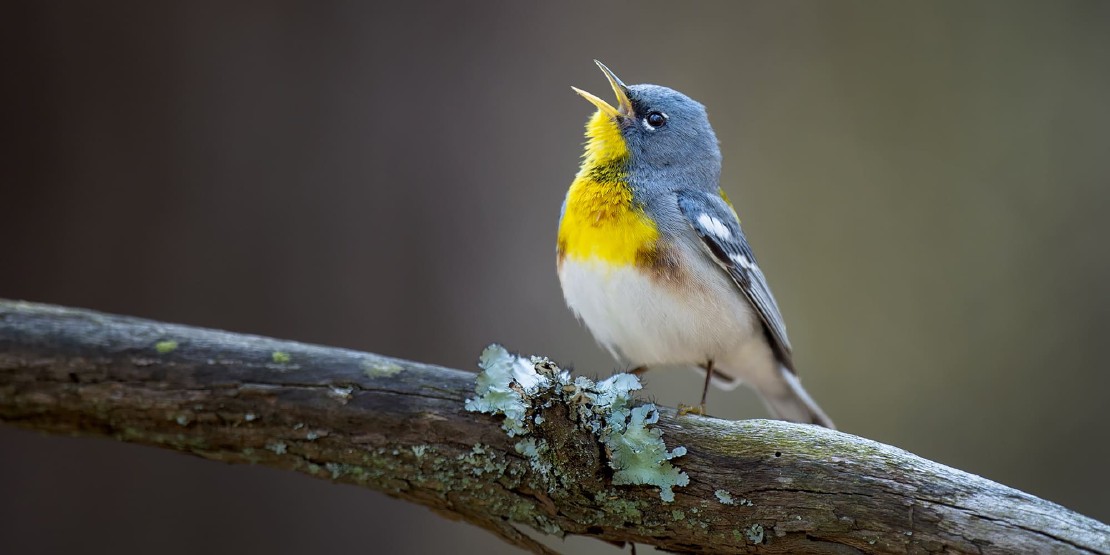
A mathematical model of the dawn chorus shows how synchronized singing can emerge without central coordination. Each simulated bird has its own threshold for beginning to sing, determined by increasing ambient light and the amount of nearby birdsong it hears.
Read more
A minimal wake-vortex model explains how a bird following behind and to the side of another can reduce the mechanical power needed for flight by about 11 percent.
Read more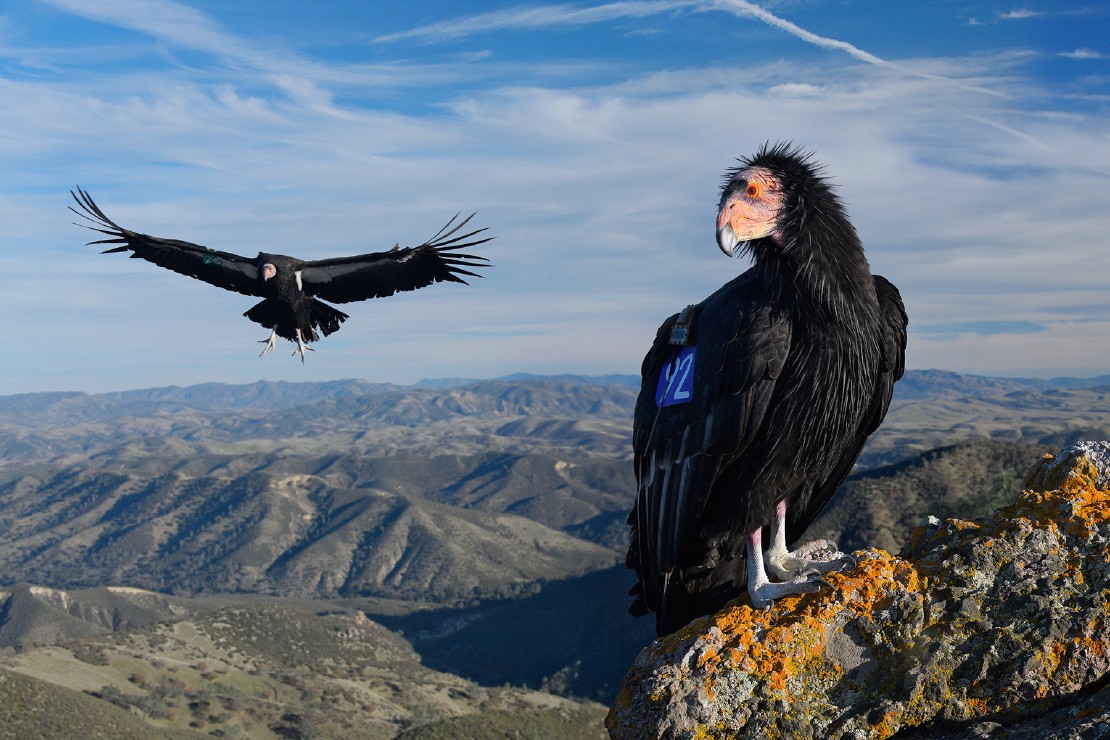
A new agent-based model suggests that Andean condors can reduce the energetic cost of long-distance flight by using the movements of other birds as continuously updated social information.
Read more