A Chemical Signal That Makes Cooperation Worthwhile
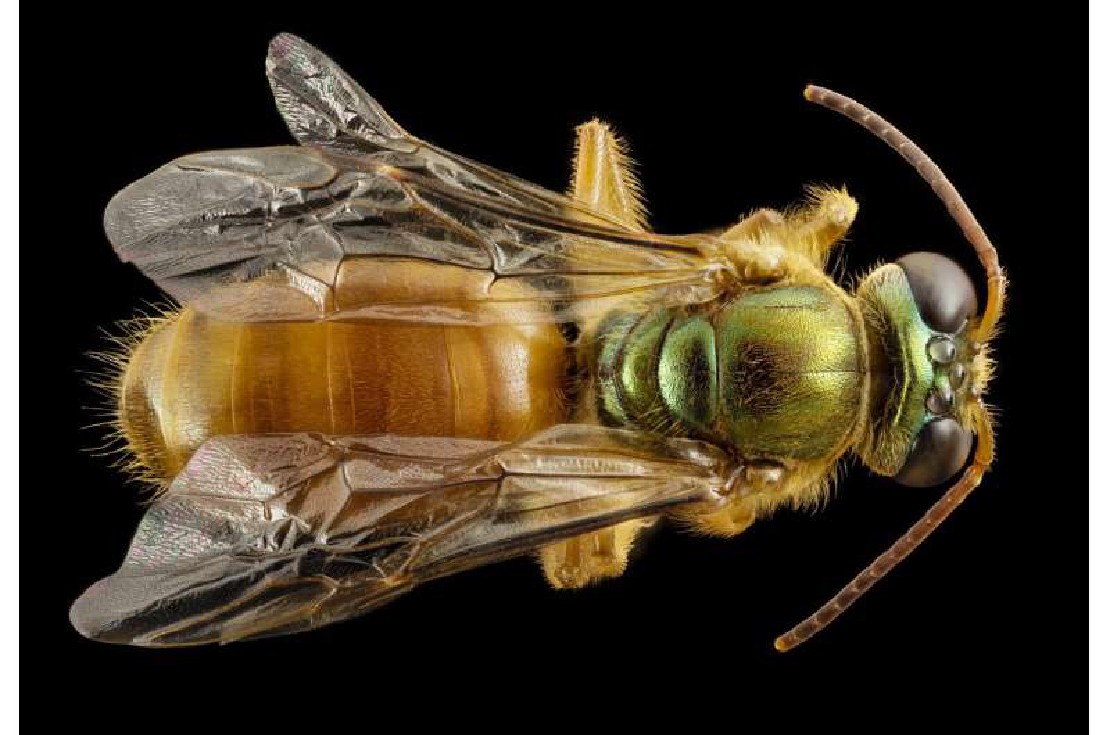
Female Megalopta sweat bees must choose whether to remain as helpers in their mother’s nest or leave to reproduce independently.
Read moreFemale Megalopta sweat bees must choose whether to remain as helpers in their mother’s nest or leave to reproduce independently.
Read more
A minimal wake-vortex model explains how a bird following behind and to the side of another can reduce the mechanical power needed for flight by about 11 percent.
Read more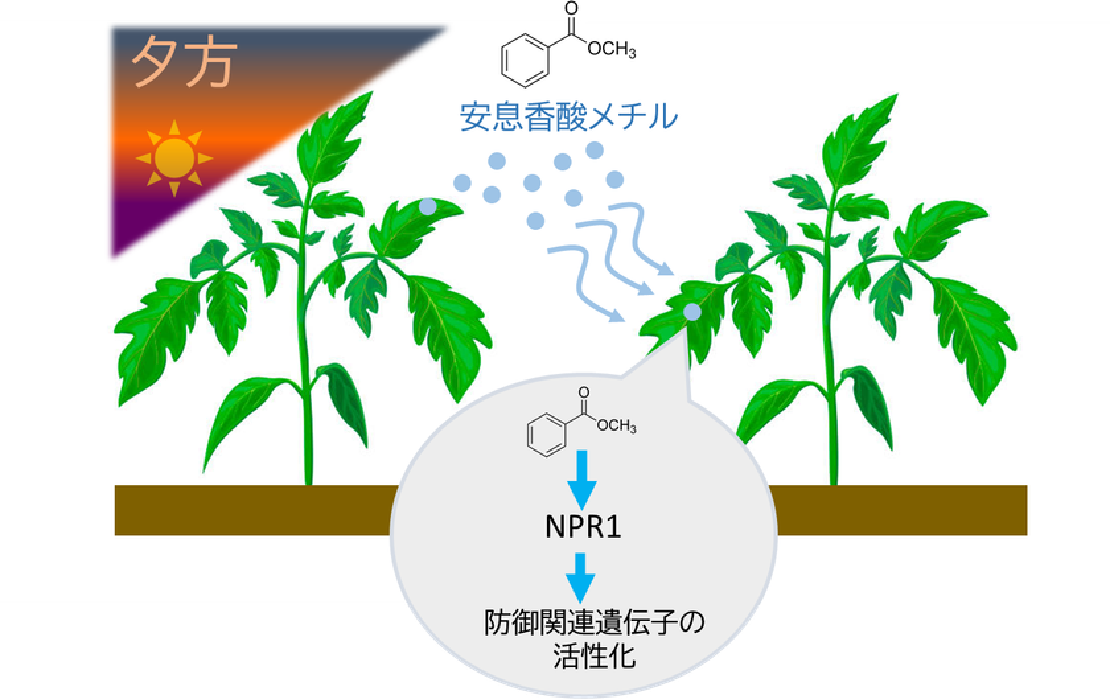
Kagoshima University researchers identified methyl benzoate as an airborne plant-defence signal whose release rises around dusk. Plants receiving the compound activate defence-related genes through NPR1, a central regulator of plant immunity, using a response pattern distinct from the better-known signal methyl salicylate.
Read more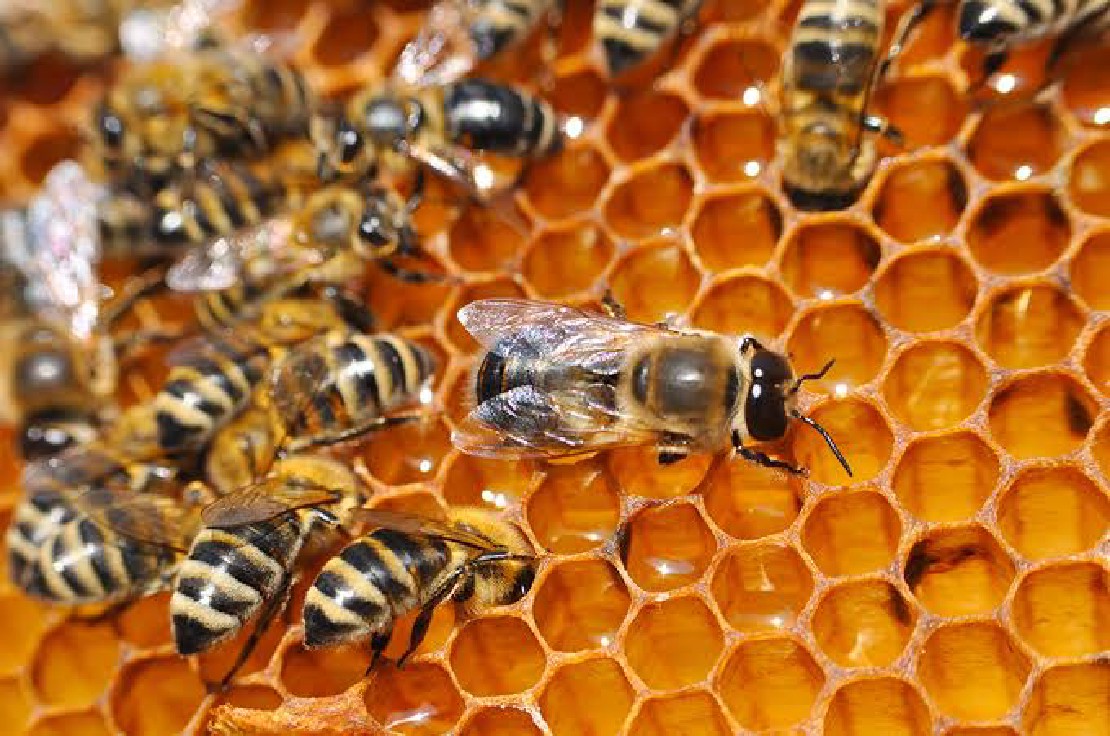
Researchers selectively silenced neural circuits associated with the doublesex gene in older honeybee workers and caused them to resume queen-care duties normally performed by younger bees.
Read more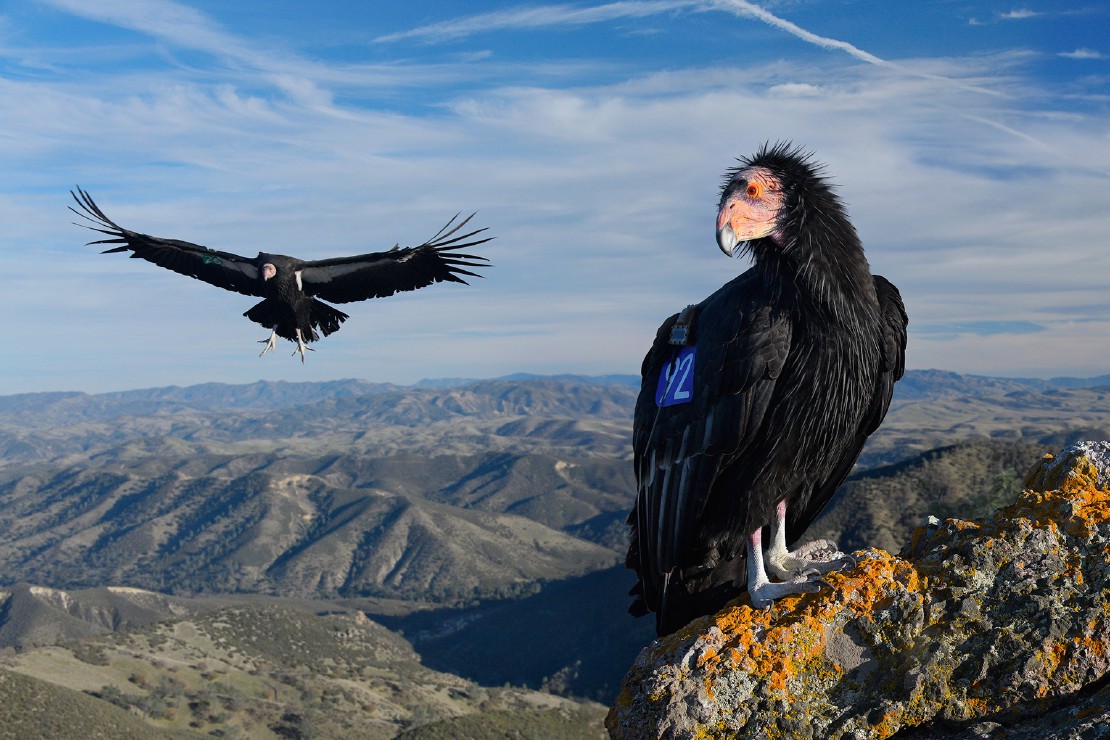
A new agent-based model suggests that Andean condors can reduce the energetic cost of long-distance flight by using the movements of other birds as continuously updated social information.
Read more
A honeybee-inspired study compares centrally directed organisations with decentralized groups whose members allocate work through local communication and differing behavioural thresholds.
Read more
A new preprint examines how pairs of homing pigeons establish leader and follower roles when navigating with unfamiliar partners. The work matters because it reveals how distributed groups can rapidly settle coordination roles without a central authority or an established social history.
Read more
Research published in Behavioral Ecology and Sociobiology used drone footage and trajectory modelling to infer how Tibetan antelopes coordinate while moving.
Read more
A mathematical study of leaderless collectives found that efficient groups need only a small number of persistent risk-takers to explore during poor conditions, while the majority wait for favourable signals.
Read more
Research into the ectomycorrhizal fungus Laccaria bicolor found that cadmium exposure can trigger stress signals in parts of the fungal network that never directly encounter the metal.
Read more