Fish Change Their Collective Rules When Visibility Fails
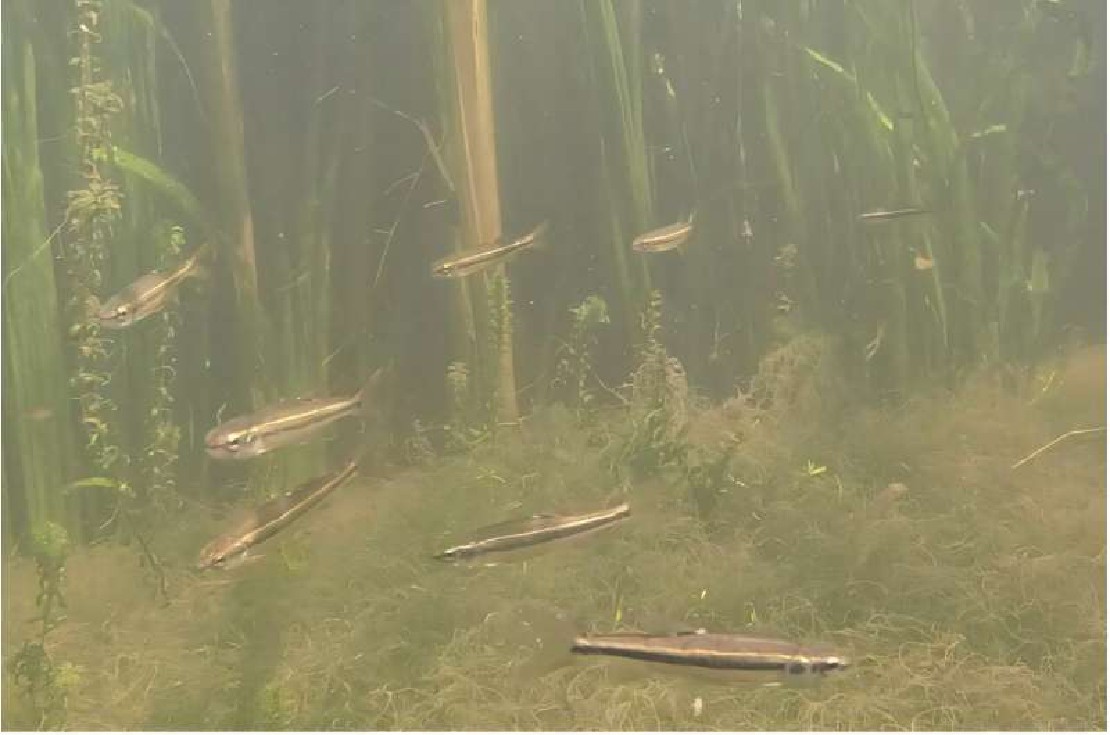
Three-spined sticklebacks compensate for murky water by becoming more socially coordinated rather than continuing to use the same shoaling rules.
Read moreThree-spined sticklebacks compensate for murky water by becoming more socially coordinated rather than continuing to use the same shoaling rules.
Read more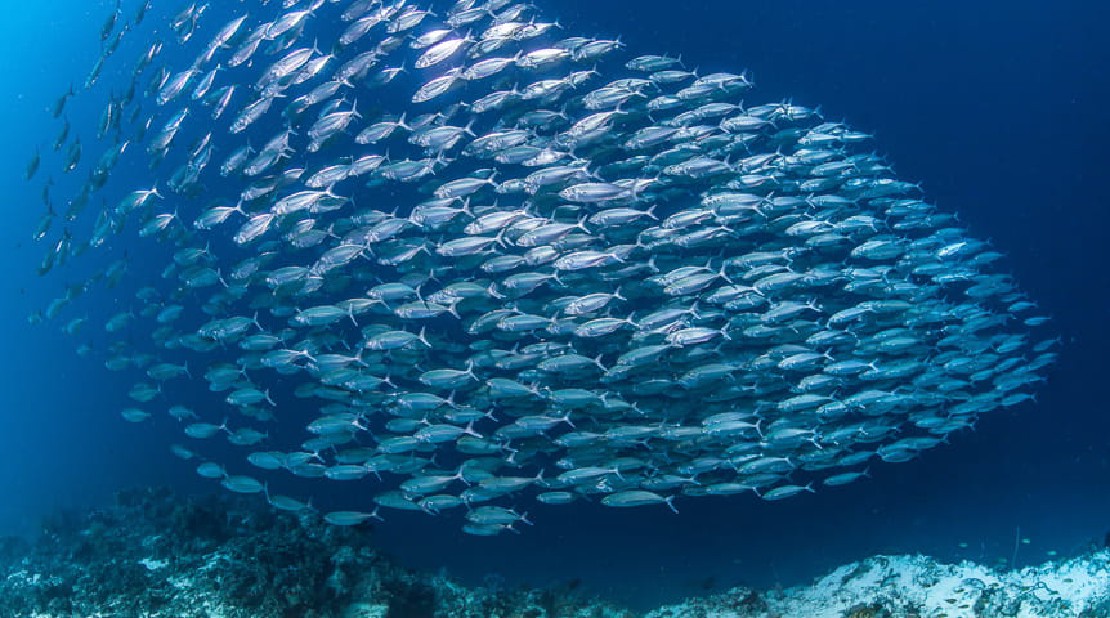
Researchers have developed a way to infer which neighbours an animal is actually responding to directly from collective-movement data. The method tests combinations of interaction distance and viewing angle, then measures how strongly the average heading of candidate neighbours predicts an individual’s subsequent direction.
Read more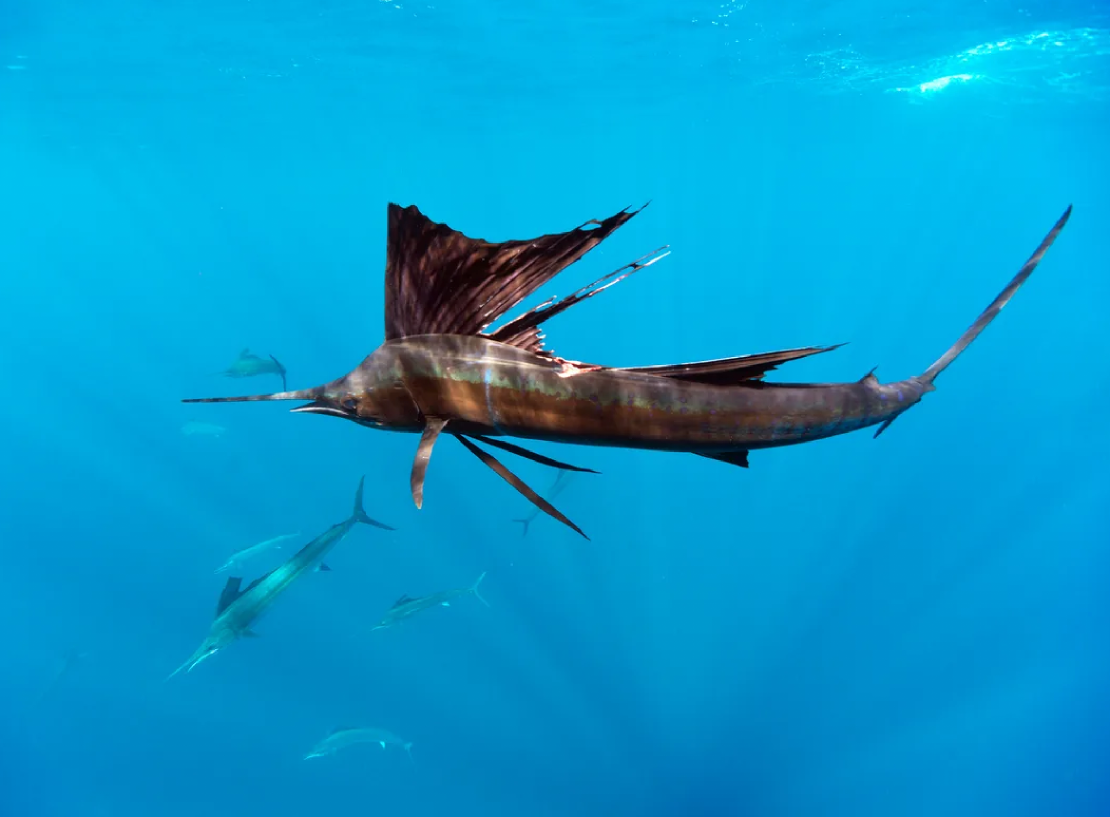
Fish appear to switch communication channels according to how urgently their school is moving. Experiments with schools of 60 rummy-nose tetras found that fish with an intact lateral-line flow-sensing system responded to accelerating neighbours with about one-third less delay than fish whose lateral line was compromised.
Read more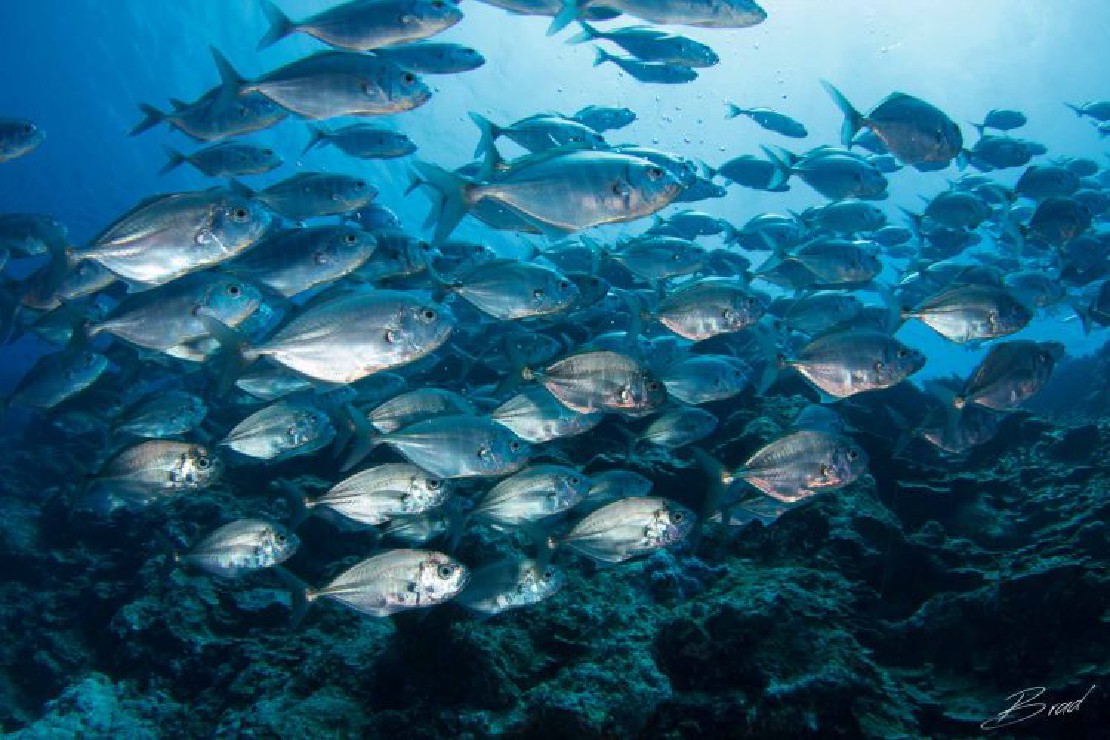
Glassfish appear to coordinate by copying one nearby neighbour at discrete moments rather than averaging the movements of the whole local group.
Read more
A theoretical study of collective escape proposes that animals can improve both speed and accuracy by treating an undisturbed neighbour as negative evidence about a possible threat.
Read more
To operate autonomously, minimal robot swarms must make timely and reliable collective decisions despite noisy individual sensing and severe constraints on communication, computation, and memory.
Read more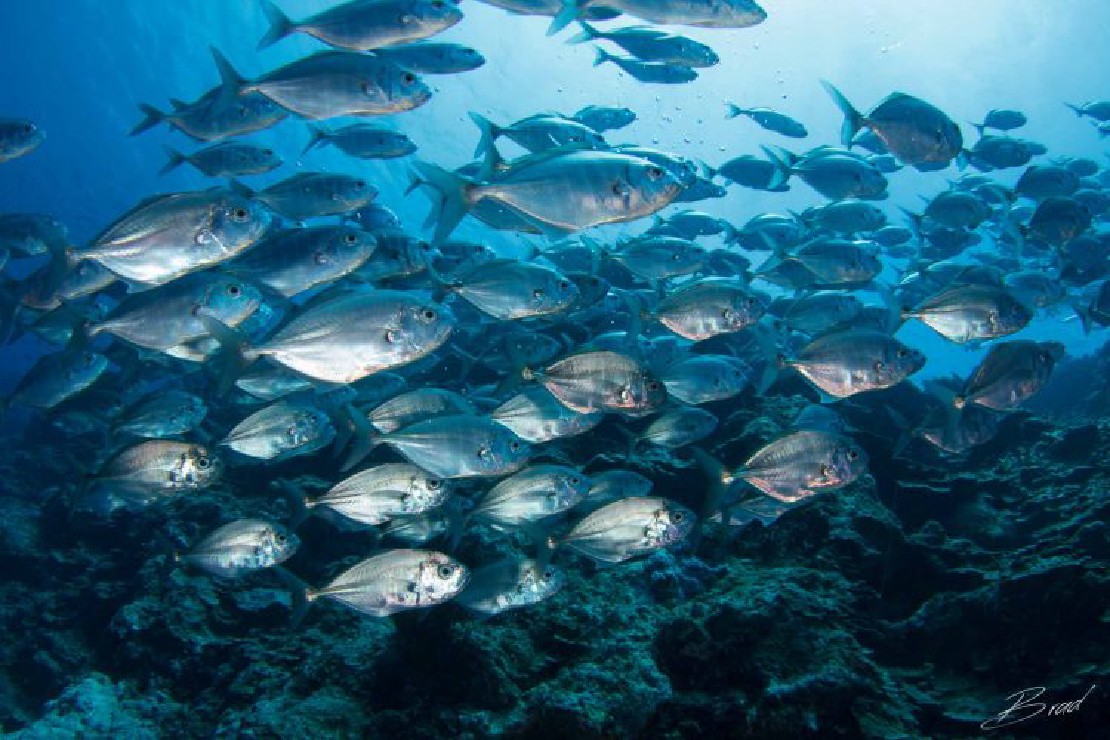
This study uses a conditioned escape response to follow how information propagates through schooling fish after selected individuals respond to a threat cue.
Read more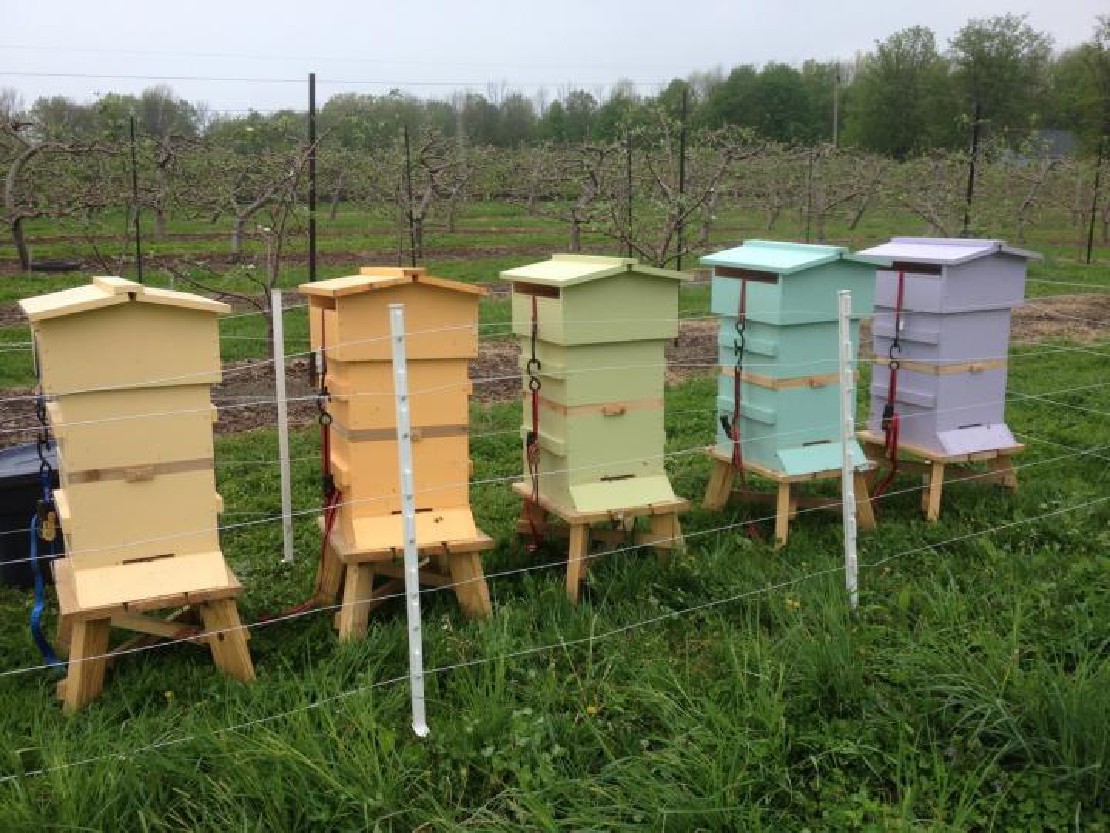
An RFID study of stingless bees found that seemingly minor environmental cues strongly affected how reliably returning foragers identified their own colonies.
Read more
Researchers used a closed-loop biohybrid system in which robotic agents interacted dynamically with schooling fish, allowing them to probe how individuals respond to neighbours rather than merely observe naturally occurring schools.
Read more
A model grounded in observations of ant colonies suggests that synchronized bursts of activity can begin with a single active worker.
Read more