Robot snails, bio-inspired robots that team up!

Researchers at the University of Hong Kong demonstrated small snail-inspired modular robots that can physically attach to one another using suction-based coupling.
Read moreResearchers at the University of Hong Kong demonstrated small snail-inspired modular robots that can physically attach to one another using suction-based coupling.
Read more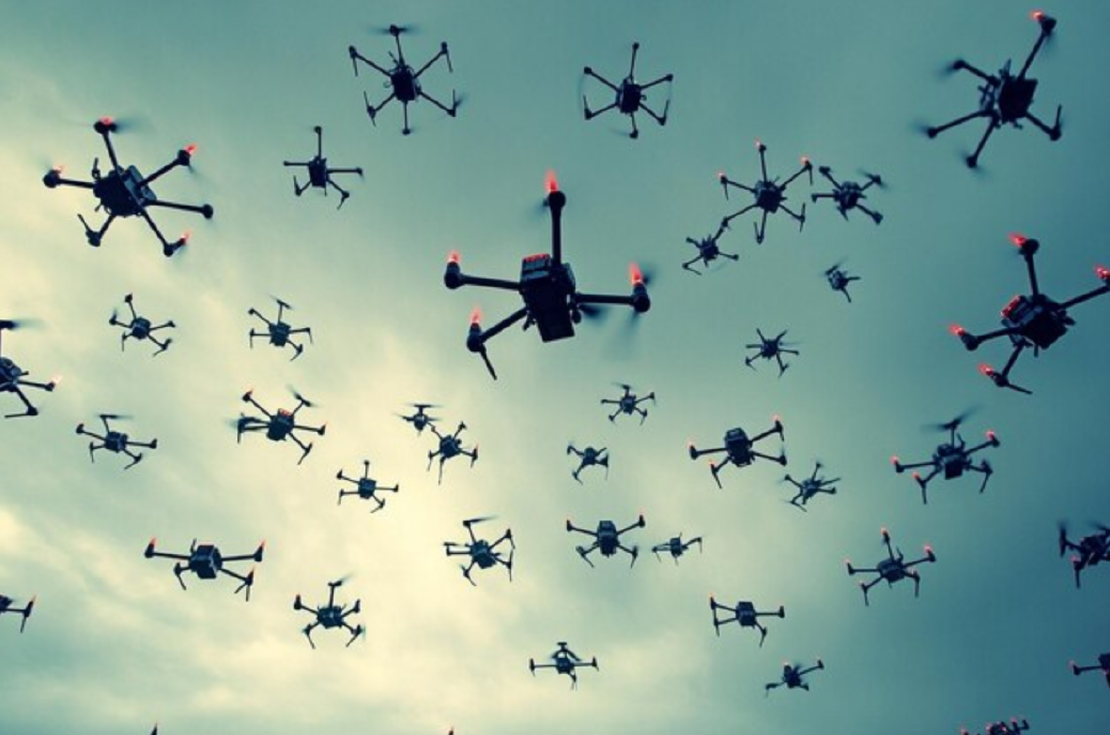
A recent patent landscape analysis highlights how biologically inspired swarm coordination methods are being displaced in some military and industrial drone systems by multi-agent reinforcement learning, while still influencing routing, resilience, and distributed control architectures.
Read more
A drone coordination stack using stigmergy-inspired signaling enables distributed inspection coverage across large industrial assets. Each drone adapts locally to coverage gaps and environmental conditions without centralized orchestration.
Read more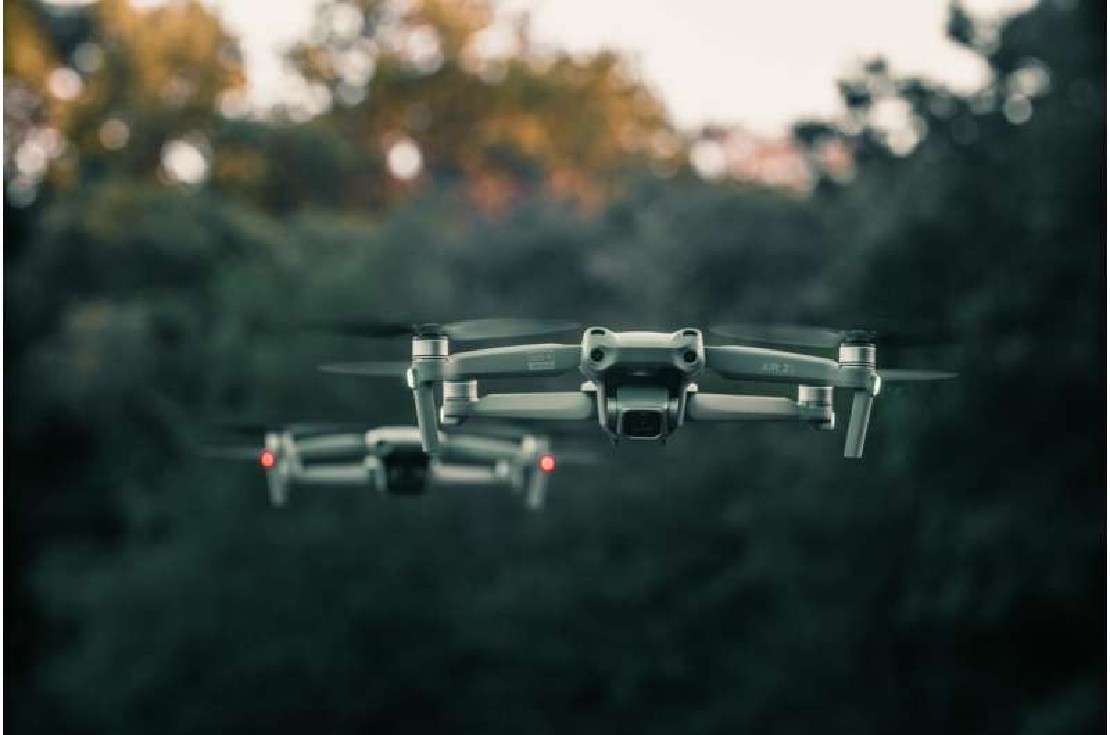
Robot swarms are beginning to shift from pre-programmed coordination toward AI-enabled collective autonomy, allowing groups of machines to adapt dynamically without centralized control.
Read more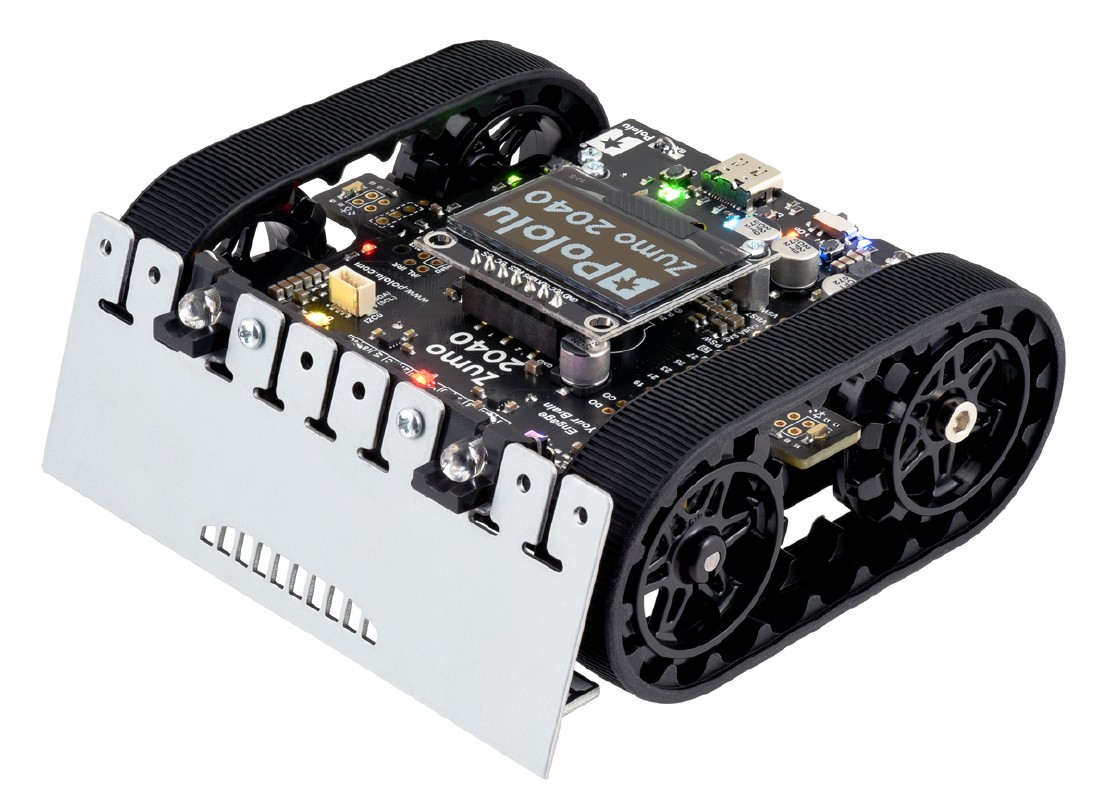
Researchers evaluated ant-inspired robotic coordination strategies for autonomous mining operations, including distributed task allocation and tandem partitioning approaches. The work focuses on improving efficiency and resilience in hazardous industrial environments.
Read more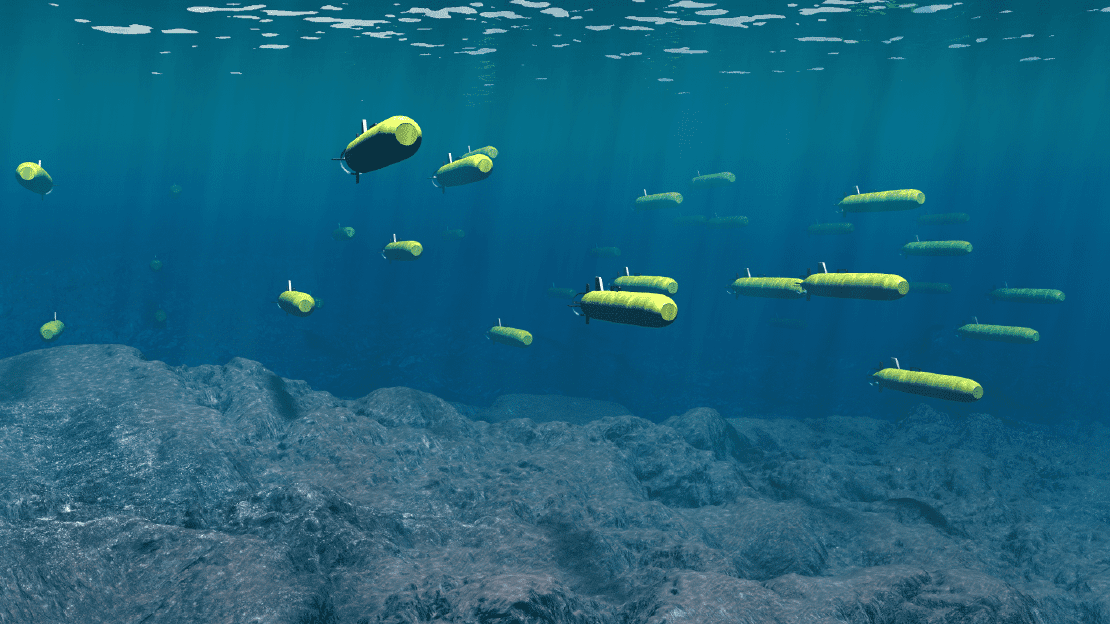
Recent patent analysis shows autonomous underwater systems rapidly evolving toward coordinated swarms and cross-domain teams combining aerial, surface, and underwater vehicles.
Read more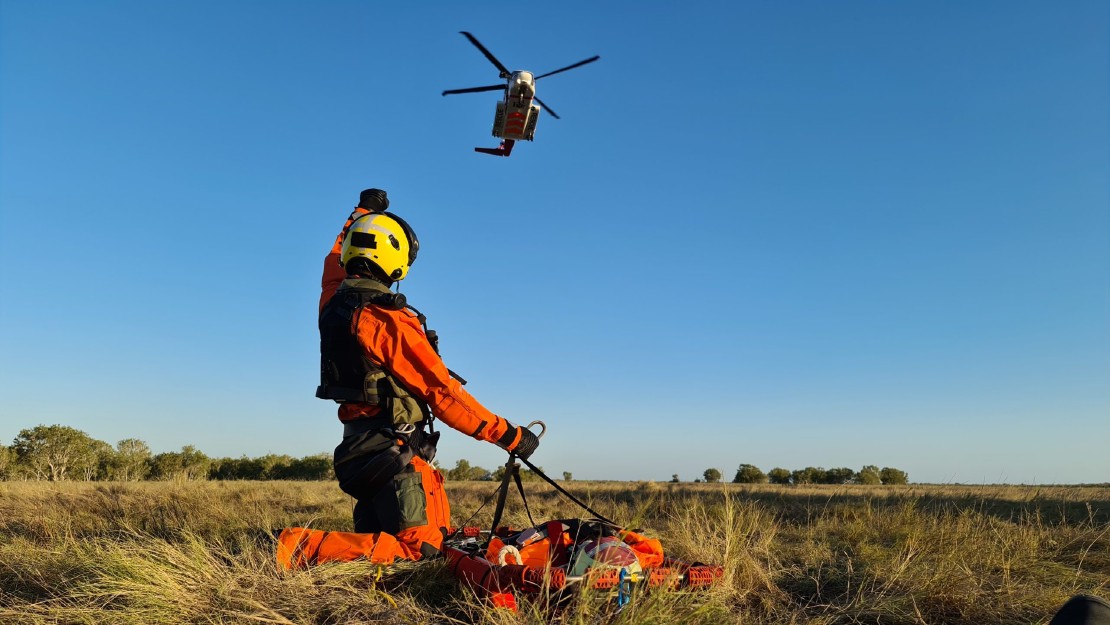
Scientific Reports published a bio-inspired UAV swarm framework for search and rescue, combining thermal sensing, distributed coordination, and optimization methods including Particle Swarm Optimization, Grey Wolf Optimizer, and Ant Colony Optimization.
Read more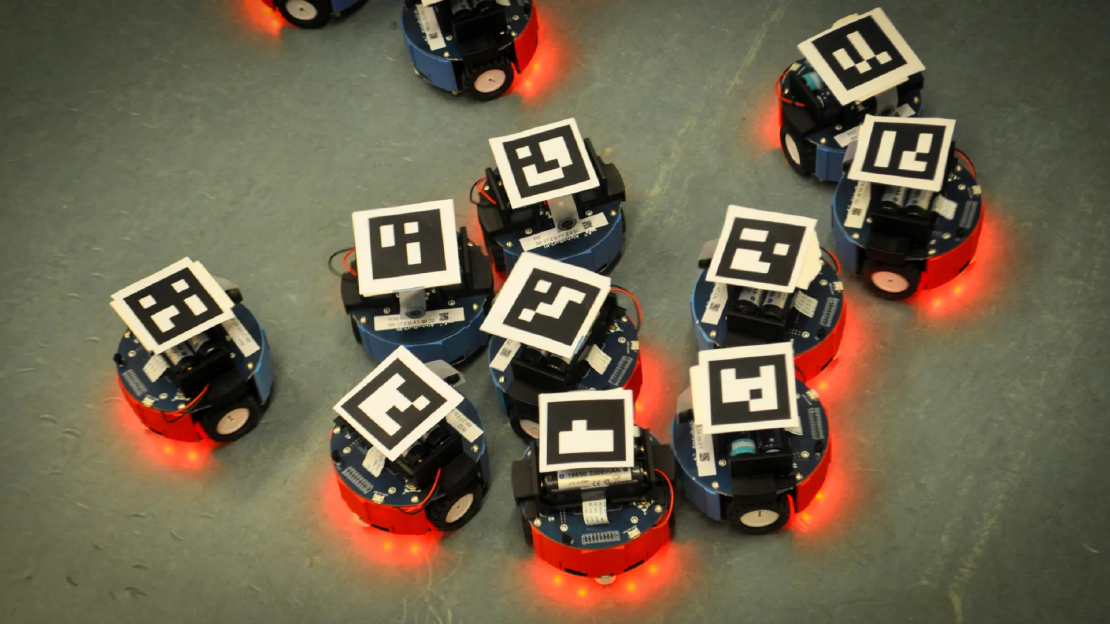
Researchers found that adding small random movements (“wiggling”) to robots in dense swarms prevents congestion and improves throughput. The approach mirrors biological systems where stochastic motion helps ants, cells, and animals avoid deadlock in crowded environments.
Read more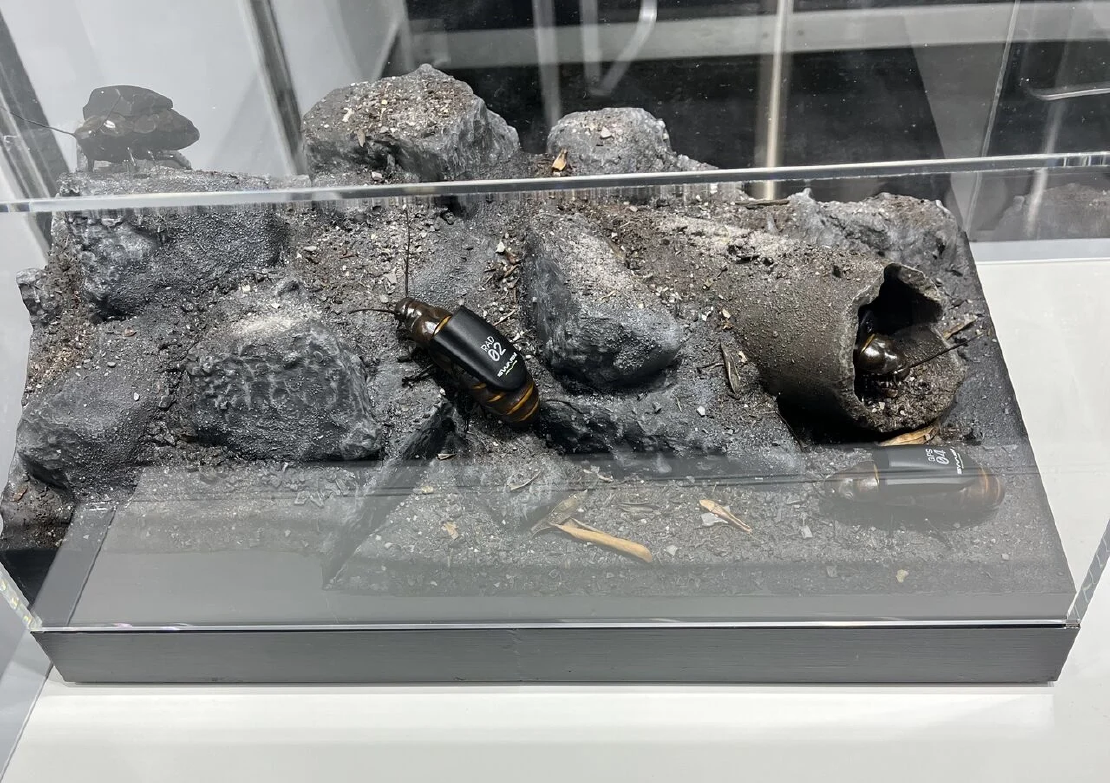
A German startup has moved biohybrid swarm systems from concept to field-tested deployment, using living insects equipped with neural interfaces, sensors, and secure communications to operate as coordinated reconnaissance swarms.
Read more
A newly granted U.S. patent describes a system where heterogeneous robots and sensors coordinate using minimal, high-value data exchange, forming a distributed “collective intelligence” network.
Read more