Part 1: From Little Things Big Things Grow
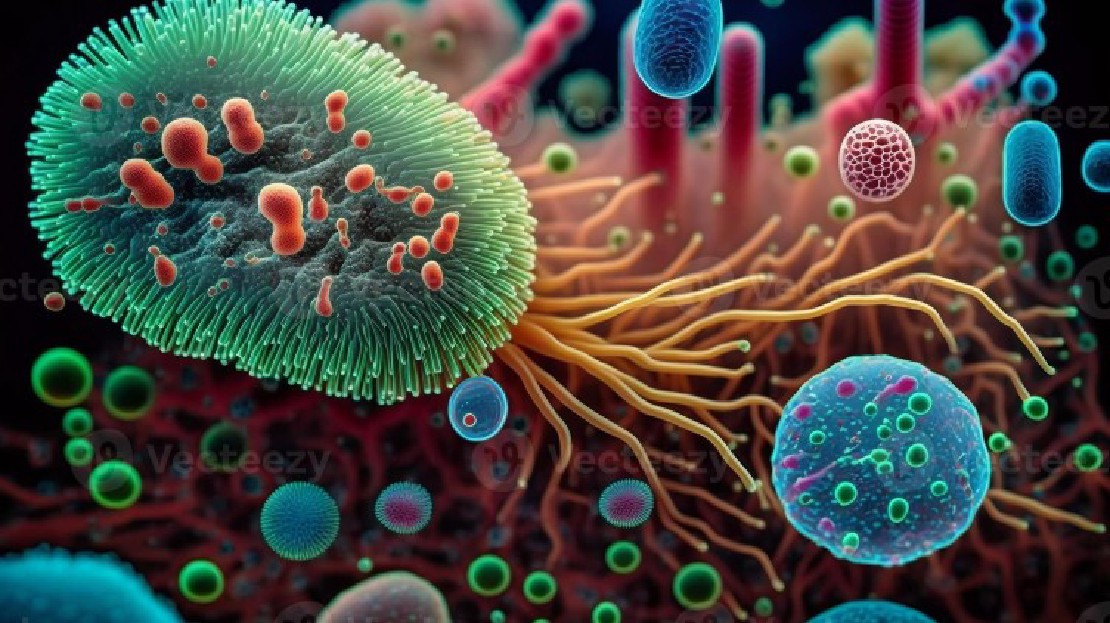
This is a part one of a four part series of emergent microbial communication. “Quorum sensing”, “quorum quenching”. Cool words, what are we talking about here?
Read moreThis is a part one of a four part series of emergent microbial communication. “Quorum sensing”, “quorum quenching”. Cool words, what are we talking about here?
Read more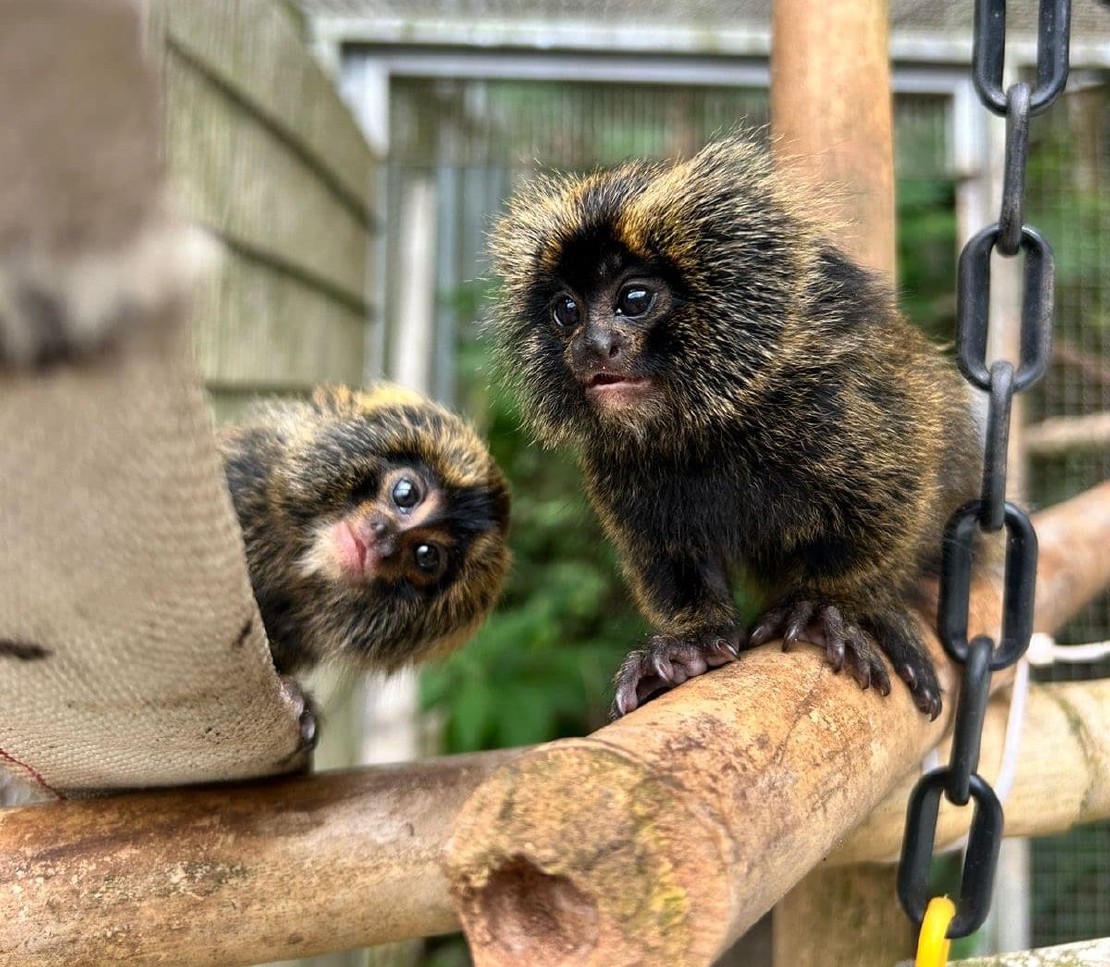
Researchers analysing 1,245 natural vocal interactions found that wild common marmosets use flexible turn-taking, matched call-response sequences, brief pauses, and very little overlap across both within-group and intergroup exchanges.
Read more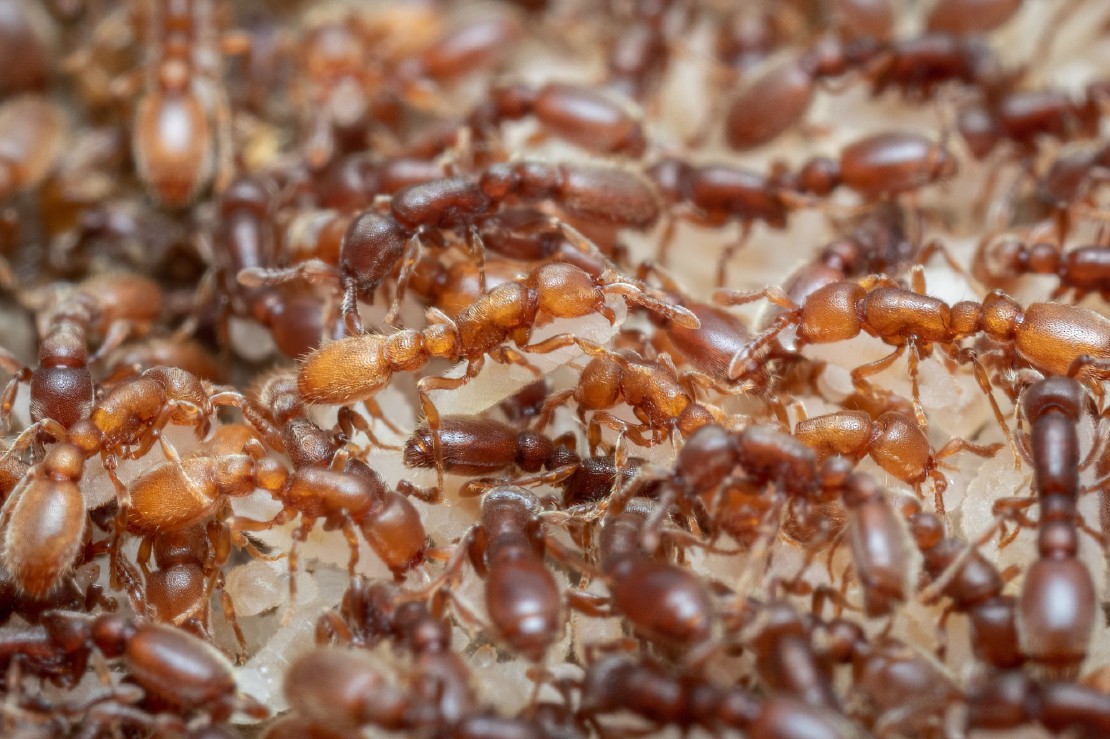
Long before the dawn of modern parenting, animals laid eggs and moved on, leaving their progeny to fend for themselves. Now, a study published in Nature uncovers one of the elegant ways that evolution transformed neglect into nurture.
Read more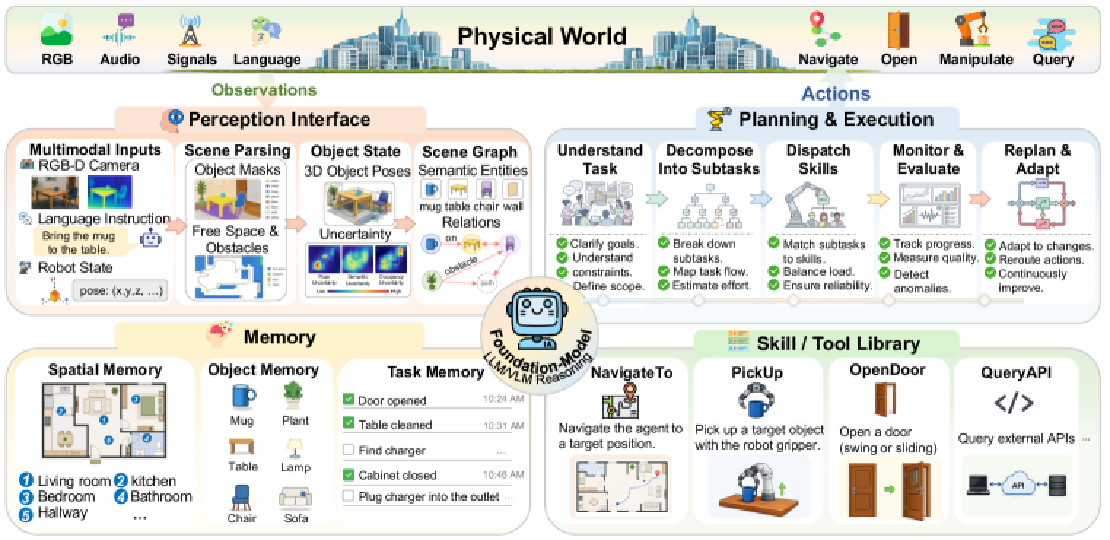
This paper proposes “Embodied Collective Intelligence,” where robot teams share world memory, task progress, and skill experience without becoming a centralized super-agent.
Read more
This funding call frames AI safety as a population-level problem involving collusion, cascading failures, emergent communication, and collective capabilities. This closes 9-August-2026.
Read more
“Agentic AIs are a feral technology… they are projected to become a wild, self-sustaining, population.” Co-organised with Morgan Stanley, this upcoming Santa Fe Institute gathering takes place 15-Sept-2026 in NYC.
Read more
A June workshop dedicated specifically to distributed collective intelligence, including bio-inspired approaches, decentralized trust systems, artificial life concepts, and collective behavior in smart systems.
Read more
A notable June event from the Santa Fe Institute, co-sponsored by OpenAI and Google DeepMind, focused on intelligence across multiple organisational and social scales rather than intelligence as an individual phenomenon.
Read more
Researchers from SUPSI and ETH Zurich developed a firefly-inspired visible-light communication system for nano-drone swarms using LEDs and convolutional neural networks for message decoding.
Read more
By encoding interaction rules directly into physical structure, researchers showed that coordinated group behavior can emerge without digital control, sensors, or centralized systems.
Read more